Quick Answer: How Much Does an LED Video Wall Cost?
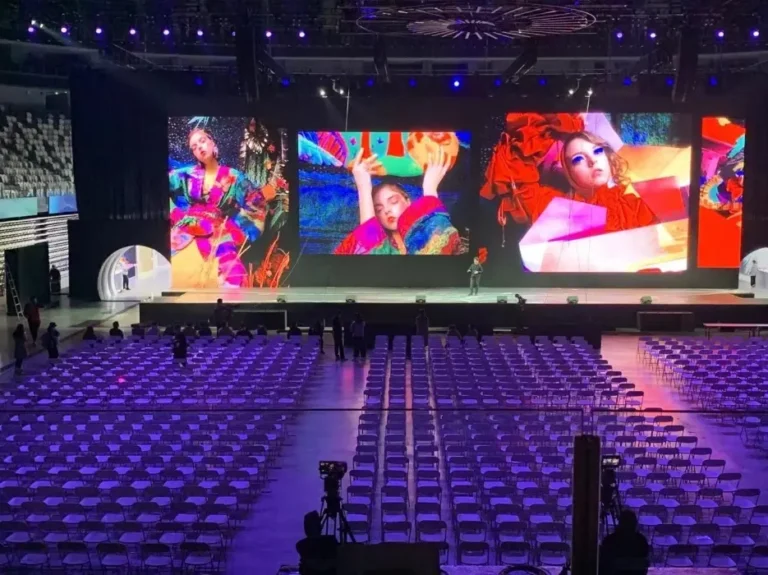
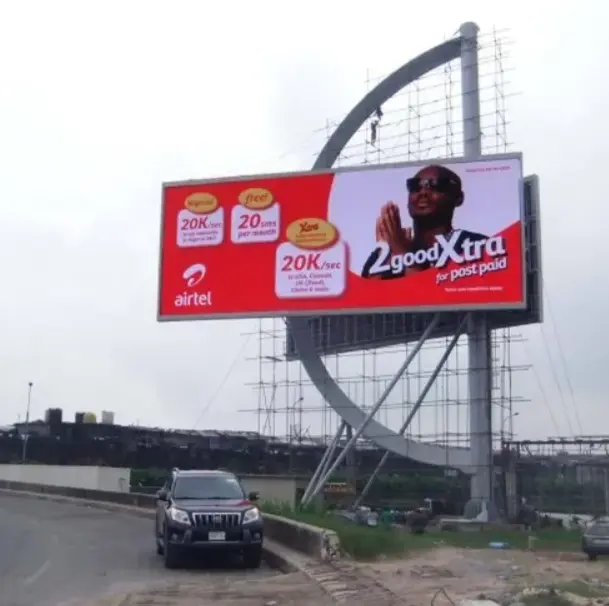
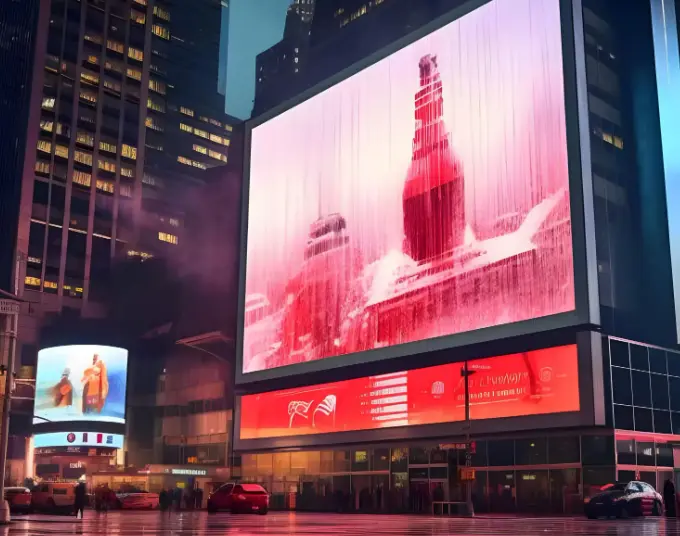
An LED video wall costs between 500and3,000 per square meter for indoor installations and 550to4,000 per square meter for outdoor setups in 2026. A complete turnkey project — panels, control system, structure, and installation — typically runs from 25,000forasmalllobbydisplaytoover350,000 for a large venue or command center.
After personally evaluating quotes from more than a dozen LED manufacturers and overseeing installations across retail, corporate, and live-event environments, I can tell you the single biggest mistake buyers make is budgeting only for the panels. Installation, control hardware, structural framing, and power redundancy routinely add 30–50% on top of the panel cost alone.
If you need a fast reference before reading further:
| Application | Typical All-In Budget (2026) |
|---|---|
| Small lobby / retail (10–15 m²) | 25,000–60,000 |
| Corporate boardroom / church (15–30 m²) | 60,000–140,000 |
| Large venue / command center (30–60+ m²) | 140,000–350,000+ |
| Outdoor billboard / stadium | 80,000–500,000+ |
What Is an LED Video Wall?
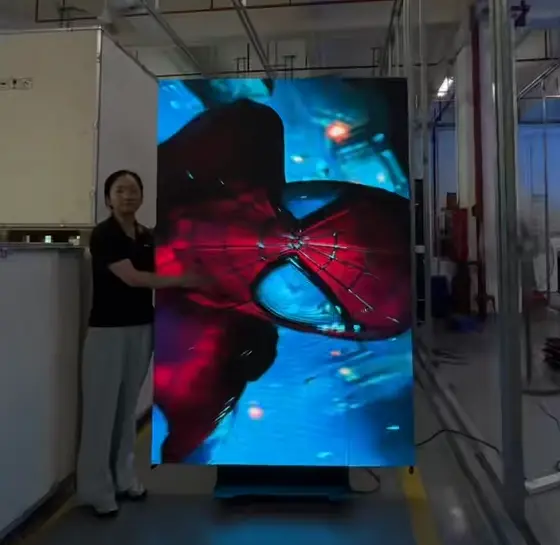
An LED video wall is a modular display system built from individual LED panels tiled together to form a seamless large-format screen. Unlike a single monitor or projector, each panel is a self-contained light source — no backlight required. The result is a display that scales to virtually any size, maintains consistent brightness across the entire surface, and performs reliably in both dim conference rooms and direct sunlight.
The system has three core layers:
- Display layer — LED modules arranged in a grid, defined by pixel pitch (the distance between LED clusters)
- Control layer — video processor, LED controller, and content management software
- Infrastructure layer — structural frame, power distribution, cabling, and cooling
Understanding this three-layer architecture is essential when comparing quotes, because suppliers often price only the display layer while leaving the other two as line items you discover later.
LED Video Wall Price Breakdown by Pixel Pitch
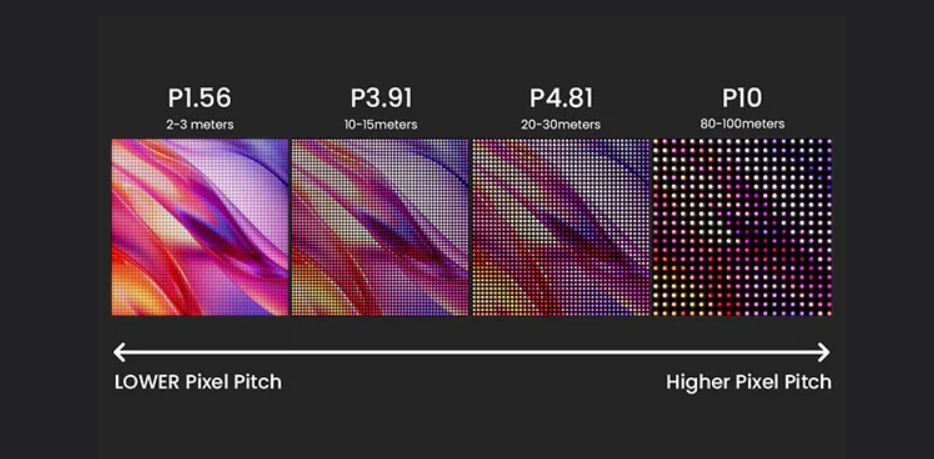
Pixel pitch is the single most powerful cost driver. Smaller pitch = more LEDs per square meter = sharper image at close range = significantly higher price.
| Pixel Pitch | Best Viewing Distance | Panel Cost per m² | Typical Use Case |
|---|---|---|---|
| P0.9 – P1.2 | 1–3 m | 1,800–2,700 | Control rooms, broadcast studios |
| P1.5 | 2–4 m | 1,500–2,100 | Corporate boardrooms, high-end retail |
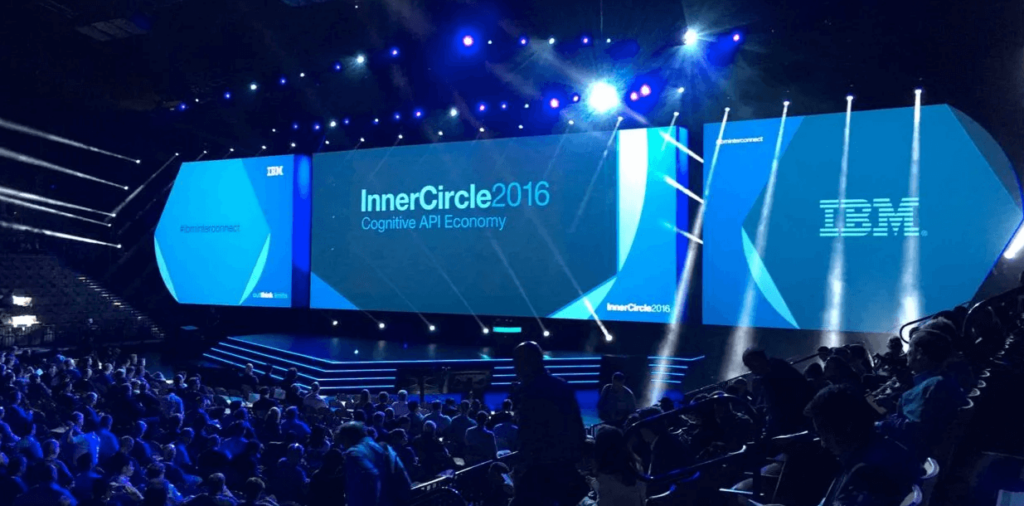
| P1.9 – P2.5 | 3–6 m | 1,200–1,800 | Conference halls, lobbies, churches |
| P3.9 | 4–8 m | 800–1,400 | Stage backdrops, rental events |
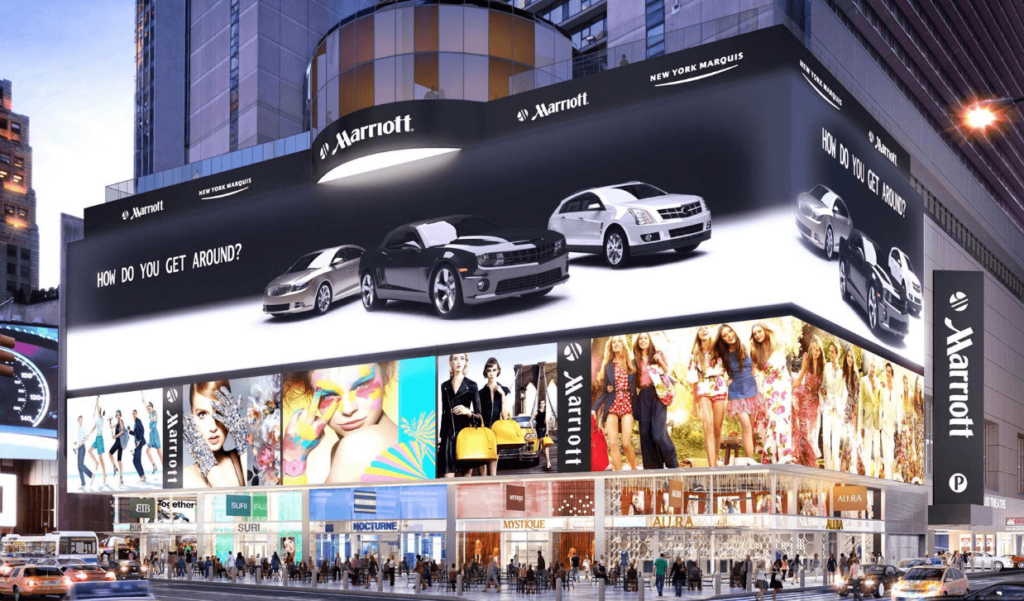
| P4 – P6 (outdoor) | 6–15 m | 1,000–2,000 | Outdoor advertising, sports venues |
| P8 – P10 (outdoor) | 10–30 m | 600–1,200 | Roadside billboards, stadium perimeters |
Practical rule of thumb: For every 1 mm reduction in pixel pitch, expect roughly a 20–35% price increase per square meter. Going from P2.5 to P1.2 can more than double your panel cost.
All-In Project Cost Scenarios (2026)
These figures reflect real-world project budgets including panels, control system, structural frame, installation labor, and basic accessories. They do not include ongoing power costs or maintenance contracts.
| Project Type | Size | Pixel Pitch | Panel Cost | Total All-In |
|---|---|---|---|---|
| Small indoor (lobby, retail) | 10–15 m² | P1.5–P2.5 | 12,000–27,000 | 25,000–60,000 |
| Medium corporate / church | 15–30 m² | P1.5–P2.5 | 18,000–54,000 | 60,000–140,000 |
| Large venue / command center | 30–60 m² | P1.2–P1.9 | 54,000–162,000 | 140,000–350,000+ |
| Outdoor advertising | 20–50 m² | P4–P8 | 12,000–100,000 | 40,000–200,000+ |
| Stadium / arena | 100+ m² | P6–P10 | 60,000–200,000 | 200,000–500,000+ |
Hidden Costs Most Buyers Miss
In my experience auditing LED video wall proposals, these line items are consistently underestimated or omitted entirely from initial quotes:
| Hidden Cost Item | Typical Range |
|---|---|
| Control system (video processor + software) | 1,000–15,000 |
| Structural frame / custom mounting | 800–12,000 |
| Installation labor (site survey, cabling, calibration) | 2,000–35,000 |
| UPS / power redundancy | 1,000–4,000 |
| Spare module kit (recommended: 5–10% of panel count) | 800–2,500 |
| Airflow / active cooling system | 500–2,000 |
| Outdoor protective enclosure | 2,000–10,000 |
| Engineering permits (public buildings) | Varies by jurisdiction |
| Annual maintenance contract | 8–15% of hardware cost/year |
Bottom line: Always request an itemized quote that separates panels, control hardware, structure, labor, and accessories. A suspiciously low headline price almost always means one or more of these categories has been excluded.
LED Video Wall vs LCD Video Wall: Full Comparison
This is one of the most common questions I receive from procurement teams. The answer depends heavily on your use case, viewing distance, and budget.
| Comparison Factor | LED Video Wall | LCD Video Wall |
|---|---|---|
| Seam / bezel | Seamless (zero gap) | Visible bezels (0.88–3.5 mm) |
| Brightness | 800–10,000+ nits | 400–700 nits |
| Contrast ratio | 5,000:1 – 10,000:1 | 1,000:1 – 4,000:1 |
| Viewing angle | 160°+ | 160°+ (IPS panels) |
| Scalability | Virtually unlimited | Limited by panel size |
| Outdoor suitability | Yes (weatherproof models) | No (not rated for outdoor) |
| Pixel-level resolution | Depends on pitch | High (native 4K panels available) |
| Lifespan | 100,000+ hours | 50,000–70,000 hours |
| Entry-level cost | Higher ($25K+) | Lower (8K–20K for small walls) |
| Maintenance | Module-level replacement | Panel-level replacement |
| Best for | Large venues, outdoor, seamless impact | Control rooms, close-viewing, budget-conscious |
My recommendation: If your viewing distance is under 3 meters and budget is tight, a fine-pitch LCD video wall (0.88 mm bezel) is a legitimate alternative. For anything requiring outdoor use, seamless aesthetics, or a display larger than 6×3 meters, LED is the clear choice.
7 Factors That Determine Your Final Price
- Pixel pitch — The primary cost driver. Smaller pitch = higher price per m².
- Screen size — Larger area means more modules, more structure, more labor.
- Indoor vs outdoor — Outdoor panels require IP65+ weatherproofing, higher brightness (5,000–10,000 nits), and reinforced enclosures, adding 20–40% to panel cost.
- LED technology — SMD (Surface Mount Device) is standard; COB (Chip-on-Board) offers better durability and is increasingly cost-competitive in 2026; Mini-LED and Micro-LED command a significant premium.
- Brand and origin — Tier-1 Chinese manufacturers (Unilumin, Absen, Leyard, Novastar) offer strong quality-to-price ratios. Western-branded products often use the same panels at a 30–60% markup.
- Control system complexity — A single-source display needs a basic controller. Multi-zone, multi-input, or redundant systems require enterprise-grade processors.
- Installation environment — Curved walls, high ceilings, outdoor rigging, and seismic zones all increase structural and labor costs.
How to Choose the Right Pixel Pitch for Your Budget
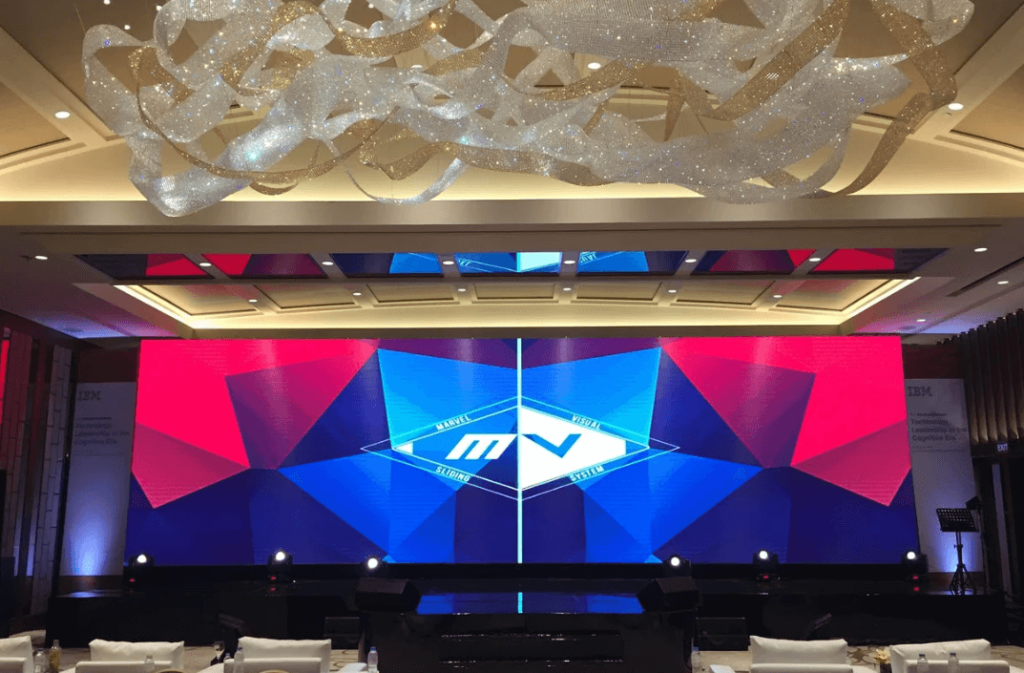
Use this decision matrix before requesting quotes:
| Viewing Distance | Recommended Pitch | Why |
|---|---|---|
| Under 2 m (close-up kiosk, reception) | P0.9 – P1.2 | Fine detail visible at arm’s length |
| 2–4 m (boardroom, retail) | P1.5 – P1.9 | Sharp image without overpaying |
| 4–8 m (conference hall, church) | P2.5 – P3.9 | Cost-effective for mid-range distances |
| 8–15 m (auditorium, sports venue) | P4 – P6 | High brightness, lower cost per m² |
| 15 m+ (outdoor, stadium) | P6 – P10 | Maximum brightness, weather resistance |
Practical test: Stand at your intended viewing distance and hold up a business card. If you can read the fine print clearly, you need a pitch of P1.5 or smaller. If you’re squinting anyway, P2.5 or P3.9 will serve you just as well at a fraction of the cost.
How to Build an LED Video Wall: Step-by-Step
Whether you’re working with a systems integrator or managing the project yourself, understanding the build process helps you validate timelines and costs.
Step 1 — Design and planning Define screen dimensions, resolution target, pixel pitch, and installation environment. A 10 m² wall at P2.5 delivers roughly 1,600 × 900 pixels — adequate for most corporate applications.
Step 2 — Select LED modules Choose modules based on confirmed pixel pitch, brightness requirement (indoor: 800–1,500 nits; outdoor: 5,000–10,000 nits), and refresh rate (≥3,840 Hz for camera-facing applications).
Step 3 — Design the structural frame Engineer a steel or aluminum frame rated for the panel weight (typically 25–45 kg/m²). For wall-mounted installations, verify the host wall’s load capacity before fabrication.
Step 4 — Panel assembly and wiring Modules are connected in a daisy-chain topology. Each cabinet typically covers 0.5–1 m² and includes its own power supply and data receiver card.
Step 5 — Control system integration Connect the video processor to your signal sources (PC, media player, camera feeds). Configure input routing, output resolution, and color calibration profiles.
Step 6 — Calibration and testing Use manufacturer calibration software to correct brightness uniformity and color consistency across all modules. This step is non-negotiable — skipping it results in visible “patchwork” appearance.
Step 7 — Protection and commissioning Install front-access service panels for indoor walls. For outdoor installations, seal all cable entry points and verify IP rating integrity. Run a 72-hour burn-in test before final handover.
Step 8 — Maintenance planning Establish a quarterly inspection schedule. Keep a spare module inventory of at least 5% of total panel count. Most modern LED walls support hot-swap module replacement without powering down the display.
LED Video Wall Solutions: What a Complete Package Includes
A professional LED video wall solution from a reputable supplier should include all of the following. Use this as a checklist when evaluating proposals:
- LED panels and cabinets — specified by pixel pitch, brightness, and IP rating
- Video processor — handles signal conversion, scaling, and multi-source switching
- LED display controller / receiver cards — embedded in each cabinet, manages data transmission
- Content management software — for scheduling, remote updates, and multi-zone layout
- Structural frame and mounting hardware — engineered for the specific installation
- Power distribution unit (PDU) — with surge protection and circuit monitoring
- Cabling and signal infrastructure — fiber or copper, depending on run length
- Remote monitoring system — real-time fault detection and temperature alerts
- Installation and commissioning service — on-site setup, calibration, and staff training
- Warranty and after-sales support — minimum 2 years on panels, 1 year on electronics
Rental vs Purchase: When Each Makes Sense
| Scenario | Rental | Purchase |
|---|---|---|
| One-time event | ✓ Ideal | ✗ Overkill |
| Annual events (3–5/year) | ✓ Cost-effective | Consider if >5 years |
| Permanent installation | ✗ Expensive long-term | ✓ Best ROI |
| Uncertain future use | ✓ Lower commitment | ✗ Risk of underutilization |
| Budget under $15,000 | ✓ Only viable option | ✗ Below minimum threshold |
Rental pricing reference (2026):
- Small wall (under 20 m²): 3,000–8,000 per event
- Medium wall (20–50 m²): 8,000–20,000 per event
- Large / multi-wall setup: 20,000–50,000+ per event
The break-even point for purchase vs rental is typically 8–12 events for a mid-size installation, assuming you factor in storage, transport, and operator costs on the rental side.
FAQ
Q: What is the cheapest LED video wall I can buy in 2026?
A: Entry-level indoor LED video walls start around 8,000–12,000 for a small 4–6 m² display using P3.9 or P4 panels. A complete turnkey installation including control system and mounting starts at approximately $25,000.
Q: How long does an LED video wall last?
A: Quality LED modules are rated for 100,000+ hours of operation — roughly 11 years at 24/7 use. In practice, most commercial installations see 8–15 years of service life with proper maintenance.
Q: What pixel pitch is best for a conference room?
A: For a standard conference room with a viewing distance of 3–5 meters, P1.9 or P2.5 delivers excellent image quality at a reasonable price point. P1.5 is worth the premium if the room hosts video calls or detailed data visualization.
Q: Is an LED video wall better than a projector?
A: For permanent installations, yes — LED video walls offer higher brightness, no lamp replacement costs, better contrast in ambient light, and longer lifespan. Projectors remain cost-competitive for temporary setups or very large throw distances (15+ meters).
Q: How much does LED video wall installation cost?
A: Installation labor ranges from 2,000forasmallwallto35,000+ for a large venue installation. Budget 15–25% of total hardware cost for installation in most commercial projects.
Q: Can LED video walls be used outdoors?
A: Yes. Outdoor LED video walls use weatherproof cabinets rated IP65 or higher, with brightness levels of 5,000–10,000 nits to overcome direct sunlight. They cost 20–40% more than equivalent indoor panels.
Q: What is the difference between SMD and COB LED technology?
A: SMD (Surface Mount Device) places individual LED chips on a PCB — the industry standard for most commercial displays. COB (Chip-on-Board) bonds chips directly to the substrate, offering better impact resistance, improved color uniformity, and easier cleaning. COB is increasingly preferred for high-traffic environments and is now price-competitive with premium SMD products in 2026.
Q: How do I get an accurate LED video wall quote?
A: Provide suppliers with: (1) exact screen dimensions, (2) installation environment (indoor/outdoor), (3) minimum viewing distance, (4) signal sources and input requirements, (5) installation timeline. Request itemized quotes that separate panels, control hardware, structure, labor, and warranty.