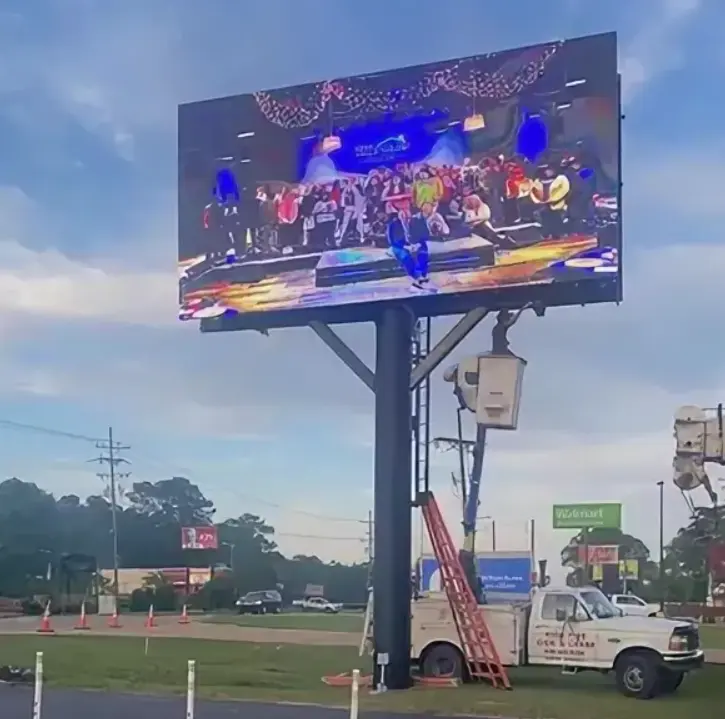
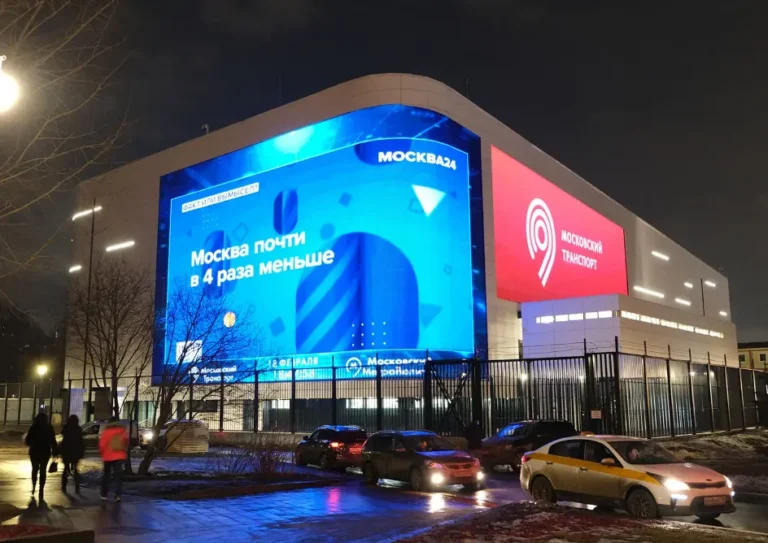
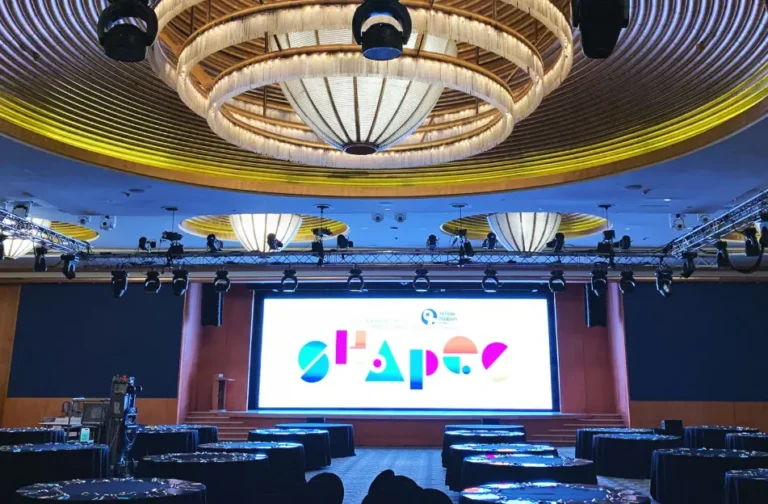
In today’s digital and experience-driven commercial landscape, LED technology has become the preferred display solution for retail, entertainment, and architectural applications. Among the many innovations in LED technology, flexible LED panels stand out for their ability to conform to curved surfaces and irregular shapes without sacrificing image quality. But before specifying a flexible LED panel for your project, you need to understand two things that most buying guides gloss over: how flexible LED screen prices are actually calculated, and what physical sizes and technical specs are available on the market today.
This guide breaks down flexible LED panel prices, real module sizes, and the seven factors that separate a well-engineered curved display from an expensive mistake.
What Is a Flexible LED Panel?
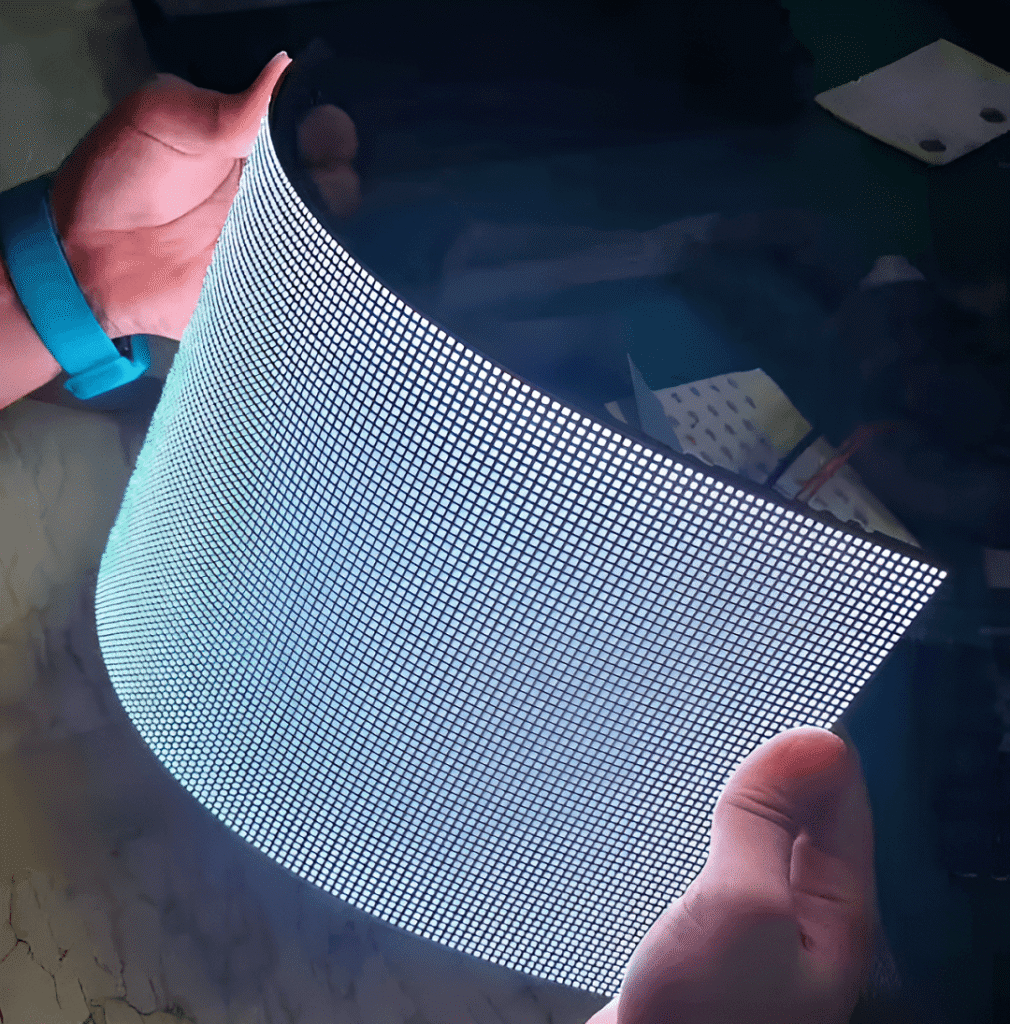
A flexible LED panel (also called a soft LED module, flex LED tile, or bendable LED display) is built on a flexible PCB (printed circuit board) instead of a rigid aluminum or steel cabinet. This soft substrate — typically silicone-based or rubber-backed — allows the module to bend, curve, or wrap around non-flat surfaces such as columns, spheres, arches, and wave-shaped ceilings, while magnets along the module edges keep the seamless splicing intact.
What Size Are Flexible LED Panels?
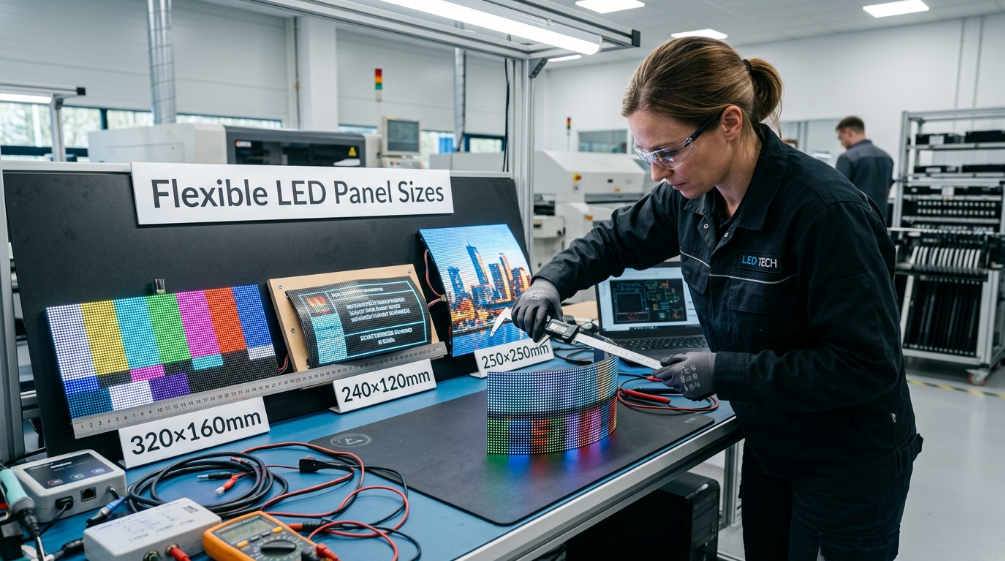
This is one of the most common questions from system integrators sourcing their first curved display project, and the answer is more specific than most buyers expect.
Unlike consumer displays, flexible LED panels are not sized in inches or diagonal screen size — they are sized by physical module dimensions, because a flexible LED wall is assembled from many small tiles rather than sold as one fixed screen. The industry-standard module sizes are:
- 320mm × 160mm — the most widely used size, compatible with most curved and cylindrical builds
- 240mm × 120mm — a smaller module offering a tighter minimum bend radius, ideal for tighter curves like columns or spheres
- 250mm × 250mm — used in some square-format creative installations
- 304.8mm × 304.8mm (1 sq ft) — common in North American projects specified in imperial units
Individual modules typically weigh around 0.25 kg per tile (for a 320×160mm module), which is why flexible LED walls are the preferred choice for ceiling-suspended displays and load-sensitive structures where rigid cabinets would be too heavy.
Within each module size, manufacturers offer a range of pixel pitches — from ultra-fine P1.25 for close-viewing indoor applications up to P8–P10 for large-format, long-distance outdoor curved billboards. The pixel pitch, not the module size, is what determines both image resolution and price — which brings us to the most important variable in flexible LED panel pricing.
Flexible LED Panel Prices: The Real Cost Structure
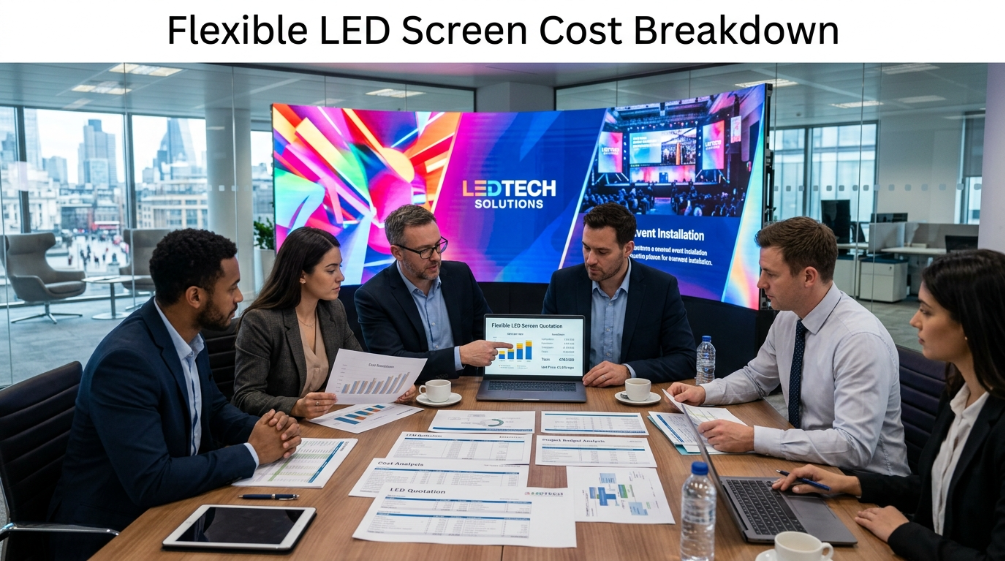
Flexible LED panels are not priced “per panel” the way consumer electronics are — in B2B commercial procurement, pricing is quoted per square meter (USD/m²), because project sizes vary from a 2 m² retail column wrap to a 200 m² immersive ceiling installation.
As of 2026, the market rate for a commercial-grade flexible LED screen ranges roughly from $800 to $4,500+ per square meter, with the single biggest driver being pixel pitch.
| Pixel Pitch | Typical Use Case | Price Range (USD/m²) |
|---|---|---|
| P1.25 – P1.8 | Close-viewing indoor (< 2m), control rooms, retail | $3,500 – $6,000+ |
| P2 – P2.5 | Stage backdrops, curved video walls, exhibitions | $2,000 – $4,000 |
| P3 – P4 | Medium-distance indoor/semi-outdoor curved signage | $1,200 – $2,500 |
| P5 – P8 | Large-format outdoor curved billboards | $800 – $1,500 |
Important: if a supplier quotes you a bare “P2.5 = $600/m²” figure, be cautious — that price usually reflects only the flexible FPC module itself, and excludes the structural steel curve frame, control system, and magnetic installation hardware described below. A flexible LED wall is a system, not a pile of bendable tiles.
7 Features of Flexible LED Panels
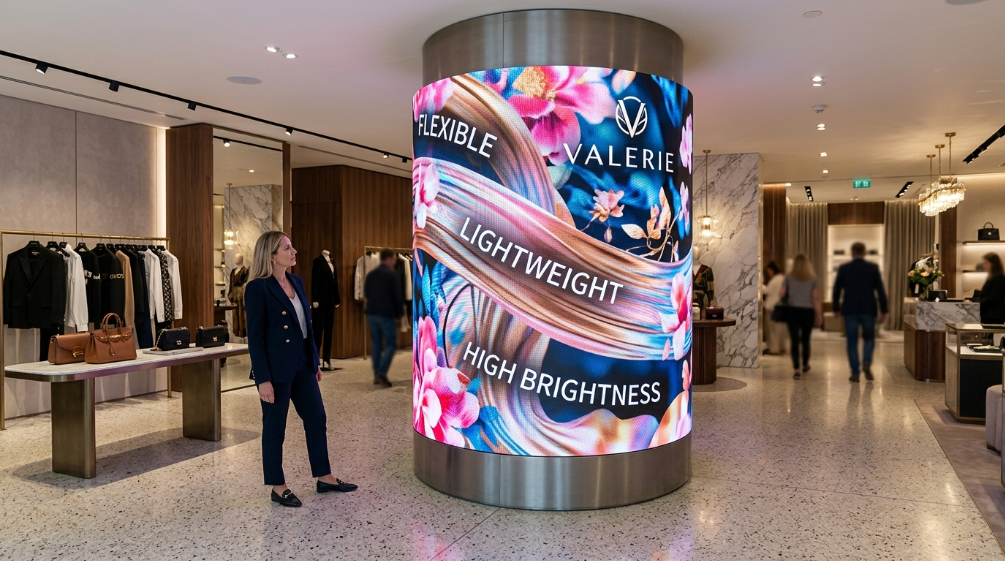
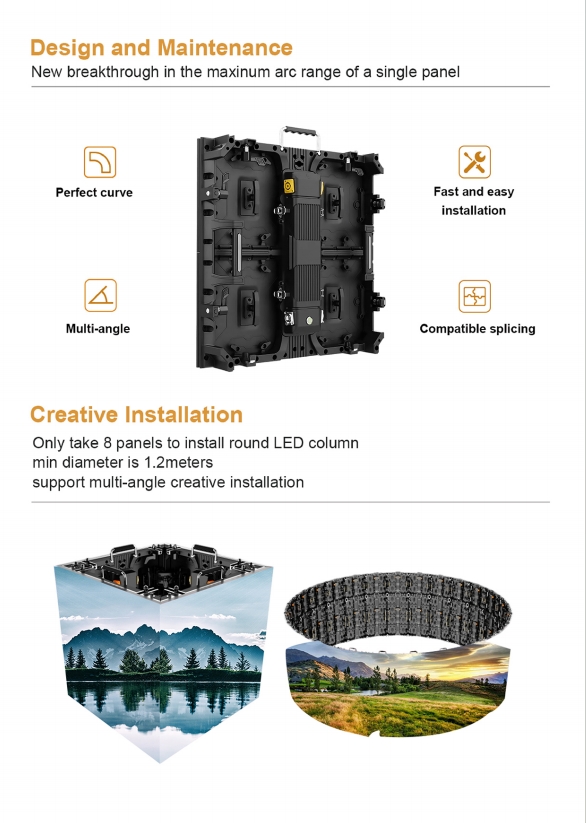
Flexibility: Flexible LED panels are made of soft-substrate materials that bend and twist to fit curved or irregular surfaces such as cylinders, spheres, and wave-form ceilings. Most modules support a bending range of roughly 135°–169°, with a minimum curve diameter of approximately 764mm for 240×120mm modules and 815mm for 320×160mm modules — figures worth requesting from any supplier before you commit to a tight-radius design.
Lightweight and Portable: Compared to traditional rigid LED cabinets, flexible LED panels are significantly lighter, making them easy to transport, rig, and dismantle for exhibitions, stage productions, and temporary retail displays.
Transparency Options: Some flexible LED panels can be configured with a degree of transparency, functioning as semi-see-through elements on glass curtain walls or vehicle windows for innovative architectural and DOOH designs.
Brightness and Color Performance: Flexible LED panels use high-brightness SMD or GOB (Glue on Board) LED packaging. Indoor models typically deliver 500–1,200 nits (cd/m²), while enhanced outdoor-rated flexible modules can reach 2,500–5,000+ nits to remain visible under direct sunlight. Color accuracy and grayscale performance are equally important — look for a stated refresh rate of at least 1,920Hz and 16-bit+ grayscale processing to avoid banding on video content.
Energy Efficiency: LED technology is inherently energy-efficient, and flexible panels typically draw comparable power per square meter to rigid cabinets of the same pixel pitch, with no compromise from the flexible substrate.
Reliability and Protection Rating: Standard flexible LED panels are built for indoor use with an IP20 rating. For semi-outdoor or covered environments, suppliers offer a GOB (Glue on Board) upgrade that raises protection to roughly IP65, sealing the LED chips against dust and moisture. For fully exposed outdoor installations, a dedicated outdoor-rated flexible module with IP65/IP66 protection and higher brightness is strongly recommended over a standard indoor flex panel. With proper thermal management, flexible LED displays are rated for 100,000+ hours of operation (roughly 11 years of continuous use).
Easy Maintenance: The magnetic front-service design used across the industry allows technicians to swap out a single faulty module without dismantling the surrounding structure, reducing both downtime and long-term service costs.
Control Systems: The Piece Most Buyers Overlook
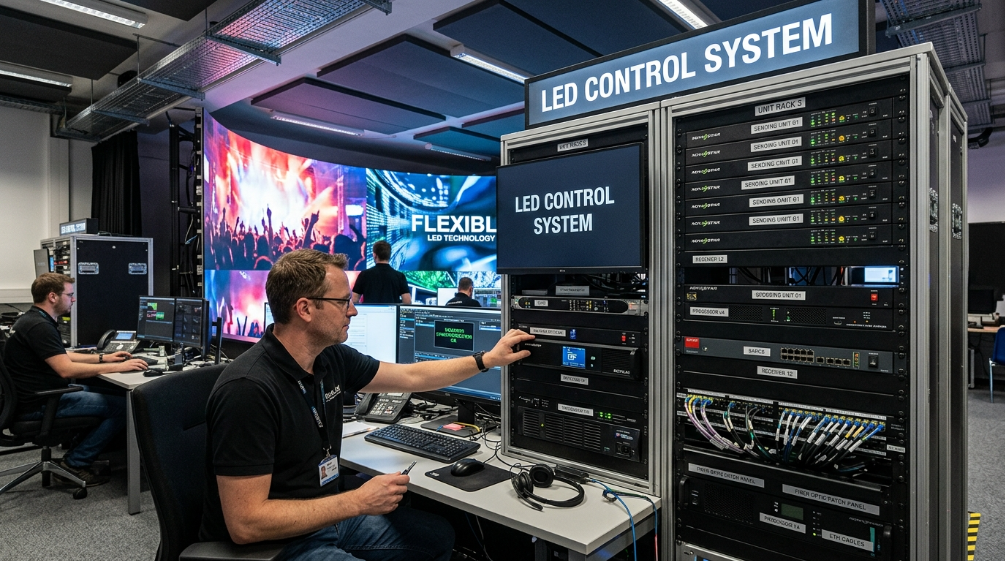
A flexible LED wall’s picture quality and reliability depend as much on its control system as on the panel itself. Two components matter here:
- Receiving cards, mounted inside or behind the module, translate the video signal into pixel-level instructions. Industry-standard brands include Novastar and Brompton Technology, with Novastar generally favored for cost-effective commercial installs and Brompton for color-critical broadcast and high-end architectural work.
- Sending cards / processors, which handle signal distribution, color calibration, and multi-screen synchronization across curved geometries.
When comparing quotes, always confirm which control system brand is included — this single line item can shift a quote by 10–20% and directly affects long-term firmware support and image calibration quality.
Choosing the Right Pixel Pitch: The Viewing Distance Rule
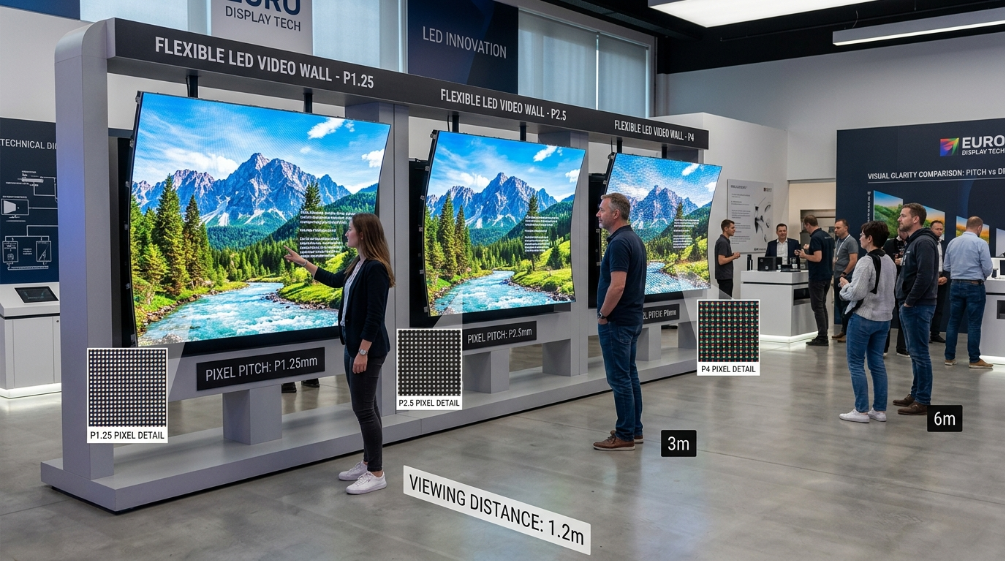
A simple industry rule of thumb helps buyers avoid overpaying for resolution they don’t need: minimum comfortable viewing distance in meters ≈ pixel pitch in millimeters. A P2.5 flexible screen looks sharp from about 2.5 meters and beyond; a P1.25 screen is appropriate for viewers standing within a meter. Specifying a finer pixel pitch than your viewing distance requires only inflates cost without adding perceptible clarity — this is one of the most common (and expensive) mistakes in flexible LED procurement.
Project Case: Flexible LED Panels in Sports Venue Screen Upgrade
Project Overview: A sports arena upgraded its existing rigid LED screens to flexible panels to improve audience experience and accommodate the venue’s curved architecture.
Requirements and Challenges:
- Adaptation to irregular curved bowl geometry
- High brightness and clarity under variable stadium lighting
- Durability under long-term, high-frequency content changes
Why Flexible LED Panels Were Selected:
- Flexibility to conform to the arena’s curved walls without visible seams
- High brightness (2,500+ nits) for clear visibility across bright event lighting conditions
- Durability rated for continuous long-term operation with minimal maintenance downtime
Results: The flexible LED panels were installed on the arena’s curved surfaces with consistent image uniformity from every viewing angle. The magnetic module design also meant that individual tile replacements could be performed without taking the full display offline — a critical requirement for a venue with a packed event calendar.
7 Buying Guides for Flexible LED Panels
1. Define Your Application and Curve Geometry Before requesting quotes, clarify your display’s purpose, physical dimensions, and — critically for flexible panels — the minimum bend radius your design requires. This determines whether a 240×120mm or 320×160mm module is appropriate, since smaller modules generally accommodate tighter curves.
2. Understand Pixel Pitch and Price Tiers Match pixel pitch to actual viewing distance using the rule above, rather than defaulting to the finest pitch available. This is the single largest lever for controlling your $/m² budget.
3. Verify Brightness and Protection Rating for the Environment Confirm nits (cd/m²) output and IP rating against where the screen will actually be installed — indoor (IP20), semi-outdoor/GOB-protected (IP65), or fully exposed outdoor (IP65/IP66 with enhanced brightness). Installing a standard indoor flex panel outdoors is one of the most common and costly specification errors.
4. Confirm the Control System Ask specifically which receiving card and sending card brand (e.g., Novastar, Brompton) is included in the quote, and whether the control system supports the curved/irregular canvas mapping your project requires.
5. Request Quality Documentation and Sample Testing High-quality flexible LED panels should come with documented burn-in test reports, LED chip brand disclosure (e.g., Nationstar, MBI, Kinglight), and a warranty period — typically 2–3 years for commercial-grade product.
6. Clarify After-Sales Support Ensure your supplier provides responsive technical support, spare module availability, and firmware updates. Given the magnetic modular design, confirm spare parts are readily stocked, not custom-manufactured on demand.
7. Budget for the Full System, Not Just the Panel This is the step most buyers underestimate. A flexible LED wall’s landed cost typically includes several line items beyond the raw panel price:
- Custom-rolled steel or aluminum curve structure
- Receiving/sending cards and control system
- Magnetic suction installation framework
- Structural load assessment and reinforcement (particularly for ceiling-suspended designs, given ~0.25kg per module)
- Climate-controlled freight for shipments over 10m², which can add $8–$12/m² in logistics costs alone
Ignoring these can push your real project cost 20–50% above the quoted panel price — budget accordingly from the outset.
Price List of Flexible LED Panels (2026 Reference)
Flexible LED panel prices are influenced by pixel pitch, brightness, protection rating (IP20 vs. IP65/GOB), module size, and control system. Below is a simplified reference table using industry-standard $/m² pricing — actual quotes will vary by supplier, order volume, and region.
| Pixel Pitch | Module Size | Brightness (nits) | Protection | Price (USD/m²) |
|---|---|---|---|---|
| P1.25 | 240×120mm | 600–800 | IP20 (indoor) | $5,000 – $6,000+ |
| P1.8 | 320×160mm | 800–1,000 | IP20 (indoor) | $3,500 – $4,500 |
| P2.5 | 320×160mm | 1,000–1,500 | IP20 / IP65 (GOB) | $2,000 – $3,000 |
| P4 | 320×160mm | 1,500–2,500 | IP65 (GOB) | $1,200 – $1,800 |
| P6.6–P8 | 320×160mm | 2,500–5,000 | IP65 (outdoor) | $800 – $1,300 |
Note: This table reflects standard B2B volume-order pricing per square meter for the panel/module only. Structural framing, control systems, and installation are quoted separately — see Guide #7 above for a full cost breakdown.
FAQ: Flexible LED Panel Prices and Sizing
What size are flexible LED panels?
Standard flexible LED modules measure 320×160mm, 240×120mm, or 250×250mm, tiled together to build a full display. The module size you choose affects the minimum curve radius your design can achieve.
How much does a flexible LED screen cost per square meter?
Commercial flexible LED screens generally range from $800 to $4,500+ per square meter, with pixel pitch as the primary cost driver — finer pitches (P1.25–P2) cost significantly more than large-pitch models (P6–P8).
Are flexible LED panels suitable for outdoor use?
Standard flexible LED panels are IP20-rated and designed for indoor use. With a GOB (Glue on Board) upgrade, protection increases to approximately IP65, suitable for semi-outdoor or covered environments. Fully exposed outdoor installations should use dedicated outdoor-rated flexible modules with IP65/IP66 protection and higher brightness output.
What control systems work with flexible LED panels?
Industry-standard receiving and sending card systems from Novastar and Brompton Technology are the most widely used for flexible and curved LED installations, with Brompton typically preferred for color-critical applications.
Actionable Advice for Procurement Decision-Makers
If you’re specifying a flexible LED wall for an upcoming project, use this checklist before requesting final quotes:
- Lock in your curve geometry first. Your minimum bend radius determines which module size (240×120mm vs. 320×160mm) is even viable — decide this before comparing pixel pitch or price.
- Right-size your pixel pitch to viewing distance, not to the finest option available — this is the fastest way to cut 20-30% from your budget without sacrificing perceived image quality.
- Match IP rating to installation environment explicitly in your RFQ. Don’t let “indoor/outdoor” be ambiguous — specify IP20, IP65 (GOB), or IP65/IP66 outdoor by name.
- Ask every supplier to name their control system brand (Novastar/Brompton) in writing, and confirm it supports your curved canvas mapping.
- Request an itemized quote that separates panel cost, structural framing, control system, and installation — a single bundled “$X per square meter” figure often hides the true cost of the steel structure and control hardware.
- Factor in structural load early, especially for ceiling or suspended designs — even at ~0.25kg per module, large-format flexible walls add up quickly and may require engineering sign-off.
Whether it’s a curved retail column, a stadium bowl, or a wave-form ceiling installation, understanding these technical and pricing fundamentals — not just “it can bend” — is what separates a flexible LED project that performs for a decade from one that becomes a maintenance liability within a year.
References:
IEC 62717: LED modules for general lighting — Performance requirements
Display Image Size for 2D Content in Audiovisual Systems