In the 2026 commercial display market, the average budget for an interactive LED floor screen typically ranges from $1,800 to $4,200 per square meter. However, focusing only on the unit price is often the first step toward a budget overrun.
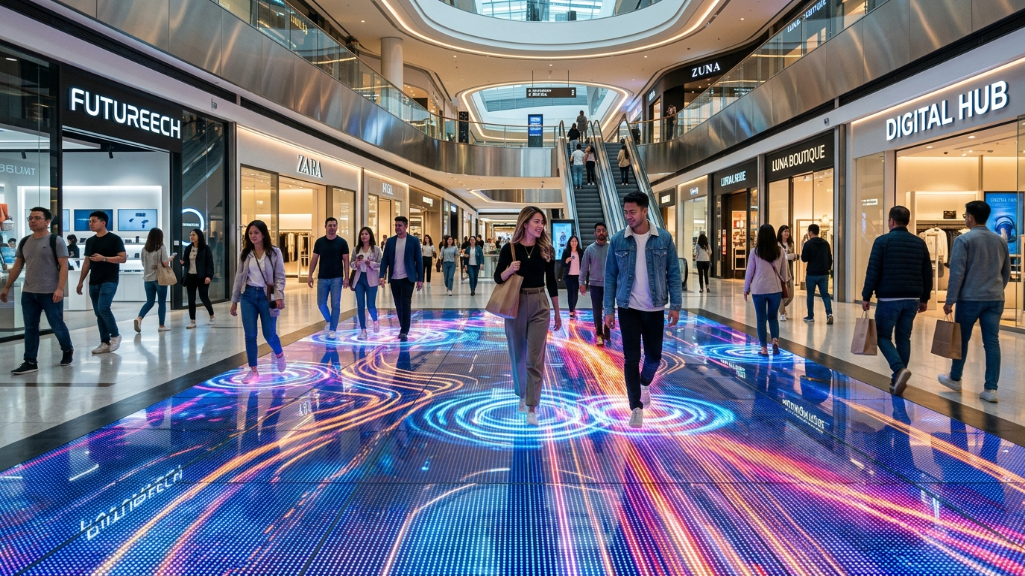
To help you clearly understand the full cost structure before making a purchasing decision, we’ve summarized the typical price ranges below:
| Specification Type | Pixel Pitch | Core Technology | Estimated Price (USD/sqm) | Best Application Scenarios |
|---|---|---|---|---|
| Entry-Level / Standard | P3.9 – P4.8 | Infrared (IR) sensing | $1,500 – $2,200 | Weddings, small exhibition halls |
| Mainstream Professional | P2.6 – P2.9 | Pressure sensing / built-in chips | $2,500 – $3,500 | Retail flagship stores, immersive restaurants |
| Extreme Performance | P1.9 – P2.5 | Dual sensing (pressure + IR) / GOB | $3,800 – $5,000+ | XR virtual studios, esports events |
For procurement managers in entertainment companies or engineers in manufacturing projects, the real headache is rarely the initial quote. The real issue is the “hidden costs”—sensor delays, dead LEDs caused by load deformation, and expensive long-term maintenance.
With 14 years of experience in the LED industry, Sostron operates a 15,000 m² smart manufacturing base and a 4,000 m² R&D center. From our experience, the truly expensive part isn’t the screen itself—it’s the downtime when the screen fails.
As a national high-tech enterprise, we’ll break down the pricing logic behind interactive LED floor screens in 2026 from a professional manufacturing perspective.
The Real Cost Range: How Much Does an Interactive Floor LED Screen Cost?
During the quotation stage, many buyers fall into what we call the “quote comparison trap.”
In reality, the price of an interactive LED floor screen is not a fixed number—it represents an investment ratio between stability and interaction accuracy.
Why Can Price Differences Reach 200%?
Based on our monitoring of the global LED supply chain from 2024–2026, fluctuations in raw materials—such as aluminum, chips, and PCB packaging—account for only about 30% of the price difference.
The remaining 70% is determined by manufacturing standards and engineering processes.
Hardware Base Cost
Includes:
-
LED lamp beads
-
Driver ICs
-
Power supplies
-
Die-cast aluminum cabinets
Interaction Technology Premium
External infrared frame systems cost about 15% less than screens with built-in sensing chips.
However, they also come with drawbacks:
-
Lower sensing accuracy
-
More complicated installation
-
Limited multi-touch capabilities
Protection Solution Cost
The difference between a standard protective mask and a GOB (Glue on Board) encapsulated screen is significant.
While GOB increases the cost by 10%–15%, it dramatically improves:
-
Moisture resistance
-
Wear resistance
-
Dead-pixel prevention
Over a three-year lifecycle, GOB technology can reduce Total Cost of Ownership (TCO) by up to 40%.
Sostron Industry Insight
Based on our experience across 500+ global projects, we found that 85% of engineering repairs occur because buyers initially chose non-aluminum cabinet structures to save about 15% on the unit price.
At Sostron’s 15,000 m² production base, every floor LED screen undergoes a 2,000 kg/m² extreme load-bearing test.
This level of quality assurance is something low-cost export factories simply cannot provide.
Five Critical Factors That Dictate the Price Tag
To understand why the Hima All-Purpose Rental Series commands a premium price in XR stage environments, we need to examine five major cost drivers.
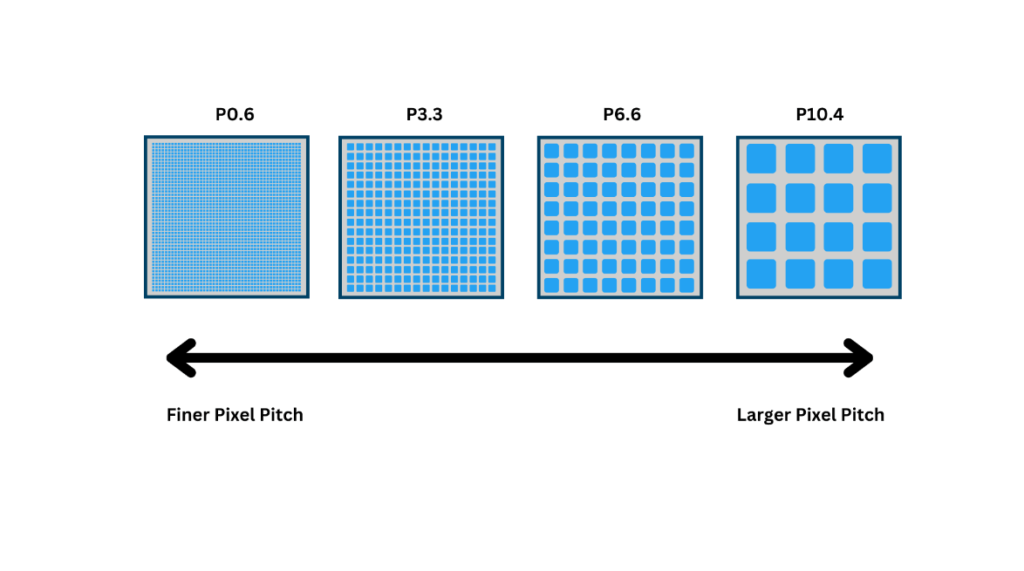
Pixel Pitch (P2.6 vs P4.8)
Pixel pitch determines visual resolution.
-
P4.8 / P3.9
Primarily used in stage rental environments where audiences view the screen from a distance.
Offers the best price-to-performance ratio. -
P2.6 / P2.9
The mainstream choice in 2026, balancing high-definition visuals with responsive interaction. -
Below P1.9
Considered a premium configuration, mainly used for virtual production (XR studios) where cameras capture the screen at close range.
Interaction Technology: Pressure vs. Infrared Sensors
Interaction technology is often the key price differentiator.
Infrared Sensing
-
Detects obstruction using IR frames around the screen
-
Cannot accurately detect multi-touch
-
Sensitive to environmental lighting interference
Built-in Sensor Chips
Each module includes internal sensing points.
According to 2026 industry data, response times can drop below 20 ms, supporting unlimited multi-touch interaction.
While slightly more expensive, this technology forms the foundation of immersive interactive experiences.
Protection and Durability (IP Rating & Encapsulation)
Floor LED screens must withstand foot traffic, sweat, and spilled drinks.
Key protection elements include:
-
IP65–IP68 protection levels
-
Dual-sided waterproof potting technology
Sostron floor screens use double-sided sealing to ensure durability.
Protective Surface Technology
High-polymer anti-slip masks must provide:
-
Scratch resistance
-
Anti-glare performance
-
Long-term wear durability
Refresh Rate and Driver IC
For applications like TV broadcasting or XR recording, a 7680 Hz refresh rate is essential.
Achieving this requires high-end driver ICs, such as advanced chipsets from leading manufacturers.
This increases the cost of each module by approximately $50–$120.
Load-Bearing Structure (All-Aluminum vs. Steel)
The structural frame of a floor screen is critical.
-
All-aluminum cabinets (used in products like the ARES series) provide better heat dissipation and deformation resistance.
-
Steel cabinets are cheaper but can rust or deform under long-term pressure, especially in humid environments.
This deformation often causes uneven module alignment, leading to display issues.
The “Hidden Costs” Most Suppliers Won’t Tell You
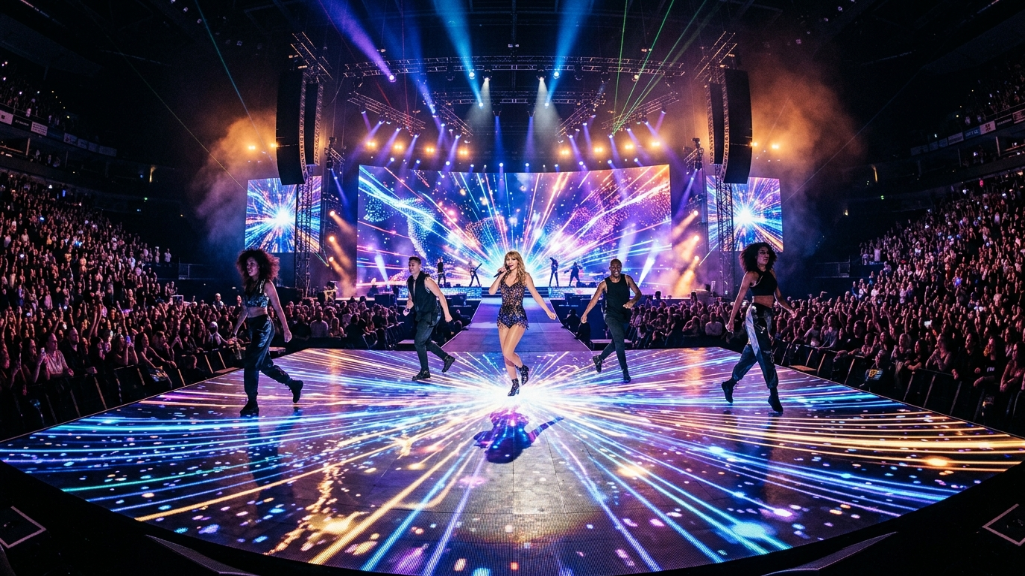
In 2026 LED procurement, experienced buyers no longer focus solely on price per square meter.
If your budget only accounts for the LED screen itself, the final project cost could exceed expectations by 30%–50%.
Below is the hidden cost checklist we’ve compiled from 14 years of industry experience.
| Cost Item | Percentage (Relative to Screen Cost) | Why It Matters |
|---|---|---|
| Video processor & sending box | 5% – 8% | Interactive floor screens require high refresh rates and real-time sensing data processing to avoid image tearing |
| Steel structure & leveling supports | 10% – 15% | Floor screens require extremely flat surfaces; adjustable rail systems ensure even load distribution |
| Interactive software license | 3% – 7% | Effects such as interactive flowers or motion tracking rely on algorithm libraries |
| Logistics & packaging (flight cases) | 5% – 10% | Floor screens are heavier than standard displays; strong flight cases reduce damage during long-distance shipping |
| Customs clearance & local tariffs | Varies by country | Trade regulations fluctuate globally; procurement contracts should clearly define DDP or CIF terms |
Based on our experience with large-scale installations, we recommend reserving 10% of the total budget as a contingency fund, particularly for on-site floor reinforcement or infrastructure adjustments.
Why Sostron’s Factory Direct Pricing Offers Better ROI
As a national high-tech enterprise with a 15,000 m² manufacturing base, Sostron is far more than a simple assembly factory.
In the 2026 market, our pricing advantage comes from eliminating unnecessary R&D markups.
Technology Benefits from a 4,000 m² R&D Center
Many smaller manufacturers purchase interaction algorithms and control systems from third-party vendors.
Sostron’s independent R&D center allows us to optimize sensor responsiveness directly at the system level.
For customers, this reduces technology intermediary costs by 10%–15%.
Material Negotiation Power Through Scale
We ship over 100,000 m² of LED displays annually.
This scale gives us strong purchasing leverage with upstream suppliers of:
-
LED chips
-
Driver ICs
-
aluminum cabinet materials
Whether using the ARES 2 energy-saving common-cathode design or the Hima series die-cast aluminum cabinets, these savings are passed directly to procurement managers and global distributors.
Lower Maintenance Costs (Lower TCO)
According to 2025 market research reports, maintenance expenses for LED displays often increase significantly after three years of operation.
Sostron floor screens utilize GOB encapsulation technology, which provides:
-
Impact resistance
-
Anti-slip protection
-
Dead pixel rates below 0.0003%
Real-world data from 14 years of market validation shows that investing 10% more upfront can reduce maintenance labor costs by up to 50% later.
Product Spotlight and Case Study: The Power of Integration
To better understand the relationship between price and performance, let’s examine a real-world project from late 2025.
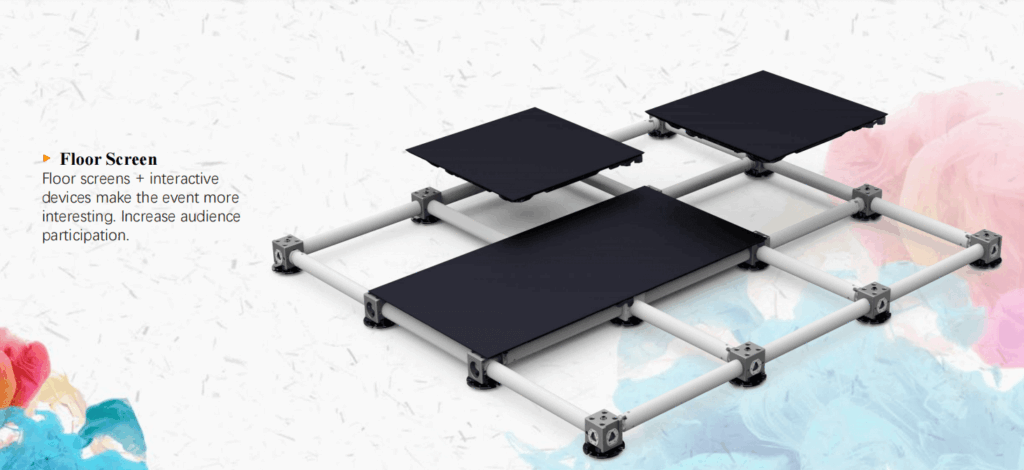
Product Recommendation: Hima Series (All-in-One Rental Solution)
Key Advantage
Designed for XR virtual production and premium interactive stages, the Hima Series is a versatile all-in-one solution.
It can function as:
-
A P2.5 HD floor screen
-
A vertical LED wall
-
A 90° corner display structure
Interaction Performance
-
Refresh rate: 7680 Hz
-
Response time: < 20 ms
Even during high-speed movement, the screen responds instantly and accurately.
How to Choose Based on Your Role (Buying Strategy)
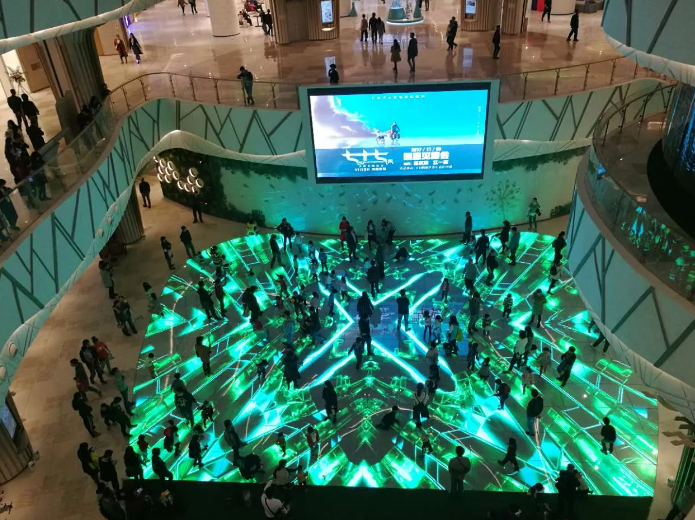
Different decision-makers should evaluate different price metrics.
For Entertainment Company Procurement Managers
Focus:
-
Fast installation
-
Product versatility
Recommendation:
Choose solutions like the Hima or Carbon Pro series, which feature quick-lock systems and lightweight cabinets.
While the upfront price may be slightly higher, the savings in labor and logistics costs are substantial.
For Manufacturing Engineers
Focus:
-
Load-bearing capacity
-
IP protection rating
-
Heat dissipation
Recommendation:
Consider the Storm Pro or ARES series.
Pay close attention to:
-
All-aluminum cabinet structures
-
Dual waterproof sealing technology
These features ensure long-term stable operation in industrial or outdoor high-brightness environments.
For Distributors or Export Factory Owners
Focus:
-
Certifications
-
Supply capacity
Recommendation:
Evaluate manufacturers with large-scale production facilities, such as 15,000 m² factories, to ensure stable delivery schedules.
Make sure the supplier provides complete certifications, including:
-
CE
-
ETL
-
FCC
This prevents products from being held at customs, which can become the most expensive hidden cost.
FAQ: Interactive Floor LED Screen Price and Maintenance
Q1: What is the typical lifespan of an interactive LED floor screen?
Sostron floor screens are designed for a lifespan of 100,000 hours.
With GOB encapsulation and periodic calibration, brightness can still remain above 70% after 6–8 years of use.
Q2: Can the screen be cleaned with water?
Yes.
The ARES and Storm series feature IP65–IP68 dual-side waterproof protection.
Cleaning with a damp cloth or low-pressure water is safe, provided the cable connections remain properly sealed.
Q3: Does maintenance require removing the entire floor?
No.
Sostron screens support full front maintenance.
Using a vacuum suction tool, a technician can replace a damaged module within 30 seconds, without affecting surrounding screens.
Conclusion
In 2026, the interactive floor LED screen price is no longer a vague number.
Instead, it represents a system-level investment involving materials science, interactive algorithms, and long-term operational costs.
Choosing Sostron means you’re not just purchasing a screen—you’re investing in 14 years of manufacturing expertise and a 4,000 m² R&D foundation that ensures reliability and peace of mind.
If you are currently planning a project or preparing a procurement budget, contact our engineering experts to receive a one-on-one customized quotation and technical solution.
References:
IEC 62368-1: Audio/video and ICT equipment safety standard
International Committee for Display Metrology (ICDM)