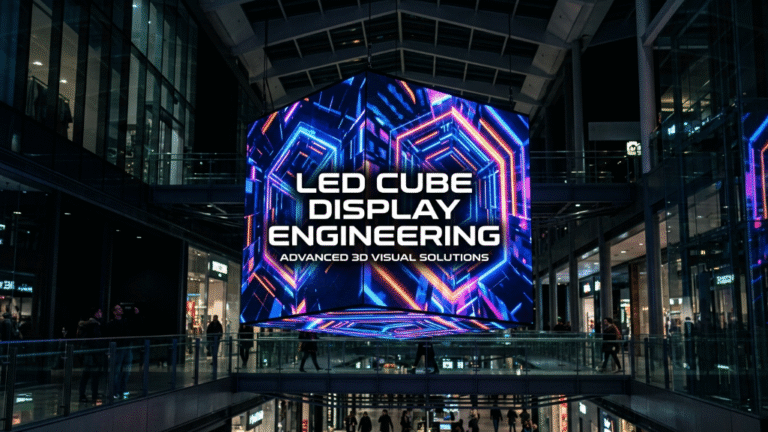
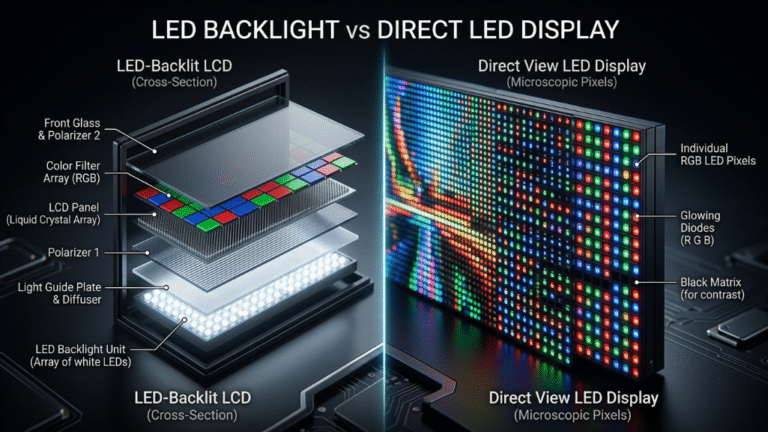
In the 2026 global DOOH (Digital Out-of-Home) market, the typical FOB purchase price for a high-quality double-sided outdoor LED sign ranges from $1,500 to $5,500 per square meter. This wide price range isn’t just about screen size—it’s heavily influenced by deeper technical factors such as pixel pitch, LED packaging technology, and thermal management design.
For global B2B buyers, evaluating this investment shouldn’t stop at the unit price on a quote sheet. What really matters is the cost per impression.
Based on our 15+ years of experience delivering display solutions for over 500 logistics hubs and commercial complexes worldwide, more than 30% of first-time buyers fall into the “low-price trap.” They end up choosing underperforming displays that are unreadable in bright sunlight or suffer massive pixel failures after just 18 months due to poor heat dissipation.
In B2B engineering projects, a lower upfront price often leads to much higher long-term maintenance costs. This guide breaks down every key technical factor from an engineer’s perspective to help you make the most ROI-driven decision.
Core Technology Explained: How Double-Sided Outdoor LED Screens Work
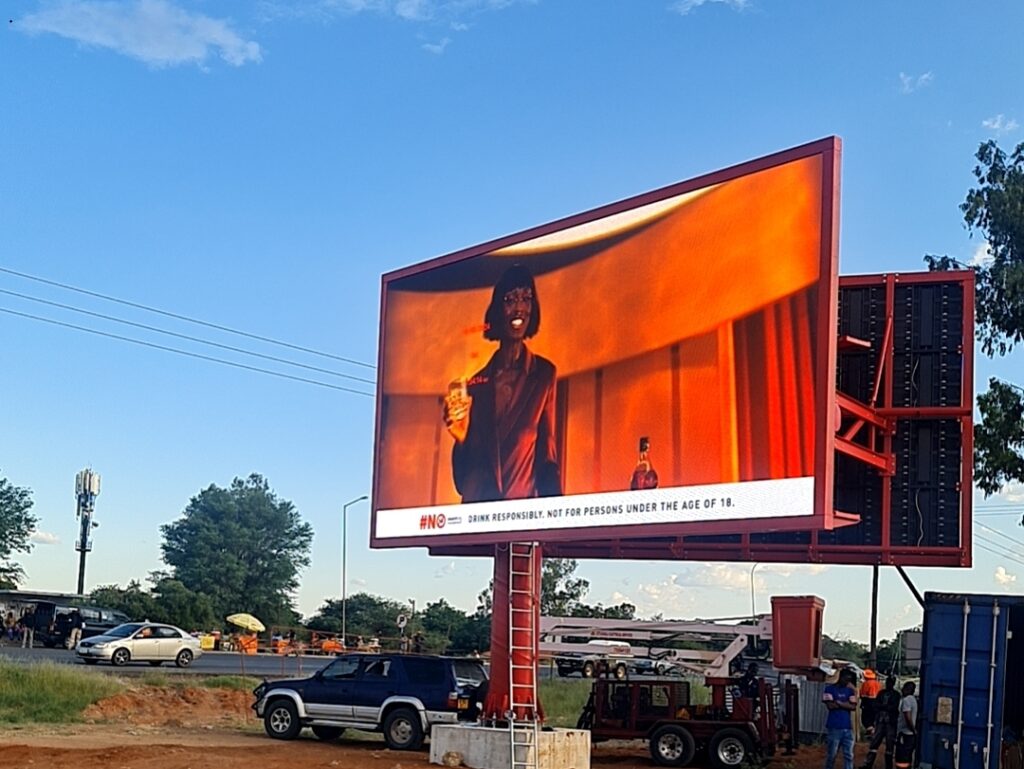
From an engineering standpoint, a double-sided LED screen is far more than “two single-sided screens stuck back-to-back.” It’s a highly integrated visual communication system. Provide you with a detailed explanation of the structure of outdoor double-sided LED screens.
Why Choose a Double-Sided Design? (Traffic Logic)
The core value lies in double-sided coverage.
Whether installed on highway poles, gas station entrances, or busy pedestrian streets, double-sided displays capture audiences from two opposite directions simultaneously. That means:
-
One rental cost
-
One steel structure installation
-
Double the impressions
Simple math. Powerful ROI.
Core Structure and Working Principle
Double-sided screens use a “sandwich” structure:
-
Center: Reinforced steel structure or aluminum frame
-
Both sides: LED modules
Synchronized Control System
Professional systems typically use controllers like Novastar or Colorlight, supporting:
-
Synchronous display (same content on both sides)
-
Asynchronous display (different ads on each side)
This depends on the control card capacity and sender box configuration.
Shared Power & Cooling System
To optimize space and cost:
-
A centralized power distribution box is used
-
Requires high-efficiency power supplies with overload protection
5 Key Factors That Determine the Price
In the LED industry, you get what you pay for. These five factors directly impact your final contract price.
① Pixel Pitch: The Trade-Off Between Clarity and Cost
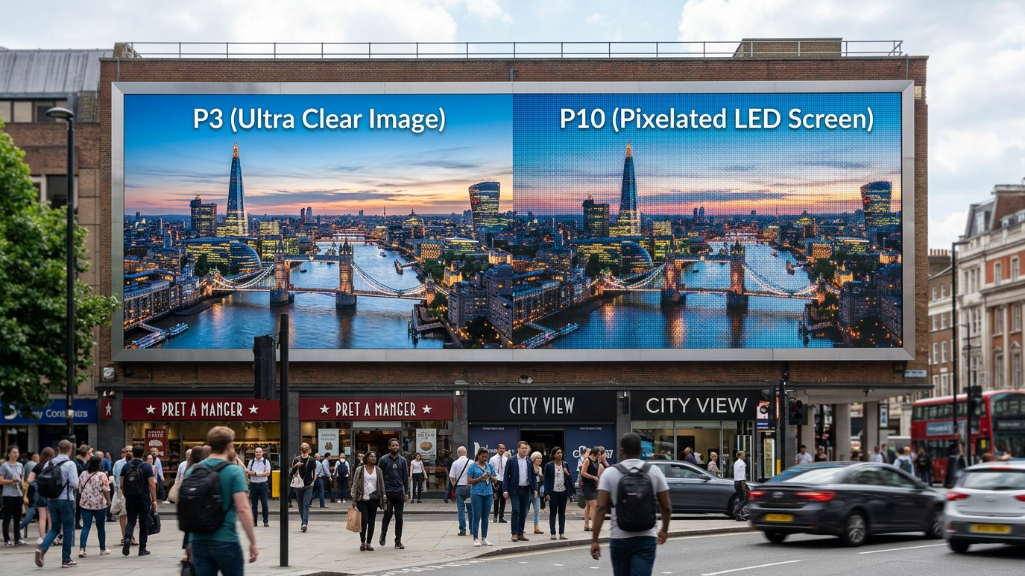
Pixel pitch (P3, P4, P5, P10) defines the distance between LED pixels.
| Pixel Pitch | Application | Cost Level |
|---|---|---|
| P3 / P4 | Close viewing (3–5m retail) | Highest |
| P6 / P8 / P10 | Mainstream outdoor DOOH | Balanced |
| P8 / P10 | Long-distance billboards | Most cost-effective |
Commercial Insight:
Choosing the right pitch can save 20%–40% in procurement costs while ensuring optimal viewing quality.
② Brightness (Nits): The Cost of Beating Sunlight
Outdoor screens must be extremely bright to remain visible in direct sunlight.
| Brightness | Level |
|---|---|
| 5,000–6,000 nits | Basic outdoor standard |
| 8,000–10,000 nits | Premium high brightness |
Achieving ultra-high brightness requires:
-
Large-chip gold wire LEDs
-
High-refresh driver ICs
Yes, it costs more—but it ensures your screen stands out even at noon.
③ Cabinet Material & IP Rating
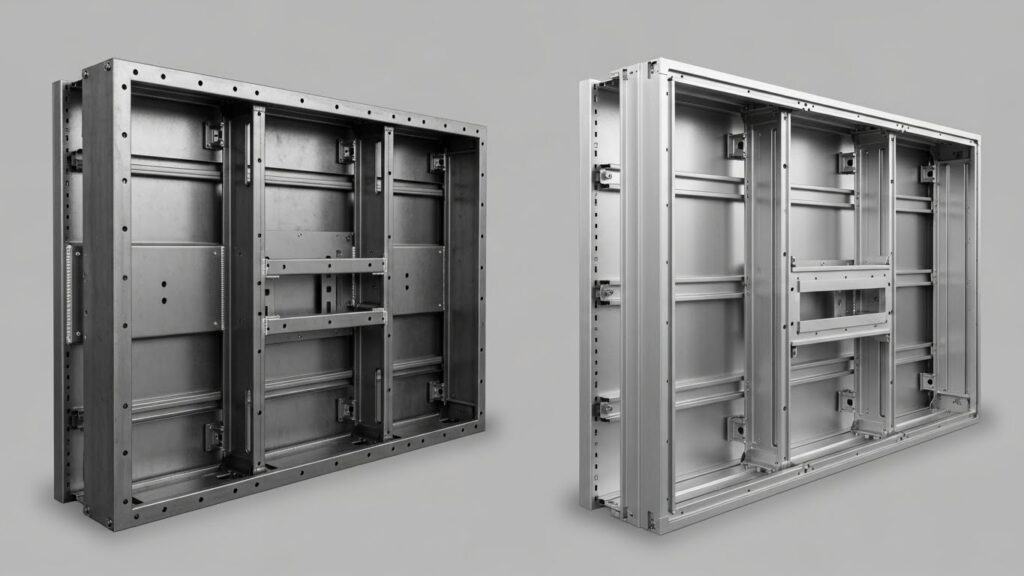
Right: die-cast aluminum LED display cabinet
| Material | Pros | Cons |
|---|---|---|
| Iron Cabinet | Low cost | Heavy, prone to rust |
| Die-cast Aluminum | Lightweight, excellent heat dissipation | 15–25% higher cost |
For double-sided pole installations, lighter cabinets reduce:
-
Structural load
-
Installation risk
Protection Rating:
Minimum IP65 or IP67 is mandatory for outdoor durability.
④ Maintenance Method: Front vs Rear Access
| Type | Cost | Space Requirement | Maintenance Cost |
|---|---|---|---|
| Rear Service | Lower | 60–80cm rear space | Higher |
| Front Service | +10% cost | No rear space needed | Lower |
Front service systems use magnetic or hydraulic designs, allowing module replacement from the front.
⑤ Core Component Brands
-
LED Chips: Domestic vs premium brands (e.g., Cree, Nichia)
-
Power Supply: Meanwell vs generic
Using Meanwell power supplies reduces failure rates by up to 80%, critical for 24/7 operations.
2026 Market Price Estimates
Below is a reference pricing table based on the Shenzhen export market:
| Pixel Pitch | Brightness | Cabinet | Price (USD/sqm) | Best Use Case |
|---|---|---|---|---|
| P3.91 High-End | 5,500+ | Die-cast Aluminum (Front Service) | $3,500–$5,500 | Retail districts, flagship stores |
| P5 / P6 Balance | 6,500+ | Aluminum / Light Iron | $2,200–$3,800 | Gas stations, chain stores |
| P8 / P10 Classic | 8,000+ | Steel / Aluminum | $1,500–$2,800 | Highways, large billboards |
Pro Tip:
Screen cost is only part of the budget. Add 15%–25% extra for:
-
Shipping
-
Import duties
-
Control systems
-
Steel structure installation
Real Cost Insight
For a 4m × 3m P6 double-sided project:
-
Initial purchase ≈ 60% of total lifecycle cost
-
Remaining cost = installation + electricity (5 years)
Always compare:
-
Energy efficiency
-
Typical power consumption
Not just price per square meter.
Buyer’s Guide: Avoiding Low-Price Traps
Low quotes in international trade often mean hidden downgrades.
① 3 Red Flags of Low-Quality Screens
Low Refresh Rate (<1920Hz)
-
Causes flickering in smartphone videos
-
Reduces advertiser appeal
-
Recommendation: 3840Hz minimum
Poor White Balance & Color Uniformity
-
Mixed LED batches → uneven aging
-
Leads to visible color patches
-
Always request full-color test videos
Weak Heat Dissipation
-
No fans or industrial cooling
-
Leads to dead pixels in hot climates
-
Critical for regions like the Middle East or Texas
② Strategic Decision: Front vs Rear Maintenance
| Factor | Rear Service | Front Service |
|---|---|---|
| Initial Cost | Lower | +10–15% |
| Space | Requires rear access | No rear space |
| Maintenance | Slow, costly | Fast, low cost |
Recommendation:
For urban or space-limited projects, always choose front service.
It saves massive operational costs over 5–8 years.
Typical Applications & Engineering Recommendations
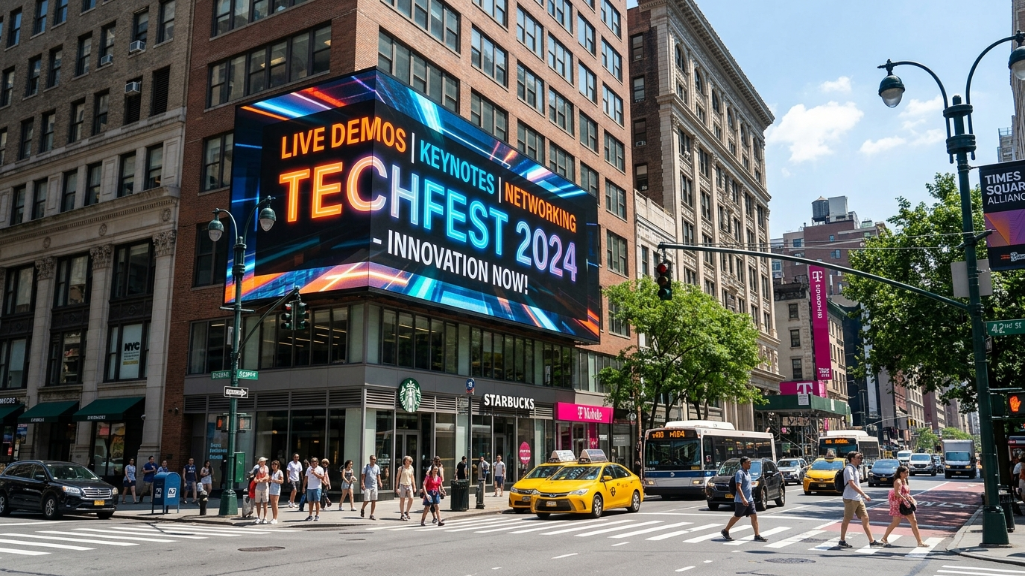
Gas Stations & Retail Streets — High Brightness + Dual Traffic
Challenges:
-
High-speed vehicles
-
Strong ambient light
Recommendations:
-
Brightness: ≥7,000 nits
-
Viewing angle: 140°/160° wide-angle LEDs
-
System: Asynchronous control (e.g., Novastar TB series with 4G/5G)
Transportation Hubs — Stability Above All
Challenges:
-
24/7 operation
-
Minimal downtime allowed
Recommendations:
-
Dual power backup system
-
Auto-brightness sensors
Benefits:
-
20% longer LED lifespan
-
~15% annual electricity savings
FAQ
Q1: What is the lifespan of a double-sided LED screen?
A: With proper maintenance and quality components, lifespan can reach 100,000 hours (~10 years).
However, for optimal performance, a 5–7 year upgrade cycle is recommended.
Q2: Does it require double the power?
A: Not exactly.
While there are two display sides, they often share:
-
Control system
-
Power distribution
But total power consumption must still be calculated for both sides combined.
Q3: Will extreme climates affect pricing?
A: Yes.
| Environment | Additional Requirement | Cost Increase |
|---|---|---|
| Cold regions | Heating system | +8–15% |
| Hot regions | Industrial cooling | +8–15% |
Q4: Why can P6 prices vary by 2×?
Because of hidden components:
-
PCB layers (4-layer vs 2-layer)
-
UV-resistant coating
-
Cable materials (copper vs aluminum)
Expert Verdict
When comparing multiple double-sided outdoor LED sign prices, remember:
Price is simply a reflection of configuration.
For long-term DOOH revenue:
-
Invest in LED chips, driver ICs, and power supply
-
Choose top-tier brands
Even if the upfront cost is 20% higher, the lower failure rate and longer brightness retention will reduce your total cost of ownership (TCO) by year 3.
Final Recommendation
Before finalizing your project, always request:
-
A 5-year electricity cost projection
With rising energy prices in 2026, a high-efficiency LED display can pay back its premium within 3 years just through energy savings.
References:
SJ/T 11141-2017 General Specification for LED Displays
IEC 62087-3:2023 – Measurement of Power Consumption for Displays