Table of Contents
-
Why Do Two Displays with Identical Specs Have a 40% Price Gap?
-
Core Technical Parameters Explained: How Engineers Really Choose
-
Inside the Supply Chain “Black Box”: Hidden Costs That Decide Success
-
Buyer Beware: How to Audit a Factory Remotely Like a Pro
-
Frequently Asked Questions (FAQ)
-
The Sostron Solution: 14 Years of Predictable, On-Time Delivery
What Is a Commercial LED Display?
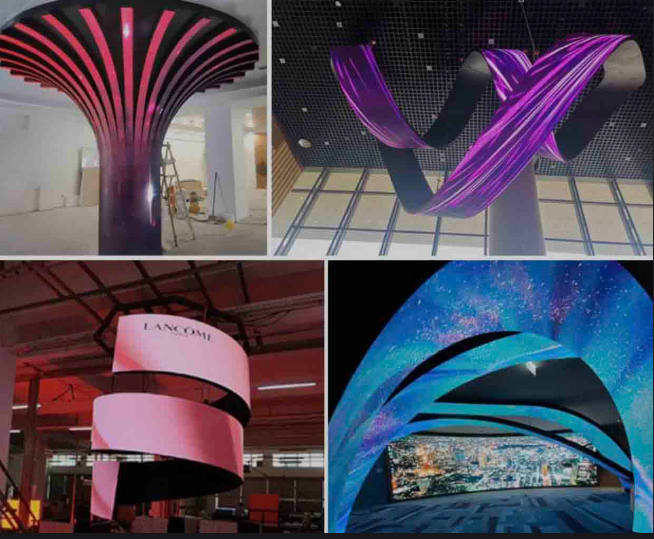
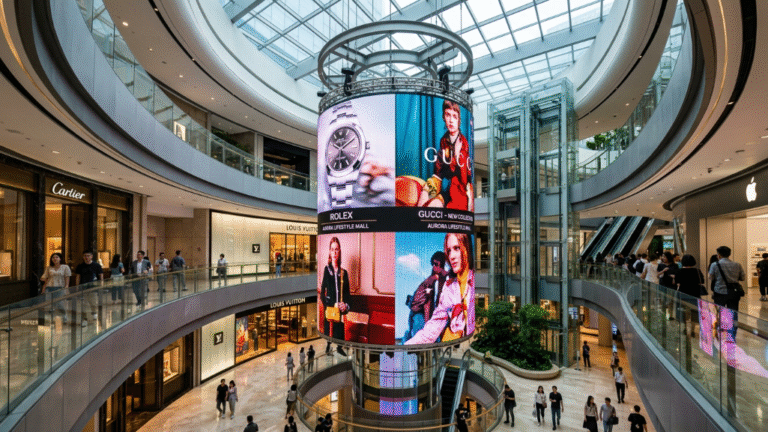
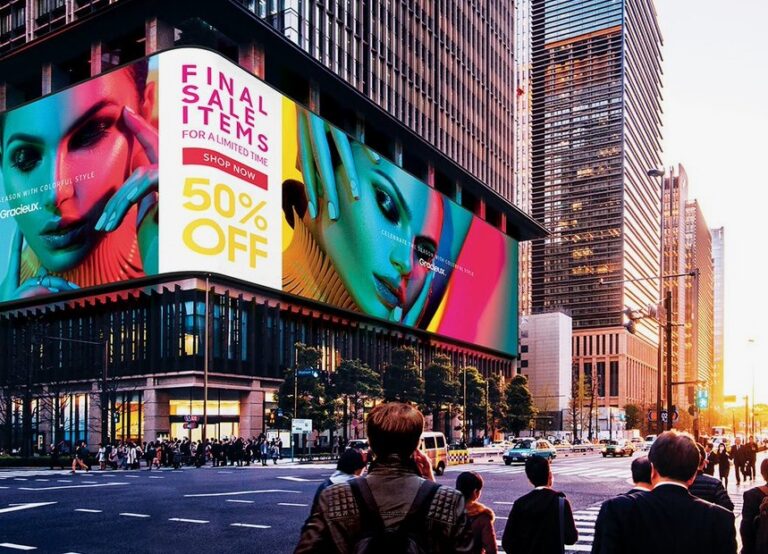
A Commercial LED Display is a modular digital visual system based on light-emitting diode (LED) technology, designed specifically for retail environments, DOOH (Digital Out-of-Home) advertising, and live events.
Compared with traditional LCD screens, LED displays offer:
-
Ultra-high brightness (typically >5,000 nits for outdoor use)
-
Seamless large-format assembly
-
Long operational lifespan (100,000+ hours)
For ROI-focused B2B buyers, the real value lies in combining common cathode energy-saving technology with high refresh rates (≥3840Hz)—cutting operating expenses (OPEX) while maximizing brand visibility and performance.
Why Can Two Displays with the Same Specs Differ in Price by 40%?
After more than 20 years working across the LED display supply chain, I’ve heard this question countless times:
“Same P3.91, same 5,000 nits—why is your screen so much more expensive than that small factory?”
The short answer: the truth is buried in the BOM (Bill of Materials).
For commercial LED displays, the real cost is not just CAPEX (purchase price)—it’s the 5-year Total Cost of Ownership (TCO).
If your display is exposed to the intense sun of southern France or used on a touring concert stage in Chile, even a minor compromise in components can trigger catastrophic black-screen failures.
This guide strips away marketing jargon and explains, from an engineering and supply-chain perspective, how to choose an LED display that actually makes money.
Core Technical Parameters Explained: An Engineer’s Selection Logic
Before talking about price, we must understand the three parameters that determine display quality and lifespan.
1. Pixel Pitch & the “Golden Viewing Distance”
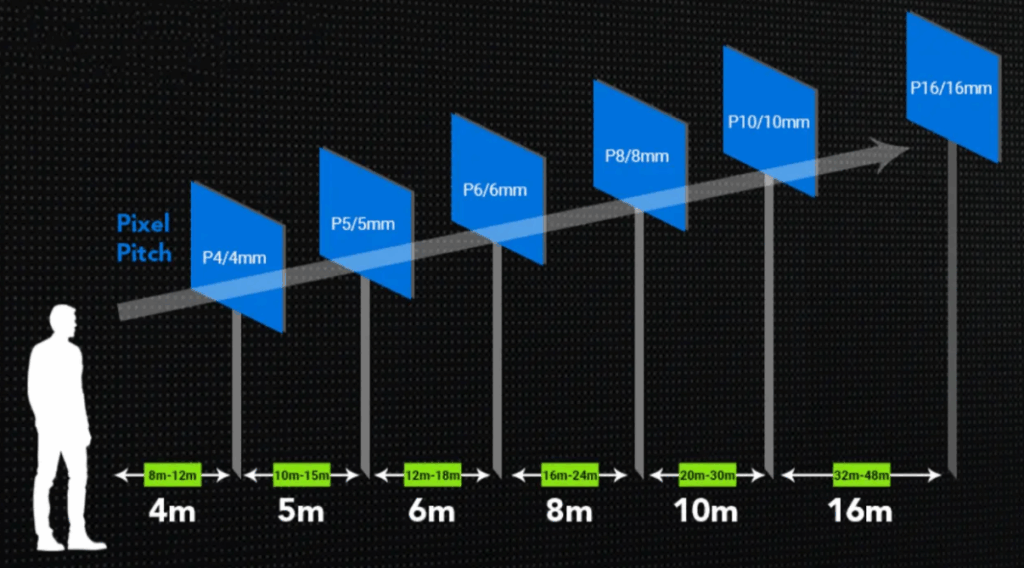
Pixel pitch (P-value) directly affects clarity and budget.
Golden rule:
Optimal viewing distance (meters) = Pixel pitch (mm) × 2.5
Common misconception:
Smaller is always better. Not true.
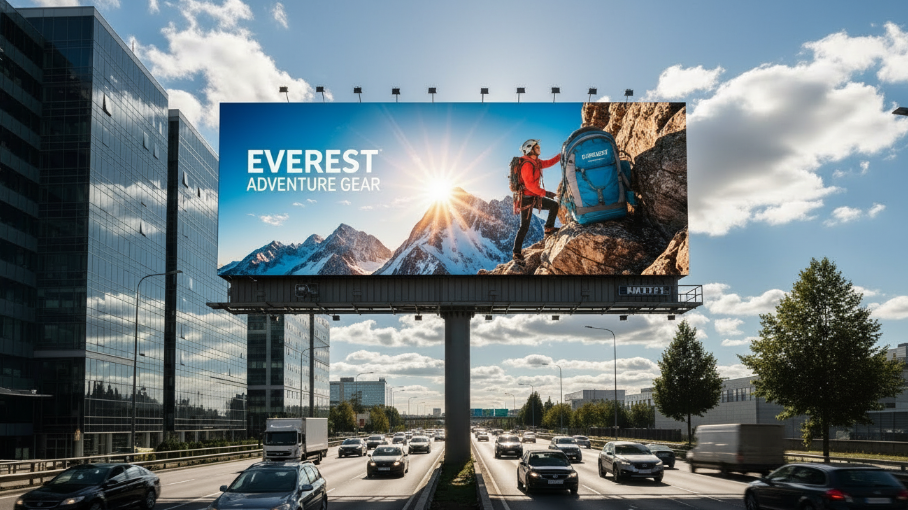
For a highway billboard, choosing P2.5 is a massive waste of budget. P5 or P8 delivers far better ROI in long-distance viewing scenarios.
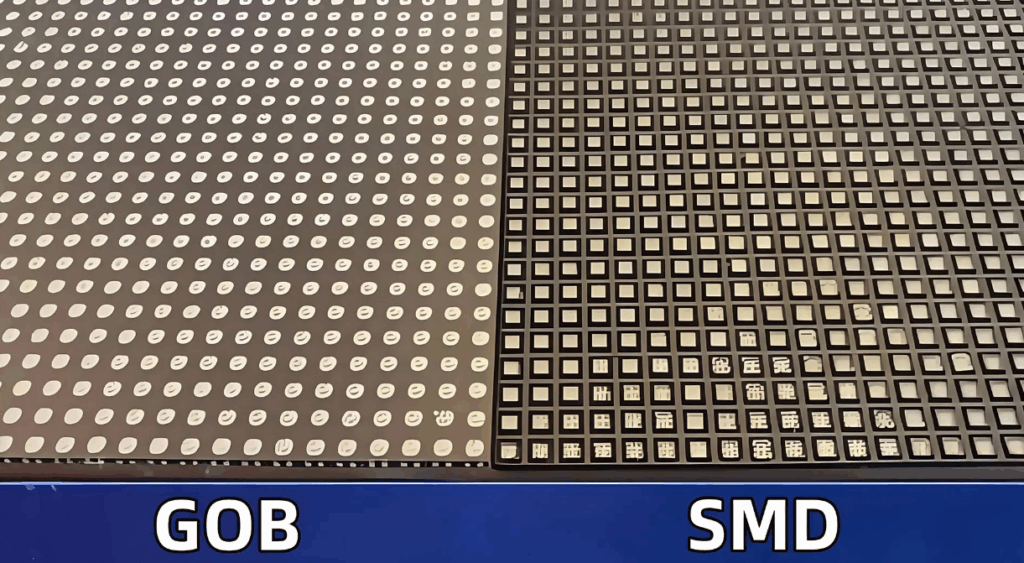
2. Packaging Technology: SMD vs. GOB vs. COB
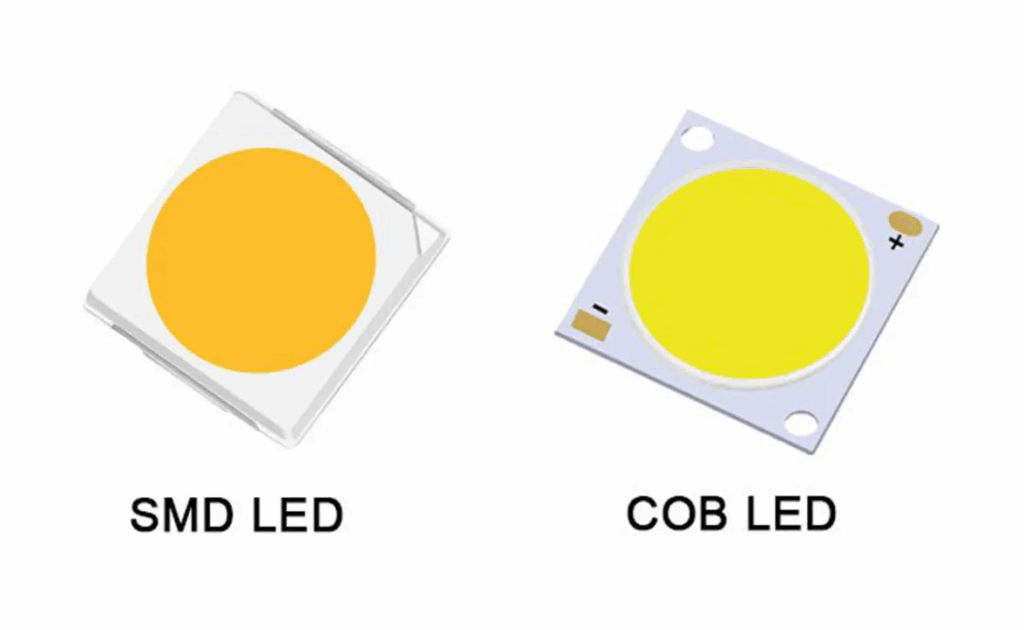
SMD (Surface Mounted Device)
The industry standard—mature, reliable, cost-effective. Ideal for most commercial advertising screens.
GOB (Glue on Board)
Preferred by rental companies. A protective resin layer is added over SMD LEDs to prevent lamp damage during transport and installation.
COB (Chip on Board)
LED chips are directly bonded to the PCB. Superior heat dissipation and a soft, eye-friendly surface. Standard for high-end meeting rooms and command centers (e.g., Reta 2 Series).
3. Refresh Rate: The Camera’s Worst Enemy
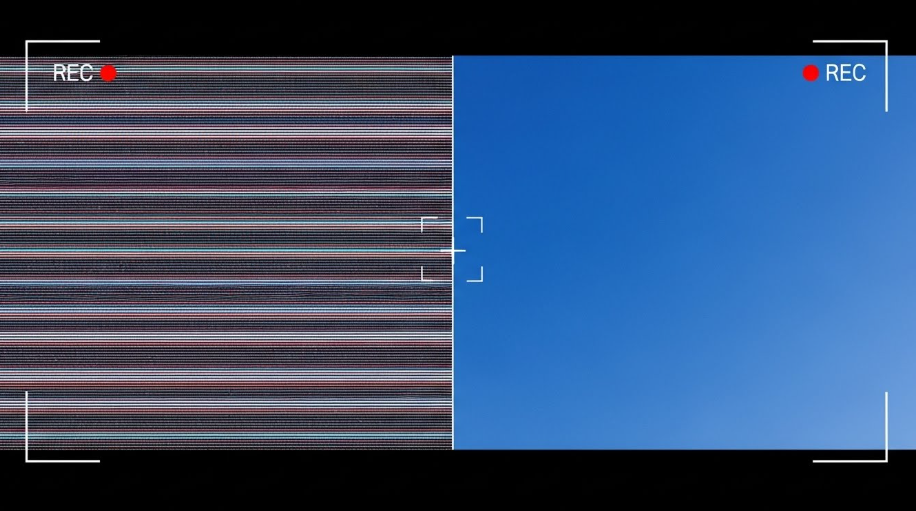
If your screen will appear on livestreams or smartphone cameras, 3840Hz is the minimum acceptable standard.
Anything lower (e.g., 1920Hz) produces visible scan lines on camera—instantly damaging brand perception.
Sostron’s Carbon Pro Series goes further, delivering 7680Hz as standard, purpose-built for XR virtual production and top-tier broadcast events.
Sostron Recommended Selection Matrix (Scenario vs. Specs)
| Application Scenario | Recommended Series | Key Specifications | Core Advantages | Budget Level |
|---|---|---|---|---|
| Outdoor Large-Scale DOOH | ARES 2 Series | P5 / P6 / P8 / P10 Brightness: 5,500–7,500 nits |
Common cathode (50% energy savings) IP65 dual-side potting, front & rear service |
⭐⭐ |
| World-Class Touring & Rental | Carbon Pro | P2.6 / P3.9 Refresh: 7,680Hz |
Carbon fiber cabinets (5 kg/unit) Fast locks, creative shapes |
⭐⭐⭐ |
| High-End Conference Rooms | Reta 2 | P1.25 / P1.5 / P2 Thickness: 30 mm |
Cableless design HDR, high grayscale |
⭐⭐⭐⭐⭐ |
| Commercial Plazas & Transit Hubs | Storm Pro | P4 / P5 / P6 Brightness: 6,000 nits |
Die-cast aluminum, fanless silent design High heat & humidity resistance |
⭐⭐⭐ |
Inside the Supply Chain “Black Box”: Hidden Costs That Matter
Here’s what most suppliers won’t tell you.
1. LED Wire Bonding: Gold Wire vs. Copper Wire
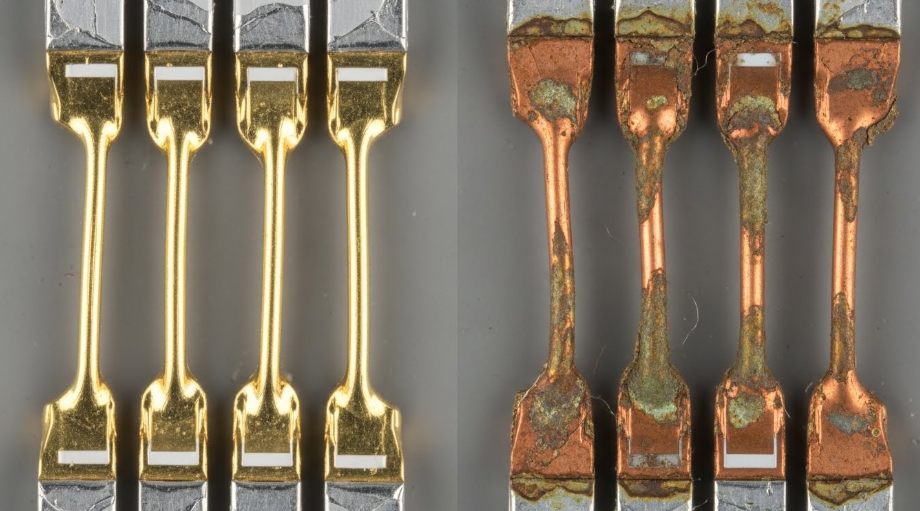
For coastal and high-salinity environments (e.g., Dubai, Florida), Sostron insists on gold wire bonding in the ARES 2 outdoor series.
-
Copper wire: Cheaper, but oxidizes easily in humid, salty air—leading to dead pixels.
-
Gold wire: 10× higher oxidation resistance and extreme chemical stability.
Bottom line: Cutting this cost near the ocean is a ticking time bomb that usually explodes in year two.
2. Power Consumption Traps & OPEX
Many low-cost displays are power-hungry heat generators.
Sostron uses common cathode technology, supplying precise voltage to red, green, and blue LEDs individually—eliminating excess voltage that would otherwise convert to heat.
Real-world example (Southern France outdoor project):
-
Traditional display: ~400 W/m²
-
Sostron ARES Series (P3.9): ~200 W/m²
Result:
Operating temperature dropped by 10°C, massive electricity savings, and no need for air-conditioning systems.
5-Year TCO Breakdown (Real Numbers)
Assumptions:
-
Display area: 100 m²
-
Operating time: 14 hours/day
-
Electricity cost: $0.15/kWh
| Cost Category | Generic Low-Cost Display | Sostron ARES 2 | Analysis |
|---|---|---|---|
| Initial Purchase (CAPEX) | $55,000 | $75,000 | Sostron +$20,000 |
| 5-Year Power Cost (OPEX) | $153,300 (600 W/m² avg.) | $76,650 (300 W/m² avg.) | Sostron saves $76,650 |
| Maintenance & Spares | $12,000 | $2,000 | Cheap displays require frequent module replacement |
| Total 5-Year Cost | $220,300 | $153,650 | Net savings: $66,650 |
Expert insight:
By year three, the “savings” from buying cheap displays are completely erased by power bills and repairs.
Buyer Beware: How to Audit a Factory Remotely Like a Pro
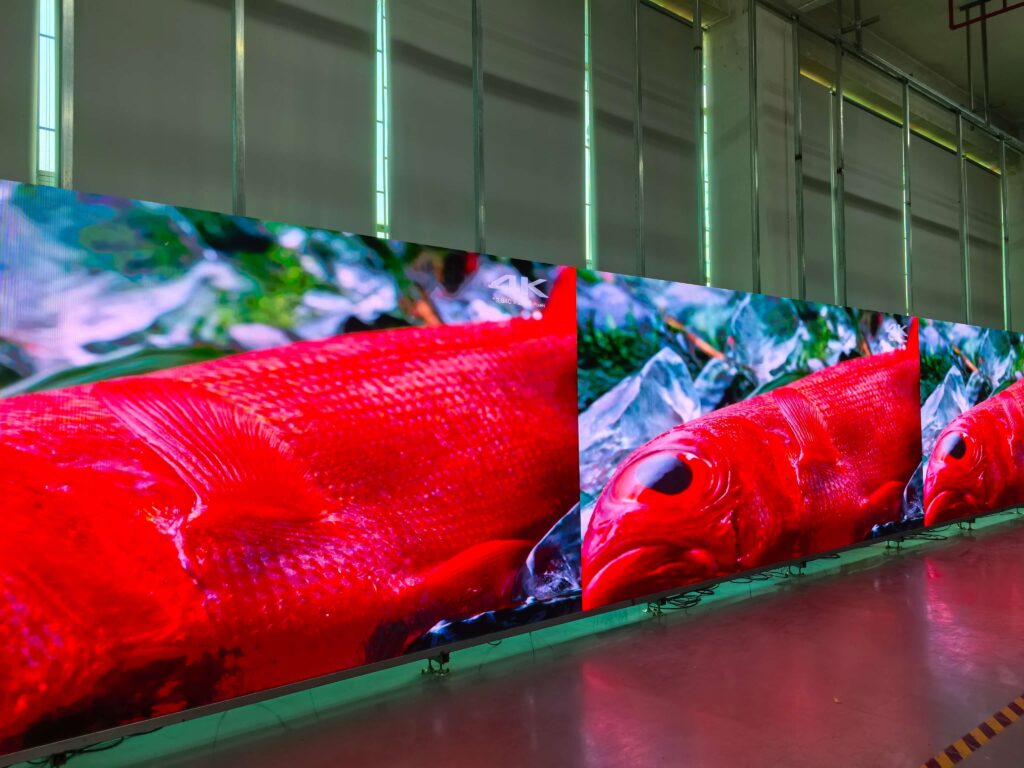
On Alibaba or Google, every factory looks impressive. As a manufacturer with a 15,000 m² smart factory, Sostron recommends focusing on these three counterintuitive details.
1. Aging Test Duration
Industry reality: Many factories run aging tests for just 4–12 hours—or merely power-on checks.
Sostron standard:
72-hour full-white balanced aging test.
If a factory refuses to provide real-time video of a 72-hour aging test, that’s your cue to walk away.
2. Waterproof Testing: Drizzle vs. Pressure
Outdoor screens must meet IP65, but testing methods vary.
-
Fake test: Light water spraying.
-
Real test: High-pressure water jets aimed at cabinet seams for 30 minutes.
Sostron’s dual-side potting process ensures moisture never reaches the PCB.
3. Spare Parts Ratio
After-sales support is where exports fail or succeed.
Sostron provides 3% full spare parts (modules, power supplies, receiving cards, cables), all from the same LED batch to ensure zero color shift after replacement.
Frequently Asked Questions (FAQ)
Q1: Why don’t Sostron outdoor screens need air conditioning?
A: The ARES 2 series uses all-aluminum cabinets (3× the heat dissipation of steel) combined with common cathode cold-screen technology. This eliminates excess heat and removes the risk of AC failure causing blackouts.
Q2: Are carbon fiber rental screens really that durable?
A: Yes. In Chilean music festivals, Carbon Pro screens endured frequent assembly and long-distance transport. Carbon fiber is stronger than aluminum and weighs only 5 kg per cabinet—boosting setup speed by 30% and cutting labor costs.
Q3: Can a local electrician replace a faulty module?
A: Absolutely. With front/rear modular maintenance and magnetic tools, a standard electrician can replace a module in 10 seconds—no specialist required.
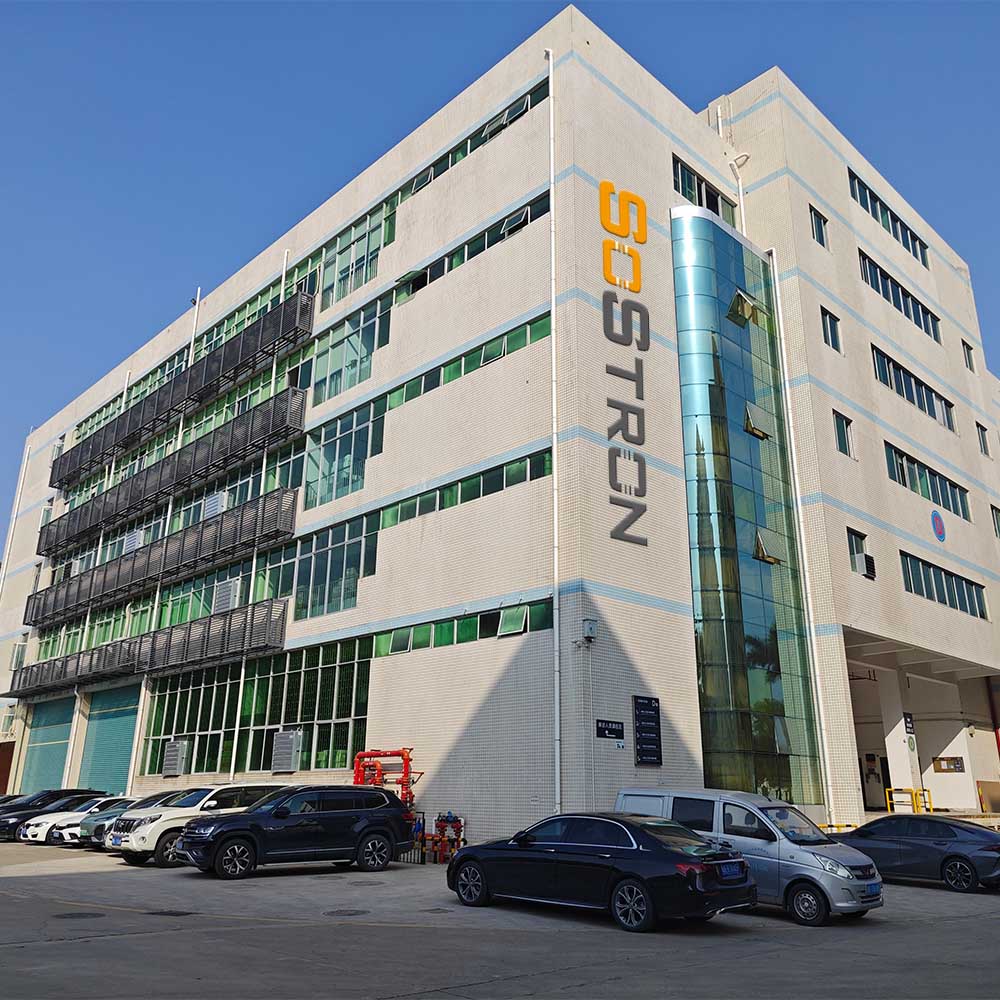
The Sostron Solution: 14 Years of Predictable Delivery
Buying an LED display is ultimately about certainty.
Sostron is more than a factory—we are your supply chain partner.
-
15,000 m² manufacturing base: 15-day delivery during peak season
-
4,000 m² R&D center: Continuous innovation, including Carbon Pro
-
Global field validation: From Brazilian highways to southern France landmarks
Don’t let low-priced displays destroy your project reputation.
🚀 Ready to upgrade your visual performance?
-
Event companies: Book a Carbon Pro rental demo
-
Trade buyers: Request the ARES 2 detailed BOM & pricing
-
Engineers: Download CAD drawings and API documentation
👉 Contact a Sostron senior engineer now for a free project proposal and quote
References: