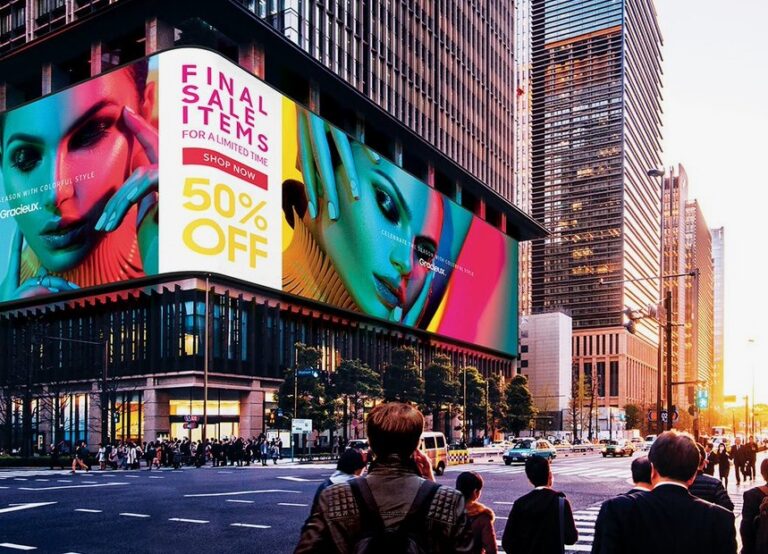
In the fast-evolving global live events and entertainment industry, an outdoor rental LED screen is no longer just a display. It has become the core visual asset of a brand and a critical factor that directly influences project profitability.
For system integrators and AV rental companies, choosing the right LED display means finding the perfect balance between transport efficiency, installation labor costs, and on-site visual performance.
From a financial perspective, understanding market pricing is equally important. In 2026, purchasing outdoor rental LED panels typically costs $650–$1,300 per square meter depending on pixel pitch, brightness, and cabinet design, while event rental prices usually range from $300–$750 per square meter per week for professional event-grade screens.
What Defines a True B2B-Grade Outdoor Rental LED Screen?
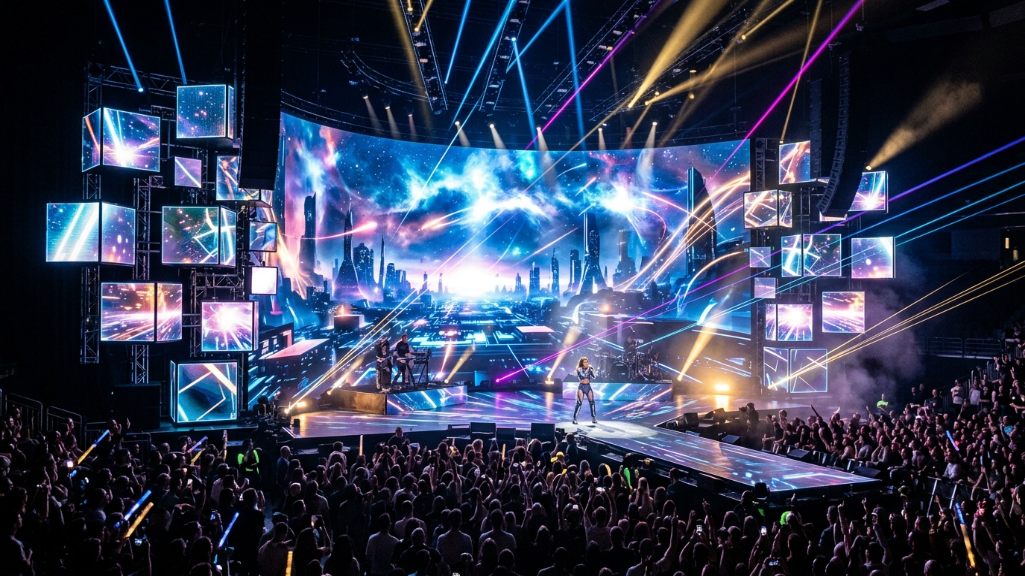
In simple terms, a top-tier outdoor rental display must achieve extreme lightweight construction and ultra-high refresh rates while maintaining at least IP65 protection for outdoor reliability.
Below are the industry-recognized evaluation criteria used by professional buyers.
| Core Dimension | Technical Specification | Business Value for B2B Buyers |
|---|---|---|
| Weight Efficiency | < 7kg per panel | Reduces cross-border logistics and on-site installation labor costs by more than 30%. |
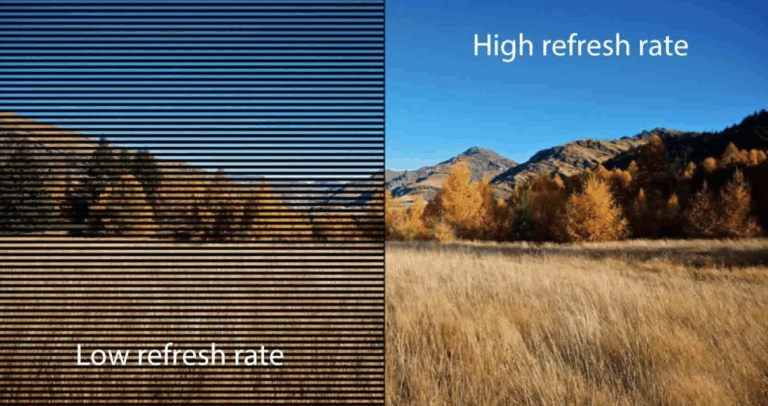
| Visual Consistency | 7680Hz refresh rate + 10,000 nits brightness | Ensures no scan lines, no color distortion, even under direct sunlight or high-definition broadcast cameras. |
| Durability / Lifespan | Die-cast aluminum or carbon fiber cabinet | Withstands thousands of assembly cycles and harsh weather, improving long-term asset value. |
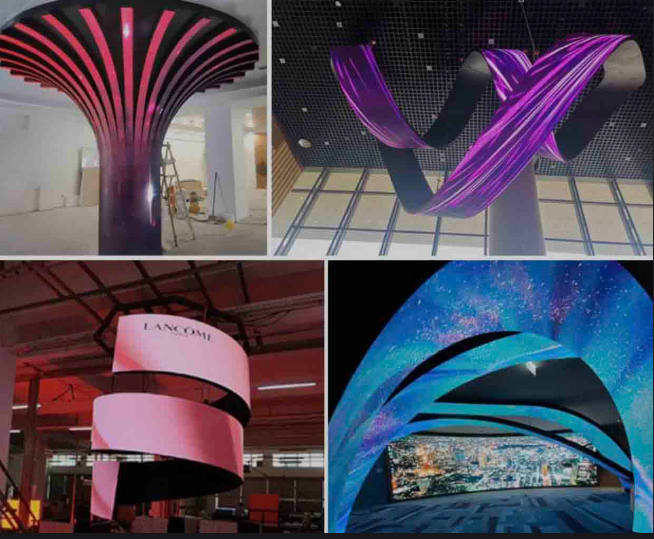
| Creative Flexibility | 90° seamless corner / folding arc design | Enables cube screens, cylindrical displays, and other premium stage designs that command higher rental fees. |
Core Technology: How Outdoor Rental LED Screens Overcome Harsh Environments
One of the most common questions engineers hear is:
Why do some rental LED screens fail much more frequently outdoors than others?
The answer lies in fundamental differences in circuit architecture and thermal design.
Overcoming Direct Sunlight: The Rise of Common Cathode Technology
Traditional outdoor LED displays often face a difficult paradox: higher brightness leads to higher heat output.
Based on our experience delivering LED solutions for global transportation hubs and public plazas (such as projects using the ARES series), modern outdoor rental displays increasingly rely on common cathode technology.
Technical Principle
Unlike traditional common anode designs, the common cathode architecture supplies independent voltage levels for the red, green, and blue LED chips.
Business Advantage
Because voltage distribution is optimized:
-
Energy loss is significantly reduced
-
Brightness can reach up to 10,000 nits, maintaining visibility even under midday sunlight
-
Operating power consumption can be reduced by approximately 50%
For DOOH (Digital Out-of-Home) operators, this translates into substantial annual electricity savings.
The Foundation of Stability: Cableless Design
During frequent setup and teardown cycles, internal ribbon cables are often the most common cause of:
-
Dead pixels
-
Signal interruptions
Engineering Solution
Modern rental systems (such as the Reta 2 or Cobra series) adopt cableless hard-connection module designs.
Business Value
Removing internal wiring provides several advantages:
-
Cleaner internal structure
-
Improved airflow and heat dissipation
-
Greater resistance to vibration during transport
Most importantly, it reduces maintenance frequency by about 40%, which is crucial for rental businesses operating under tight event schedules.
Purchasing Guide: How to Choose the Perfect Screen for Your Next Project
In 2026 B2B procurement, evaluating price alone is no longer competitive.
Professional buyers increasingly focus on Total Cost of Ownership (TCO).
Material Revolution: Why Carbon Fiber Is the Ultimate Touring Solution
Traditional steel or standard die-cast aluminum cabinets can become a significant logistical burden for large touring events.
Industry Insight
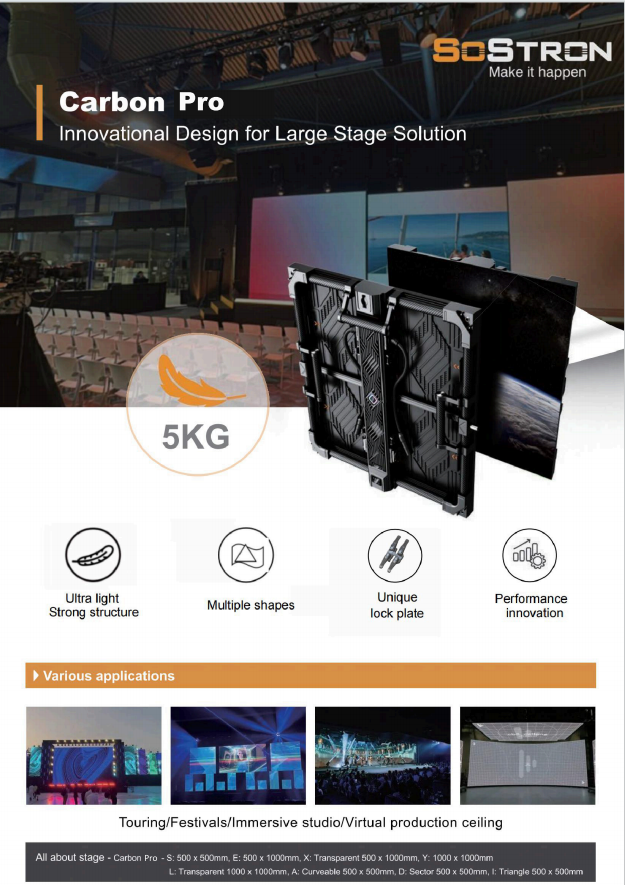
Based on performance tests conducted during projects such as the Chile Music Festival, carbon fiber LED panels (such as the Carbon Family series) weigh only 5 kg per panel.
Buying Recommendation
If your business includes:
-
International tours
-
Large temporary stage setups
Carbon fiber offers unmatched strength-to-weight performance.
Benefits include:
-
Single-technician handling capability
-
Reduced load on truss structures
-
Lower insurance costs associated with structural safety risks
The Lifeline of Visual Quality: Why 7680Hz Refresh Rate Matters
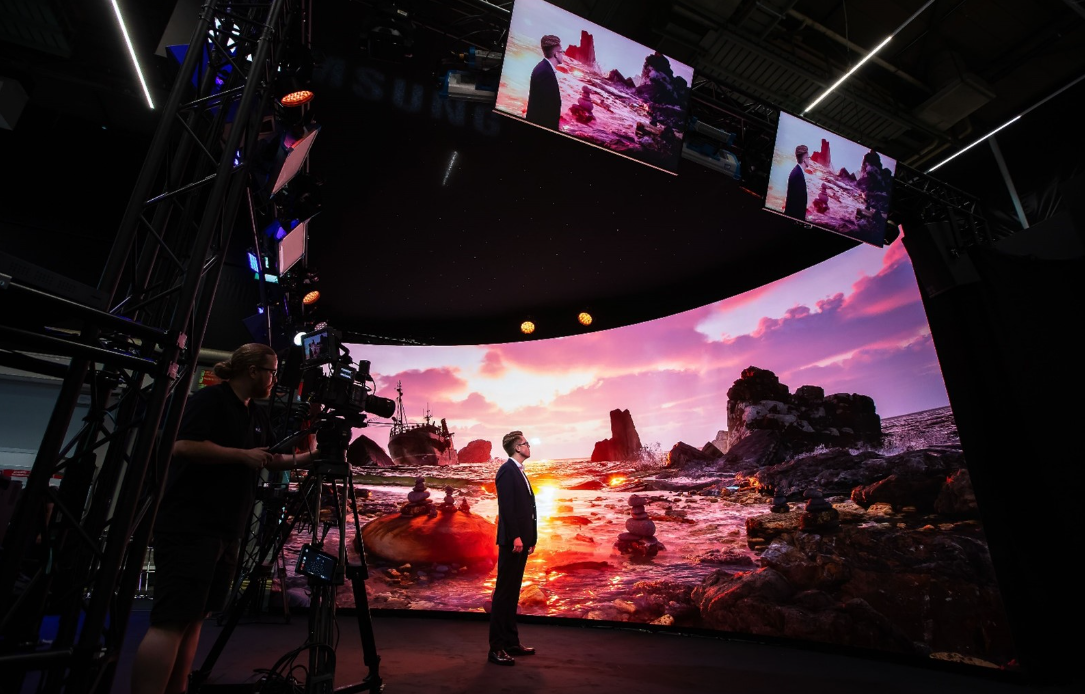
- Camera Flicker: Visible black bars (rolling shutter effect) when filmed.
- Content Loss: Fast-moving content may appear blurry or tearing.
- Not Broadcast Ready: Unsuitable for professional live streaming or TV.
- Flicker-Free: Crystal clear image on all cameras (1/2000s+ shutter speed).
- Smooth Motion: Perfect for fast video playback and sports.
- XR Ready (7680Hz): Essential for virtual production and XR studios.
With the rapid growth of XR virtual production and live social media streaming, buyers now demand camera-ready display performance.
Key Specification
Entry-level LED screens typically provide 1920Hz or 3840Hz refresh rates, which may produce moire patterns under high-speed cameras.
Professional Solution
Flagship rental products (such as the Hima series) deliver refresh rates up to 7680Hz.
Business Benefit
This ensures:
-
Ultra-smooth visuals for live broadcast production
-
Flicker-free performance for XR studios
-
Professional results for luxury brand events such as product launches and fashion shows
For premium clients—think high-end brands hosting major events—this level of performance is often non-negotiable.
Space and Maintenance: Ultra-Thin 30mm Design with Front Service
In luxury retail and high-end event environments, space equals revenue.
Technical Breakthrough
The Reta 2 series achieves cabinet thickness between 30mm and 42mm, making it one of the thinnest rental display solutions available.
Problem Solved
For demanding indoor-outdoor hybrid installations, full front maintenance is essential.
Advantages include:
-
No need to reserve rear maintenance space
-
Direct wall mounting capability
-
Maximized commercial space utilization
Typical Application Scenarios: Matching the Right Screen to the Right Project
In B2B procurement, there is no universal “best product”—only the best solution for a specific application.
Based on more than 6,000 global project implementations, outdoor rental LED screens are typically used in the following four key sectors.
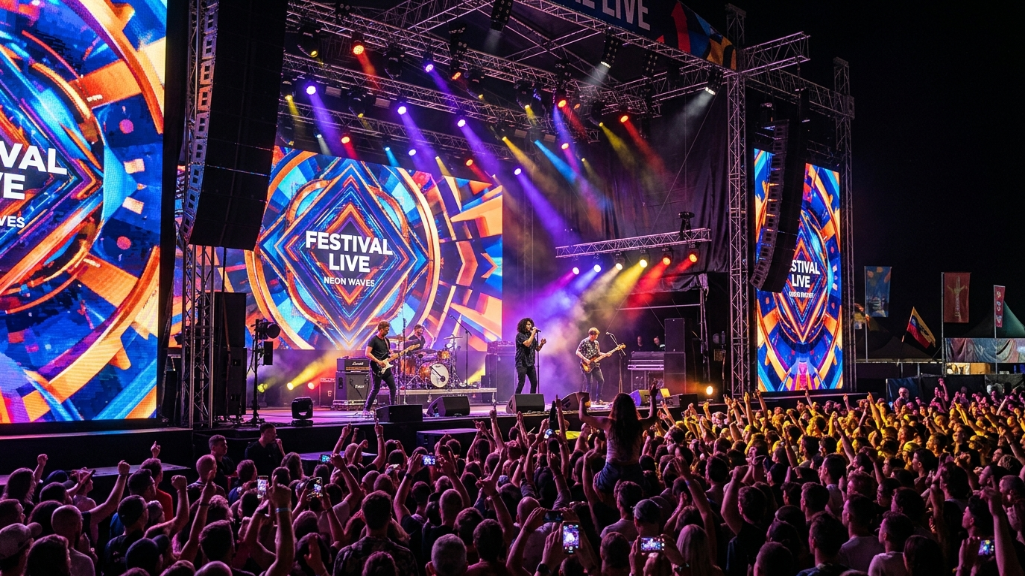
Touring Concerts and Large Festivals
Large outdoor events such as international music festivals require equipment that can handle:
-
Extremely frequent installations
-
Complex lighting environments
Recommended solution: Carbon Family series
Technical advantages
-
Ultra-light 5 kg panels reduce load on rigging systems
-
7680Hz refresh rate ensures clean broadcast visuals under intense stage lighting
Creative Stages and XR Virtual Production
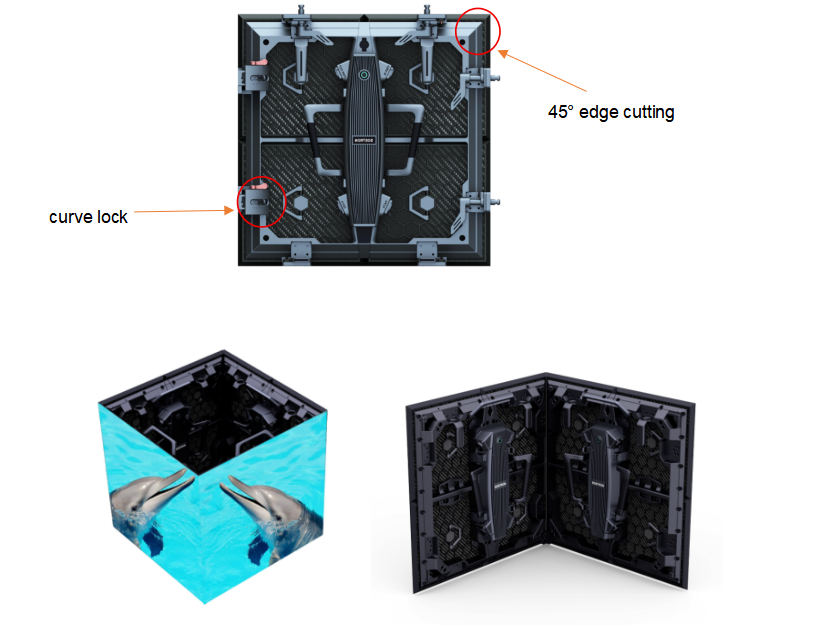
Modern stage design increasingly demands three-dimensional visual effects and flexible screen configurations.
Recommended solutions: Hima series and sPad Pro2
Technical advantages
-
Hima supports 90-degree seamless corner assembly, creating cube-style displays
-
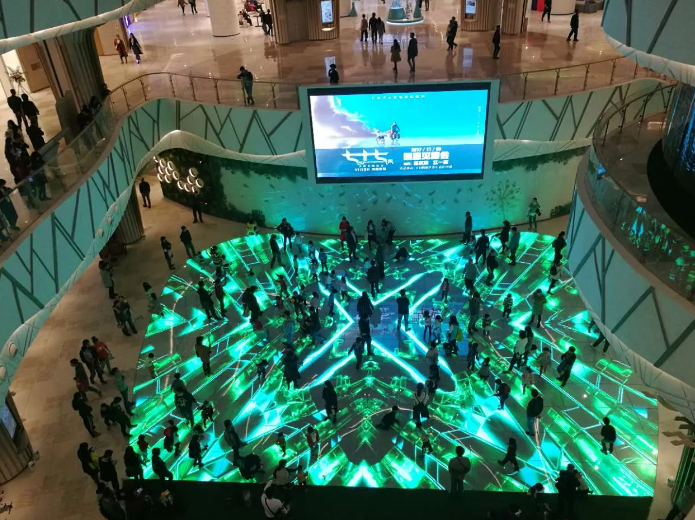
Can also function as high-impact LED floor panels
-
sPad Pro2 folding arc design allows 8 panels to form a 1.2-meter diameter cylindrical screen, ideal for S-curve or circular stage layouts
Outdoor Digital Advertising (DOOH) and High-End Retail
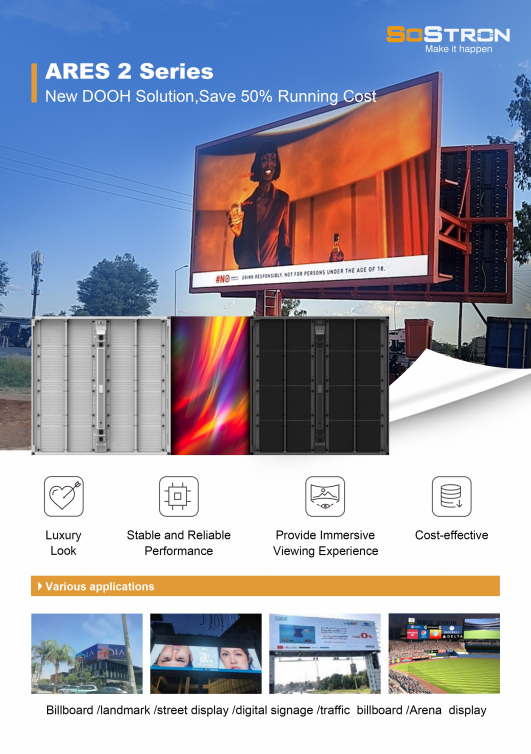
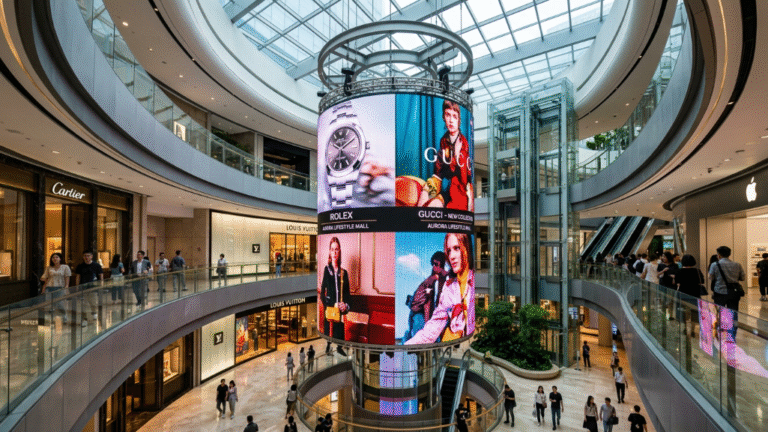
For installations along highways or luxury storefronts, visibility and durability are critical.
Recommended solution: ARES series
Technical advantages
-
Maintains 10,000 nits brightness stability even in extreme UV and high-temperature environments
-
Common cathode technology reduces operating electricity costs by approximately 50%
Procurement Checklist: 5 Critical Metrics Every B2B Buyer Should Review
When making bulk purchasing decisions, buyers should look beyond pixel pitch and carefully review the following parameters.
| Evaluation Metric | Why It Matters for Your Profitability | Recommended Standard |
|---|---|---|
| Thermal Design | Poor ventilation accelerates LED degradation in sealed outdoor cabinets | Prefer fanless aluminum heat dissipation or proprietary thermal architecture |
| Protection Level | Determines whether the screen can operate in heavy rain or coastal salt environments | Full waterproofing, compression resistance, and module aging test reports |
| Certification Compliance | Required for customs clearance and project acceptance | ETL, FCC, CE, and RoHS certifications |
| Maintenance Accessibility | Reduces downtime during events | Ultra-thin 30–42mm cabinets with full front maintenance |
| Installation Compatibility | Improves equipment reuse across different projects | Support for rigging, ground stacking, and creative installations |
Frequently Asked Questions (FAQ)
Q1: Does a 10,000-nit outdoor LED screen cause light pollution?
No. High-end outdoor displays typically include automatic brightness adjustment systems.
These sensors allow the display to:
-
Maintain high brightness under direct sunlight
-
Automatically reduce brightness at night or in cloudy conditions
This improves energy efficiency while also extending LED lifespan.
Q2: How can touring companies protect LED screens during transport?
Transport damage is a major concern for rental companies.
A good solution is choosing displays using COB flip-chip technology, such as those found in advanced rental series.
Benefits include:
-
Stronger surface impact resistance than traditional SMD displays
-
Better durability for repeated transportation
Additionally, cableless designs prevent signal disconnections caused by vibration during shipping.
Q3: Is there a cost-effective option for buyers with limited budgets?
Yes. For buyers seeking stability and balanced investment costs, the Storm series is a proven engineering solution.
Advantages include:
-
Over 20 years of reliability validation
-
Flexible cabinet options including steel and aluminum
Q4: Do naked-eye 3D displays require special LED screens?
Yes. Naked-eye 3D displays rely heavily on:
-
High contrast ratios
-
Seamless corner assembly
High-performance outdoor displays such as those with high refresh rate and precision corner alignment are commonly used for landmark 3D advertising installations.
Engineer’s Recommendation (Expert Verdict)
If your core business involves large-scale international touring events, investing in carbon fiber LED panels is often the smartest move. The savings in logistics and labor costs can typically offset the equipment price difference within a year.
For system integrators serving high-end retail or virtual production studios, ultra-thin LED solutions equipped with COB technology and front-service design provide strong brand reputation and long-term client trust.
References:
AVIXA Digital Signage and AV Display Technical Guidelines
Outdoor Digital Signage Brightness and Performance Guidelines