Table of Contents
-
What Is a P1.875 Indoor Full-Color LED Display?
-
Why Choose P1.875? The Math Behind “No Image Stretching”
-
The Hidden Parameters That Define Image Quality: Inside Sostron Reta2 Core Technology
-
Purchasing Decisions: Not Just Unit Price — Total Cost of Ownership (TCO)
-
Buyer Beware: Three Technical Truths Often Hidden from B2B Buyers
-
The Sostron Solution
-
Frequently Asked Questions
-
Conclusion: More Than a Screen — It’s Your Brand’s Front Face
What Is a P1.875 Indoor Full-Color LED Display?
Industry Definition:
A P1.875 indoor full-color LED display is a fine-pixel-pitch solution designed for high-end commercial visualization, with a pixel pitch precisely set at 1.875 mm.
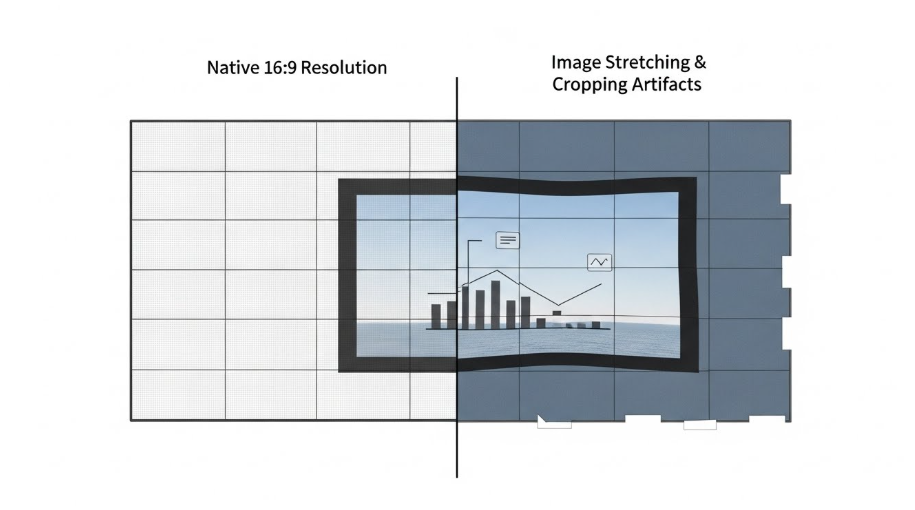
Unlike the widely seen P1.86 on the market, true P1.875 systems use a 240 mm × 240 mm standard module, allowing for physically native construction of standard 16:9 Full HD (1920×1080) or 4K resolutions — without image stretching or cropping by video processors.
With a 3840 Hz refresh rate and high-contrast black LED technology, P1.875 has become the display standard for:
-
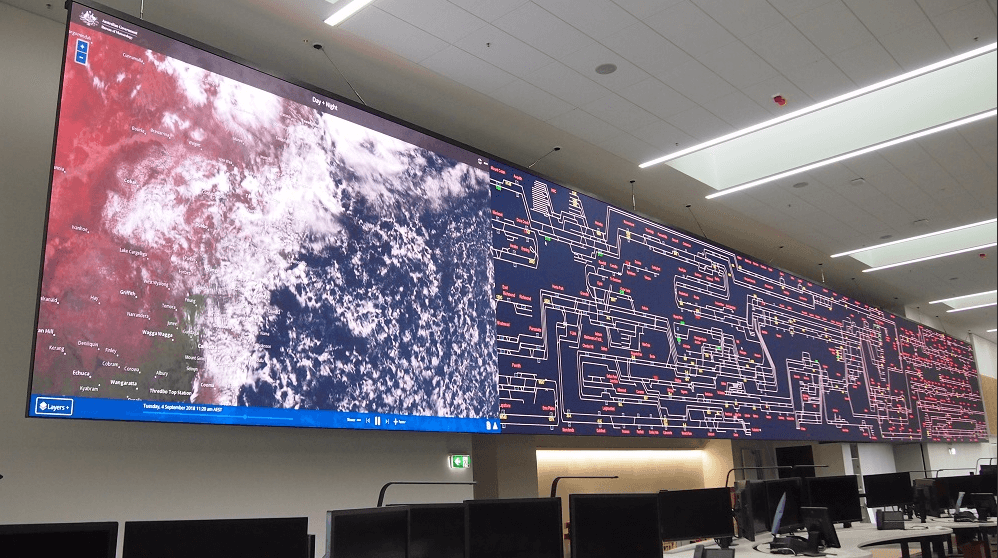
Command & control centers
-
Broadcast studios
-
High-end conference rooms
Why Choose P1.875? The Math Behind “No Image Stretching”
After 20 years in the display supply chain, I’ve seen this mistake more times than I can count:
Companies save a few dollars by choosing P1.86 — then discover blurred text and stretched faces during the CEO’s quarterly presentation.
This isn’t subjective. It’s math.
Most low-cost P1.86 displays use 320 mm × 160 mm modules. When assembling a 1080p screen:
-
1920 ÷ 172 ≈ 11.16 modules
-
The result? No whole-number alignment
Installers are forced to rely on video processors to stretch or crop pixels, breaking true pixel-to-pixel mapping.
How the Sostron Reta2 (P1.875) Solves This
-
Module size: 240 mm × 240 mm
-
Cabinet size: 480 mm × 480 mm
-
Resolution logic:
-
One cabinet = 256 × 256 pixels
-
Horizontal × Vertical stacking naturally forms perfect 16:9 geometry
-
What This Means for B2B Buyers
-
Lower calibration time
-
Sharper text and UI elements
-
Flawless video conferencing visuals
Specification Comparison — P1.875 vs. P1.86 vs. P2.0
| Core Parameter | Sostron P1.875 (Reta2) | Typical Market P1.86 | Traditional P2.0 |
|---|---|---|---|
| Module Size | 240×240 mm (480 series) | 320×160 mm | 320×160 mm |
| 16:9 Compatibility | Native, perfect | Requires stretching/cropping | Poor |
| Recommended Viewing Distance | ≥ 1.8 m | ≥ 2.0 m | ≥ 2.5 m |
| LED Packaging | NationStar / Gold Wire | Copper wire (oxidation-prone) | Copper wire / iron frame |
| Typical Failure Points | Extremely low | Edge dead pixels (“caterpillar effect”) | Color inconsistency |
| Best Use Cases | Conference rooms, control centers, studios | Retail corridors, signage | Rental stages, backdrops |
The Hidden Parameters That Define Image Quality
Inside Sostron Reta2 Core Technology
Visible specs only tell half the story. Many P1.875 screens look fine at full brightness — then fall apart when lights are dimmed.
1. Low Brightness, High Grayscale Performance
This is counterintuitive but critical.
Indoor environments typically measure 300–500 lux. Displays running above 800 nits cause eye fatigue within 30 minutes.
But when ordinary screens reduce brightness to 100–200 nits, grayscale collapses — dark areas turn black, colors band.
Reta2 Advantage:
-
14–16 bit grayscale maintained at 100 nits
-
Enabled by high-performance PWM driver ICs
Real-world result:
In our Mexico indoor commercial showcase projects, Reta2 preserved subtle dark-tone detail even in low-light luxury environments — elevating perceived brand value.
2. 3840 Hz Refresh Rate for Broadcast & Filming
For live events or broadcast studios, anything below 1920 Hz is unacceptable.
-
Camera scan lines
-
Flicker artifacts
-
Water-ripple patterns
Reta2 Standard:
-
Native 3840 Hz refresh IC
Field proof:
Using the same core technology in our Carbon Series at Chile music festivals, footage remained stable under high-speed camera shutters — no post-production fixes required.
3. Thermal Management and Silent Operation
The Silence of Quality
Noise is the enemy of executive meeting rooms.
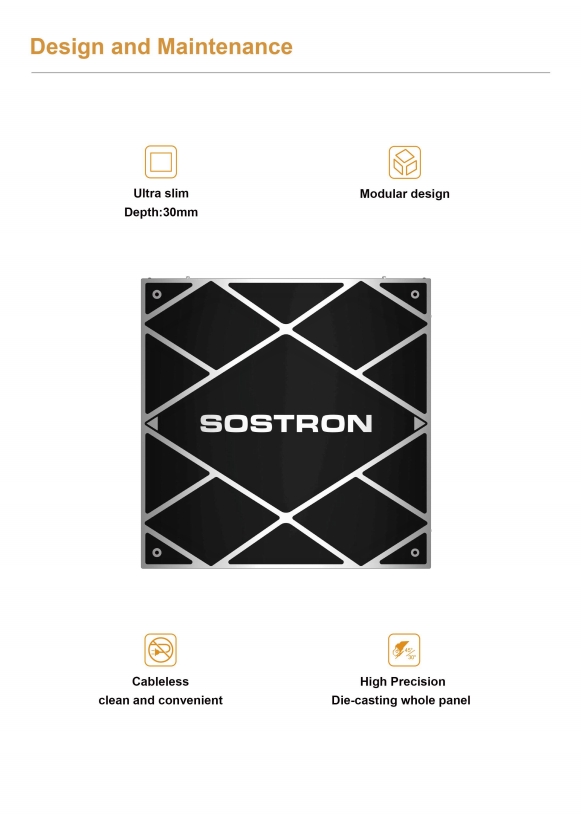
Reta2 uses die-cast aluminum cabinets designed through Sostron’s 4,000 m² R&D thermal lab, enabling natural heat dissipation.
-
Fanless design: 0 dB noise
-
Extended lifespan: Reduced LED degradation
-
Rated lifespan: >100,000 hours
Purchasing Decisions: Beyond Price — Total Cost of Ownership (TCO)
“Cheap screens are often the most expensive ones — maintenance alone can cost three times the purchase price.”
— Sostron Supply Chain Director
For P1.875 displays, initial purchase cost is only ~40% of total ownership cost. The real expenses hide in:
-
Installation time
-
Power consumption
-
Failure rates
-
Brand image damage
5-Year TCO Comparison (20 m² Display)
| Cost Factor | Generic Assembly Screen | Sostron Reta2 | Key Insight |
|---|---|---|---|
| Initial Purchase | Lower | Higher | Premium driven by gold wire LEDs & high-refresh ICs |
| Installation Labor | Very high | Low | Poor cabinet tolerances double installation time |
| Annual Failure Rate (Years 2–5) | 3–8% | <0.01% | Copper wire oxidation is irreversible |
| Energy Cost (5 years) | High | Medium | ~15–20% power savings via optimized circuits |
| Residual Value | Near zero | 20–30% | Sostron screens retain resale value |
Conclusion:
Over five years, Reta2 costs over 18% less overall, while eliminating brand risk caused by frequent repairs.
Buyer Beware: Three Technical Truths Often Hidden from B2B Buyers
1. Gold Wire vs. Copper Wire
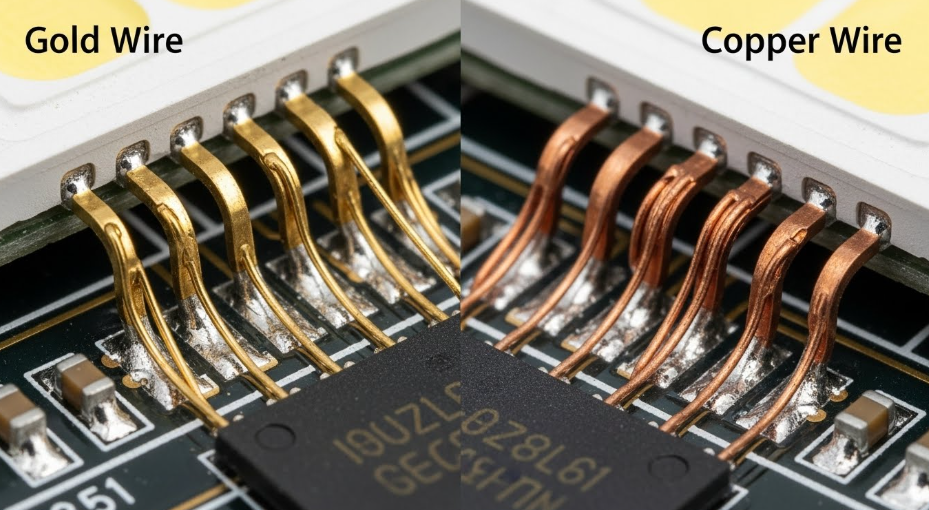
This alone explains 30% price differences.
-
Copper wire LEDs:
-
Oxidize in humid or coastal environments
-
Fail within 6–12 months
-
Cause irreversible “caterpillar” dead-pixel chains
-
-
Sostron Standard:
-
Gold wire or high-stability alloy
-
High-thermal-conductivity adhesive
-
Proven reliability in Brazil, Egypt, and other hot, humid regions
-
2. The 0.1 mm Flatness Disaster
For outdoor P10 screens, 1 mm doesn’t matter.
For P1.875, 0.1 mm cabinet deviation creates visible bright or dark lines.
Sostron Advantage:
-
CNC-machined cabinets
-
Flatness tolerance ≤ 0.05 mm
-
Precision impossible for manual workshops
3. The Myth of “Cloud Control”
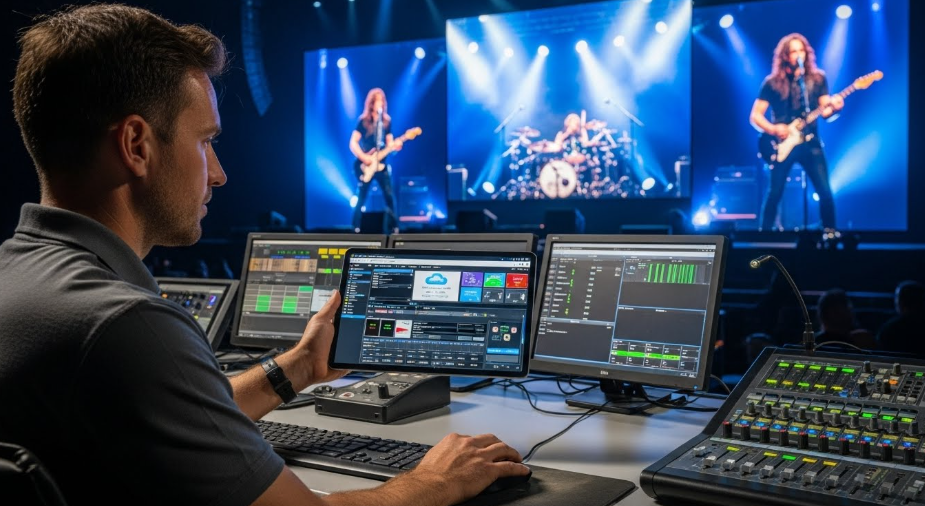
Many “cloud” systems are just LAN connections with fancy labels.
Sostron CMS:
-
True software-hardware integration
-
Remote content publishing
-
Proactive fault alerts
-
Voltage and temperature warnings pushed to your phone before failure
Why the Sostron Reta2 Is the Safe Choice
We don’t just sell screens — we deliver a 14-year-validated industrial standard.
As a National High-Tech Enterprise, Sostron’s title represents a commitment to measurable quality, not marketing.
Industry Standards vs. The Sostron Standard
| Test Item | Industry Norm | Sostron Standard | Customer Benefit |
|---|---|---|---|
| Aging Test | 24–48 hrs | 72 hrs (incl. vibration & white balance) | Eliminates early failures |
| Dead Pixel Rate | <0.0003 | <0.0001 | One dead pixel can ruin the wall |
| Spare Parts Ratio | 3% | 5% (same batch) | Perfect color matching years later |
| Protection Level | IP30 | IP40 + nano-coating | Better dust & moisture resistance |
Frequently Asked Questions (FAQ)
Q1: Why is the price range for P1.875 so wide?
A: Prices range from $800 to $3,000 per m², driven by:
-
LED brand (NationStar vs. generic)
-
Refresh IC (3840 Hz vs. 1920 Hz)
-
Packaging material (gold wire vs. copper wire)
Lower prices almost always mean reduced lifespan.
Q2: What causes the “caterpillar effect” (a bright vertical line)?
A: It’s typically a short circuit.
Reta2 uses magnetic front-service modules and includes a professional vacuum tool. A standard electrician can replace a module in under 3 minutes — no wall dismantling required.
Q3: Is power consumption high? Do I need electrical upgrades?
A: Average consumption is 150–200 W/m².
We provide full power distribution diagrams, and most commercial buildings can handle the load without major upgrades.
Conclusion: More Than a Screen — It’s Your Brand’s Front Face
Choosing the P1.875 Reta2 Series isn’t just about perfect 16:9 pixel mapping.
It’s about Sostron’s full technology lineage — from the ultra-brightness know-how of our Ares outdoor series to the lightweight engineering of our Carbon rental displays — refined into one flagship indoor solution.
Before you decide, see it for yourself.
Numbers convince. Experience closes the deal.
Disclaimer:
The market reference prices mentioned in this article are estimates based on supply chain costs and exchange rates at the time of writing and are provided for budgeting purposes only. Actual transaction prices may vary due to fluctuations in raw material costs (such as LED chips, precious metals, and aluminum), changes in exchange rates, logistics expenses, and your specific customization requirements (including irregular shapes or special mounting structures).
All product images and project examples shown are for illustrative purposes only. Sostron reserves the right to upgrade or modify product appearance and technical specifications as part of ongoing product improvements. Final delivery standards shall be subject to the mutually confirmed technical specifications and the executed contract.
References:
Official Display Industry Standards (Technical Frameworks)
ITU-R Video Standards for Aspect & Color