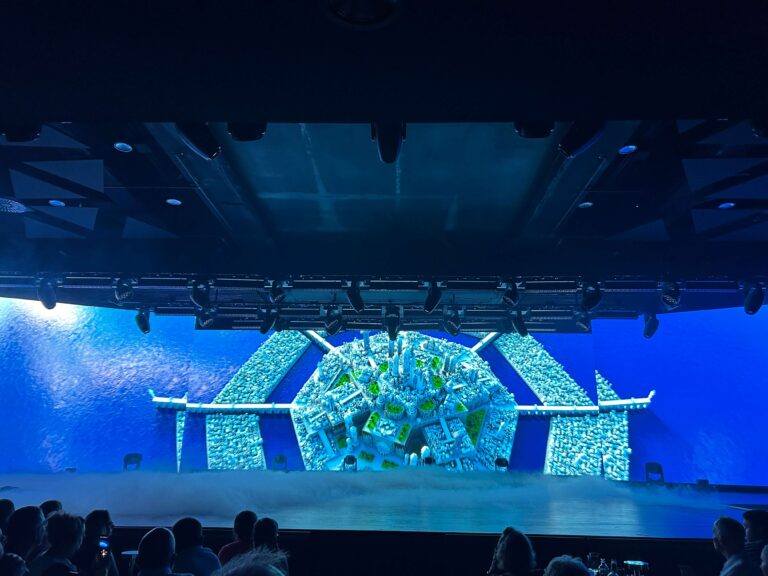
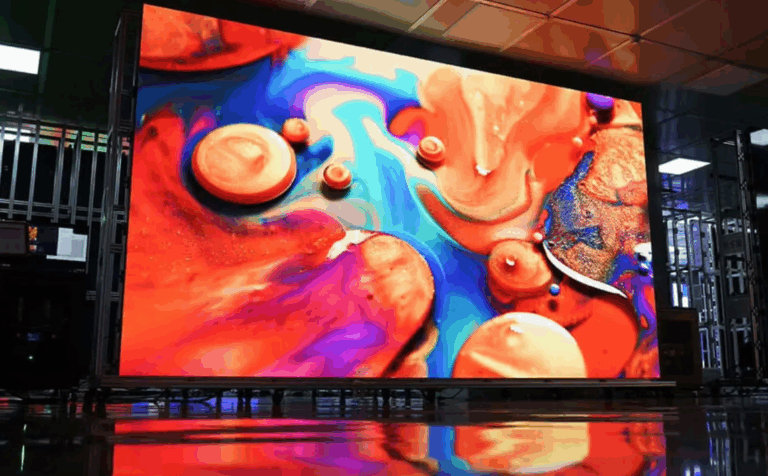
P4 indoor full-color LED displays (4.0 mm pixel pitch) are widely regarded as the most cost-effective choice for medium to large indoor venues, conference halls, and performance stages.
As of 2026, the mainstream market price ranges from $450 to $900 per square meter.
The real drivers behind this wide price gap are:
-
LED package quality (gold wire vs. copper wire)
-
Driver IC refresh rate (1920Hz vs. 3840Hz)
-
Cabinet thermal design (die-cast aluminum vs. sheet metal)
For event production buyers and engineering contractors, focusing only on the upfront unit price often hides up to 30% in long-term operation and maintenance risks.
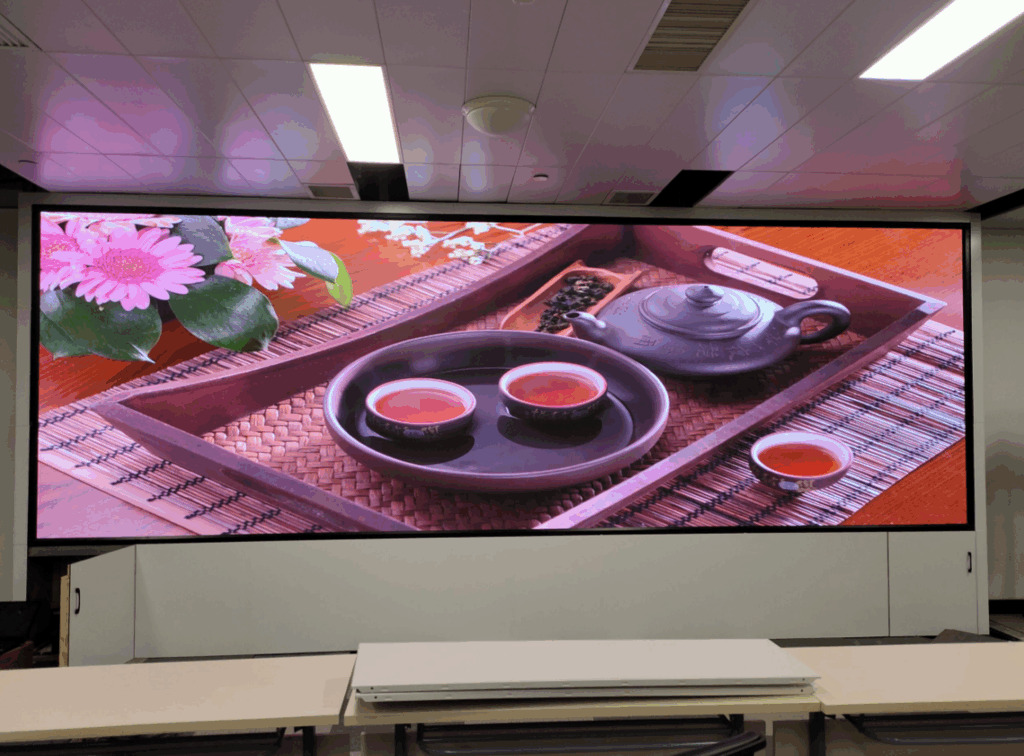
Price Structure: Why Is the P4 Price Gap So Wide?
In the LED display industry, P4 is a mature product—but that maturity has also led to aggressive non-standardized competition.
To win on price, some manufacturers downgrade components in areas that buyers rarely see.
The “Hidden” Cost Breakdown
A standard P4 indoor LED system consists of LED modules, control systems, power supplies, cabinets, and auxiliary materials.
Below is a real-world comparison of configurations across different tiers:
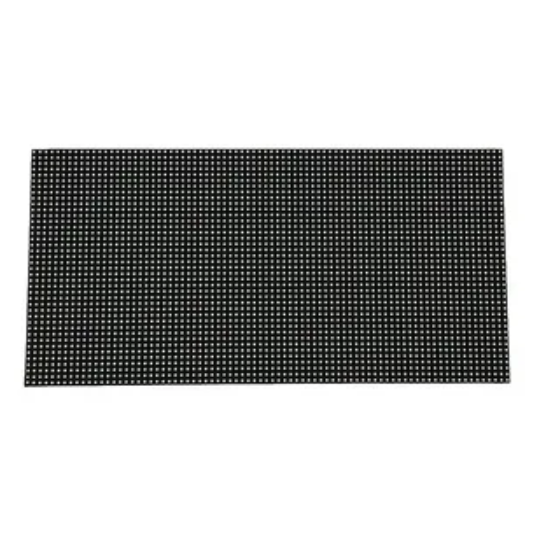
Table 1: Configuration Comparison for P4 Indoor LED Display Solutions
| Configuration Dimension | Entry-Level (Economy) | Professional (Commercial Grade) | High-End (Rental & Broadcast) |
|---|---|---|---|
| LED Package | Low-grade SMD2121 (Copper wire) | Nationstar Copper Wire | Nationstar Gold Wire / Kinglight |
| Driver IC | 1920Hz (Standard) | 3840Hz (High Refresh) | 7680Hz (Ultra-high refresh, camera-safe) |
| PCB Layers | 2-layer (Thin board) | 4-layer (Improved heat dissipation) | 6-layer (Maximum stability) |
| Cabinet Material | Basic sheet metal | Die-cast aluminum | Ultra-light carbon fiber (e.g., Carbon series) |
| Reference Price | $450–$550 /㎡ | $600–$750 /㎡ | $800+ /㎡ |
Raw Material Price Trends
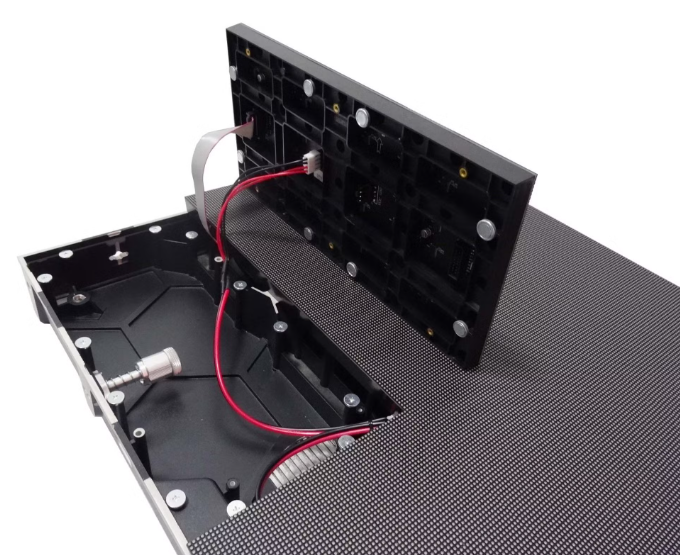
Due to upstream semiconductor wafer price fluctuations, driver ICs account for a slightly higher share of total cost in 2026.
From a factory owner’s perspective, current pricing is already near the market bottom.
Choosing common-cathode energy-saving technology increases initial procurement costs by about 15%, but the electricity savings typically offset that difference within two years.
Core Technical Parameters: Decision Logic for Events vs. Commercial Displays
Refresh Rate: It’s Not Just About “Looking Better”

- Camera Flicker: Visible black bars (rolling shutter effect) when filmed.
- Content Loss: Fast-moving content may appear blurry or tearing.
- Not Broadcast Ready: Unsuitable for professional live streaming or TV.
- Flicker-Free: Crystal clear image on all cameras (1/2000s+ shutter speed).
- Smooth Motion: Perfect for fast video playback and sports.
- XR Ready (7680Hz): Essential for virtual production and XR studios.
A common mistake among event production buyers is choosing 1920Hz P4 displays.
Under smartphone cameras or professional broadcast equipment, 1920Hz screens often produce visible horizontal scan lines or ripple artifacts, which can be fatal for modern product launches or music festivals.
Sostron recommendation:
Any application involving social media distribution or live recording should use 3840Hz or higher as a baseline.
Grayscale Performance: Control of Dark-Level Details
In low-brightness indoor environments (such as conference rooms), low-end displays often suffer from banding or color block artifacts due to insufficient grayscale depth.
High-quality P4 displays should offer 14–16 bit grayscale, ensuring rich detail even at 20% brightness.
Hidden Supply Chain Costs: The “Three-Year Wall” of Low-Price Screens
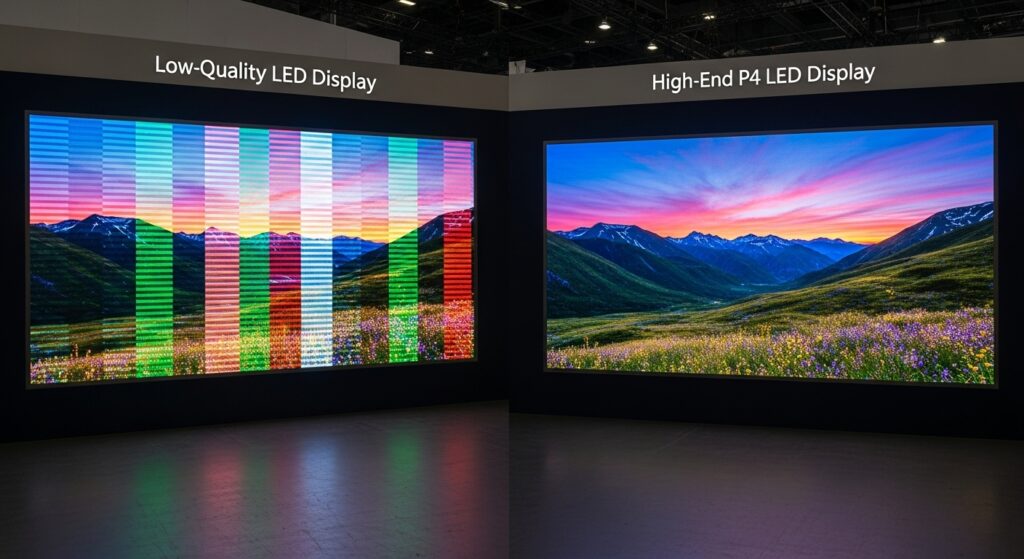
As a supply chain director, I frequently see buyers regret their decisions after the third year.
Failure Rate
Low-cost displays often use non-standard power supplies, with failure rates exceeding 0.05%.
For a 100㎡ P4 display (approximately 625,000 LEDs), this translates into hundreds of dead pixels replaced annually.
Key risk:
Labor costs for maintenance are often five times the price of the module itself.
Color Shift and Image Degradation
Standard LED packages experience uneven degradation after 8,000 hours of operation, resulting in visible “patchwork” effects.
The Sostron Storm Plus indoor series undergoes 72-hour high-temperature aging tests, ensuring color deviation of ΔE < 3 within five years.
Pitfall Avoidance Guide: How B2B Buyers Can Verify Quality
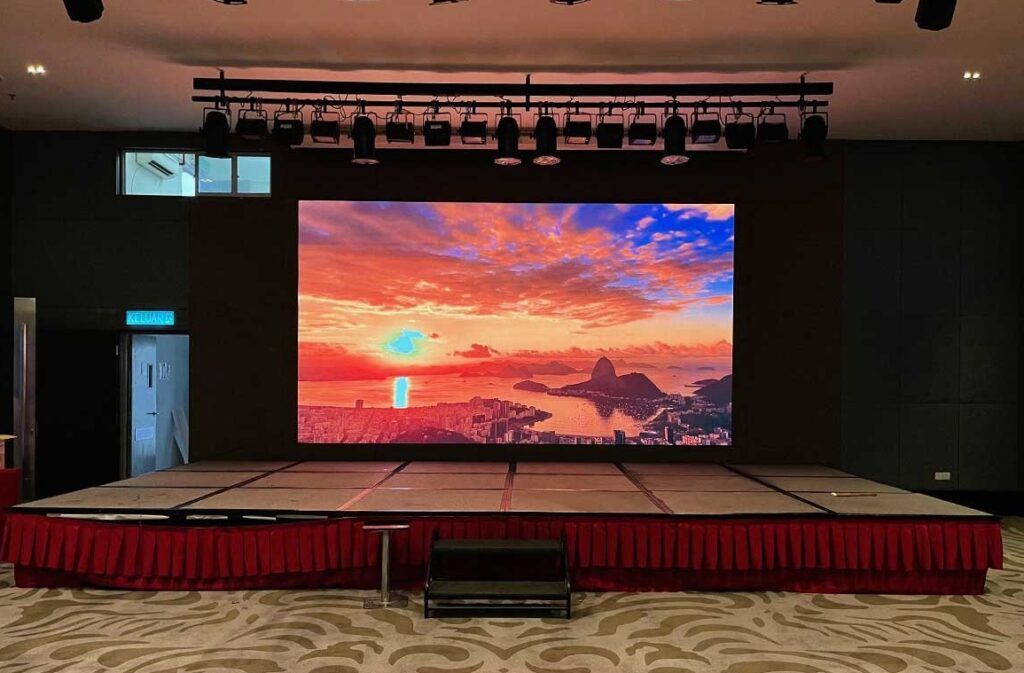
Before signing a contract, buyers should request the following proofs or conduct on-site tests:
-
White balance test: Set the screen to pure white and check for yellow or blue color shifts
-
Front maintenance demonstration: For fixed indoor installations, verify true magnetic front-access maintenance
-
Certification check: National High-Tech Enterprise certification is the fastest way to filter out small assembly workshops
Sostron insight:
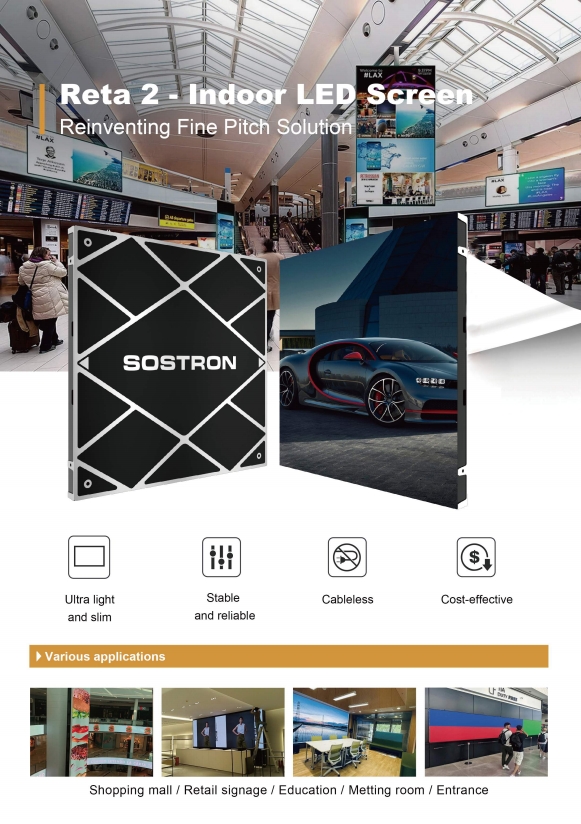
Our Reta 2 ultra-thin series is only 30 mm thick, supports full wall-mount installation, and saves at least 50 cm of maintenance clearance—critical for high-rent commercial spaces.
FAQ: Addressing the Toughest Technical & After-Sales Questions
Q: Is P4 pixel density sharp enough?
A:
P4 has a 4 mm pixel pitch, with an optimal viewing distance of 4 meters or more.
If your audience is closer than 3 meters, consider P2.5 or our Reta 2 fine-pitch series.
Q: Why are your cabinets more expensive?
A:
We use full die-cast aluminum cabinets with flatness tolerance controlled within 0.2 mm.
Standard sheet-metal cabinets cannot eliminate physical seams on large displays over 10 meters wide, resulting in visible black lines.
Q: How is after-sales support guaranteed?
A:
[Sostron] provides 2%–5% spare modules.
For large-scale projects, we support CMS cloud-based monitoring, detecting current anomalies before blackouts occur.
The Sostron Solution: Defining Value from a 14-Year Smart Manufacturing Base
At Sostron’s 15,000㎡ intelligent manufacturing facility, we don’t build disposable products.
Flagship Product: Storm Plus (Indoor Fixed Installation)
-
Ultra-flat design: 51 mm ultra-thin cabinet for wall-mounted installations
-
Energy-saving & eye comfort: Dynamic brightness from 600–1000 nits, ideal for long meetings
Proven Cases
From Chile music festivals (outdoor rental, demonstrating Carbon series stability) to high-definition indoor projects in Mexico, our solutions perform consistently under high-frequency usage.
Call to Action
Looking for the most reliable P4 LED display solution for your next event or showroom?
-
Want to save money? Let us build a 5-year TCO comparison for you
-
Want peace of mind? Schedule a visit to our 4,000㎡ R&D center and experience 7680Hz performance firsthand
References:
International Electrotechnical Commission (IEC) LED display standards
IEEE / SMPTE standards for video displays