Table of Contents
-
Why LED Control Systems Are the “Central Nervous System” of XR/VP Studios
-
Industry Titans: The Brompton vs. NovaStar Showdown
-
Advanced Players: Six More Control & Media Server Systems Worth Considering
-
Comparison Chart of Mainstream LED Control Systems
-
FAQ: Frame Rates, Color Science, and Latency
-
How Sostron Optimizes Virtual Production Solutions
In a virtual production workflow, the LED control system (processor) is not just a signal-distribution device—it serves as the core engine that determines color accuracy, frame synchronization (Genlock), and overall low-latency performance. Today’s most respected systems include eight major players: Brompton Tessera and NovaStar COEX at the top of the pyramid, followed by Megapixel VR, Colorlight, Disguise (media server ecosystem), Pixera, ListenVision, and Magnimage.
Choosing the right system means balancing budget with your needs for HDR support, high frame rates, and multi-camera shooting.
Why the Control System Is the “Central Nervous System” of an XR/VP Studio
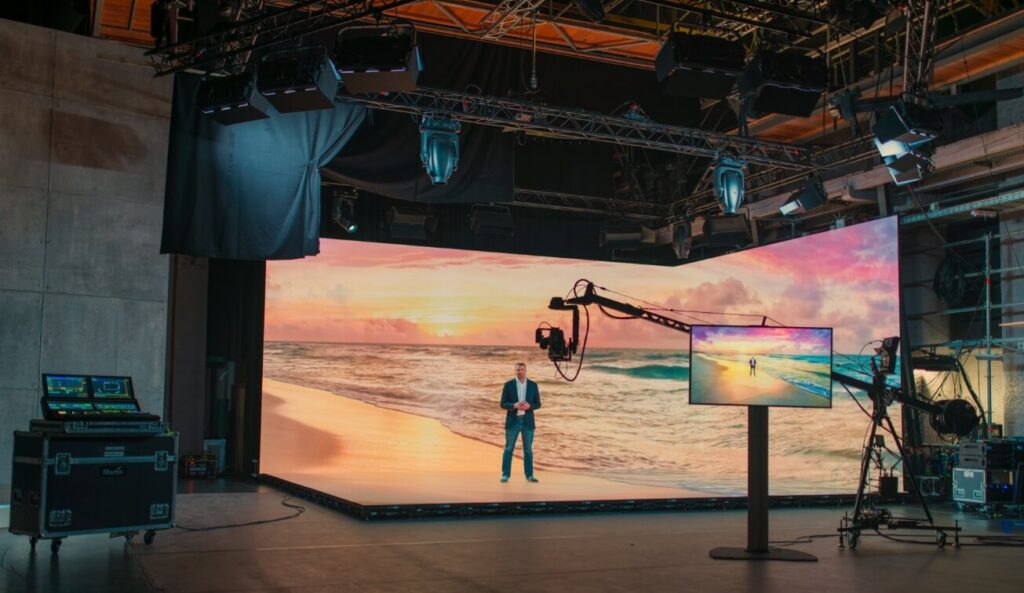
When building a virtual production studio, most people obsess over LED pixel pitch. Fair enough—it matters. But many overlook the component that actually determines how the wall behaves on camera: the control system.
As Sostron’s engineering team likes to say, “The screen is the muscle; the processor is the nervous system.”
In XR (Extended Reality) and VP (Virtual Production), LED control systems must tackle challenges traditional LED walls never worried about:
Genlock (frame sync):
The LED refresh must sync to the camera shutter down to the millisecond—or scan lines show up.
Color science:
Modern VP demands wide-gamut Rec.2020 and HDR workflows to ensure what you see on the LED wall matches the final image.
Ultra-low latency:
When the camera moves, the background needs to follow instantly. VP systems aim for 1–2 frames of delay at most.
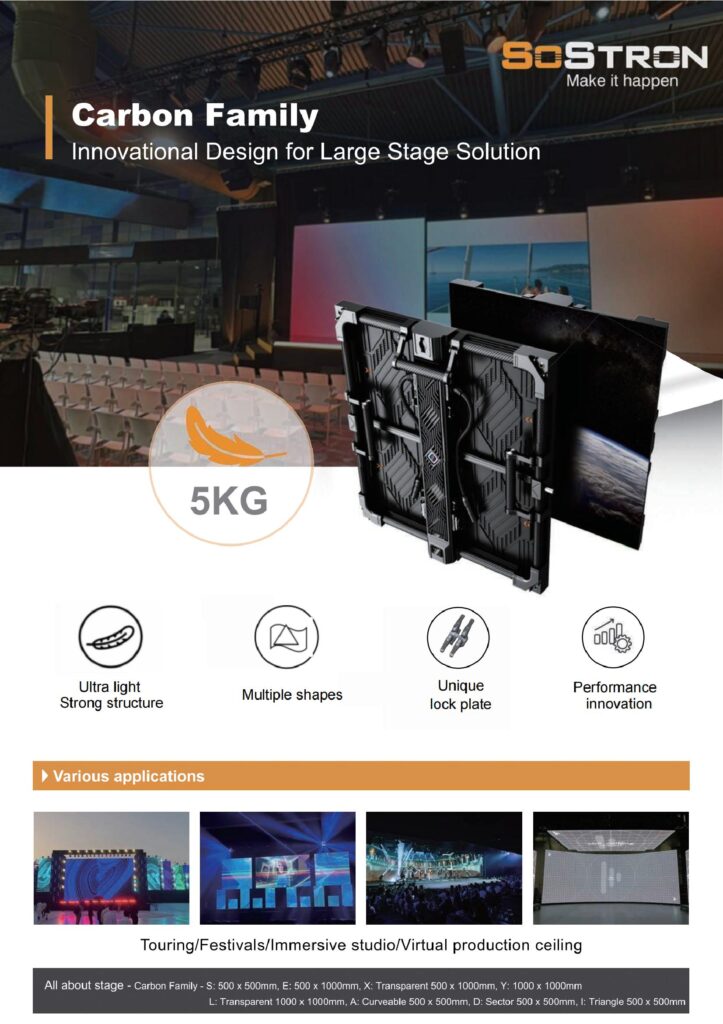
At Sostron’s 15,000m² smart manufacturing facility, our R&D team tests every Carbon Family panel with the major control systems to guarantee performance before any product leaves the factory.
Brompton vs. NovaStar: The Two Industry Titans
In the high-end VP world, two brands dominate the conversation.
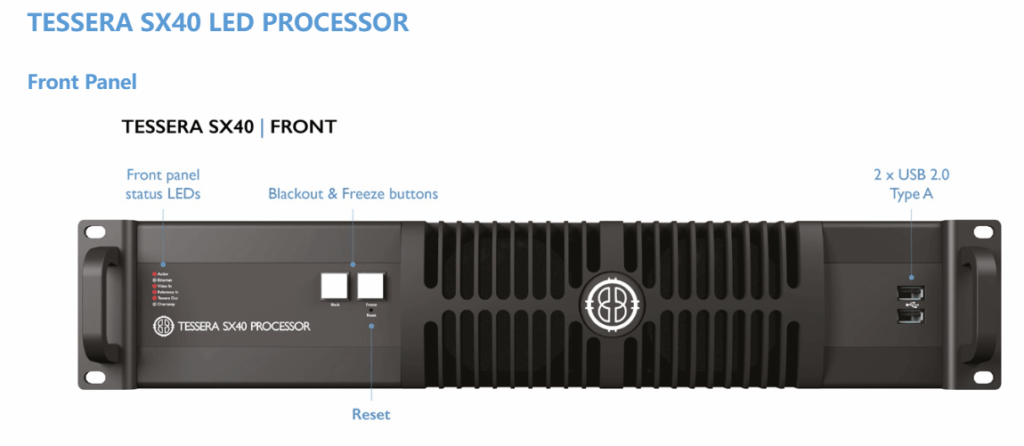
Brompton Tessera: Hollywood’s Gold Standard
UK-based Brompton Technology is synonymous with premium virtual production. Its Tessera SX40 processor, known for unmatched color control (Dynamic Calibration) and a user-friendly interface, is the go-to choice for top studios—including the team behind The Mandalorian.
Key strengths:
-
Exceptional image quality
-
ShutterSync® for camera shutter matching
-
Frame Remapping for multi-camera shoots
Best for: Film-grade productions where budget is not the limitation.
NovaStar COEX: A Price-Performance Breakthrough
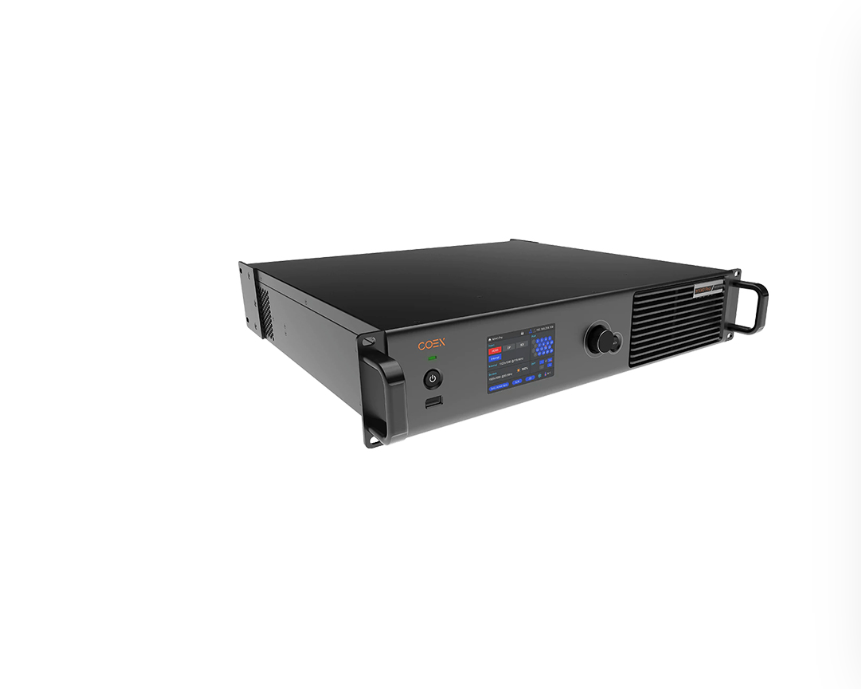
China’s NovaStar has reshaped the market with the COEX VMP lineup (e.g., MX40 Pro). Their 5G-based data transmission dramatically boosts bandwidth, and paired with A8s/A10s Pro receiving cards, offers excellent grayscale and color performance at a highly competitive cost.
Key strengths:
-
Outstanding price/performance
-
High-bandwidth 5G transmission
-
Strong grayscale and color correction
Best for:
Commercial shoots, broadcast studios, and cost-efficient XR stages.
Sostron’s take:
Both systems are fully compatible with our Ares outdoor series and Reta indoor series. We recommend based on your actual project requirements—not just the most expensive option.
Six More Advanced Systems Worth Your Attention
Beyond the two giants, these six platforms play important roles in specific VP niches:
Megapixel VR (Helios):
A powerhouse in North America, built for 8K workflows and modular inputs. Loved by technical purists.
Colorlight:
The Z-series has made huge strides in color science. Popular in broadcast studios thanks to high stability.
Disguise (Media Server):
Technically a media server, but operationally the “brain” of VP workflow. Often used together with an LED processor. Many Sostron screens serve as output displays in Disguise xR environments.
Pixera:
Austria-based real-time server known for strong 3D previs tools and an intuitive interface. Rising fast in mid-size VP studios.
ListenVision:
Focused on video processing and wall control. Reliable for event screens and small XR/streaming environments.
Magnimage:
Delivers strong video processing at an excellent value. Widely used in rental staging and hybrid events.
Exclusive Comparison Table: Mainstream LED Control Systems
| Feature / System | Brompton Tessera SX40 | NovaStar MX40 Pro | Megapixel VR Helios | Colorlight Z8t |
|---|---|---|---|---|
| Market Position | Film-grade / Premium | Pro / High-Value | 8K / High-End Technical | Broadcast / Commercial |
| Transmission Bandwidth | 1G / 10G | 5G | 10G / 100G | 1G / 10G |
| Color Depth | 12 / 14 / 16-bit | 8 / 10 / 12-bit (HDR) | Up to 16-bit | 8 / 10 / 12-bit |
| Frame Sync | ShutterSync® | Genlock | Genlock+ | Genlock |
| Multi-Camera Support | Frame Remapping | Frame Multiplexing | GhostFrame | Partial |
| Budget Level | ⭐⭐⭐⭐⭐ | ⭐⭐⭐ | ⭐⭐⭐⭐ | ⭐⭐ |
Note: Performance varies depending on LED cabinet configuration; data is based on Sostron’s internal testing.
FAQ: Frame Rate, Color, and Latency
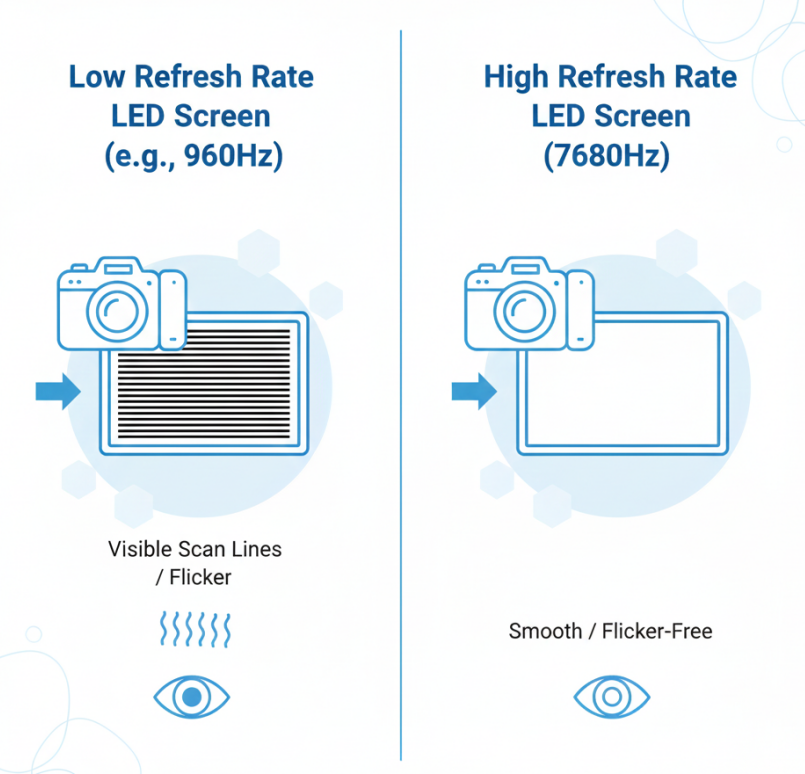
Q1: Do we really need 7,680Hz refresh for virtual production?
Yes.
High-shutter-speed cameras easily expose scan lines on low-refresh LED walls. Anything below 3,840Hz is risky. Sostron’s Reta and Carbon Family panels reach up to 7,680Hz, designed specifically for film environments.
Q2: What is moiré, and can the control system remove it?
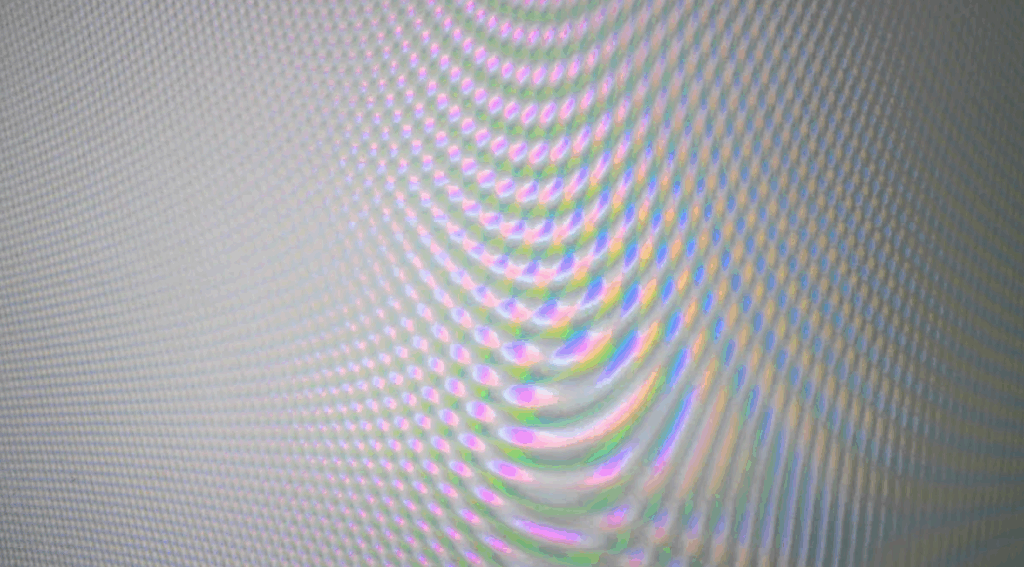
No processor can eliminate moiré.
Moiré comes from the relationship between pixel pitch and shooting distance. That’s why Sostron recommends GOB small-pitch screens for tight studios and uses the “Sostron Pixel Distance Calculator” to determine optimal camera-to-LED spacing.
Q3: Why does latency matter so much?
If your camera moves but the background updates 3 frames later, the scene feels like it’s floating—destroying spatial realism.
A strong control system paired with Sostron’s low-latency driver ICs keeps end-to-end delay extremely low for accurate parallax.
How Sostron Optimizes VP Hardware + Control Integration
Even the best processors can’t save a poorly engineered LED panel.
Sostron is more than a display manufacturer—we build a complete visual ecosystem.
Strict Quality Control
Every VP-grade panel undergoes:
-
Waterproofing and compression testing
-
Control-system compatibility testing
-
Thermal stability evaluation
In production or live broadcast environments, a single black frame is unacceptable—that’s why reliability is non-negotiable.
Factory-Direct Pricing
VP hardware is expensive. Sostron’s factory-direct model lets customers skip multiple distribution layers and reallocate budget toward higher-end processors like Brompton or NovaStar.
Global Support Network
From outdoor LED installations in New Cairo to transparent LED projects in Dubai, Sostron serves 70+ countries with fast spare-parts delivery and on-site technical assistance.
Final Thoughts
Choosing an LED control system is really choosing your studio’s productivity for the next 3–5 years.
Whether you prioritize Brompton’s uncompromising image quality or NovaStar’s cost-efficient performance, Sostron offers LED display solutions engineered to match and maximize the capabilities of your chosen system.
References:
Helios Processing Platform Technical Datasheet