Table of Contents
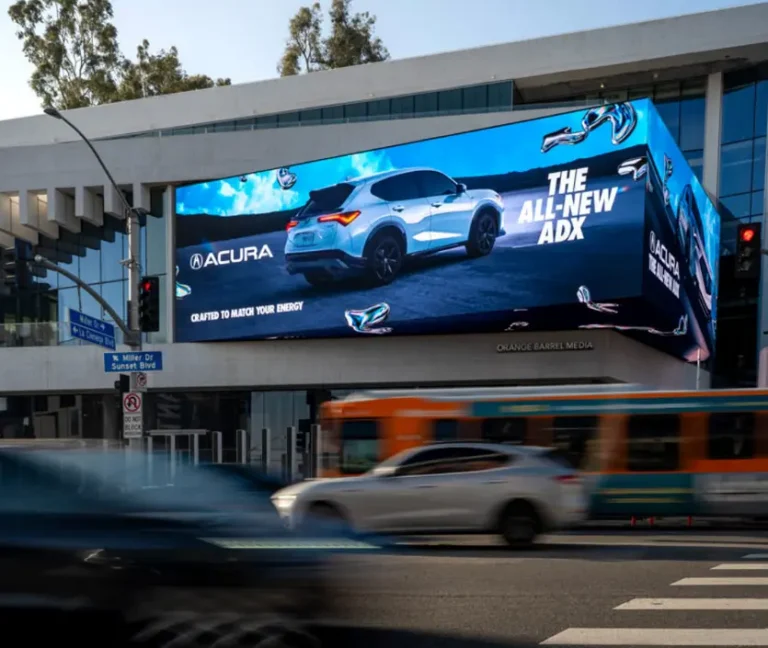
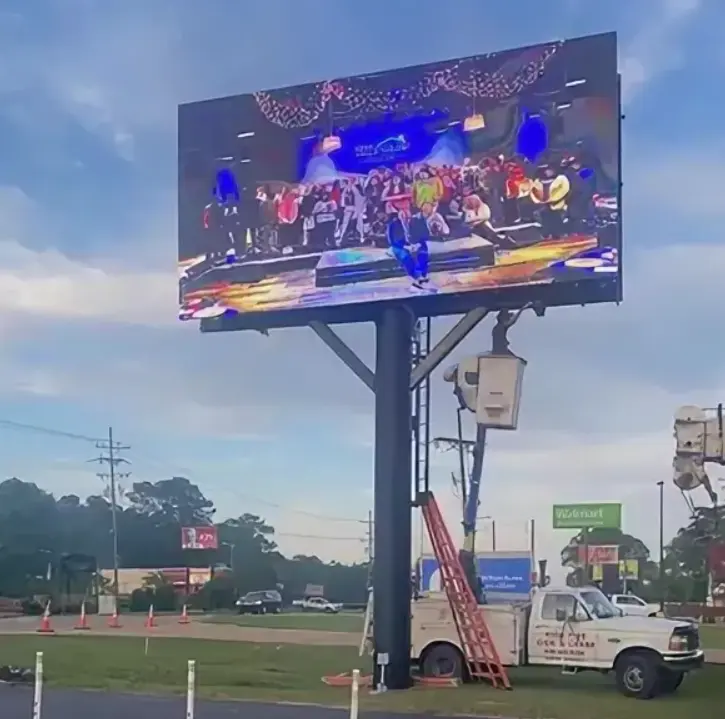
ToggleThe P6.67 outdoor front-service LED display is a digital signage solution purpose-built for high-brightness environments. Its defining features are a 6.67 mm pixel pitch and a Full Front Access design. Using standard 320×160 mm or 320×320 mm modules, this system delivers 5,500–8,000 nits of brightness for clear visibility in direct sunlight. More importantly, it allows technicians to remove modules, power supplies, and receiving cards entirely from the front, eliminating the need for rear service access.
The result: at least 60 cm (24 in.) of installation depth saved, along with significant reductions in steel structure and construction costs.
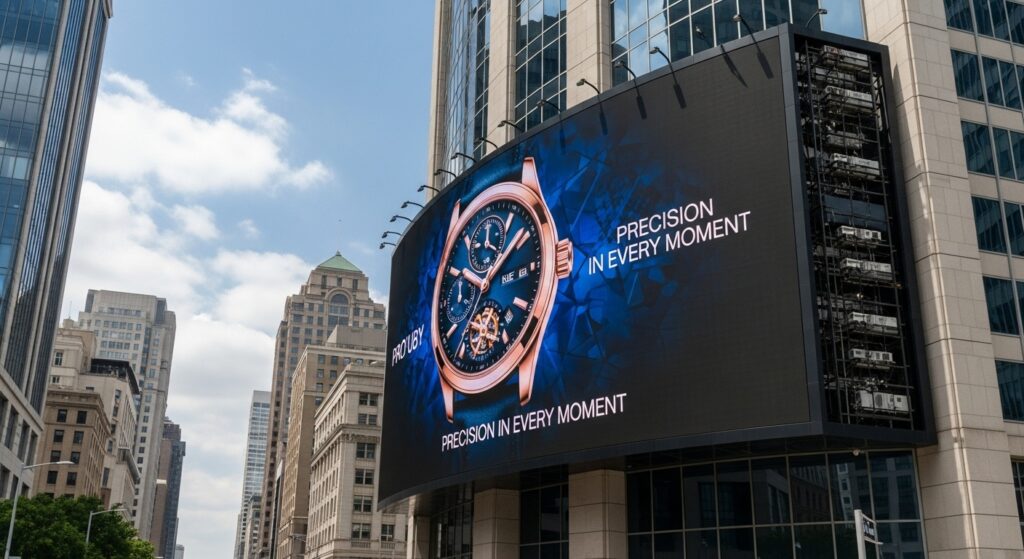
The Core Pain Point: Why B2B Buyers Are Shifting to Front Service
In traditional LED billboard designs, a rear service corridor is considered mandatory—but it creates three major problems:
Wasted Space
On commercial streets, building façades, or recessed installations, every inch of depth translates directly into higher rent and opportunity cost.
High Structural Costs
Rear access requires heavy maintenance walkways and guardrails. Steel structures alone often exceed 30% of the total project budget.
Slow and Risky Maintenance
When a fault occurs, engineers must crawl into narrow, hot spaces behind the screen. In extreme weather, this is inefficient—and can be unsafe.
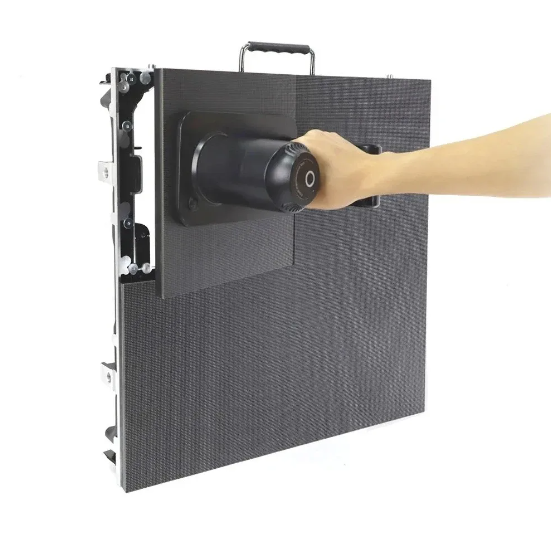
With P6.67 front-service designs, vacuum suction tools or front-removal screw systems enable a true “mount to the wall, open from the front, fix immediately” workflow. Single-point repairs drop from hours to minutes.
Deep Technical Breakdown: Understanding the “Hidden Rules” Behind P6.67 Specs
As an engineer with 20 years of field experience, I’ll be blunt: reading between the lines of the spec sheet matters.
Pixel Pitch vs. Viewing Distance
P6.67 is often called the “golden balance” for outdoor displays.
-
Compared with P10, pixel density increases by 125%, eliminating visible pixelation at ~10 m viewing distances.
-
Compared with P4, P6.67 uses larger, more robust LEDs with lower thermal stress, making it better suited for long-term, large-scale outdoor operation.
Common Cathode Technology
This is the core competitive advantage of flagship products such as the Sostron ARES 2 Series.
Traditional common-anode systems supply the same voltage to red, green, and blue LEDs, wasting excess energy as heat. Common cathode designs deliver precise voltages—approximately 2.8 V for red LEDs and 3.8 V for green/blue LEDs.
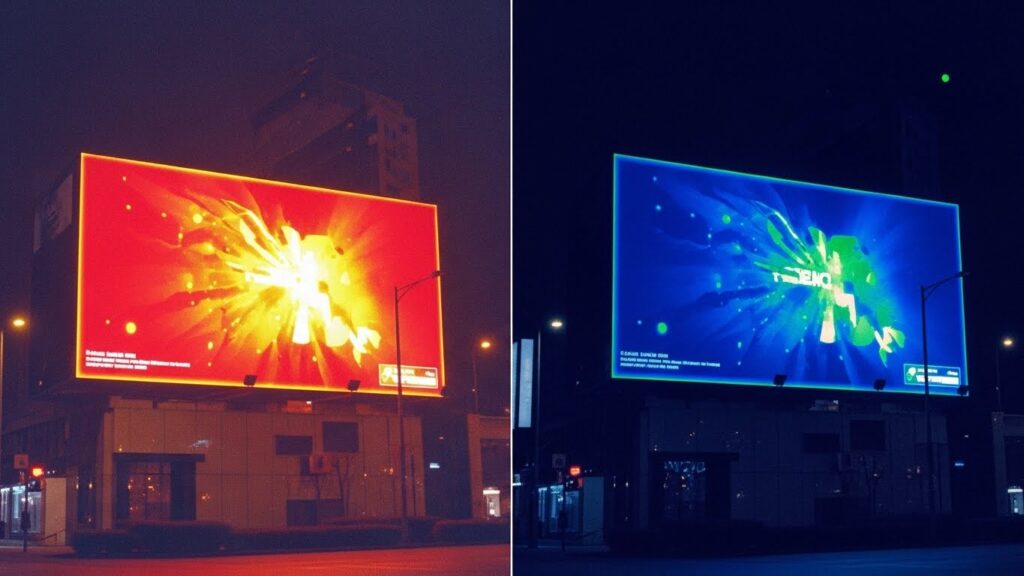
Benefits:
-
Screen temperature reduced by 20 °C (36 °F) or more
-
Up to 50% lower operating power consumption
-
Effective prevention of heat-induced “caterpillar” LED failures
Table 1. Key Parameter Comparison: P6.67 Solutions by Quality Tier
| Parameter | Entry-Level (Market Generic) | Professional-Grade (Sostron ARES 2) | Commercial Impact |
|---|---|---|---|
| LED Wire Bonding | Copper wire | Gold wire (NationStar) | Determines brightness decay and dead-pixel rate after 2 years |
| Driver IC | Generic, low refresh | 3840 Hz+ high refresh (MBI / ICN) | No flicker or scan lines on smartphone video; higher brand image |
| Cabinet Material | Steel | Die-cast aluminum | Faster heat dissipation, no rust, 40% lighter weight |
| Protection Rating | Single-side potting, IP65 | Dual-side potting, IP65 + sealed electronics | Determines lifespan in coastal or typhoon-prone regions |
Business & Supply Chain: The “Hidden Costs” Most Buyers Miss
In B2B procurement, price per square meter is often the most misleading metric. A smarter approach is TCO (Total Cost of Ownership).
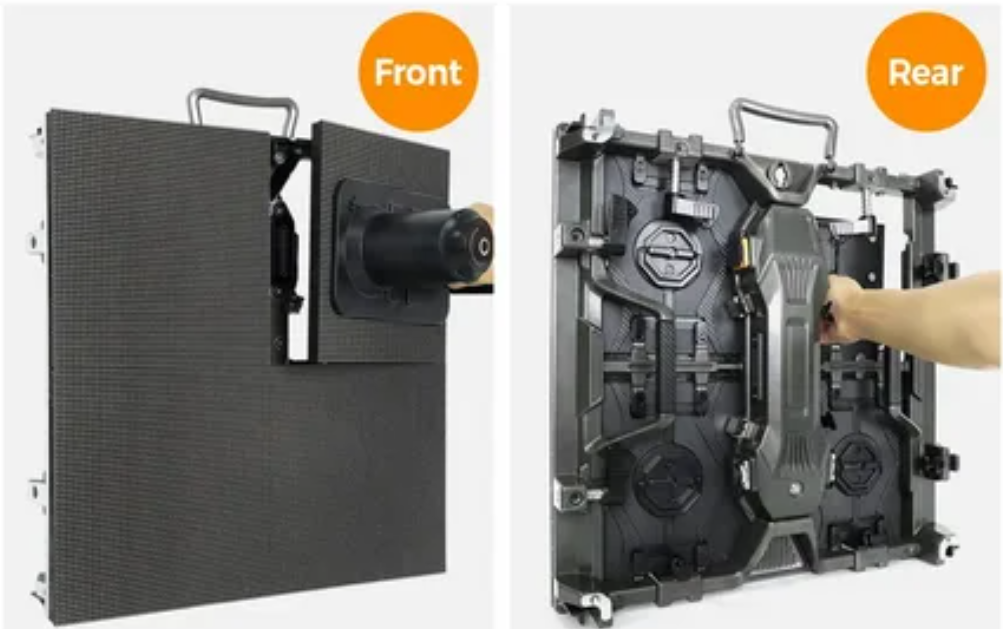
Steel Structure Savings (Up to 40%)
Front-service displays eliminate rear catwalks, saving tons of steel and avoiding complex construction permits.
Power Consumption
Outdoor LED screens consume serious electricity. High-efficiency power supplies and common cathode designs—such as Sostron Storm Pro—can save enough power over three years to equal the purchase price of the screen itself.
Logistics & Installation
-
Die-cast aluminum cabinets: ~20 kg/m²
-
Steel cabinets: ~45 kg/m²
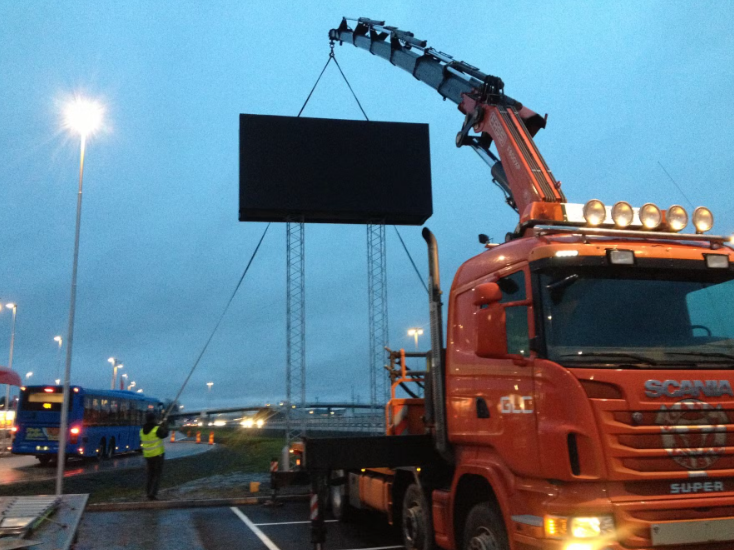
For exporters, that’s roughly half the ocean freight cost. On-site installation typically drops from five workers to two.
Pitfall Avoidance: Industry Insider Warnings
Beware of “Fake Front Service”
Some low-cost displays advertise front service but only allow module access from the front. Power supplies and receiving cards still require rear access.
The Sostron ARES Series supports full-component front removal, which is what true worry-free maintenance looks like.
The Brightness Trap
Many suppliers claim 6,000 nits, only to see brightness fall to 4,000 nits within six months due to poor LEDs and driver ICs.
How to verify: Request the LED LM-80 lumen maintenance test report.
Vacuum Tools vs. Mechanical Locks
Front-service modules rely on magnetic or mechanical retention. If magnets are used, confirm N52-grade strength. Anything less risks module detachment under highway vibration or strong winds.
FAQ: The Tough Questions You Should Ask
Q: If front-service displays are so good, why do they cost more than rear-service models?
A: The structure is more complex, requiring precision cabinet frames and specialized locking mechanisms. However, installation and space savings typically offset the price difference within six months.
Q: Can these screens handle extreme heat in places like Egypt or Africa?
A: Yes—if you choose all-aluminum, fanless designs. In our Cairo project, the ARES series operated reliably at 50 °C (122 °F) using passive aluminum heat dissipation, outperforming traditional fan-cooled steel cabinets.
Q: What about after-sales support?
A: B2B buyers should stock 1–5% spare parts. At Sostron, we also provide cloud-based fault prediction via CMS, identifying abnormal power stress before failures occur.
The Sostron Solution: From a 15,000 m² Facility to Global Projects
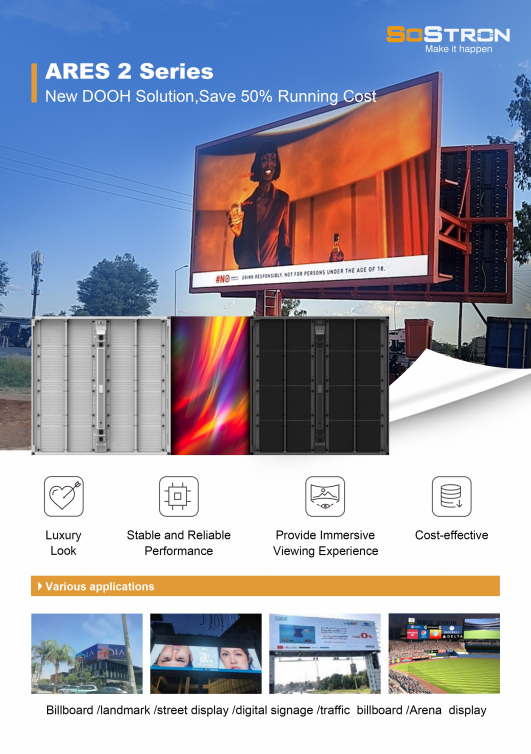
As a national high-tech enterprise, Sostron doesn’t just sell screens—we deliver engineering solutions built on 14 years of experience.
Flagship Recommendation: ARES 2 Series
Designed for projects demanding maximum energy efficiency and long service life, its common cathode architecture and all-aluminum construction make it a top choice for global landmark installations.
Conclusion
Choosing a P6.67 outdoor front-service LED display is a long-term business investment. Don’t fixate on the first line of the purchase contract—focus on the next five years of savings in electricity, maintenance, and space costs. Old-school thinking says “cheapest upfront wins.” Experience says otherwise.
About SoStron
Marketing Strategic Director at Sostron