Table of Contents
-
Three Golden Rules for Buying Event LED Screens
-
Core Technology Choices & Common Pain Points
-
Cost Structure, BOM Transparency & TCO Traps
-
B2B Buying Pitfalls and Sostron’s Dedicated Solutions
-
Frequently Asked Questions
-
Summary & Next Steps
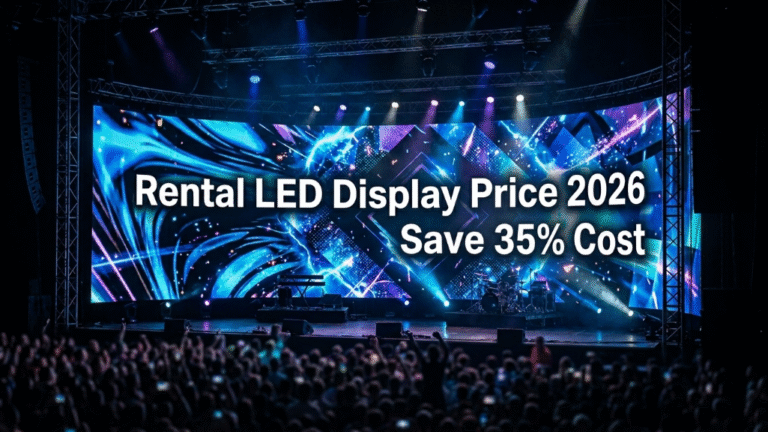
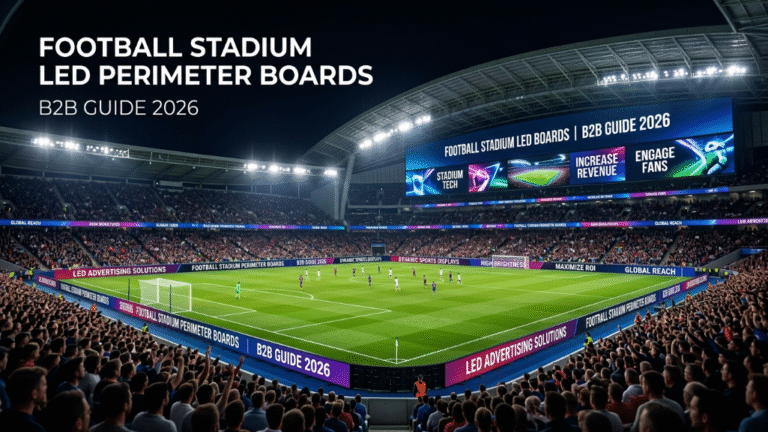
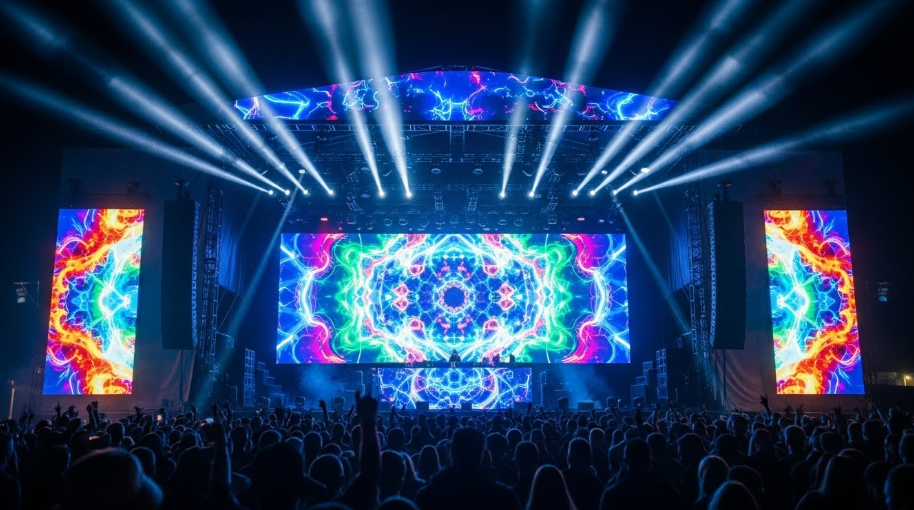
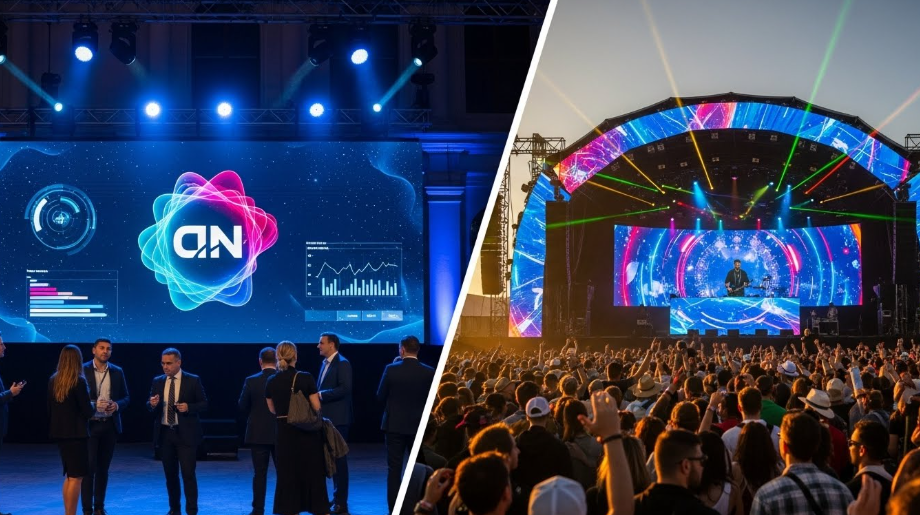
Giant screens for events typically refer to high-brightness, fast-installation indoor or outdoor rental LED video walls. Thanks to seamless splicing, high resolution, and strong on-site reliability, they have become a standard fixture for large concerts, sports events, and brand launches.
Successful procurement is not about chasing the lowest price. It comes down to evaluating pixel pitch vs. viewing distance, IP protection levels, and the efficiency of quick-lock installation systems. A professional-grade rental LED screen must deliver high refresh rates, dual redundancy, and a design that minimizes your total cost of ownership (TCO).
Three Golden Rules for Buying Event LED Screens
For production company buyers, export-oriented factory owners, and industrial engineers, choosing an event LED screen is not about “good vs. bad”—it’s about risk control and operational efficiency. From a manufacturer’s perspective, these are the three non-negotiables.
1. Stability Comes First—Always
For outdoor events, IP65+ protection and power/signal redundancy are the last line of defense against a black screen.
One failed cabinet can shut down an entire live broadcast. The hidden losses—from penalties, refunds, and brand damage—far exceed the cost of a few LED modules.
2. Focus on Total Cost of Ownership (TCO)
Low-priced screens may look attractive at first, but they often lead to:
-
Higher electricity bills due to poor energy efficiency
-
Increased on-site maintenance from frequent failures
-
Rapid brightness decay (up to 50% within two years)
TCO—not the sticker price—is the only reliable metric for measuring ROI.
3. Speed of Installation Equals Profitability
In rental operations, turnover speed determines margins. Screens with fast-lock systems, lightweight cabinets, and hot-swappable modules can reduce setup time by up to 50%, cutting labor and downtime dramatically.
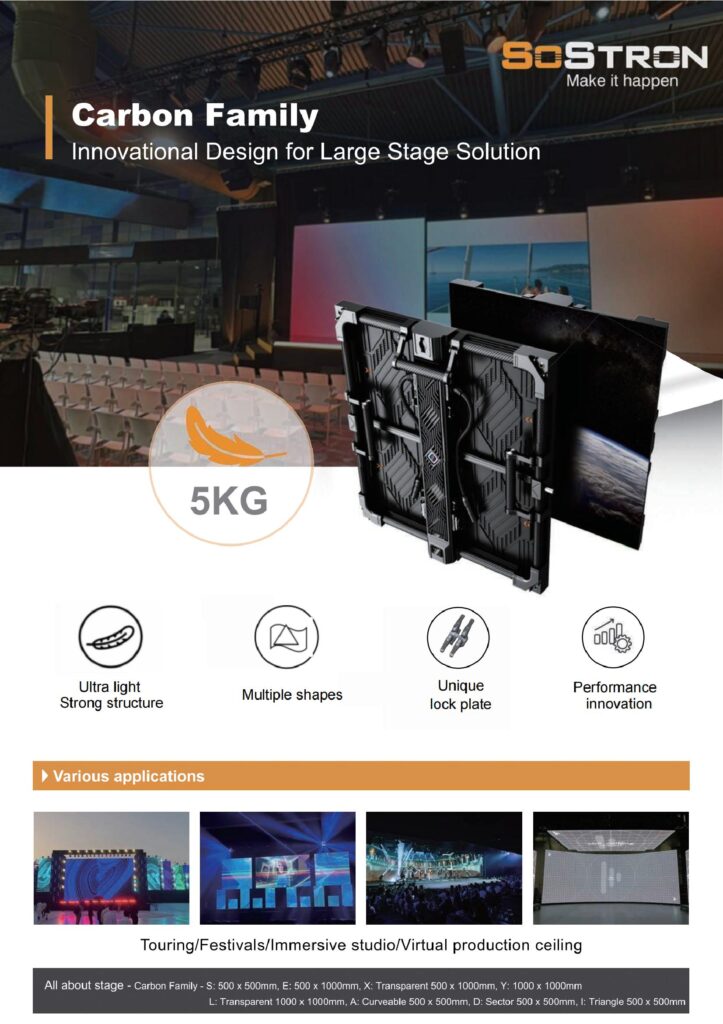
For maximum deployment efficiency, we recommend the Hima Series or the Carbon Series (carbon-fiber cabinets for ultra-lightweight performance).
Core Technology Choices & Key Pain Points
How to Choose the Right Pixel Pitch
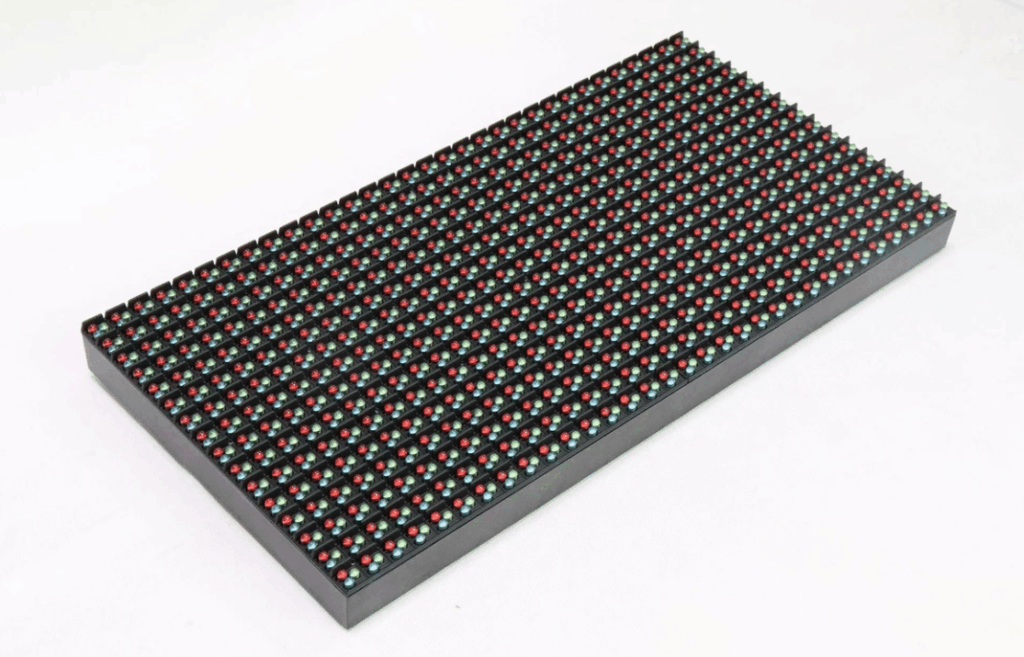
Pixel pitch (P value) defines image clarity and is the primary factor in pricing—but smaller is not always better. It must match the optimal viewing distance (generally P × 1000 = minimum viewing distance in millimeters).
Choosing the wrong pixel pitch leads to two common mistakes:
-
Too fine: Higher cost with no visible benefit at long viewing distances
-
Too coarse: Grainy images (“screen-door effect”) at close range
Based on extensive event experience, Sostron recommends the following:
| Pixel Pitch | Best Viewing Distance (m) | Typical Applications | Sostron Recommendation | Cost & Efficiency |
|---|---|---|---|---|
| P2.5 – P2.9 | 2–4 | Indoor launches, exhibitions, close-range broadcast backdrops | Reta Series (fixed indoor) or Hima Series (light rental) | Highest cost, premium image quality |
| P3.91 – P4.81 | 4–8 | Outdoor festivals, large stages, mid-range events | Hima / Carbon Series | Market mainstream, best balance |
| P6 – P10 | 10+ | Stadium perimeters, long-distance messaging, billboards | Ares Series (fixed outdoor) | Lower cost, not for close viewing |
Eliminating Event Risks: Reliability & Redundancy
The success of a live event depends on zero failure tolerance. For production teams, on-site screen failure is the single biggest risk.
True IP65 Protection
Outdoor rental screens must meet IP65 standards, meaning full dust resistance and protection against water jets.
Industry reality: many suppliers only protect the front panel. Power and signal components on the back remain vulnerable.
Sostron’s Hima Series uses a fully sealed rear cabinet and waterproof connectors for true all-around protection.
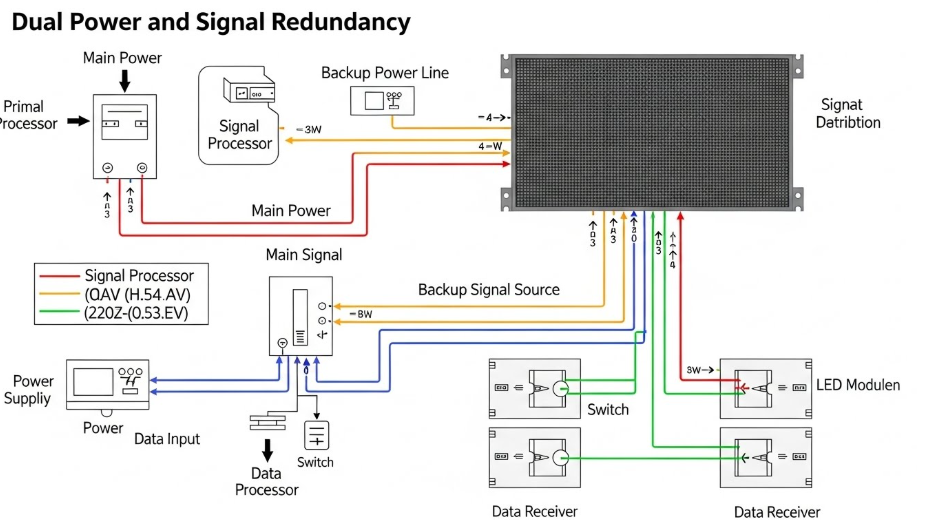
Power & Signal Redundancy
For concerts and live broadcasts, dual backup systems are strongly recommended. If the primary power supply or signal line fails, the system switches instantly to the backup—without a black frame.
This millisecond-level failover is what separates professional-grade systems from standard products.
Cost Structure, BOM Transparency & TCO Traps
As a source manufacturer, we can state clearly: price gaps in the market come down to BOM transparency.
Low prices rarely come from innovation—they usually come from downgraded components.
BOM Breakdown of a P3.91 Outdoor Rental Screen
| Cost Component | Share | Low-Price Risk | Sostron Engineering Standard |
|---|---|---|---|
| LED chips | ~35% | B-grade or recycled LEDs, color inconsistency, >50% brightness loss in 2 years | Tier-1 A-grade LEDs, <5% annual brightness decay |
| Driver IC | ~20% | Low refresh (<1920Hz), camera flicker and moiré | High-end PWM ICs, 3840Hz+ refresh |
| Die-cast cabinet | ~30% | Recycled aluminum, poor tolerances, visible gaps | Precision manufacturing, seamless alignment |
Key Models & Transparent Factory Pricing (Reference)
Based on production costs from Sostron’s 15,000㎡ manufacturing base, the following are factory reference prices (excluding freight, tax, and customization):
| Product Series | Pixel Pitch | Core Configuration | Reference Price (USD/m²) | Risk Warning |
|---|---|---|---|---|
| Hima (Outdoor) | P3.91 | Nationstar LEDs / MBI 5153 / IP65 | $220–$260 | Below $200: IC downgrades or non-outdoor LEDs |
| Carbon (Outdoor) | P4.81 | Kinglight LEDs / Novatek / IP65 / carbon fiber | $240–$280 | Above $300 requires special certification |
| Hima (Indoor) | P2.6 | Nationstar LEDs / high-refresh IC | $180–$220 | Below $170 may mean low grayscale or brightness |
Why is Carbon P4.81 more expensive than Hima P3.91?
Because carbon fiber cabinets sacrifice material cost to achieve extreme lightweight performance—ideal for premium touring and stage markets.
Final pricing depends on order volume and customization.
Request a quote or schedule a factory visit to access true factory-level pricing.
TCO Risks & Hidden Costs
For export traders, low upfront prices may bring short-term gains—but client complaints, returns, and reputational damage erase profits quickly.
TCO Formula:
-
High power consumption increases generator and electricity costs
-
Maintenance downtime kills rental profitability
The Hima Series supports hot-swappable modules, cutting on-site repairs from hours to minutes. With 14 years of manufacturing experience, Sostron guarantees long-term spare parts availability.
B2B Buying Guide & Sostron Standards
Industry Average vs. Sostron Engineering Standards
| Parameter | Industry Standard | Sostron Standard | Buyer Value |
|---|---|---|---|
| Module connection | Ribbon cables | Hard connectors | Higher stability |
| Brightness uniformity | ±10% | ±3% (calibrated) | No patchy screens |
| Lock speed | ~20s/cabinet | <10s/cabinet | 50% faster setup |
| Aging test | 24 hours | 72 hours | Fewer early failures |
From Factory to Field
Sostron is more than a supplier—we are a technical partner.
-
4,000㎡ R&D center for custom solutions
-
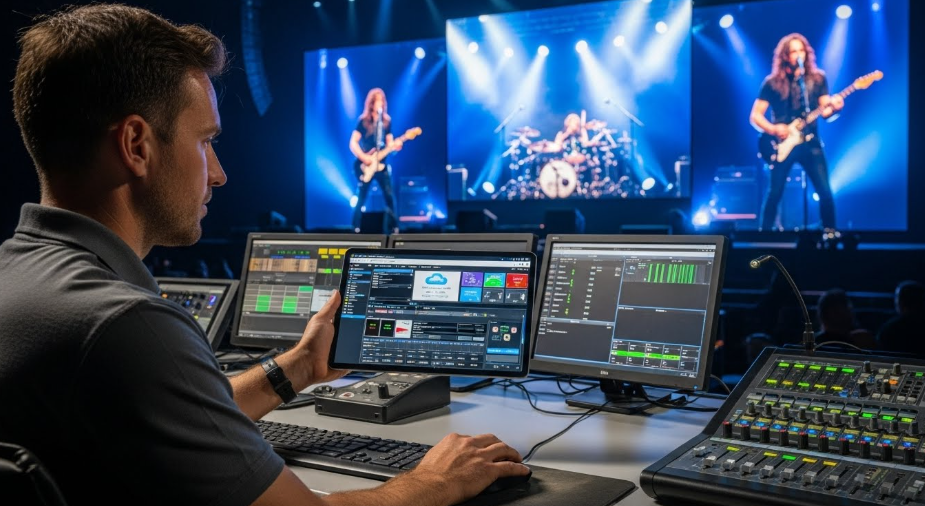
CMS cloud control system with real-time monitoring and fault alerts
-
Proven success in demanding environments, including large-scale music festivals in Chile using the Carbon Series
Frequently Asked Questions (FAQ)
Q: What is the current market price for outdoor P3.91 rental screens?
A: Prices vary widely. Anything below $200/m² requires careful scrutiny of LED grade and IP rating.
Q: Why is 3840Hz+ refresh rate important?
A: It eliminates flicker, scan lines, and moiré under broadcast cameras—mandatory for live streaming and recording.
Q: Rent or buy if I only use screens three times a year?
A: Buying becomes cost-effective if usage exceeds five times per year. Ownership ensures consistent quality and avoids mixed-condition rental inventory.
Q: How does Sostron support overseas after-sales service?
A: Modular design, hot-swappable repairs, spare parts support, and remote diagnostics via CMS ensure minimal downtime.
Summary & Call to Action
Choosing a giant LED screen for events is ultimately risk management. You’re not just buying hardware—you’re investing in 14 years of experience, a 15,000㎡ manufacturing base, and a 4,000㎡ R&D center.
Whether you’re a production company buyer or an export-oriented manufacturer, Sostron delivers transparency, reliability, and engineering-grade standards.
References:
LED Chip Tier & Color Consistency Standards
IP Protection Standards (IEC 60529)