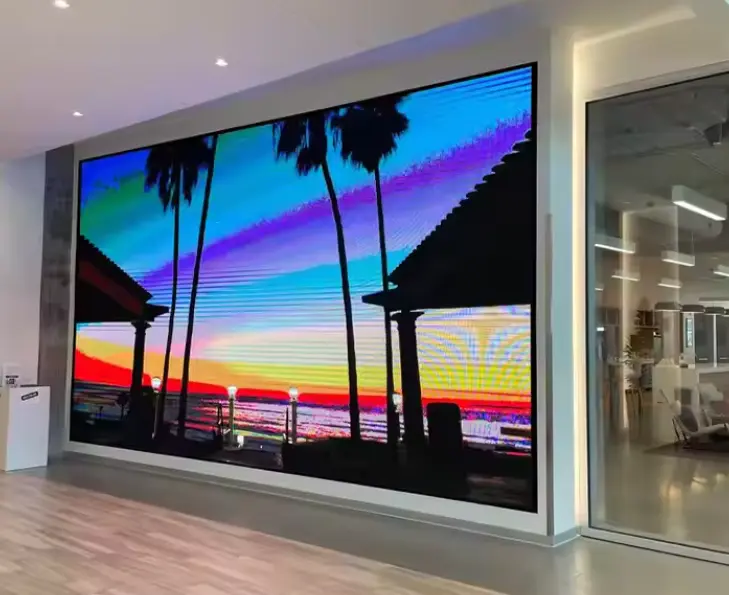
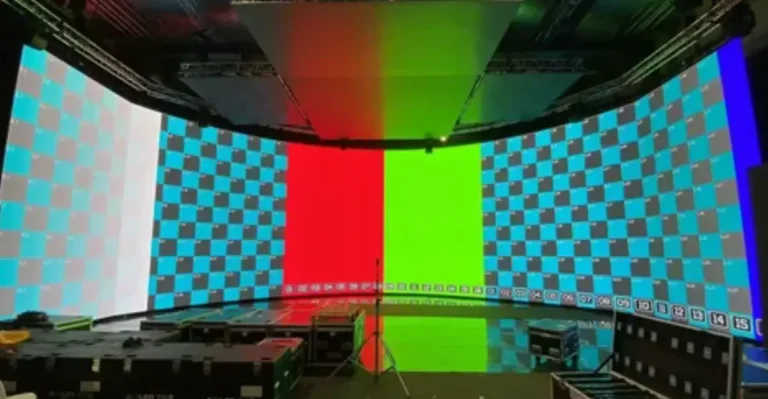
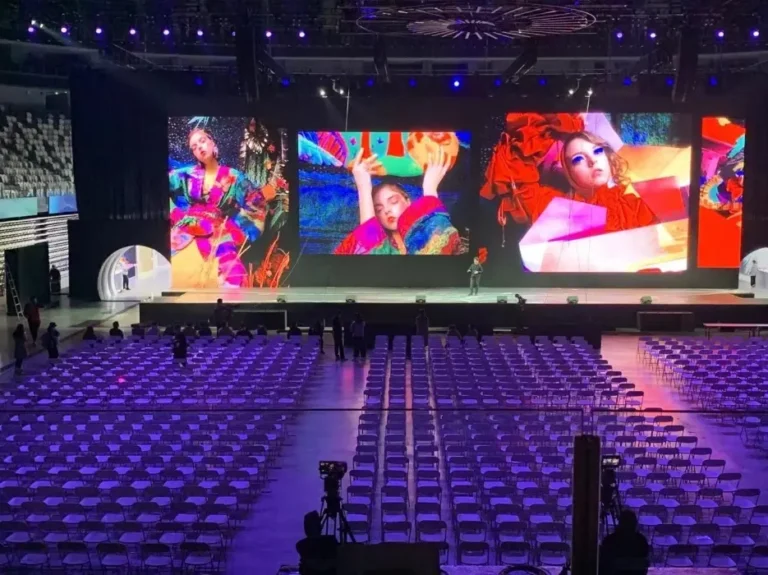
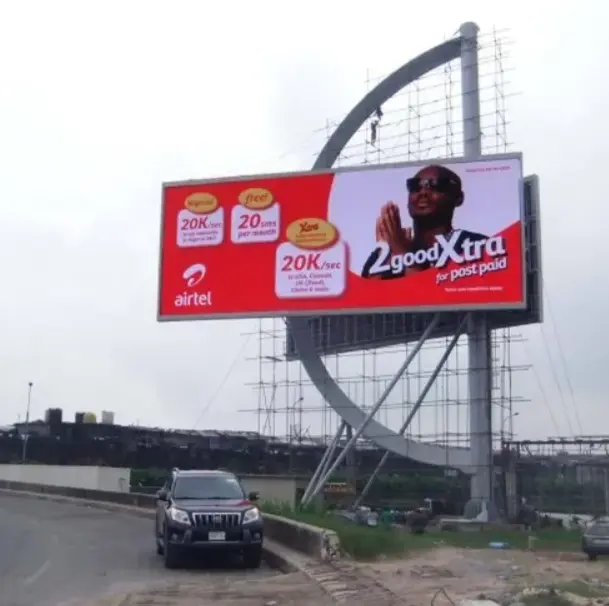
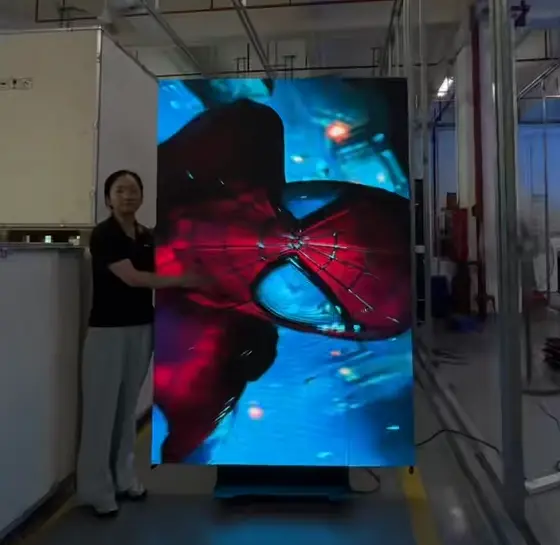
LED lamp chips are the fundamental elements determining a display or light’s brightness, energy consumption, size, and application scope. In 2026, LED technology continues evolving, yet three chip sizes—3528, 5050, and 3014—remain industry standards for various lighting solutions.
Based on my 10+ years of experience deploying LED systems across automotive, commercial, and architectural projects, I’ll share practical details and data-backed guidance.
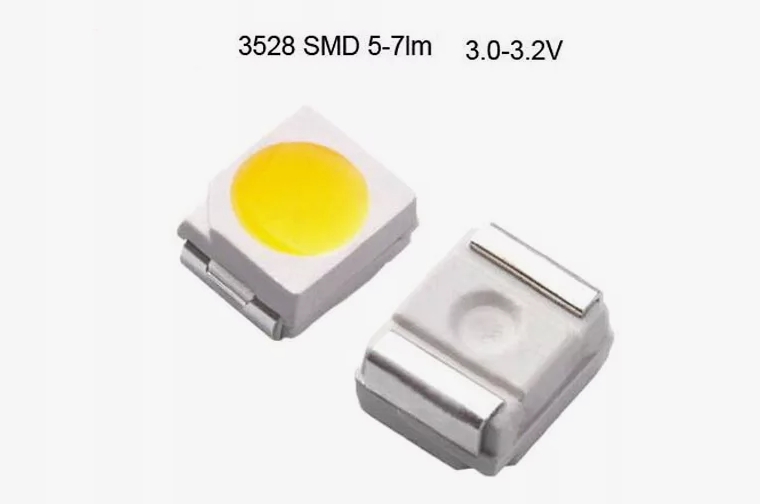
3528 LED Chip: Compact and Versatile
| Specification | Details |
|---|---|
| Dimensions | 3.5mm x 2.8mm x 1.9mm |
| Power Consumption | 0.06W per single-color chip |
| Colors Available | Red, green, blue, and others |
| Common Uses | Automotive dashboards, electronic indicators, decorative lighting |
The 3528 chip strikes a balance between size and functionality. Due to its modest brightness and broad color availability, it’s frequently used in indoor applications or less demanding outdoor scenarios. Its energy consumption is moderate, making it a reliable, cost-effective option.
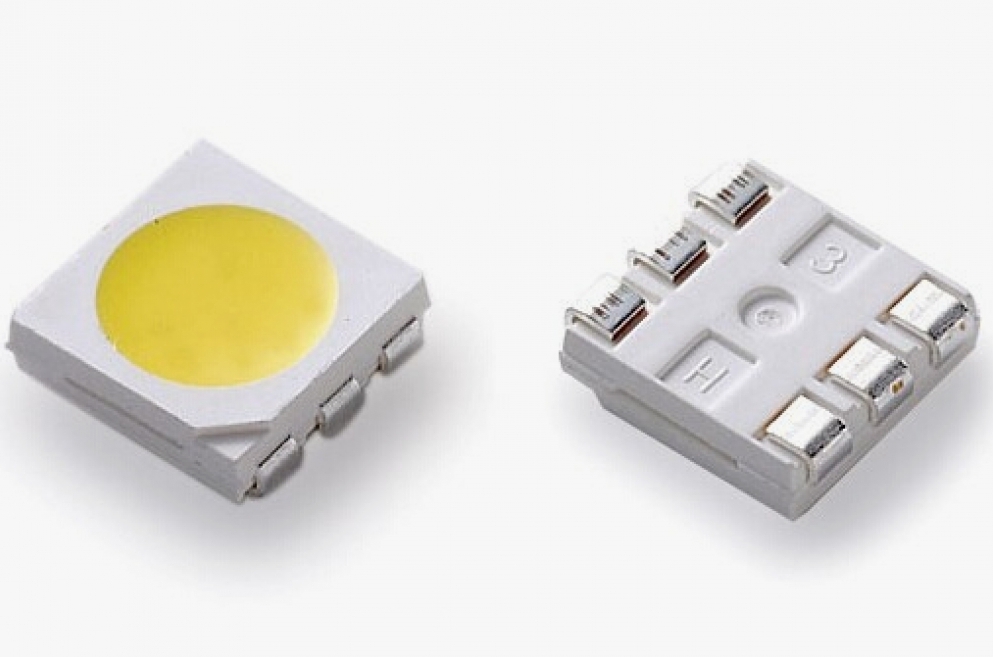
5050 LED Chip: Powerful and Bright
| Specification | Details |
|---|---|
| Dimensions | 5mm x 5mm x 1.6mm |
| Power Consumption | Approximately 0.2W, customizable up to 0.5W+ |
| Colors Available | Wide spectrum: red, green, blue, yellow, orange, purple, etc. |
| Common Uses | Outdoor billboards, architectural lighting, automotive lights |
Among the three, the 5050 chip has the largest size and highest brightness output. Thanks to enhanced heat dissipation capabilities, it performs reliably in outdoor applications requiring intense illumination. Its higher power consumption comes with superior visibility benefits.
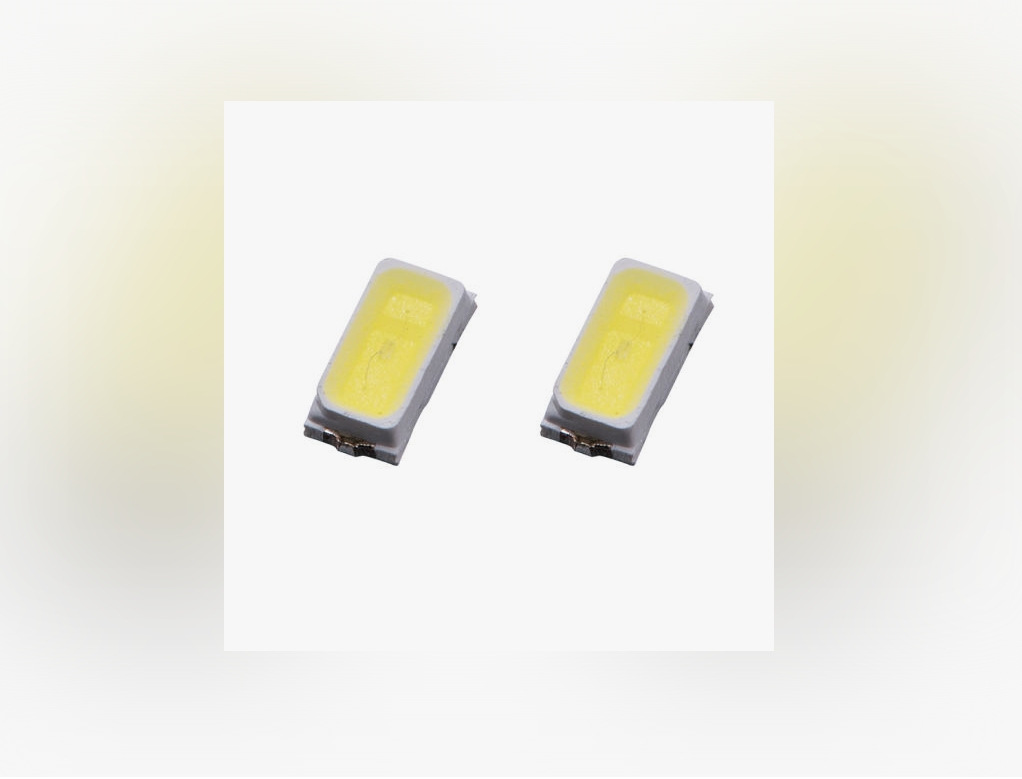
3014 LED Chip: Small But Efficient
| Specification | Details |
|---|---|
| Dimensions | 3.0mm x 1.4mm x 0.8mm |
| Power Consumption | 0.1W per chip |
| Colors Available | Primarily single-color: red, green, blue |
| Common Uses | High density indoor lighting, LED strips, advertising displays |
The 3014 chip is the smallest and designed for high-density layouts where space is constrained. It offers a good balance of brightness and energy efficiency, commonly preferred in modern commercial and indoor lighting systems prioritizing compact design.
Key Differences Among 3528, 5050 and 3014 Chips
| Feature | 3528 | 5050 | 3014 |
|---|---|---|---|
| Size | Medium (3.5mm x 2.8mm) | Largest (5mm x 5mm) | Smallest (3.0mm x 1.4mm) |
| Brightness | Moderate | High | Moderate to high |
| Power Consumption | Low to moderate (0.06W) | Highest (0.2W+) | Low (0.1W) |
| Suitable Applications | General indoor, dashboards | Outdoor lighting, billboards | High-density, indoor displays |
| Color Options | Diverse | Very diverse | Mainly single-color |
| Price Range | Mid-range | Higher price | Most economical |
How to Choose the Right LED Chip for Your Needs
Choosing the ideal LED chip depends on your project’s brightness requirements, space constraints, power consumption goals, and budget considerations. Here’s a professional guideline:
- High-Brightness Outdoor Use: Opt for 5050 chips for their superior illumination and heat management.
- Indoor or Space-Constrained Areas: 3014 chips offer compact size and decent brightness for tight layouts.
- Versatile Moderate Use: 3528 chips provide an economical and balanced choice for many mid-range lighting needs.
FAQ: LED Chip Selection and Performance
Q1: Can 3014 chips deliver brightness comparable to 5050?
A1: While generally less bright due to size, 3014 chips achieve good brightness density for indoor applications through high-density layouts.
Q2: How does power consumption compare?
A2: 3014 chips consume the least power (~0.1W), while 5050 chips consume the most (~0.2W+). 3528 chips fall in between.
Q3: Are all colors available across these chips?
A3: 5050 has the widest color range, including RGB and multi-color options. 3528 also supports diverse colors. 3014 is mostly single-color.
Summary
| LED Chip | Advantages | Ideal Use Cases |
|---|---|---|
| 3528 | Balanced cost, moderate size | Automotive dashboards, general indoor lighting |
| 5050 | Highest brightness, heat dissipation | Outdoor lighting, billboards, automotive lighting |
| 3014 | Compact size, energy efficient | Dense indoor lighting, LED strips, advertising displays |
Selecting the right LED chip specification requires weighing your project’s brightness, size, energy consumption, and cost parameters. Hopefully, this comprehensive, data-backed guide helps you make an informed choice in 2026.