Unlock Maximum Impact with Custom LED Displays Today
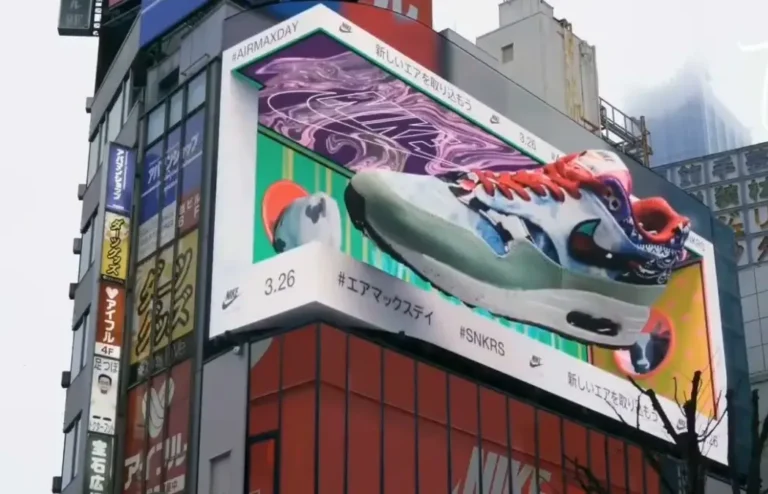
Custom LED displays have become the ultimate solution for brands demanding standout visual presence and interactive experiences. If off-the-shelf LED screens feel limiting due to size constraints, lack of creativity, or lack of advanced features, custom LED displays break these barriers — delivering tailor-made solutions with scalability, versatility, and higher ROI.
In 2026, businesses face ever-increasing pressure to captivate audiences amidst skyrocketing content competition. Custom LED displays solve this core pain by offering immersive storytelling tools integrated seamlessly into complex environments, from curved architectural façades to interactive retail floors. Choosing a custom LED is no longer a luxury; it’s a strategic necessity for modern brand engagement.
What You Will Learn in This Guide
- Clear differentiation between custom and standard LED displays
- Applications revolutionizing retail, events, and architecture
- Technical innovations driving flexibility, durability, and interactivity
- Stepwise project planning from concept through commissioning
- Essential criteria for selecting a reliable LED display supplier
- FAQ addressing project timelines, technology, and usage
- Data-driven insights reflecting 2026 market trends and projections
Defining Custom vs. Standard LED Displays
| Feature | Standard LED Displays | Custom LED Displays |
|---|---|---|
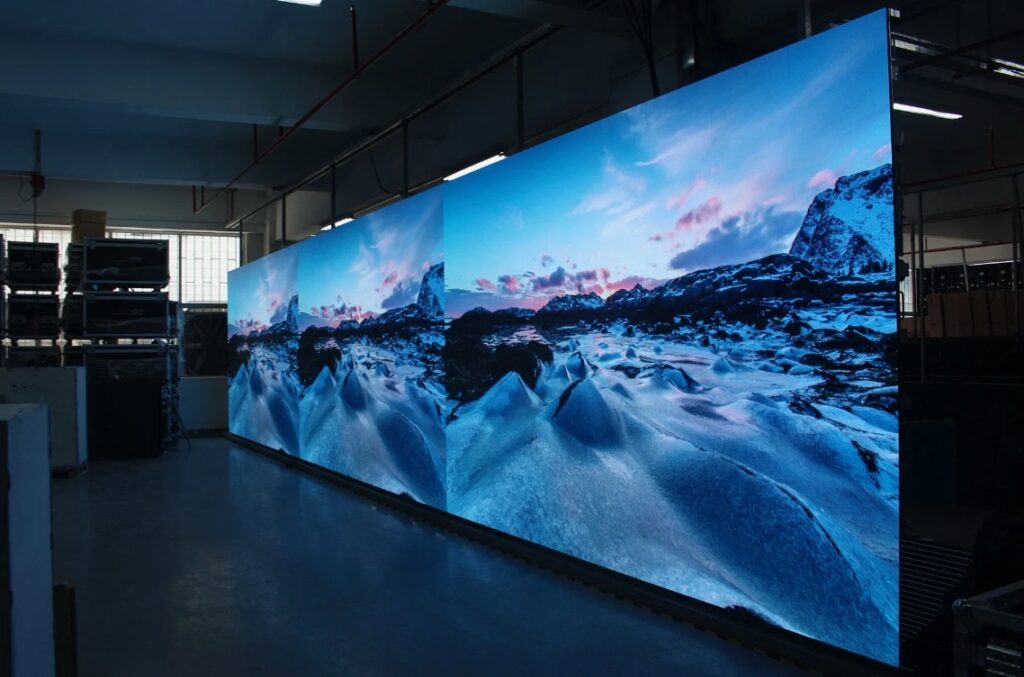
| Size and Shape | Fixed sizes, generic form factors | Unlimited shapes, tailored dimensions |
| Resolution Options | Limited to preset resolutions | Supports UHD, high pixel density |
| Installation Ease | Quick deployment with standard mounts | Requires engineering for structures |
| Interactivity | Mostly non-interactive or simple functions | Advanced touch, AR, motion sensing |
| Environmental Fit | Mainly flat, indoor or limited outdoor use | Fits irregular shapes, all environments |
| Cost Efficiency | Lower upfront costs | Higher initial investment, long-term savings |
Custom LED displays function as creative canvases beyond mere digital signage—they are key to innovative brand storytelling.
Why Custom LEDs Lead the Market in 2026
| Business Drivers | Description | Market Impact |
|---|---|---|
| Branding Differentiation | Unique shapes and features create brand recall | Stronger customer loyalty |
| Advanced User Engagement | Interactive content via AR, touch and motion | Higher conversion and dwell time |
| Architectural Integration | Seamless blend with building design | Elevated aesthetic value |
| Smart Remote Management | Cloud control and scheduling tools | Operational cost efficiencies |
| Environmental Durability | IP65/IP67 rated for outdoors, thermal management | Longevity in harsh conditions |
Market analysis shows the global custom LED sector surpassing $45 billion by 2026, outpacing standard displays in growth and innovation.
Application Scenarios Transforming Industries
- Retail & Window Displays: Transparent and flexible LED screens boost footfall and visual engagement through innovative shapes and interactivity.
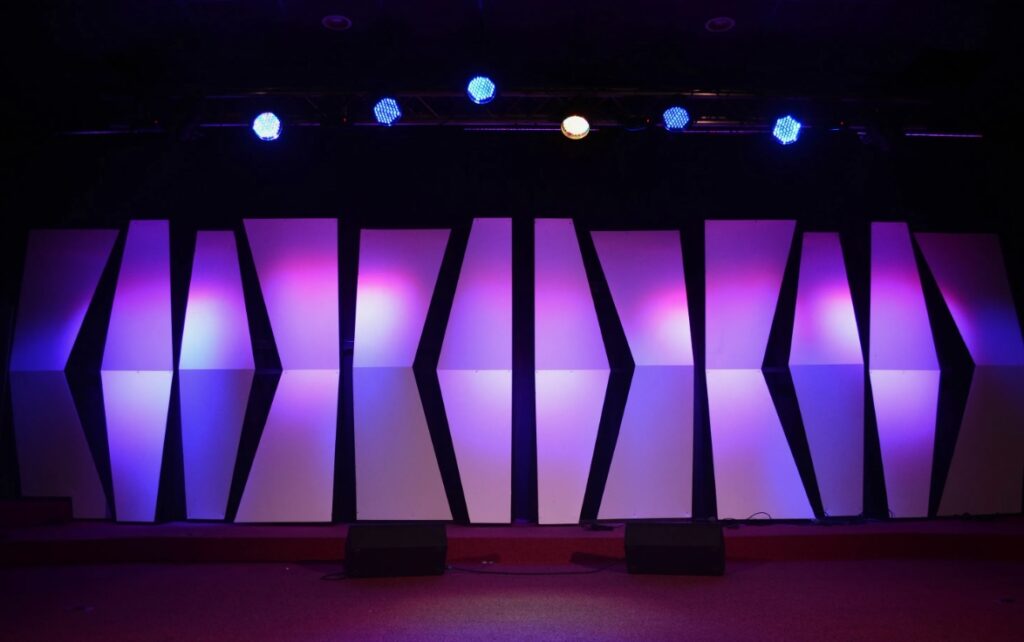
- Event & Entertainment Venues: Gigantic LED floors and 3D walls create immersive environments for audience experiences.
- Control & Conference Rooms: Ultra-high resolution, multi-input LED walls enable detailed data visualization.
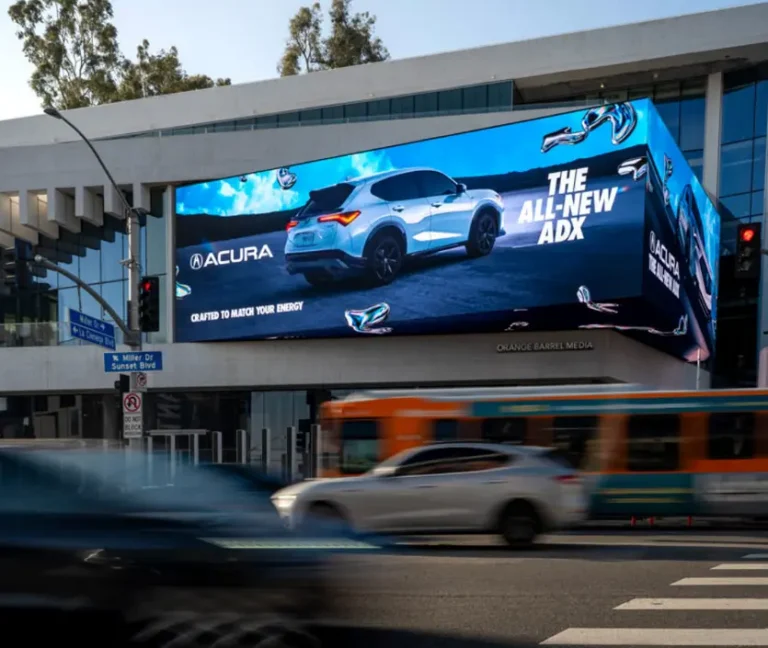
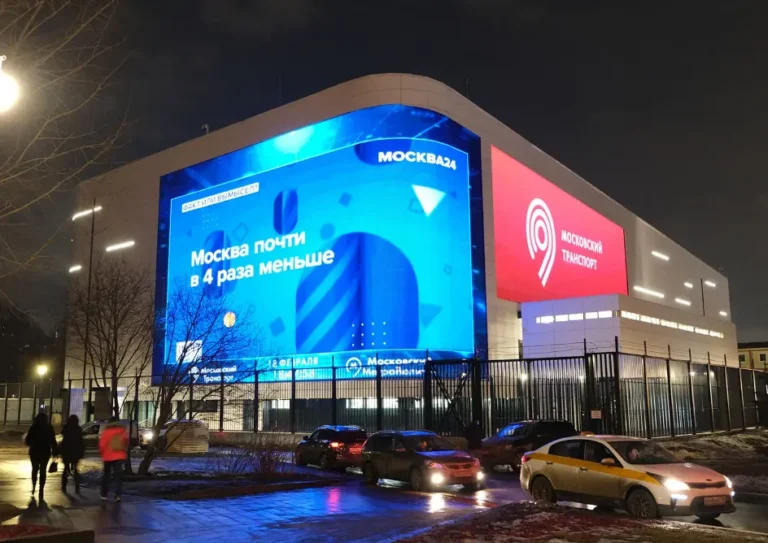
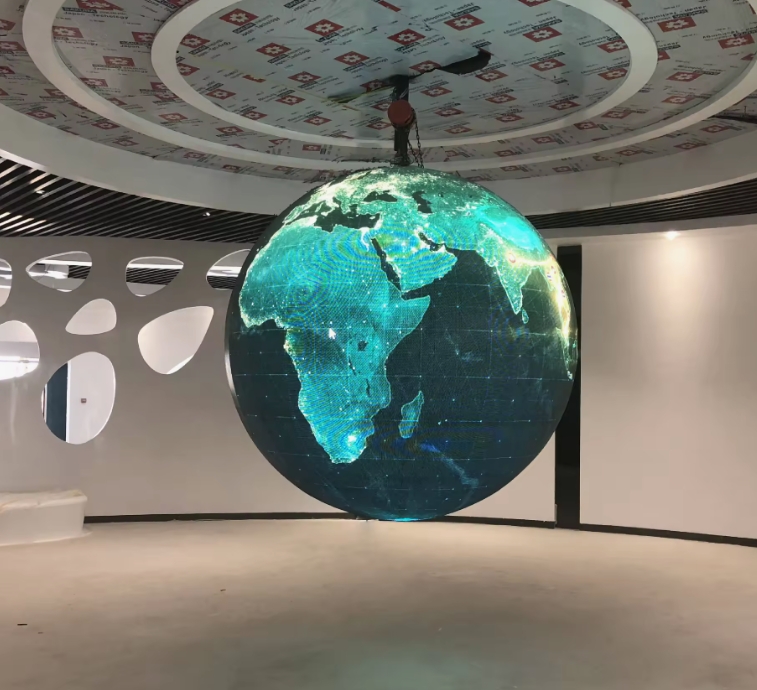
- Architectural Façades: Curved, spherical, and wave-shaped LED panels turn buildings into dynamic digital billboards.
Core Technologies Powering Modern Custom LED Displays
| Technology | Explanation | Benefits |
|---|---|---|
| Modular Design & Seamless Splicing | Interlocking LED modules can form complex shapes | Scalability and design freedom |
| Flexible Circuit Boards | Bendable PCBs and silicone masks for curved screens | Enables creative forms without image loss |
| Intelligent Control Systems | Remote content management, real-time syncing | Easy maintenance and multidevice control |
| Color Calibration & Processing | Automatic brightness and color matching | Uniform image quality across panels |
| Heat Dissipation & IP Ratings | Designed for extreme conditions outdoor | Reliability and lifetime extension |
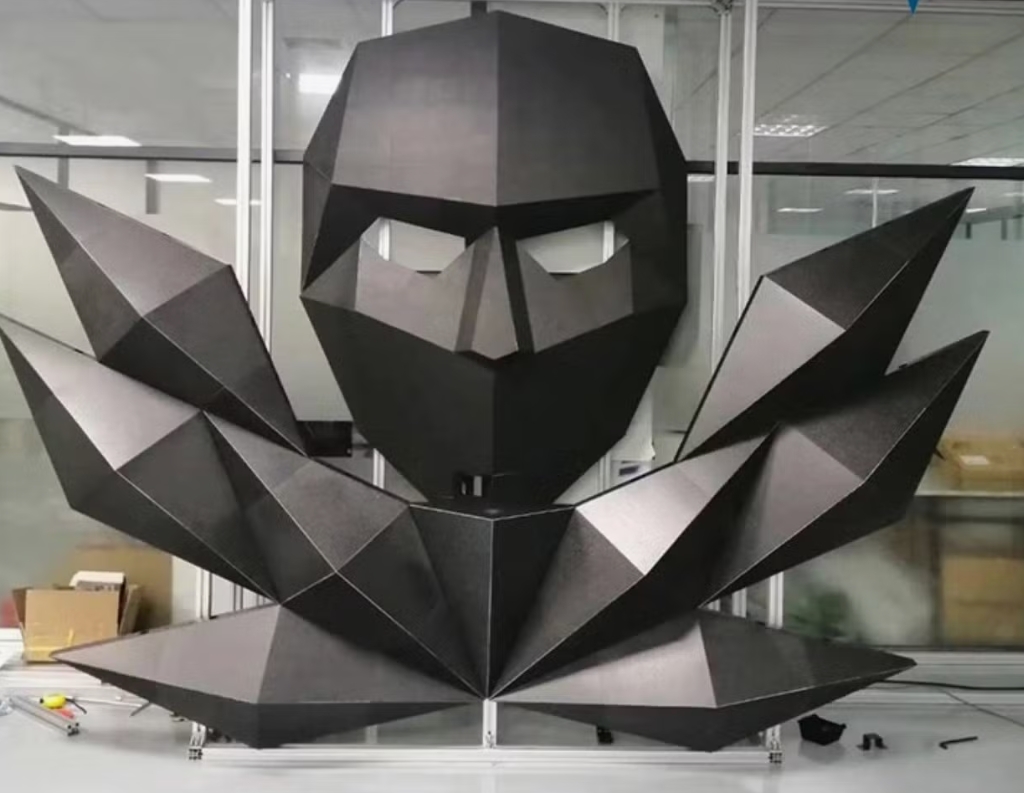
Popular Custom LED Display Types and Uses
| Type | Application Scenarios |
|---|---|
| Shaped Screens | Museums, Art Installations, Brand Launches |
| Transparent Screens | Retail Windows, Mall Facades |
| Floor Screens | Concerts, Exhibitions with Interactivity |
| Flexible Screens | Curved Walls, Creative Spaces |
| COB Encapsulation | High-End Meeting Rooms, Premium Commercial Displays |
Step-by-Step Guide to Planning Your Custom LED Project
a. Define Clear Project Objectives
- Desired size, pixel pitch, indoor/outdoor use
- Budget and delivery time expectations
- Content type (video, data, interactive)
b. Design Phase
- Structural engineering for unique shapes and stability
- Circuit & signal integrity planning
- Harmonizing aesthetics within architectural context
- Compliance with fire and electrical safety standards
c. Manufacturing Process
- Custom LED module fabrication via precise SMT
- Frame and enclosure machining for seamless fit
- Rigorous aging tests for brightness, color uniformity, and reliability
d. Installation & Commissioning
- Professional teams with high-altitude and wiring expertise
- Custom brackets and anchors tailored to site requirements
- System tuning and dynamic content integration with client training
How to Select a Trusted Custom LED Supplier
| Evaluation Criteria | Key Questions to Ask | Why it Matters |
|---|---|---|
| Technical Expertise | Do you develop and fabricate modules in-house? | Ensures quality and customization capability |
| Track Record | Can you share large-scale project case studies? | Demonstrates experience and reliability |
| Certifications & Compliance | Are CE, FCC, RoHS and other standards met? | Guarantees safety and performance standards |
| End-to-End Service | Do you offer design, manufacturing, installation, and maintenance? | Streamlines project management |
| Logistics Experience | How do you handle international shipping and customs? | Minimizes delays and costs |
FAQ: Common Questions about Custom LED Displays
Q1: How long does it take to deliver a custom LED display?
Delivery depends on complexity and size—typically from a few weeks for simple projects up to 3 months or more for large-scale, shaped screens.
Q2: What distinguishes indoor vs. outdoor custom LEDs?
Outdoor units require higher brightness (5,000–10,000 nits), robust IP-rated protection, and advanced thermal management. Indoor displays focus on clarity, color accuracy, and quiet cooling.
Q3: Can custom LED displays support remote control and interactive features?
Yes, cutting-edge systems support remote content scheduling, mobile app-based controls, and interactive elements such as touchscreen, motion sensors, and AR.
Conclusion: The Future is Custom LED Displays
Custom LED displays unlock unprecedented creative freedom and business value in 2026. They transform static surfaces into dynamic storytelling canvases that engage audiences deeper than ever. The right custom LED solution can differentiate your brand, expand operational efficiency, and future-proof your visual communication strategy.
Start your journey now with an experienced, end-to-end LED solutions partner that can bring your unique vision to vivid life.