Executive Summary
The market reference price for outdoor LED displays typically ranges from USD 500 to USD 1,500 per square meter. This wide price gap is not driven by margins alone, but by three decisive variables:
-
Pixel pitch – for example, a P2.5 module costs roughly 3–4 times that of a P10 module.
-
LED packaging technology – gold wire bonding is around 20% higher in BOM cost than copper wire but offers far superior durability.
-
Brightness level – displays exceeding 6,000 nits require higher-grade LED chips and power systems.
For commercial projects focused on long-term ROI, judging a screen solely by panel CAPEX is a mistake. The smarter approach is to calculate TCO (Total Cost of Ownership), including electricity consumption, thermal management, and maintenance over the display’s full lifecycle.
Why Your Quotation “Never Seems to Make Sense”
As an engineer who has overseen supply chain operations at Sostron for over 20 years, I review dozens of BOMs every single day. In this industry, cutting prices is easy—swap out a driver IC, use recycled cabinet shells, and costs drop by 15% overnight.
For procurement managers at event companies or owners of export-oriented factories, however, the quotation you receive is usually just the tip of the iceberg. Low price almost always equals high risk.
A standard outdoor LED quotation can be broken down into a “cost triangle.” Let’s look at where the money really goes.
The LED Lamp Beads (The Heart of the Display)
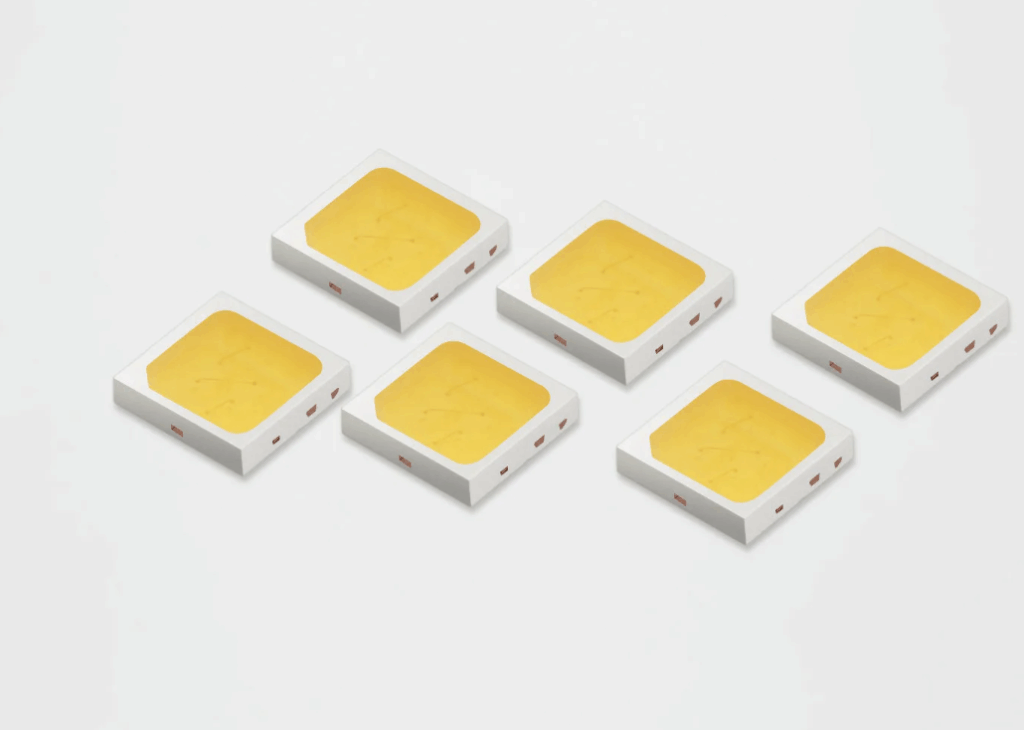
LEDs account for 40–50% of total cost.
-
Brand hierarchy: Industry benchmarks still point to Nationstar as a baseline standard. If a quotation looks suspiciously low, it is very likely using second-tier, third-tier, or even unbranded LEDs.
-
Material truth: The real difference lies in the bonding wire.
-
Gold wire (Sostron standard): Excellent oxidation resistance and elasticity.
-
Copper wire: Cheaper, but in high-humidity or high-salinity environments—such as coastal regions or projects like our São Paulo highway installation—oxidation and breakage are common, leading to massive dead pixels within six months.
-
Iron wire: Pure electronic waste. Guaranteed failure within three months. Never acceptable.
-
Driver ICs and Refresh Rate
-
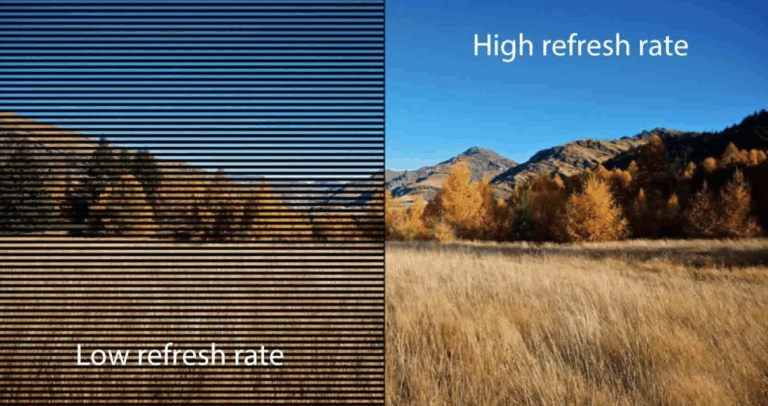
Visual impact: Many low-cost screens use basic constant-current ICs with refresh rates around 1920 Hz.
-
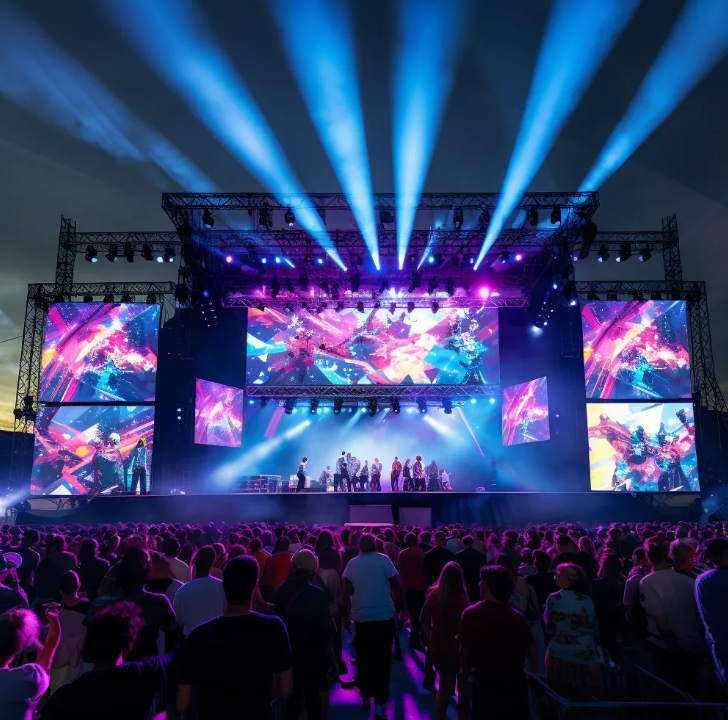
Scenario risk: For stage rental and live events (such as music festivals in Chile), once cameras point at the screen, low refresh rates cause severe scan lines and flicker—often resulting in broadcast failures.
Sostron’s Carbon Series rental displays come standard with advanced PWM driver ICs delivering 3840 Hz refresh rates, ensuring flicker-free performance on camera.
Cabinet Strategy
-
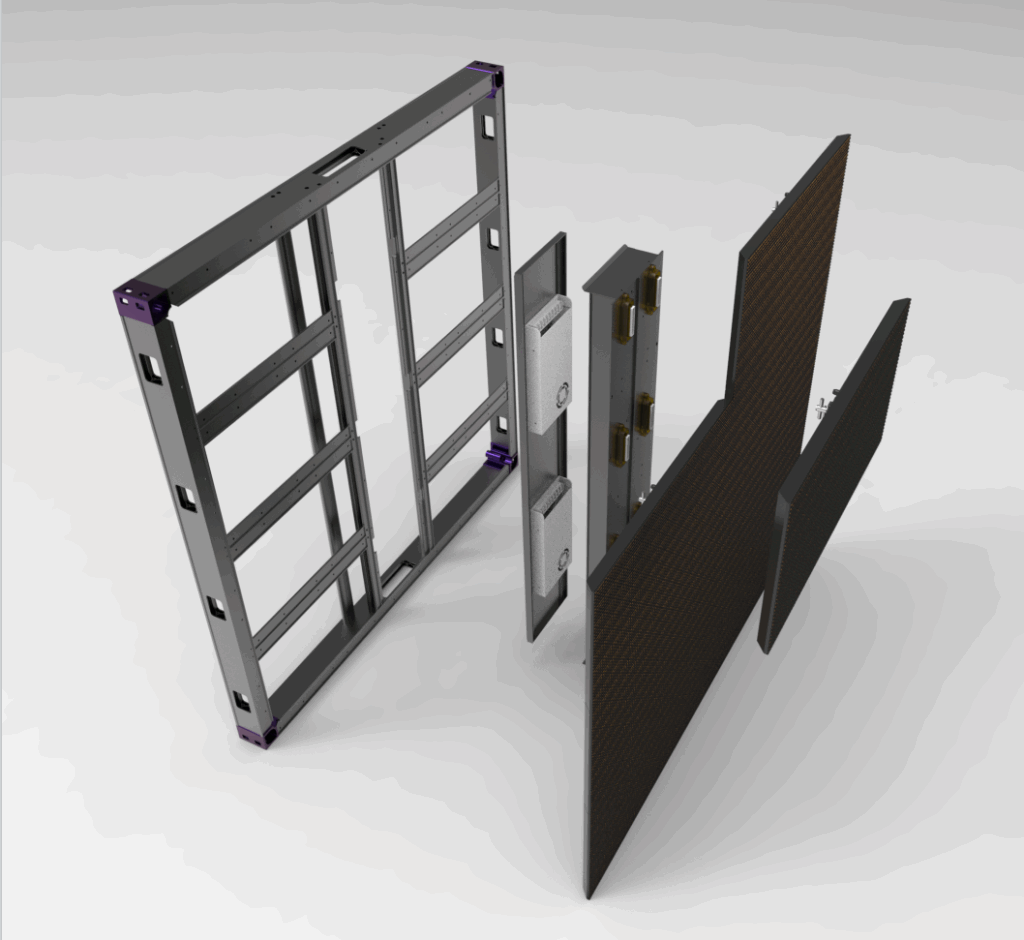
Simple steel cabinets: Heavy, prone to rust, suitable only for ultra-low-budget, fixed installations.
-
Die-cast aluminum cabinets: Used in the Sostron Ares Series. Higher unit cost, but precision reaches 0.1 mm, and weight is just one-third of steel cabinets.
Supply chain math: For customers exporting to Europe or North America, the savings in ocean freight and installation labor often offset the higher cabinet cost entirely.
Specification Matching: Real-World Application Guide
Don’t buy the most expensive option—buy the right one. The following benchmarks are based on 15,000+ global Sostron projects.
Table 1: Popular Outdoor LED Display Configurations
| Core Parameters | P3.91 (Rental / Events) | P6.67 (High-End Commercial) | P10 (Large Billboards) |
|---|---|---|---|
| Recommended Product | Carbon Series (Carbon Fiber / Magnesium Alloy) | Ares Series (Die-Cast Aluminum) | Ares / Traditional Steel |
| Optimal Viewing Distance | 4–40 m | 7–70 m | 10–100 m |
| Brightness Standard | 4,500 nits (with stage lighting) | 6,000–8,000 nits | >8,000 nits (direct sunlight) |
| Refresh Rate | 3840 Hz (mandatory) | 1920 Hz / 3840 Hz | 1920 Hz (mostly static content) |
| Typical Use Case | Chile music festival main stage | Outdoor advertising in southern France | Cairo highway billboards |
| Price Index | ⭐⭐⭐⭐ (higher) | ⭐⭐⭐ (mid-range) | ⭐⭐ (best value) |
Beyond the Quotation: The Overlooked Operating Costs (OPEX)
Many export buyers focus only on FOB price, ignoring what happens once the screen is powered on. Electricity costs can quietly become a profit-eating monster.
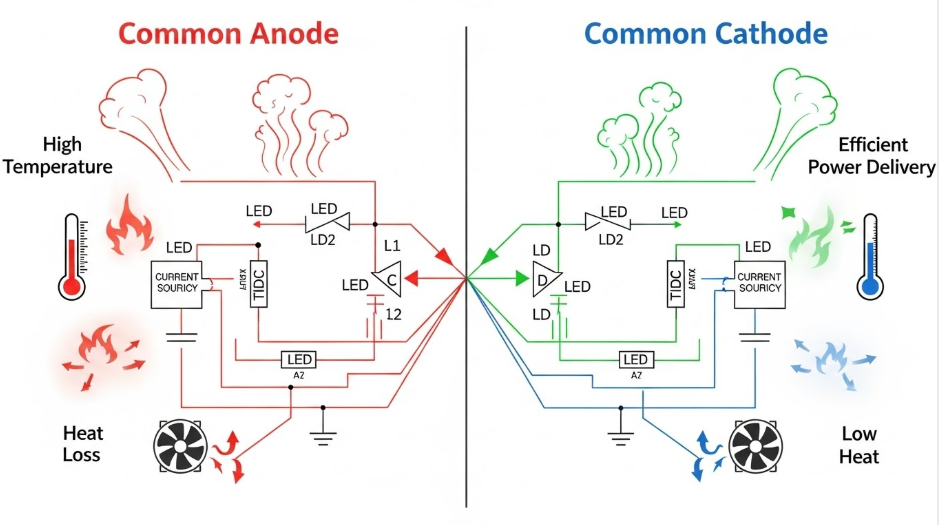
Power Consumption: Sostron Common Cathode Technology
Traditional LED displays use common anode power supply, forcing RGB LEDs to share the same voltage—excess voltage turns directly into heat.
The Ares Series uses common cathode technology, precisely allocating voltage (Red 2.8 V, Green/Blue 3.8 V).
Real-world data:
In a southern France outdoor project (6 ㎡, P3.9), the client hesitated because our quotation was 10% higher. After calculation, the common cathode screen ran 10–15 °C cooler, reduced power consumption by 30%, and eliminated the need for industrial air conditioning.
Table 2: 5-Year TCO Comparison for a 100 ㎡ Outdoor Screen
| Cost Category | Low-Cost Standard Screen | Sostron Energy-Efficient Screen (Ares) | Difference |
|---|---|---|---|
| Initial CAPEX | $60,000 | $68,000 | +$8,000 upfront |
| Average Power Consumption | 400 W/㎡ | 280 W/㎡ | ~30% savings |
| 5-Year Electricity Cost | ~$120,000 | ~$84,000 | Save ~$36,000 |
| Cooling Investment | 3–4 industrial AC units | None or simple fans | Equipment + power savings |
| Total 5-Year Cost | $180,000+ | ~$152,000 | Save $28,000+ |
Conclusion: For long-term billboard operations (such as Cairo highways), cheap to buy does not mean cheap to operate. High-efficiency screens pay for themselves in two years, and everything after that is pure profit.
Pitfall Guide: How to Identify Refurbished Screens
Some small workshops in Shenzhen offer prices that seem unrealistically low. Two of the worst industry practices deserve exposure.
Recycled Module Kits
Cabinet shells made from recycled plastics may look fine initially, but UV resistance is extremely poor. After six months of outdoor exposure, deformation occurs, leading to uneven module surfaces—a visible “mosaic” effect.
Sostron standard: 100% virgin PC + fiberglass materials, ensuring no deformation for 10 years.
Overdriving Brightness
Low-end chips are forced to higher brightness by increasing current—like running a car engine permanently in the red zone.
Result: Rapid lumen decay. Brightness halves within three months, heat skyrockets, and fire risk increases dramatically.
Table 3: Sostron Manufacturing Standards vs. Industry Norms
| Test Item | Industry Average | Sostron Smart Manufacturing |
|---|---|---|
| Aging Test | 4–12 hours | 72 hours (white balance, thermal cycling, vibration) |
| Waterproof Test | Basic spray | High-pressure wash (IP65/IP67 validation) |
| Conformal Coating | Manual brushing | Fully automated nano-level spraying |
| Spare Parts | 0–1% | 3% free modules, ICs, and power supplies |
Sostron’s Tailored Solutions
-
For Advertising Operators – Ares Series
Designed for harsh, 24/7 environments like Brazilian highways. Full aluminum cabinets + common cathode technology deliver stability, energy savings, and near-zero maintenance—a true revenue machine. -
For Event Rental Companies – Carbon Series
Ideal for frequent assembly and disassembly. Carbon fiber structure cuts cabinet weight to 50% of traditional designs. One worker can handle a cabinet single-handedly. A 500 ㎡ screen can be installed in half the time, directly reducing labor costs. -
For Premium Retail – Crystal Series
With 70%+ transparency, Crystal transparent LED displays preserve natural light and glass façade aesthetics while delivering high-definition advertising—perfect for flagship stores.
Frequently Asked Questions
Q1: How do I choose between P6 and P10 for outdoor use?
A: A simple rule: Viewing distance (meters) ≈ pixel pitch (mm). If viewers are mostly beyond 10 m (highway billboards), P10 offers the best value. If viewing distance is around 6 m (shopping mall entrances), P6 or P6.67 provides better clarity.
Q2: Why are some manufacturers 30% cheaper than Sostron?
A: Check the BOM. Are they using copper wire LEDs? Steel cabinets? Are spare parts included? At Sostron, we don’t trade 14 years of brand credibility for short-term price cuts. One quality incident costs far more than a 30% price gap.
Q3: How do shipping costs and duties work for Europe or the U.S.?
A: Our logistics team supports FOB, CIF, and DDP (Delivered Duty Paid) options. Thanks to lightweight cabinet designs in the Ares and Carbon Series, volumetric weight is significantly reduced, lowering freight and simplifying customs clearance.
Conclusion: Choose the Right Partner, Not the Cheapest Parts
A quotation is more than a number—it reflects a supplier’s understanding of technology, quality, and your long-term interests.
With a 15,000 ㎡ smart manufacturing base and a 4,000 ㎡ R&D center, Sostron doesn’t sell “electronic parts stitched together.” We deliver 5–10 years of stable operation and predictable returns.
Don’t let inferior screens become a stain on your brand.
👉 Contact Sostron’s senior engineers today: upload your project site photos, and within 2 hours we’ll provide a precise quotation with full TCO analysis.
Disclaimer
The market reference prices mentioned in this article are estimates based on supply chain costs and exchange rates at the time of writing and are provided for budgeting purposes only. Actual transaction prices may vary due to fluctuations in raw material costs (such as LED chips, precious metals, and aluminum), changes in exchange rates, logistics expenses, and your specific customization requirements (including non-standard designs or special mounting structures).
The product images and case examples shown are for illustrative purposes only. Sostron reserves the right to upgrade or modify product appearance and technical specifications as part of ongoing product development. Final delivery standards shall be subject to the technical specifications and contractual terms mutually confirmed by both parties.
References: