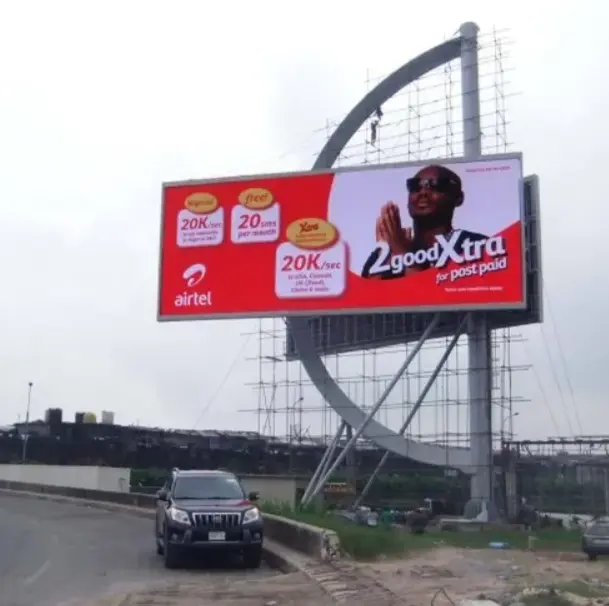
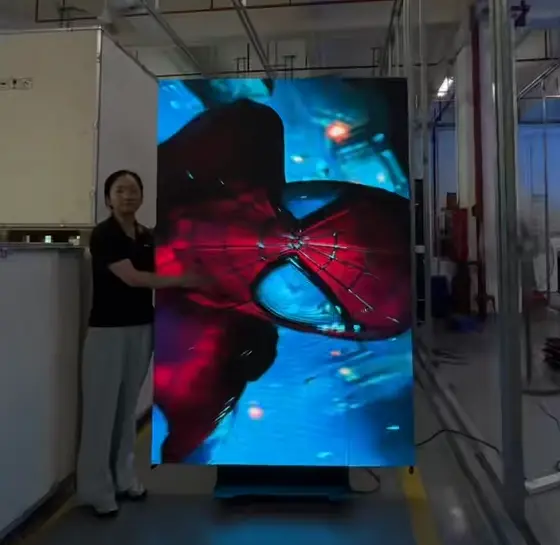
Bottom line up front: If your goal is maximum advertising ROI, audience engagement, and long-term cost efficiency, LED billboards outperform static billboards across nearly every measurable dimension in 2026. But static billboards still hold specific advantages in certain contexts — and knowing when to use each can save your business significant money.
This guide breaks down the real differences between LED and static billboards across six critical dimensions: visual performance, content flexibility, operational cost, audience engagement, environmental impact, and brand value. Whether you are a business owner, marketing manager, or outdoor advertising buyer, this comparison gives you the data-backed clarity you need to make the right investment decision.
The Core Problem: Why Choosing the Wrong Billboard Type Costs You
Many advertisers still default to static billboards out of habit or perceived cost savings. However, in 2026, the advertising landscape has fundamentally shifted. Audiences are increasingly desensitized to static visuals, while digital and dynamic content commands significantly higher attention rates.
According to industry data, LED digital billboards generate up to 400% more advertising revenue per display compared to static equivalents, largely due to their ability to serve multiple advertisers and rotate content dynamically. Meanwhile, static billboard production and replacement costs have risen steadily, narrowing the traditional cost advantage they once held.
Understanding these differences is not just a technical exercise — it directly impacts your campaign performance, budget allocation, and brand perception.
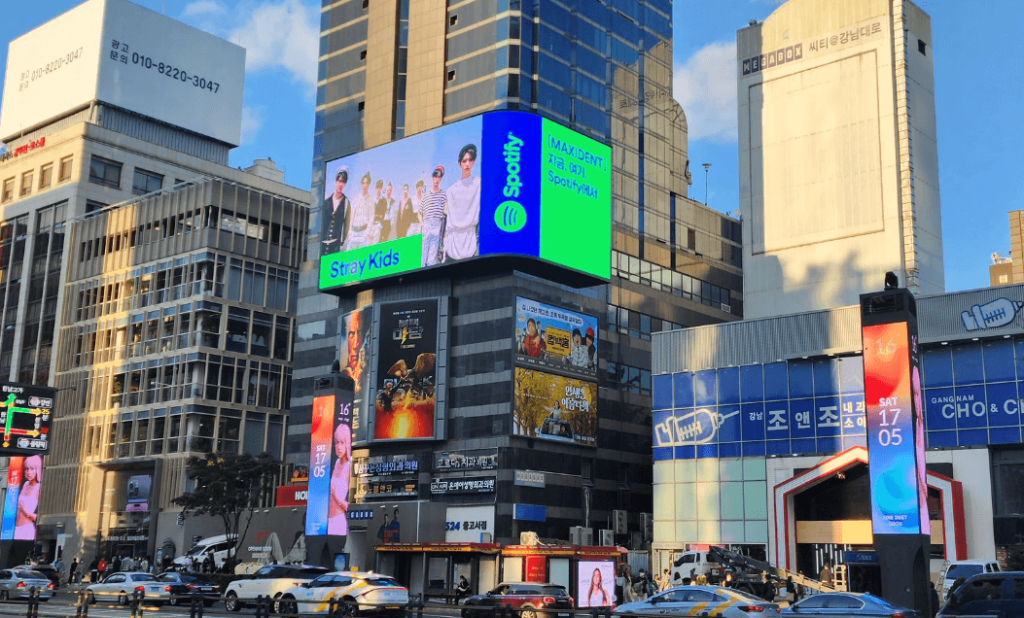
Quick Comparison: LED Billboard vs. Static Billboard (2026)
| Feature | LED Billboard | Static Billboard |
|---|---|---|
| Visual Brightness | 5,000–10,000 nits (day & night) | Reflective only, poor at night |
| Content Type | Video, animation, live feeds, text | Single printed image |
| Update Method | Remote, real-time, instant | Manual replacement (hours/days) |
| Content Rotation | Multiple advertisers per display | One advertiser per cycle |
| Lifespan | 100,000+ hours LED lifespan | Vinyl/print degrades in 3–6 months |
| Initial Investment | Higher upfront cost | Lower upfront cost |
| Long-term Operating Cost | Lower (no print/labor replacement) | Higher (recurring print & install) |
| Environmental Impact | Energy consumption, recyclable parts | Vinyl waste, chemical inks |
| Data & Analytics | Viewer counts, dwell time, engagement | None (estimated impressions only) |
| Weather Resistance | IP65+ rated, built for outdoor use | Susceptible to fading and damage |
Visual Performance: Brightness, Clarity, and Day/Night Impact
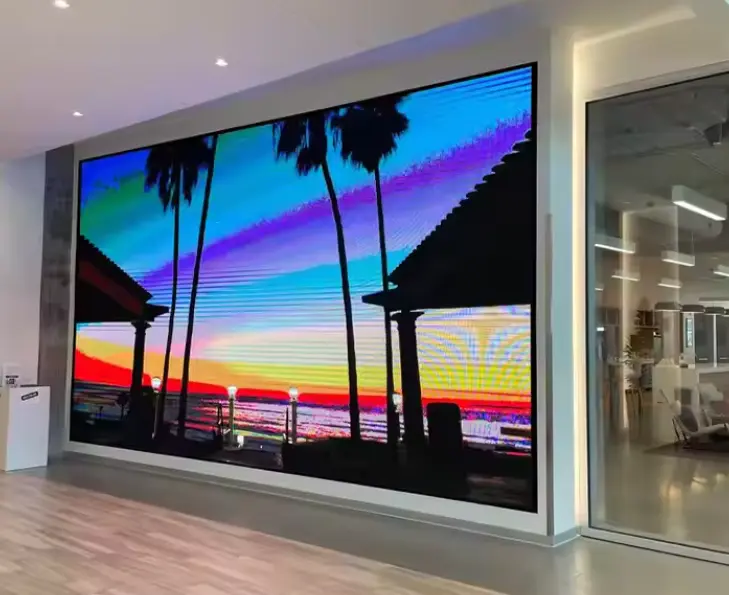
LED billboards use a dot-matrix LED panel structure where each pixel is independently controlled, delivering resolutions that remain sharp and vivid at any viewing distance. Modern outdoor LED displays in 2026 achieve brightness levels between 5,000 and 10,000 nits, making them clearly visible even in direct sunlight.
Static billboards, by contrast, rely entirely on ambient light reflection. During daylight hours they can appear flat and low-contrast. At night, without expensive backlighting infrastructure, they become nearly invisible — a critical disadvantage in high-traffic evening hours.
Key visual performance metrics to compare:
- Pixel pitch: Modern outdoor LED screens use P6–P10 pixel pitch for optimal viewing at 10–50 meters
- Refresh rate: LED displays run at 1,920Hz or higher, eliminating flicker in photography and video
- Color gamut: LED panels cover 110%+ of the sRGB color space, producing vivid, accurate brand colors
- Viewing angle: Wide-angle LED panels maintain color accuracy up to 160° horizontal and vertical
For brands where visual identity is paramount — luxury goods, automotive, entertainment — the LED advantage in color fidelity and brightness is decisive.
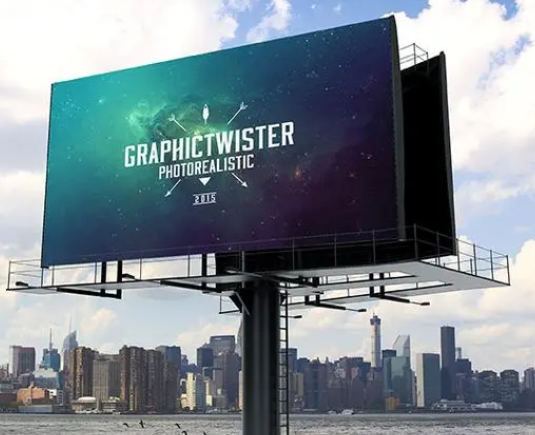
Dynamic Content and Interactivity
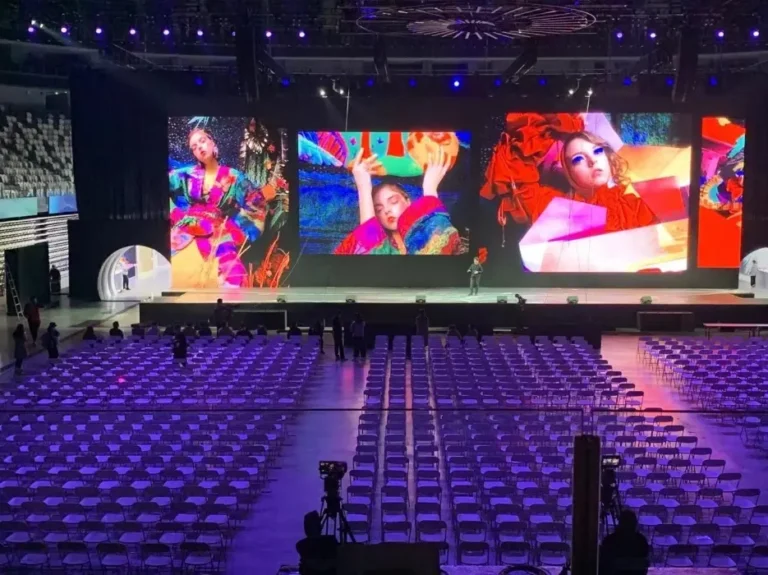
One of the most significant advantages of LED billboards is their ability to display dynamic content. This includes full-motion video, animated graphics, scrolling text, countdown timers, live social media feeds, and even real-time weather or traffic data integration.
Static billboards are limited to a single printed image. While creative design can make static ads memorable, they cannot adapt to context, time of day, or audience behavior.
Content capability comparison:
| Content Type | LED Billboard | Static Billboard |
|---|---|---|
| Full-motion video | Yes | No |
| Animation & GIFs | Yes | No |
| Live data feeds | Yes | No |
| Dayparting (time-based ads) | Yes | No |
| Interactive touch elements | Yes (select models) | No |
| QR code integration | Yes | Limited |
| Multi-advertiser rotation | Yes | No |
In 2026, programmatic digital out-of-home (DOOH) advertising has become mainstream. LED billboards can now be integrated directly into programmatic ad-buying platforms, allowing advertisers to purchase specific time slots, target audiences based on real-time foot traffic data, and adjust creative assets instantly — capabilities entirely unavailable with static formats.
Real-Time Updates and Remote Management
LED billboard content is managed through cloud-based content management systems (CMS). Advertisers can update creative assets, schedule campaigns, and monitor display performance from any device, anywhere in the world — without sending a crew to the site.
This operational flexibility translates into concrete business advantages:
- Seasonal promotions can be activated and deactivated instantly
- Crisis communications or urgent announcements can go live within minutes
- A/B testing of different creatives is possible within the same campaign window
- Multi-location campaigns can be synchronized across dozens of screens simultaneously
Static billboards require physical replacement of printed vinyl or paper materials. A typical static billboard swap involves design, printing, logistics, and installation — a process that takes 3 to 10 business days and costs between 500and3,000 per replacement depending on size and location.
For businesses running time-sensitive promotions, product launches, or event advertising, this operational gap between LED and static is a critical differentiator.
Cost Analysis: Upfront vs. Total Cost of Ownership
A common misconception is that static billboards are always cheaper. While the initial installation cost of a static billboard is lower, the total cost of ownership (TCO) over a 5-year period often favors LED displays.
5-Year Total Cost of Ownership Comparison:
| Cost Category | LED Billboard (5-Year) | Static Billboard (5-Year) |
|---|---|---|
| Initial hardware/installation | 15,000–80,000+ | 2,000–10,000 |
| Content update costs | Near zero (remote CMS) | 500–3,000 per change |
| Maintenance & repairs | Modular panel replacement | Structural + print repairs |
| Energy costs | 800–2,500/year | Minimal (no power needed) |
| Revenue potential | Multi-advertiser rotation | Single advertiser only |
| Estimated 5-year ROI | High (revenue sharing) | Moderate |
For billboard operators and media owners, LED displays generate significantly higher revenue by selling time slots to multiple advertisers simultaneously. A single LED billboard can serve 6–10 advertisers per hour, multiplying revenue potential compared to a static display locked to one client per contract period.
Advertising Performance and Measurable ROI
LED billboards in 2026 are increasingly equipped with audience measurement technology, including:
- Camera-based impression counting using anonymous computer vision
- Mobile device detection to measure dwell time and repeat exposure
- Integration with mobile ad networks for cross-channel attribution
- QR code scan tracking for direct response measurement
These capabilities allow advertisers to measure campaign performance with a level of precision previously only available in digital online advertising. Static billboards, by contrast, rely on estimated traffic counts and demographic surveys — broad approximations with no real-time feedback loop.
For performance-driven marketers, the ability to optimize campaigns based on actual data is a fundamental advantage of LED over static formats.
Environmental Impact and Sustainability
Environmental considerations are increasingly important in advertising procurement decisions in 2026, particularly for brands with ESG commitments.
Environmental comparison:
- Static billboards generate significant vinyl waste. A standard billboard vinyl replacement produces approximately 50–100 kg of non-recyclable PVC waste per change. Frequent replacements compound this impact substantially.
- LED billboards consume electrical energy but produce zero physical waste per content update. Modern LED panels are designed for modular replacement, extending product lifespan and reducing e-waste.
- Energy efficiency: LED technology has improved dramatically. Current outdoor LED displays consume 40–60% less energy than equivalent displays from five years ago, and many installations now integrate solar power supplementation.
For brands committed to sustainability, LED billboards offer a measurably lower environmental footprint over a multi-year campaign lifecycle compared to repeatedly printed static formats.
Brand Image and Audience Perception
High-definition, dynamic LED displays communicate a brand’s modernity, innovation, and investment in quality. Research consistently shows that audiences associate digital billboard advertising with premium brands and higher-quality products.
Static billboards, while capable of strong creative impact through design, are increasingly perceived as traditional or low-tech in urban environments where LED displays have become the norm.
Brand perception factors:
- LED displays allow brands to showcase video content, reinforcing emotional brand storytelling
- Dynamic creative can be tailored to local events, weather, or cultural moments, increasing relevance
- High brightness and color accuracy ensure brand colors are reproduced faithfully at scale
- Interactive LED installations create shareable moments that extend campaign reach through social media
When Static Billboards Still Make Sense
Despite LED’s advantages, static billboards remain relevant in specific scenarios:
- Rural or low-power locations where electrical infrastructure is limited or unavailable
- Long-term brand awareness campaigns with a single, unchanging message over 6–12 months
- Budget-constrained campaigns where upfront cost is the primary constraint
- Artistic or heritage contexts where printed materials carry cultural or aesthetic value
- Regulatory environments where digital signage is restricted or prohibited
Understanding these use cases prevents over-investment in LED technology where simpler solutions are equally effective.
Frequently Asked Questions
Q: Are LED billboards worth the higher upfront cost?
For most commercial applications, yes. The ability to serve multiple advertisers, update content remotely, and measure performance typically delivers a positive ROI within 18–36 months.
Q: How long do LED billboards last?
Quality outdoor LED panels are rated for 100,000+ hours of operation, equivalent to approximately 11 years of continuous use. With modular maintenance, operational lifespans of 15–20 years are achievable.
Q: Can LED billboards operate in extreme weather?
Yes. Commercial outdoor LED displays are rated IP65 or higher, protecting against dust, rain, and temperature extremes from -40°C to +60°C.
Q: What pixel pitch is best for outdoor LED billboards?
For viewing distances of 10–30 meters, P6–P8 pixel pitch is standard. For distances over 30 meters, P10 or larger is cost-effective without visible quality loss.
Q: Do LED billboards require special permits?
Regulations vary by jurisdiction. Most cities require permits for digital signage, with restrictions on brightness levels, animation speed, and placement near residential areas or traffic signals.
Summary: Which Billboard Type Is Right for You?
| Use Case | Recommended Format |
|---|---|
| High-traffic urban advertising | LED Billboard |
| Multi-advertiser media ownership | LED Billboard |
| Time-sensitive promotions | LED Billboard |
| Performance-driven campaigns | LED Billboard |
| Long-term single-message branding | Static Billboard |
| Low-budget, rural locations | Static Billboard |
| Regulatory-restricted areas | Static Billboard |
In 2026, LED billboards represent the clear choice for businesses seeking maximum advertising impact, operational flexibility, and measurable ROI. Static billboards retain value in specific contexts but are no longer the default choice for competitive advertising environments.