Cube LED displays provide a unique opportunity for brands and venues to captivate audiences with immersive 3D visuals visible from multiple angles. However, their complex multi-sided structure introduces higher costs and maintenance challenges compared to traditional flat LED displays. Understanding these trade-offs is essential to maximize your investment and avoid surprises.
In this guide, we analyze Cube LED display technology and applications, detail installation steps, break down cost factors, and compare them against conventional flat LED displays—helping you make an informed decision aligned with the latest market trends in 2026.
What Is a Cube LED Display?
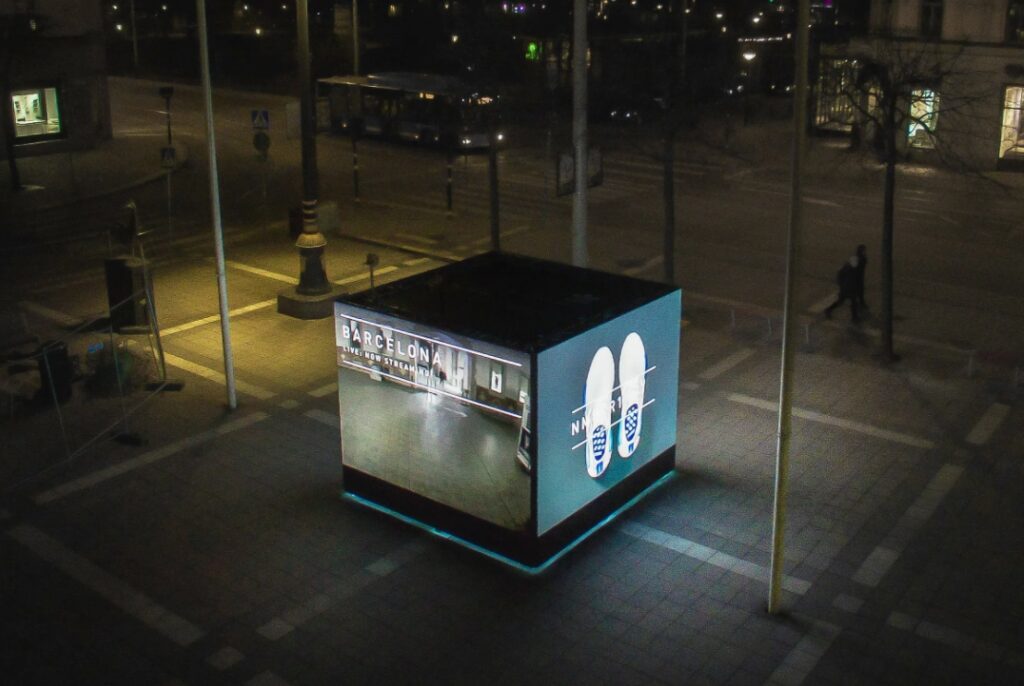
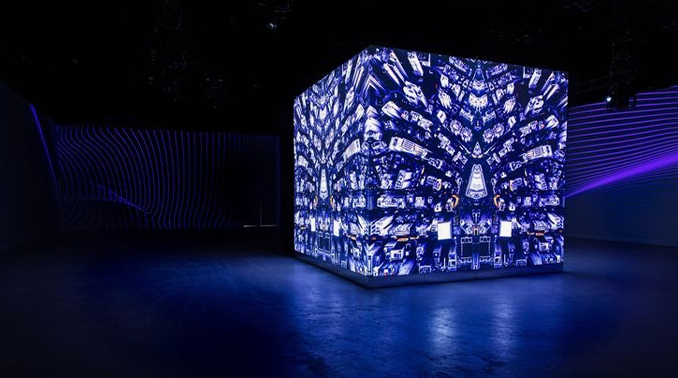
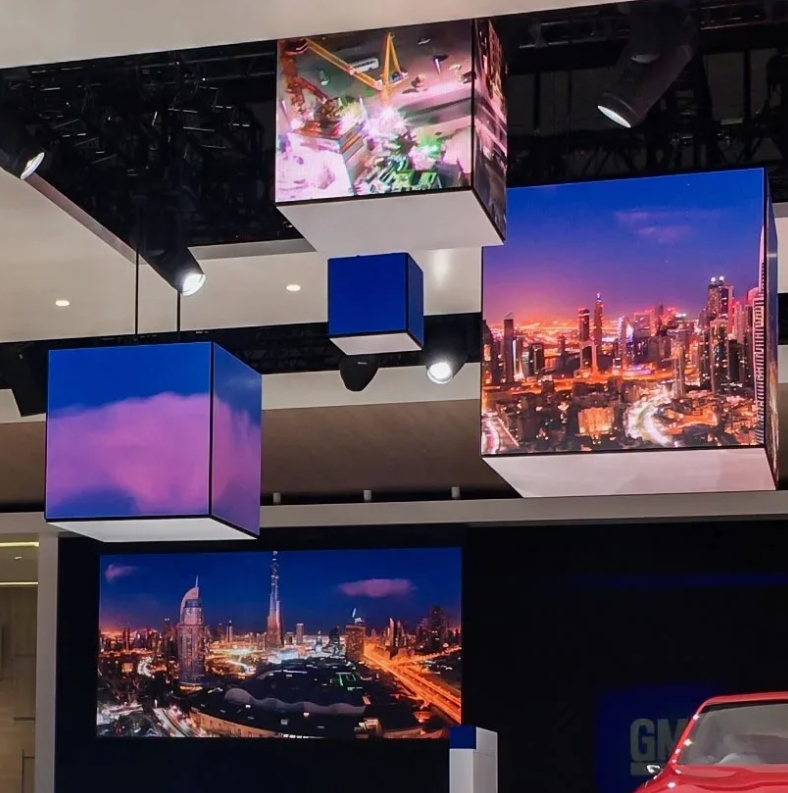
Cube LED displays are composed of multiple LED modules arranged to form a three-dimensional cube shape. Each side acts as an independent screen capable of showing different content simultaneously. This multi-faceted design contrasts with flat screens that only present one viewing surface.
Key features include:
- 3D structure enabling visual engagement from multiple viewing angles
- Modular panels facilitating content flexibility on each face
- Enhanced audience immersion ideal for advertising, exhibitions, and stage performances
Due to the volumetric shape, Cube LED displays stand out visually and provide more advertising frontage per footprint.
Applications of Cube LED Displays
1. Commercial Advertising
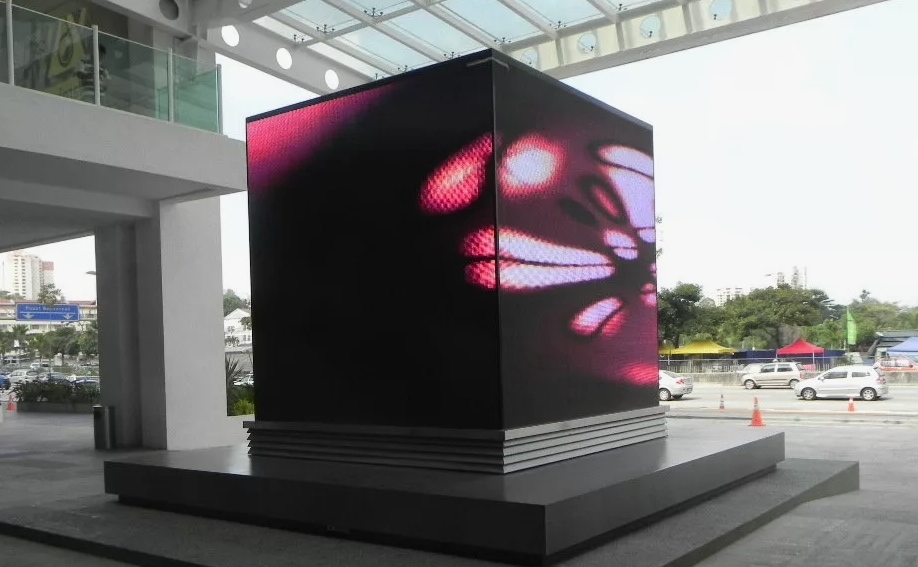
Their ability to showcase different content on each side makes Cube LED displays ideal for high-traffic shopping malls, plazas, and transit stations. These installations improve brand visibility by attracting attention from all directions.
2. Exhibitions and Trade Shows
In crowded trade show environments, Cube LED displays deliver a strong interactive presence without requiring large floorspace, helping booths stand out with dynamic 3D effects.
3. Stages and Performances
Music festivals, concerts, and theatrical productions increasingly adopt Cube LED displays to boost stage ambiance, displaying 3D video content that enhances live audience experience.
4. Public Information and Retail
Cube LED displays provide novel presentation formats for smart city info kiosks, traffic updates, and retail window product showcasing, merging practical info delivery with premium shopper engagement.
Installation Considerations for Cube LED Displays
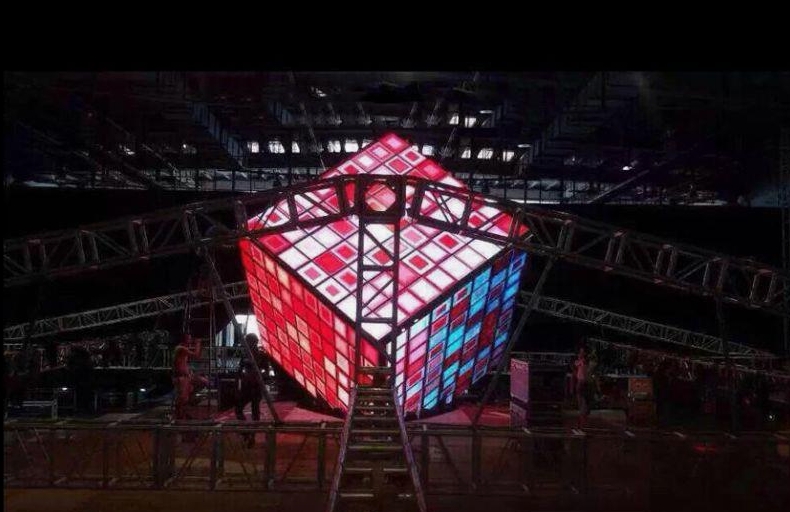
- Site Selection: Prioritize locations with sufficient space, controlled lighting, and power access. Viewing distance and angles must be planned carefully.
- Structural Integrity: Frames or suspension must support multi-panel weight and allow for angled orientations.
- Module Installation: Each cube side comprises several LED modules installed with precision to minimize seam visibility.
- Power and Signal Wiring: Following safety standards, cables must be securely connected to avoid electrical faults.
- Calibration: Post-installation system debugging guarantees optimal brightness, color uniformity, and module functionality.
Cost Breakdown: What Affects Cube LED Display Pricing?
| Cost Factor | Explanation | Typical Impact on Price |
|---|---|---|
| Screen Size & Panels | Larger cubes with more or bigger panels cost more | +30-50% for doubling size |
| Resolution | Higher resolution (P2.5 vs P5) increases detail costs | +10-30% cost increase |
| Custom Design | Unique shapes, colors, or non-standard sizes add complexity | +20-40% customization premium |
| Brand & Supplier | High-end manufacturers command premium pricing | 850−1,700/m² for top brands |
| Installation & Transport | Complex installation and logistics for sizes and weight | 2,000−7,000+ varies by scope |
| Software & Control | Advanced CMS and control systems increase upfront costs | 1,500−7,000 |
| Maintenance | Annual cleaning, repairs, and parts replacement | 300−700/year plus unplanned repair costs |
Cost Estimates in 2026
| Cube Size | Estimated Price Range (USD) |
|---|---|
| Small Cube (3 sides) | 7,000−14,000 |
| Medium Cube (4+ sides) | 14,000−28,000 |
| Large Cube (6+ sides) | $28,000+ |
Example: A 4-sided Cube LED display, each side 2m × 2m, P3 resolution, mid-range brand, typically costs 13,000−15,000 total including installation and maintenance.
Maintenance Challenges and Best Practices
- Multi-sided design complicates troubleshooting; one faulty panel can degrade overall visual quality.
- Regular cleaning critical due to complex geometry; improper cleaning risks module damage.
- Software and firmware updates are essential for performance and new feature enablement.
- Engage specialized technicians for routine inspections and timely repairs.
Cube LED Display vs. Traditional Flat LED Display: Key Differences
| Feature | Cube LED Display | Flat LED Display |
|---|---|---|
| Shape & Viewing Angles | 3D cube, multiple display surfaces | 2D plane, single viewing surface |
| Visual Impact | Immersive, multi-angle engagement | Limited to frontal viewing |
| Application Focus | Artistic, promotional, experiential | General signage, video walls |
| Complexity & Cost | Higher installation and maintenance complexity; higher cost | Simpler installation; lower cost |
| Content Flexibility | Side-specific content capability | Single content stream |