Executive Summary
XR (Extended Reality) background LED walls are not standard rental LED screens.
Based on 14 years of industry data from Sostron, the screen cost alone for a qualified XR virtual production system typically ranges from USD $1,500 to $4,500 per square meter.
This wide price gap is driven by three non-negotiable technical factors:
-
Pixel Pitch
-
Refresh Rate (7680Hz as the baseline)
-
Control System Brand (Brompton vs. Novastar)
For production companies and studio procurement managers, the biggest pain point is often not insufficient budget, but misallocated budget—paying premium prices yet ending up with so-called “XR screens” plagued by scan lines and flicker on camera.
As a source manufacturer with a 15,000㎡ intelligent manufacturing base and National High-Tech Enterprise certification, Sostron breaks open the XR cost “black box” in this guide.
We don’t just tell you how much it costs—we show you how to reduce up to 30% of total procurement costs through factory-direct sourcing.
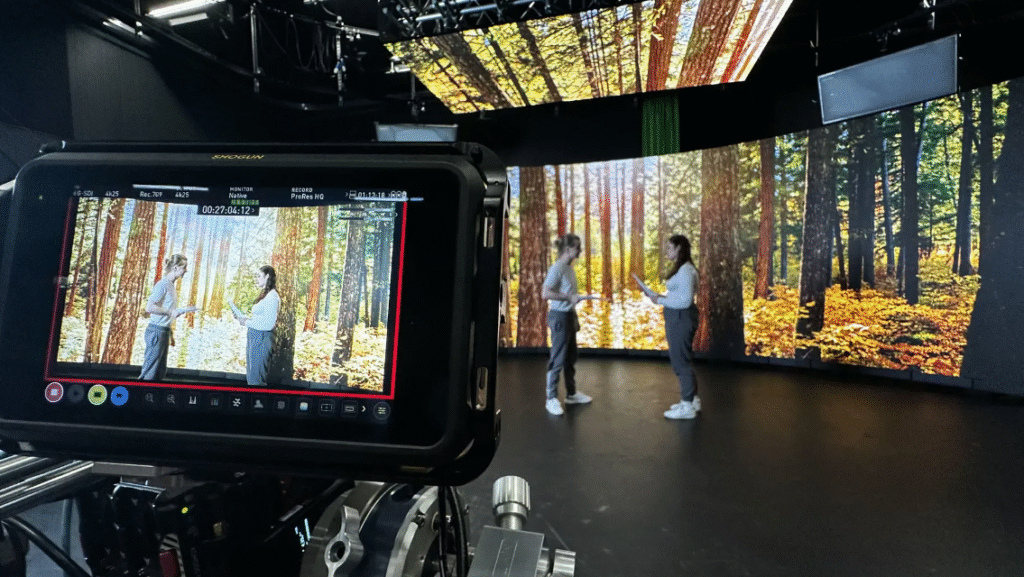
Core Factors Affecting XR LED Wall Costs:
Where Your Money Really Goes
A common question we hear:
“Why is your Hima Series P2.6 more expensive than ordinary rental LED screens, yet cheaper than top-tier film-grade panels?”
The answer lies in XR’s brutal lighting requirements.
A camera sensor is hundreds of times more sensitive than the human eye. What looks “cost-effective” to viewers often becomes a visual disaster on camera.
Below are the three technical pillars that determine XR LED pricing.
Refresh Rate & Driver IC
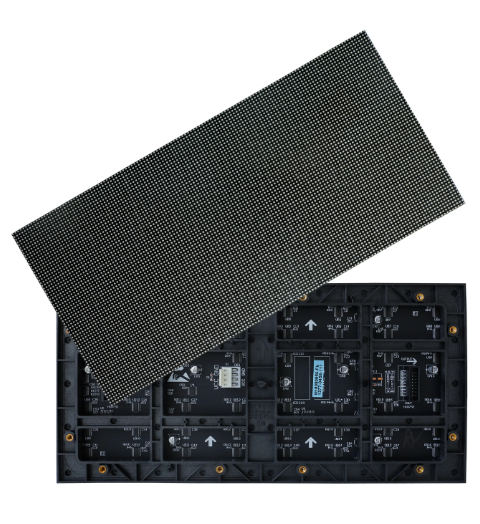
The True Cost Divider
This is where XR screens separate from standard displays.
| Category | Refresh Rate | On-Camera Performance |
|---|---|---|
| Standard LED Screens | 3840Hz | Looks smooth to the eye, but causes black scan lines on camera |
| Professional XR LED | 7680Hz | Clean footage even at high shutter speeds |
7680Hz is the standard configuration of the Sostron Hima Series.
Achieving this requires high-end driver ICs such as MBI5264 or above, which increases PCB complexity and raises material costs by 20–30%.
Expert Recommendation:
If your production involves high-speed motion capture or slow-motion playback, 7680Hz is non-negotiable.
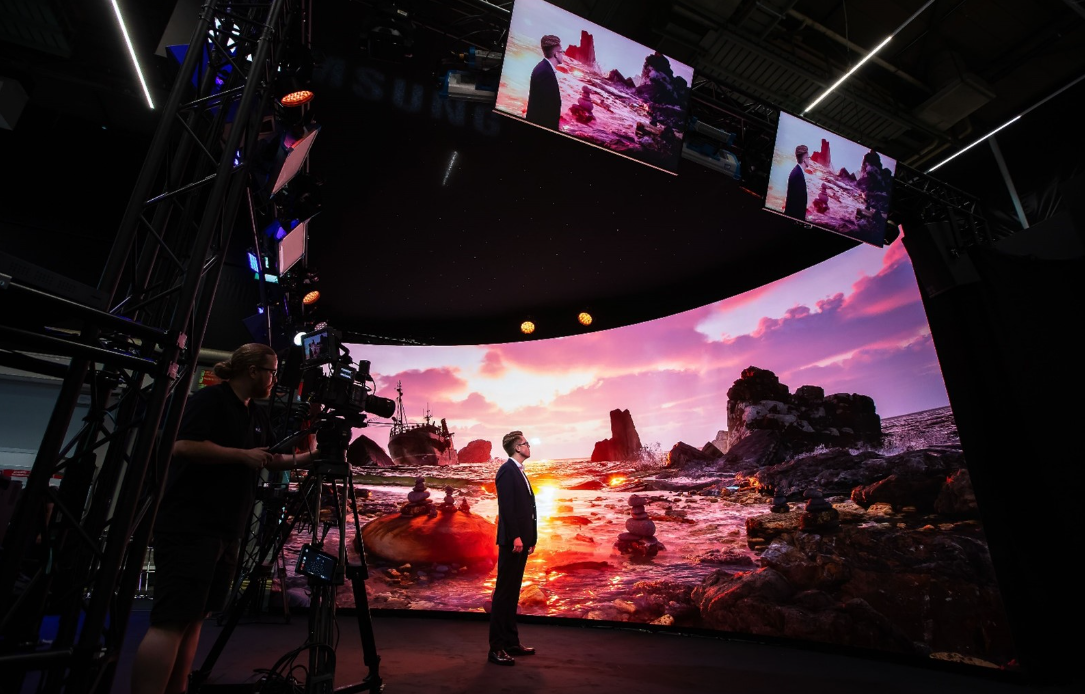
- Camera Flicker: Visible black bars (rolling shutter effect) when filmed.
- Content Loss: Fast-moving content may appear blurry or tearing.
- Not Broadcast Ready: Unsuitable for professional live streaming or TV.
- Flicker-Free: Crystal clear image on all cameras (1/2000s+ shutter speed).
- Smooth Motion: Perfect for fast video playback and sports.
- XR Ready (7680Hz): Essential for virtual production and XR studios.
Scan Rate
A Hidden Low-Cost Trap
-
Low-cost configurations:
-
1/16 or even 1/32 scan
-
High brightness on paper, but severe grayscale loss
-
Noticeable noise in low-light scenes
-
-
XR-grade standard:
-
1/8 or 1/6 scan
-
Requires denser IC layout and higher material precision
-
Sostron’s R&D team optimizes circuit architecture to maintain high scan rates while reducing power consumption, but this still increases raw material costs.
Color Gamut & Viewing Angle
“What You See Is What You Get” Matters
Virtual production demands absolute color accuracy.
Low-cost LED lamps often suffer from color shift during side-angle shots, which is unacceptable for XR environments.
Sostron’s Solution:
-
Custom high-contrast matte black LEDs
-
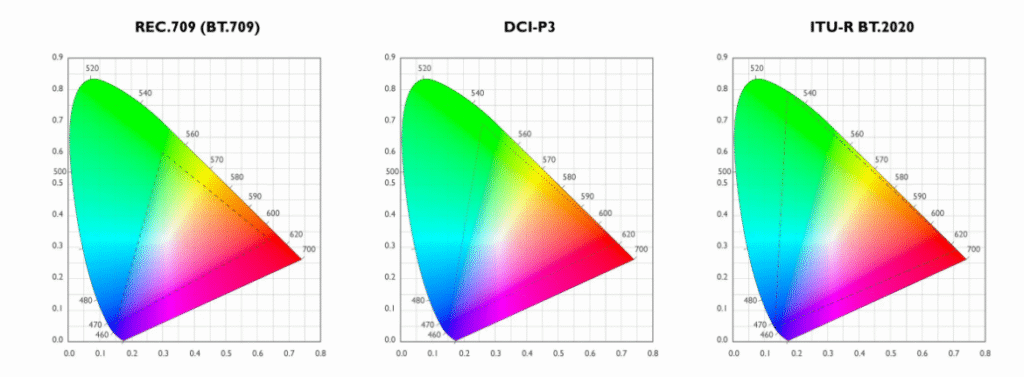
99% DCI-P3 color gamut
-
160° ultra-wide viewing angle
This isn’t just about visual quality—it ensures that background lighting correctly reflects onto actors, dramatically reducing post-production color correction costs.
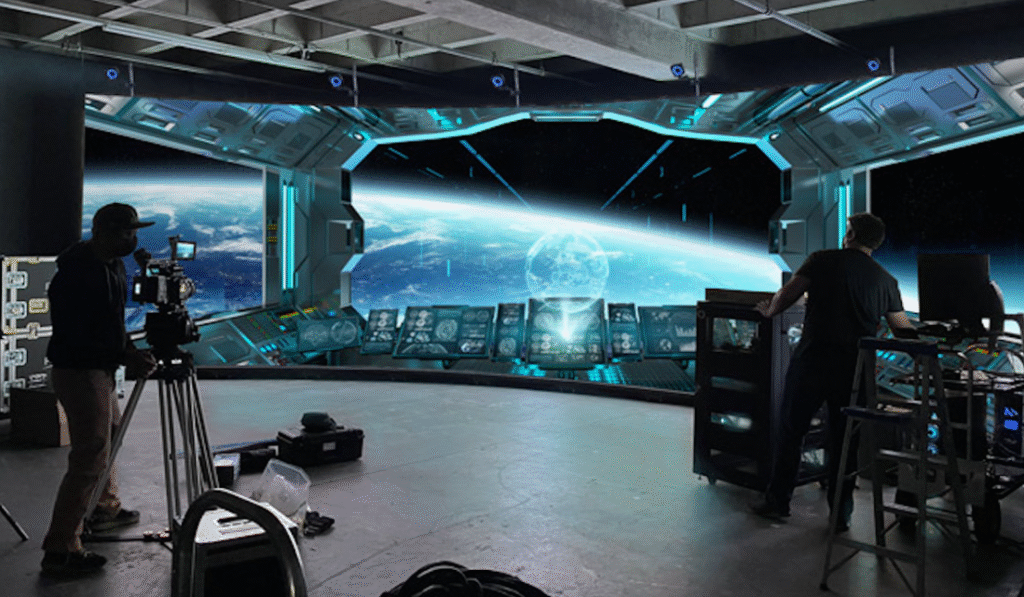
2026 XR LED Wall Pricing Tiers
Budget Reference Table
Based on Sostron’s global delivery database and current supply chain conditions, the following price tiers serve as factory-level reference pricing.
Note: Prices are ex-works estimates and exclude steel structures and overseas freight.
| Application Tier | Recommended Specs | Estimated Price (USD/sqm) | Typical Use Cases |
|---|---|---|---|
| Entry-Level | P2.6 / 3840Hz / Novastar | $900 – $1,500 | E-commerce live streaming, basic news studios, internal corporate presentations |
| Mid-Range (Commercial) | Sostron Hima P2.6 / 7680Hz / 1/8 Scan | $1,800 – $2,800 | TV commercials, music videos, mid-sized XR studios, product launches |
| High-End (Film Grade) | P1.5–P1.9 / Brompton Ready / HDR | $3,500 – $5,500+ | Feature films, Netflix-level series, large-scale immersive virtual production |
Beyond the Screen:
The 3 Hidden Costs You Must Budget For
Many procurement managers assume the project is settled once they receive a screen quote—until the budget explodes during deployment.
Industry data shows:
The LED panels themselves usually account for only 50–60% of the total XR system cost.
Below are the three most overlooked cost drivers.
Control System
Is the Brain More Expensive Than the Body?
If the LED wall is the body, the processor is the brain.
In XR, only two players dominate:
-
Brompton Tessera SX40
-
Industry “Rolls-Royce”
-
Unmatched color management
-
Very high unit price
-
-
Novastar COEX / A10s Pro
-
Best cost-performance ratio
-
Now satisfies 90% of XR shooting requirements
-
Sostron Recommendation:
If you’re not producing Hollywood-level blockbusters, a Hima Series paired with Novastar A10s Pro is the smart choice.
Our 4,000㎡ R&D center has deeply optimized this combination—delivering 85–90% of Brompton’s performance at roughly 40% of the cost.
Structure & Installation
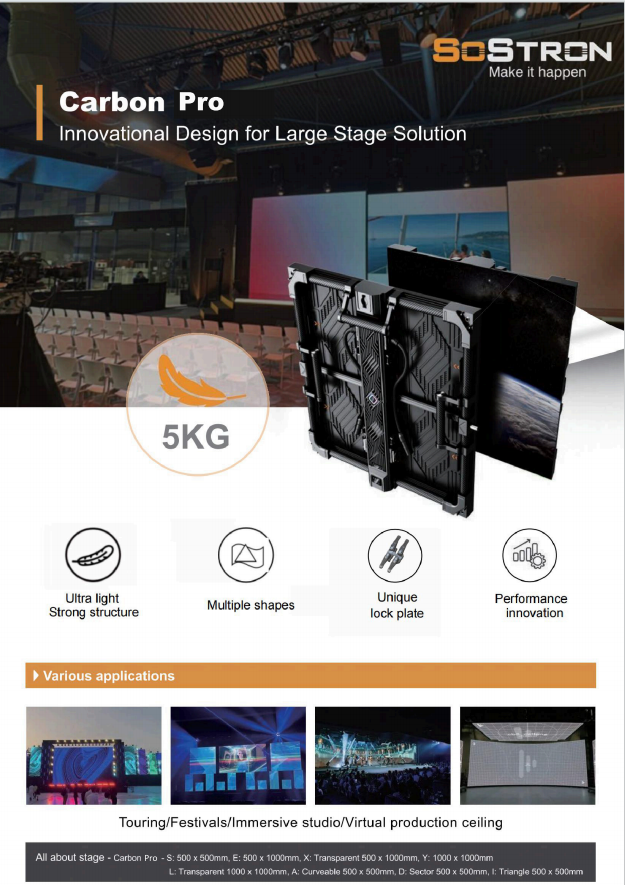
Weight Equals Money
For touring virtual stages or frequently reconfigured studios, heavy cabinets drive up truss and labor costs.
-
Traditional die-cast aluminum cabinets:
8–12kg per panel -
Sostron Carbon Pro Series (Carbon Fiber Rental LED):
Only 5kg per cabinet
Based on real project data:
Carbon Pro can reduce:
-
Transportation vehicles by ~30%
-
On-site installation labor by ~40%
The savings alone can fund a higher-end processor upgrade.
Power Consumption & Heat
The Silent Budget Killer
XR studios are typically enclosed environments. Heat output equals massive air-conditioning costs.
-
Standard LED screens:
-
High heat
-
Loud fans (bad for audio recording)
-
-
Sostron Manufacturing Advantage:
-
Common Cathode architecture
-
Fanless silent cooling design
-
Thermal logic inherited from the ARES 2 Series
-
Results:
-
Zero-noise recording
-
~30% power consumption reduction
Source Factory vs. Trading Company
How Sostron Helps You Save 30%
Out of 10 suppliers you see on Alibaba or Google, 8 are likely trading companies without factories.
Every dollar you pay includes an information asymmetry premium.
As a National High-Tech Enterprise with 15,000㎡ intelligent manufacturing facilities and 14 years of production experience, Sostron reduces costs through:
Direct-to-Customer Pricing
-
No middlemen markups
-
Strong bargaining power on core materials (LED chips, driver ICs)
-
Cost savings passed directly to clients
ODM / OEM Customization
Traders push standard inventory.
Sostron tailors solutions to your exact budget.
-
Tight budget?
Optimize IC selection while preserving refresh rate. -
High-end requirements?
Custom irregular structures (cube screens, floor-wall linkage) based on the Hima architecture.
Real After-Sales Support
Low-price traders disappear when problems arise (e.g., high dead-pixel rates).
Sostron provides:
-
Original spare parts
-
Direct factory engineering support
Our engineers have even flown to Chile music festivals to ensure flawless 7680Hz performance on large P4.8 Carbon Series LED walls.
ROI Analysis
Why XR LED Walls Beat Green Screens
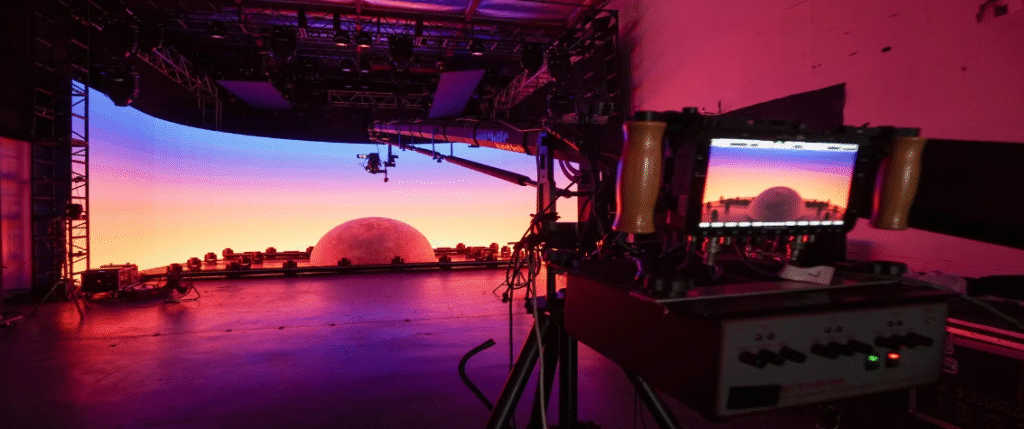
Many traditional producers say:
“LED walls are too expensive—I’ll just use green screens.”
That’s a classic case of saving small upfront costs, then paying heavily later.
Comparison: XR Virtual Production vs. Green Screen
| Dimension | Green Screen | XR LED Wall | Sostron Advantage |
|---|---|---|---|
| Upfront Equipment Cost | ⭐ Low | ⭐⭐⭐⭐⭐ High | Rental-grade solutions lower entry barrier |
| Lighting Complexity | ⭐⭐⭐⭐⭐ Very Difficult | ⭐⭐ Natural lighting | High-brightness, realistic light simulation |
| Post-Production Cost | ⭐⭐⭐⭐⭐ Very High | ⭐ Minimal | Wide gamut, minimal color correction |
| Actor Performance | Poor | Excellent | Immersive environment |
| Total Production Cycle | 3–6 months | 1–2 months | Over 50% faster time-to-market |
Conclusion:
For commercials and TV series, XR requires higher initial hardware investment—but cuts production timelines by 50% or more.
In today’s market, speed equals ROI.
Procurement Checklist
Avoid Costly Mistakes
Before placing your order, verify the following:
-
Refresh Rate Validation:
Is 7680Hz theoretical or measured? Request real camera test footage. -
Viewing Angle Test:
Check for color shift at 140° side viewing. -
Low-Brightness Grayscale:
At 20% brightness, are details preserved? -
Scan Line Check:
Adjust camera shutter speed—confirm no black lines. -
Structural Compatibility:
Ensure fast-lock systems support one-person installation (e.g., Carbon Series).
FAQ: XR LED Wall Basics
Q1: What is the budget for a mid-sized XR studio (~50 sqm)?
A: Hardware costs typically range from USD $80,000 to $150,000.
With Hima Series + Novastar, Sostron can keep your budget highly competitive without sacrificing performance.
Q2: Is smaller pixel pitch always better?
A: No. Pixel pitch depends on camera distance.
At 3–5 meters, P2.6 or P2.9 is more than sufficient and helps avoid moiré. Ultra-fine pitches like P1.2 are costly and may introduce artifacts at certain focal lengths.
Q3: What is Sostron’s lead time?
A: Thanks to our vertically integrated manufacturing base, standard products (Hima, Carbon Series) ship within 15–20 days, about 30% faster than industry average.
Final Thoughts
Investing in an XR LED background is not just about buying hardware—it’s about investing in production efficiency.
At Sostron, we’re more than a screen manufacturer.
We are your hardware partner for the virtual production era.
From rigorous testing in our 4,000㎡ R&D center to efficient output from our 15,000㎡ intelligent factory, we make sure every dollar you spend turns into flawless pixels on camera.
Planning your XR studio?
Skip the parameter headaches.
Contact Sostron today for a budget-based factory quotation and a free 3D visual simulation tailored to your project.
References:
Unreal Engine Virtual Production Documentation
Brompton Technology – Tessera LED Processor Documentation