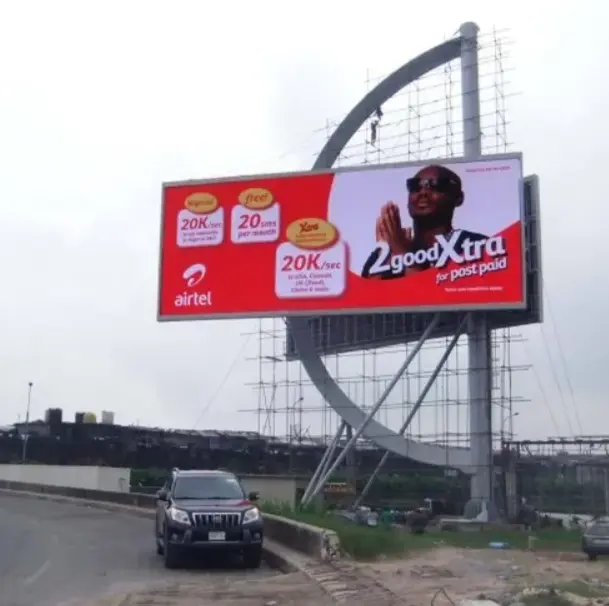
Whether you’re planning a digital billboard on EDSA, outfitting a mall in Makati, or setting up a stage backdrop for events in Cebu, one question comes first: how much does an LED wall cost in the Philippines?
The answer has changed considerably in recent years — and 2026 brings both opportunities and new considerations for Philippine buyers. The Philippines LED market reached USD 909.3 million in 2025 and is projected to grow to USD 2,211.4 million by 2034, expanding at a CAGR of 10.10%. IMARC Meanwhile, the Philippines digital signage market reached USD 137.1 million in 2025 and is projected to reach USD 254.6 million by 2034, growing at 6.76% annually.
This surge in demand — driven by rapid urbanization, infrastructure development outside Metro Manila, and the shift from static to digital advertising — means the Philippine LED wall market is more competitive and better-supplied than ever. Prices have come down while technology has improved dramatically.
This guide gives you real 2026 pricing data, a breakdown of every cost factor, pixel pitch selection guidance, and practical strategies for Philippine buyers to reduce total cost of ownership.
What is LED wall technology?
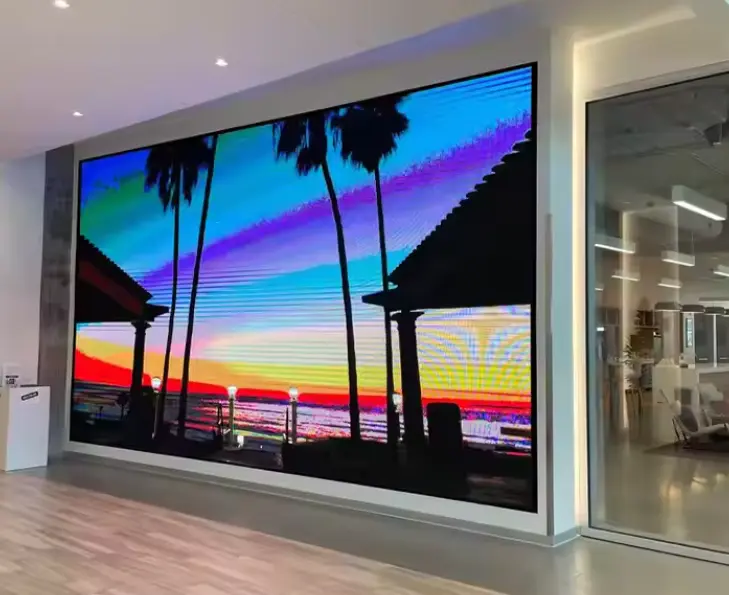
An LED wall (also called an LED video wall or LED display screen) is a large-format display built from modular LED panels arranged together to form a seamless, high-resolution screen. Unlike traditional projectors or LCD screens, LED walls generate light directly from thousands of individual light-emitting diodes — delivering superior brightness, contrast, and longevity.
Five key features of LED wall technology in the Philippines:
1. High Brightness for the Tropical Environment Philippine sunlight is intense. Outdoor LED walls designed for the local climate operate at 5,000–10,000 nits, ensuring visibility from distance even at midday. Indoor walls typically run 800–2,000 nits — still far brighter than projectors in ambient light.
2. Typhoon-Resistant Construction The Philippines experiences some of the world’s most powerful typhoons annually. Quality outdoor LED displays for the Philippine market are rated IP65 or higher for water and dust ingress protection, with cabinet engineering that meets or exceeds Philippine National Building Code wind-resistance standards.
3. Energy Efficiency in a High-Cost Power Market The Philippines has some of Asia’s highest electricity rates (Philippine Department of Energy). In 2026, the biggest shift in the OOH space is the move toward energy-saving LED technology, with business owners prioritizing models that cut power consumption by up to 30% to offset high electricity costs while maintaining 7,500 nits of sunlight-readable brightness.
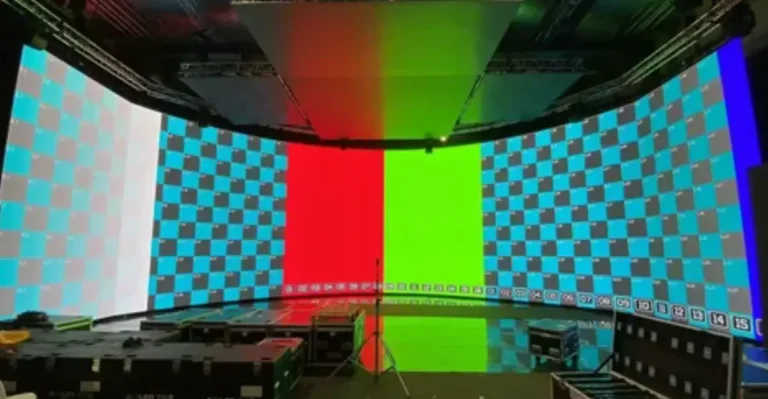
4. Full Customizability LED modules can be assembled into virtually any size, shape, or aspect ratio — critical for Philippine installations that often involve irregular building facades, curved structures, or stage configurations.
5. Long Operational Lifespan Commercial LED panels are rated for 80,000–100,000 hours — approximately 10–12 years at 8 hours of daily operation. For billboard operators and venue owners, this translates to a genuinely long-term revenue-generating asset.
Why LED Walls Are in High Demand Across the Philippines in 2026
EDSA and Metro Manila OOH Advertising
EDSA remains the Philippines’ most valuable digital outdoor corridor, with large-format LED billboards commanding premium advertising rates. Billboard media delivered 49.52% of OOH revenue in 2024, fueled by strategic placement along major roads, and the Philippines OOH and DOOH market is expected to grow at 5.97% CAGR to reach USD 0.46 billion by 2030. Mordor Intelligence
Expansion Beyond Metro Manila
With the completion of major bridges, highways, and commercial developments in Cebu, Davao, Iloilo, and Bacolod, demand for outdoor digital signage has expanded far beyond the capital. Business owners and local governments in these emerging hubs are investing in typhoon-proof outdoor screens engineered to withstand the coastal winds and heavy rains of the Visayas and Mindanao regions.
Retail, Events, and Church Markets
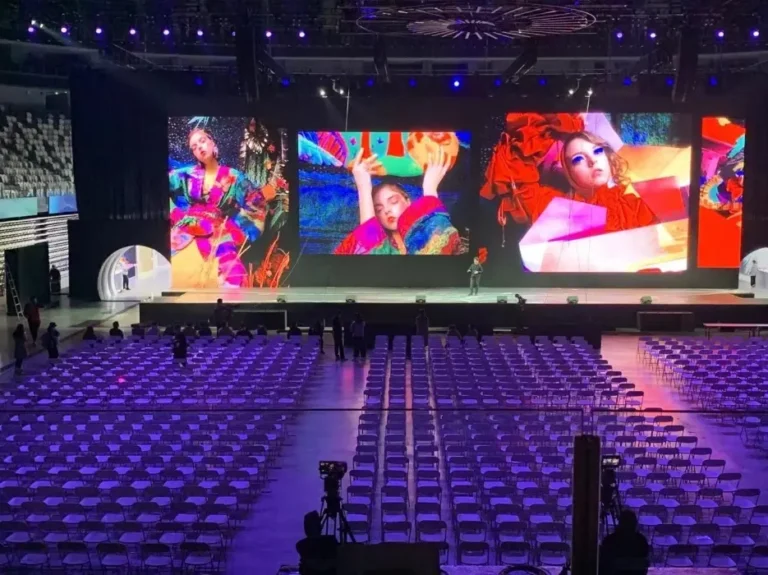
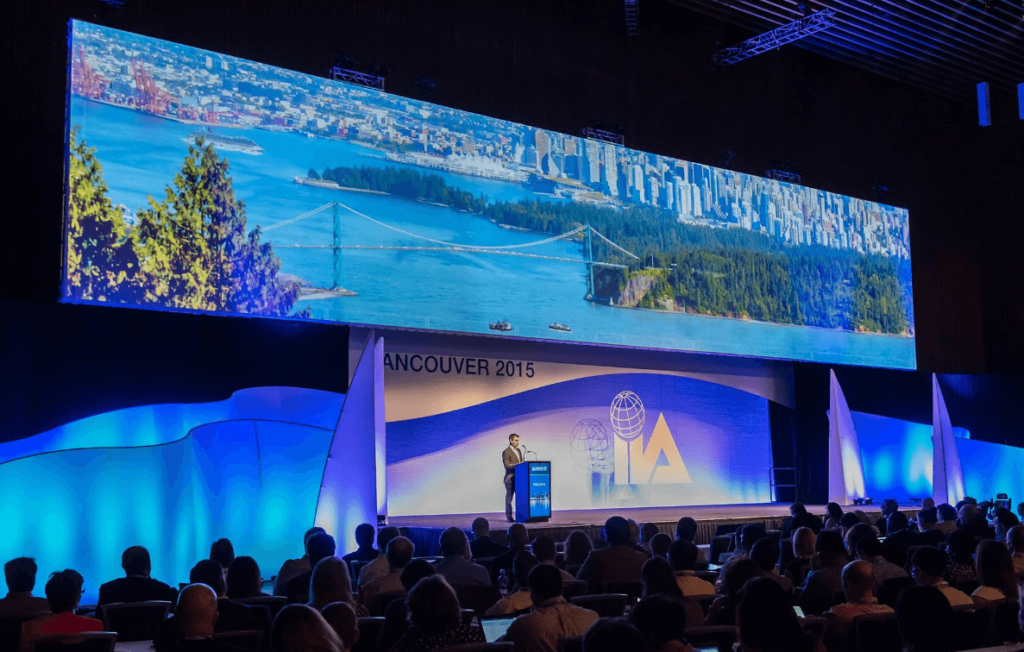
The Philippine events industry — spanning weddings, corporate launches, concerts, and church services — drives strong demand for rental LED panels. Churches from Manila to Mindanao are among the fastest-growing segments of the LED display market, deploying fine-pitch indoor walls for worship experiences and online streaming.
Programmatic Digital Advertising
The Philippine OOH and DOOH market for programmatic screens is predicted to grow from USD 0.09 billion in 2025 to USD 0.13 billion by 2030, with advertisers reallocating budgets from print and TV to digital screens that combine sight, scale, and real-time content triggers.
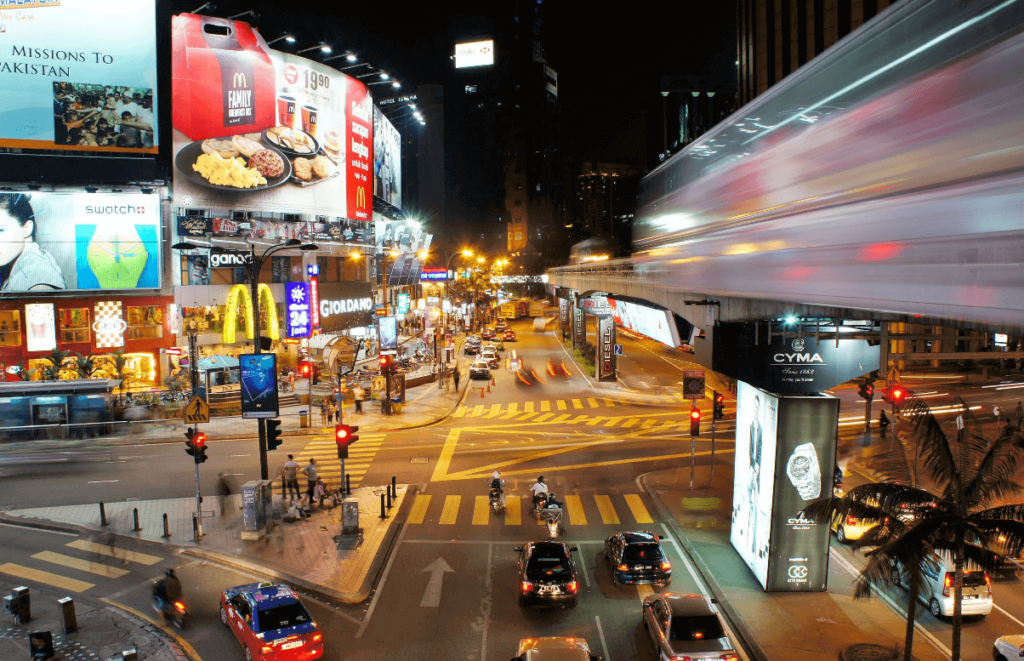
How much does an LED wall cost in the Philippines?
Pricing depends on pixel pitch, screen type, size, installation environment, and sourcing method. Below are current 2026 market reference rates:
Indoor LED Wall Prices in the Philippines
| Pixel Pitch | Application | Price per m² (USD) | Price per m² (PHP est.) |
|---|---|---|---|
| P1.2–P1.8 | Broadcast, fine-pitch boardroom | $1,800–$3,500 | ₱104,000–₱202,000 |
| P2.5–P2.9 | Church, corporate, retail flagship | $1,200–$2,200 | ₱69,000–₱127,000 |
| P3.9–P4.8 | Events, rental, medium viewing distance | $800–$1,400 | ₱46,000–₱81,000 |
Based on recent installations, indoor LED wall prices in the Philippines typically range from USD 1,500 to USD 3,500 per square meter for fixed installations, depending on pixel pitch and brand specification.
Outdoor LED Wall Prices in the Philippines
| Pixel Pitch | Application | Price per m² (USD) | Price per m² (PHP est.) |
|---|---|---|---|
| P4–P5 | Commercial building facade, retail exterior | $1,200–$2,200 | ₱69,000–₱127,000 |
| P6–P8 | Road-facing billboards, mid-distance advertising | $900–$1,600 | ₱52,000–₱92,000 |
| P10–P16 | Highway billboards, large-format OOH | $700–$1,200 | ₱40,000–₱69,000 |
In 2026, LED screen prices in the Philippines typically range from ₱30,000 to ₱80,000 per square meter depending on pixel pitch and application. A high-definition indoor P2.5 screen for a church in Manila starts at around ₱30,000/sqm, while a heavy-duty P6 outdoor billboard with typhoon-proof engineering can reach ₱75,000/sqm.
Rental LED Wall Prices in the Philippines
For events, exhibitions, and short-term campaigns:
- P3.91 rental panels: ₱35,000–₱60,000/m² (including flight cases and die-cast aluminum cabinets)
- Day rental rates: Approximately $50–$80 per square meter per day for event-grade panels
- Most Philippine rental business owners using high-quality P3.91 screens can recover their full investment within 10–14 months of weekend event bookings for weddings, corporate launches, and concerts.
Complete Installed System Cost Estimates
| Setup Type | Screen Size | Estimated Total Cost (PHP) |
|---|---|---|
| Small church/conference room (P3.9 indoor) | 4×2.5 m | ₱400,000–₱700,000 |
| Medium event/rental setup (P3.91) | 6×3 m | ₱700,000–₱1,200,000 |
| Retail flagship backdrop (P2.5 indoor) | 8×4 m | ₱1,200,000–₱2,000,000 |
| Medium outdoor billboard (P8) | 10×5 m | ₱900,000–₱1,600,000 |
| EDSA-grade highway billboard (P10) | 20×8 m | ₱3,000,000–₱6,000,000+ |
Note: Prices are reference rates for 2026 Q1–Q2 and are subject to exchange rate fluctuations (PHP/USD), project-specific engineering requirements, logistics costs from port of origin, and installation complexity.
Key Factors That Affect LED Wall Pricing in the Philippines
1. Pixel Pitch (Resolution)
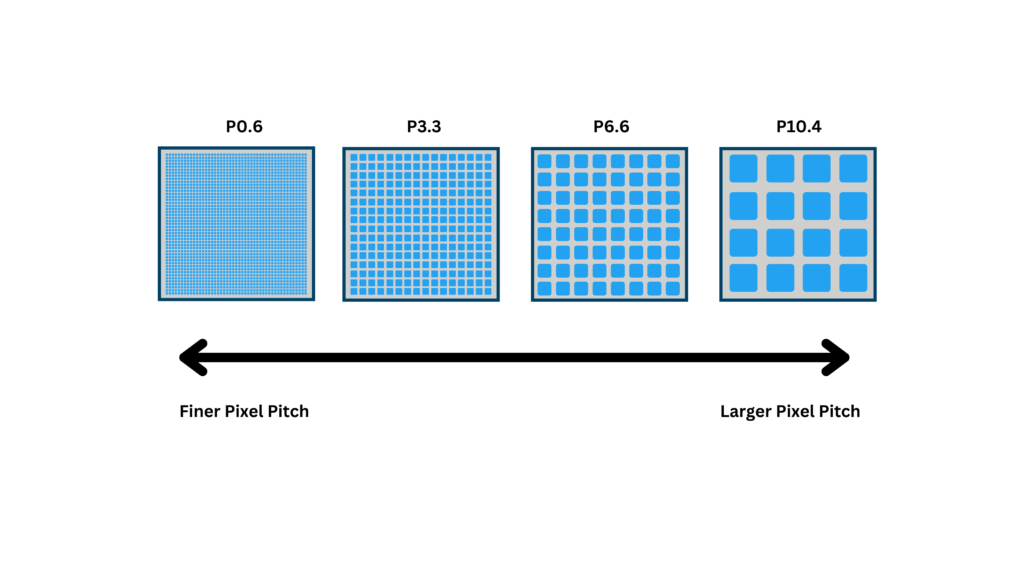
Pixel pitch is the most significant price driver. Finer pitch (smaller P-value) means more LED chips per square meter, driving up manufacturing cost significantly. The cost of an LED video wall in 2025–2026 is primarily determined by pixel pitch, with average prices ranging from $800 to $2,500 per square meter. Fine-pitch indoor displays for broadcast studios and control rooms sit at the upper end, while large-pitch outdoor LED displays for billboards are more cost-effective per square meter.
Use this rule: viewing distance in meters ÷ 1,000 = minimum pixel pitch in mm. A 10m viewing distance = P10 minimum; a 3m viewing distance = P3 minimum.
2. Indoor vs. Outdoor Specification
Outdoor panels require weatherproofing (IP65+), significantly higher brightness (5,000–10,000 nits vs. 800–2,000 nits indoors), and more robust structural engineering for wind loads. For the Philippines specifically, typhoon-grade reinforcement adds cost but is non-negotiable for long-term outdoor deployments.
3. LED Packaging Technology
- SMD (Surface Mount Device): Standard technology, wide color gamut, cost-effective
- COB (Chip on Board): Superior reliability and contrast, better suited for fine-pitch indoor applications, 20–30% premium over SMD
- GOB (Glue on Board): Impact-resistant coating ideal for floor tiles and interactive screens
4. Cabinet Type
- Fixed installation cabinets (aluminum or steel): Lower cost, designed for permanent mounting
- Rental cabinets (die-cast aluminum with quick-lock connectors): Higher upfront cost but built for repeated assembly and transport
5. Control System and Software
A complete LED display system includes a sending card, receiving cards, video processor, and content management software. Expect to budget $1,500–$8,000 for the control system on top of panel costs, depending on system complexity.
6. Installation, Rigging, and Electrical Work
Budget 15–25% of the panel cost for installation labor, structural mounting fabrication, electrical wiring, and commissioning. For elevated or complex facade installations in Metro Manila, certified structural and electrical engineering sign-offs add further cost.
7. Import Duties and Shipping
Most LED display hardware is manufactured in China and imported into the Philippines. Factor in ocean freight ($300–$1,500 per shipment depending on size), Bureau of Customs duties (typically 0–10% depending on HS code classification), and local trucking and delivery.
Hidden Costs Philippine Buyers Often Overlook
- Annual maintenance contract: ₱15,000–₱50,000/year depending on screen size
- Spare module inventory: Budget 5–8% of panel cost for reserve modules
- Content creation and CMS software licensing: ₱30,000–₱150,000/year depending on platform
- Local government permits: Outdoor billboard permits in Metro Manila, Cebu, and other LGUs involve fees that vary significantly by location and sign dimensions
- Structural engineering certification: Required for roof-mounted or large facade installations under the Philippine National Building Code
Practical Ways to Reduce LED Wall Costs in the Philippines
1. Source Factory-Direct from Shenzhen
The single most impactful cost reduction strategy is eliminating local distributor margins by working directly with a China-based manufacturer. Sourcing directly from a China factory can save up to 40% compared to local middleman prices. Manufacturers like Sostron — with a 15,000㎡ production facility in Shenzhen and 14+ years of export experience — provide factory-direct pricing with full project support including Philippines-specific engineering guidance.
2. Match Pixel Pitch to Viewing Distance — Don’t Overbuy Resolution
Many Philippine buyers pay a significant premium for fine-pitch panels in applications where coarser pitches are perfectly adequate. A P6 outdoor billboard visible from 20+ meters delivers identical perceived image quality as P4 at less than half the cost per square meter.
3. Choose Modular Systems for Future-Proofing
Modular cabinet designs allow individual panels to be replaced without removing the entire display. This reduces long-term maintenance costs by approximately 20% over the system lifetime.
4. Consider Rentals for Seasonal Demand
For events businesses and churches that need premium display quality for 2–4 high-profile events per year, renting beats purchasing until event frequency justifies capital expenditure.
5. Explore Emerging Markets Outside Metro Manila
In emerging business hubs like Cebu IT Park, Davao, Iloilo, and Bacolod, competition is far lower, land and permit costs are cheaper, and ad slot rates are nearly as high as Metro Manila — delivering the same or faster ROI for a lower upfront investment.
6. Buy During Off-Peak Manufacturing Windows
Shenzhen LED factories typically offer 10–15% discounts during Q2 (April–June) when production lines run below capacity. Planning procurement around this window can meaningfully reduce hardware cost.
Real-World LED Wall Installations in the Philippines (2025–2026)
Highway Billboard, South Luzon Expressway (SLEX) A 60m² P10 outdoor high-brightness typhoon-proof billboard installed along the Magallanes exit. Engineered to Philippine National Building Code wind-resistance standards, the display operates at 7,500 nits for full visibility in Metro Manila sunlight.
Church Installation, Metro Manila A medium-sized church in Quezon City installed a P2.5 indoor LED wall for their main sanctuary and live streaming studio. Total investment approximately ₱280,000 for an 8×4m system including installation and control hardware.
Events Rental Fleet, Cebu A Cebu-based events company built a fleet of P3.91 rental panels totaling 120m². With bookings for weekend weddings and corporate launches, they recovered their full investment within 12 months of operation.
LED Wall Applications in the Philippines: Where the Market Is Growing
1. Outdoor Advertising (OOH/DOOH)
The core use case driving Philippines LED investment. EDSA billboards, SM Mall facade displays, and highway digital signage remain high-ROI applications for media owners.
2. Retail and Shopping Malls
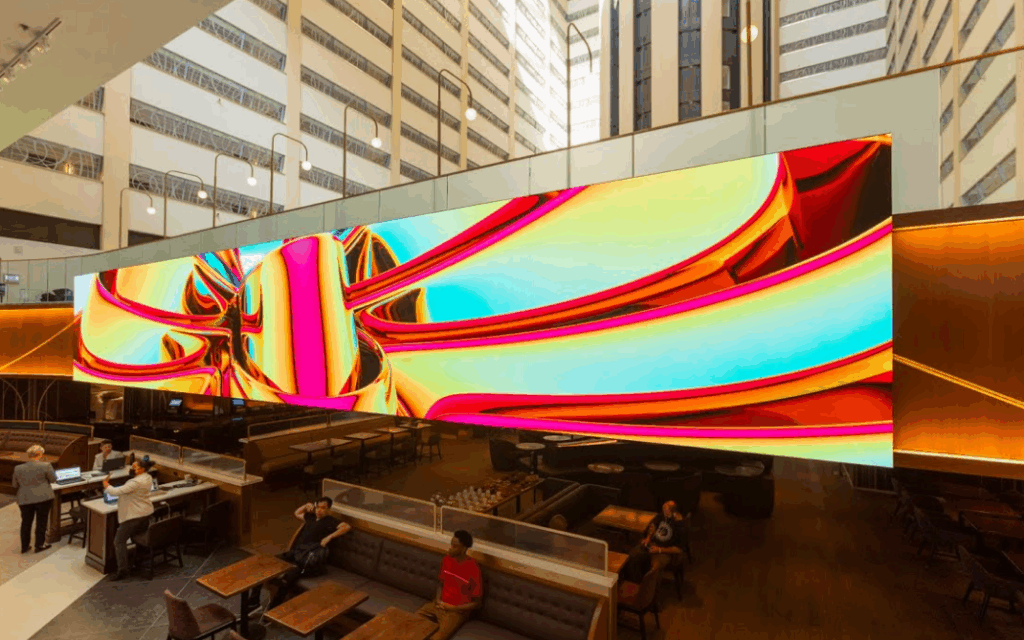
SM, Ayala Malls, Robinson’s, and independent mall operators are upgrading tenant signage and common area displays from static to dynamic LED formats.
3. Events, Concerts, and Weddings
The Philippines’ vibrant events industry generates consistent demand for rental-grade LED panels. Wedding LED walls have become a standard expectation for premium receptions in Metro Manila, Cebu, and Davao.
4. Church and Worship Venues
From mega-churches in Mandaluyong to community congregations in the provinces, LED displays are transforming Philippine worship experiences — supporting live lyrics, sermon visuals, and online streaming quality.
5. Government and Public Infrastructure
The Philippine government has implemented various initiatives to promote energy-efficient LED adoption, including the Philippine Energy Efficiency Project (PEEP) and the Philippine Energy Standards and Labeling Program (PESLP). MarkWide Research Public information displays, transit signage, and emergency communication boards are active procurement categories.
6. Sports Venues and Stadium Perimeter Advertising
Philippine Basketball Association (PBA) venues, provincial sports facilities, and school sports centers are investing in LED scoreboards and perimeter display systems.
Frequently Asked Questions
Q: What is the cheapest LED wall option available in the Philippines?
A: For basic indoor applications (small church, small conference room, retail shop), a P4.8 or P3.91 modular indoor LED wall sourced factory-direct can start from approximately ₱20,000–₱30,000 per square meter for hardware. A basic 4×2m system can be assembled for ₱160,000–₱240,000 for hardware alone before installation. Budget a further ₱50,000–₱100,000 for local installation and electrical work.
Q: How long does an outdoor LED billboard last in the Philippines?
A: Commercial-grade outdoor LED displays are rated for 80,000–100,000 hours. Running 12 hours per day, this equals 18–23 years of rated lifespan. In practice, Philippine operators typically plan for a 10–12 year lifecycle accounting for component degradation in tropical heat and humidity. Choosing panels with IP65+ rating and proper cabinet ventilation significantly extends operational life.
Q: Do I need a permit to install an outdoor LED wall in the Philippines?
A: Yes. Outdoor LED billboard installations require permits from the relevant Local Government Unit (LGU), which typically includes a building permit, electrical permit, and signage or outdoor advertising permit. Requirements and fees vary significantly between Metro Manila (MMDA jurisdiction applies to major roads), Cebu City, Davao, and other LGUs. Structural engineering certification from a licensed Philippine civil or structural engineer is required for any roof-mounted or large facade installation.
Q: Is it better to buy locally or import directly from China?
A: For standard specifications, importing factory-direct from Shenzhen manufacturers delivers significantly better value — potentially 30–40% savings versus local distributor pricing for equivalent hardware. The trade-off is longer lead times (typically 3–6 weeks from order to port delivery) and the need to manage customs clearance. Working with an experienced exporter like Sostron that provides full export documentation and logistics coordination mitigates most of this complexity.
Q: What pixel pitch should I choose for a Philippine outdoor billboard?
A: For roadside or highway billboards with viewing distances of 15–30 meters, P6 to P10 delivers excellent perceived image quality at optimal cost. For retail exterior signage viewed at 5–15 meters, P4 to P6 is appropriate. Only very close-viewing outdoor applications (under 5 meters) justify P2.5 or finer outdoor panels.
Q: What is the typical ROI for a Philippine LED billboard business?
A: A well-located outdoor LED billboard along a high-traffic corridor in Metro Manila or Cebu can generate ₱30,000–₱150,000+ in monthly advertising revenue depending on location, screen size, and client mix. At these rates, many Philippine operators achieve full capital recovery within 18–36 months.
Conclusion: Getting the Best LED Wall Value in the Philippines in 2026
The Philippine LED wall market in 2026 offers buyers more choice, better technology, and lower hardware costs than at any point in the industry’s history. Global LED component costs have decreased 8–12% year-over-year since 2020, and pricing is expected to stabilize through 2026 as microLED adoption potentially raises premium-tier costs while mainstream LED products become more accessible. Reissopto
The keys to maximizing value for Philippine buyers are: matching pixel pitch precisely to your viewing distance, sourcing factory-direct to eliminate distributor margins, engineering for the Philippine climate (typhoon resistance, tropical humidity, direct sun), and planning your total cost of ownership — not just the hardware price tag.
Sostron delivers factory-direct LED display solutions to the Philippine market with a full product range from P0.9 fine-pitch indoor walls to P16 highway-grade outdoor displays, dedicated export documentation for Philippines Bureau of Customs clearance, and project management support from specification through installation. With 14+ years of manufacturing experience and a 15,000㎡ Shenzhen production facility, Sostron is a proven partner for Philippine buyers seeking factory-direct quality and value.