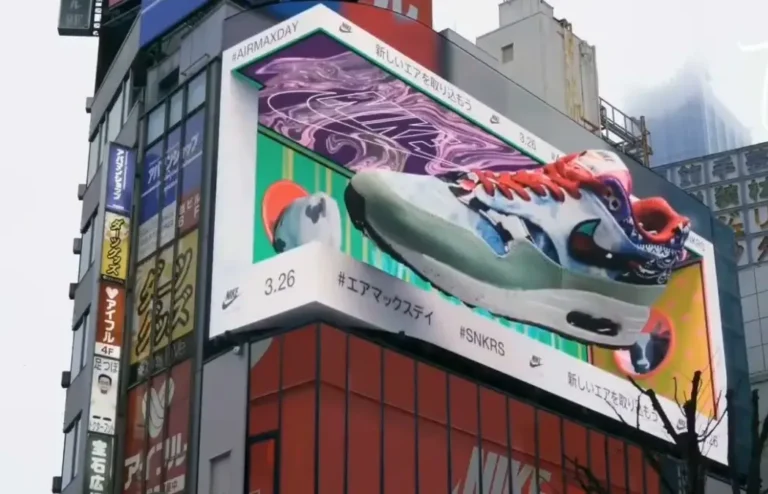
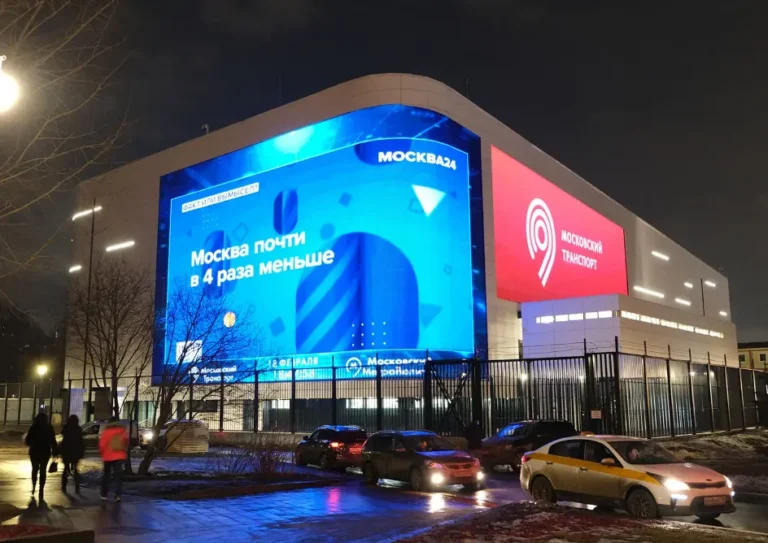
In B2B LED display procurement, Refresh Rate and Frame Rate are the technical indicators most easily confused, yet they directly determine the success or failure of a project. Simply put, the refresh rate determines how often the screen “draws the picture,” while the frame rate determines the speed at which the content “sends the picture.”
Below is a summary of the core technical differences between the two and their impact on commercial performance:
| Dimension | Refresh Rate | Frame Rate |
| Definition | The number of times the LED Driver IC refreshes the image per second. | The number of image frames output per second by the video source, media server, or graphics card. |
| Unit of Measure | Hertz (Hz), such as 3840Hz, 7680Hz. | Frames per second (fps), such as 24fps, 60fps, 120fps. |
| Control Side | Determined by LED screen hardware and Driver IC. | Determined by content production, media players, or signal sources. |
| B2B Core Impact | Eliminates scan lines during camera shooting, reduces visual fatigue, and improves grayscale performance. | Determines the smoothness of motion, avoiding tearing or stuttering in moving images. |
| Golden Match Rule | The refresh rate should be an integer multiple of the frame rate (usually 60x or higher). | Ensure the playback source is synchronized (Sync) with the screen’s refresh capability. |
In Sostron’s 16 years of experience serving global integrators, we have found that more than 70% of technical after-sales issues—such as “Why are there black bars when I take a photo with my phone?” or “Why does the dynamic advertisement look ghosted?”—are essentially due to buyers failing to correctly understand the difference and matching relationship between LED refresh rate vs frame rate during the project planning stage. If you are selecting equipment for an XR virtual production studio, high-end retail store, or DOOH outdoor advertising, understanding the deep logic of these two will save you tens of thousands of dollars in post-correction costs.
Technical Deep Dive: The Overlooked “Synergy Logic” Between Refresh Rate and Frame Rate
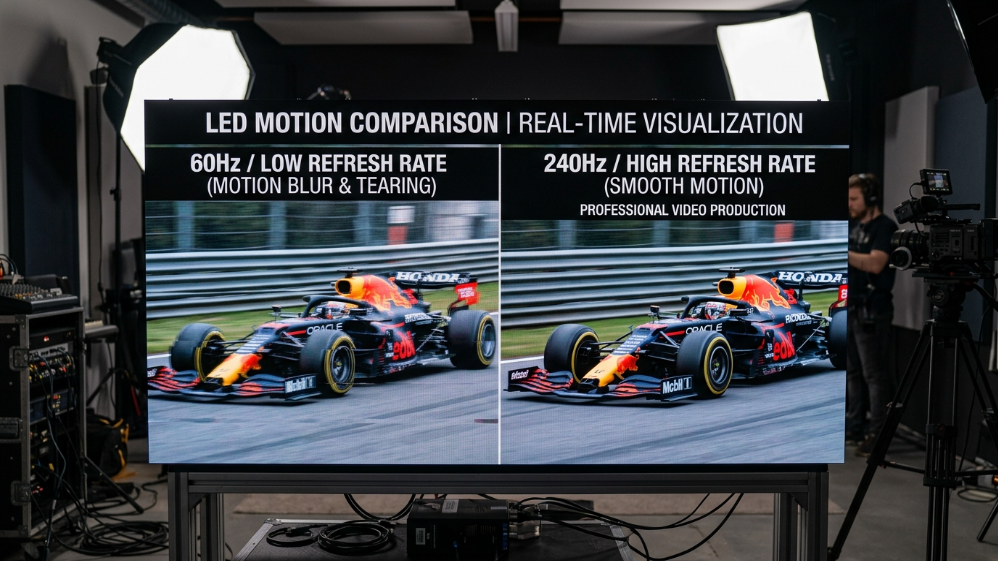
As an LED engineer, I often use a “sports car” analogy: the frame rate is the driving speed of the racing car (the speed of content flow), while the refresh rate is the engine’s RPM (the frequency of hardware operation). If the engine RPM cannot keep up with the car’s speed, the car will stall; similarly, if the refresh rate of the LED screen is insufficient to carry high-frame-rate content, visual collapse is inevitable.
The Role of the Driver IC
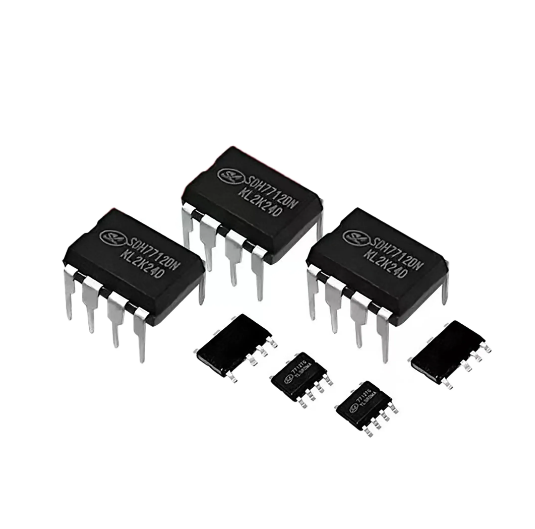
Inside an LED display, the Driver IC is the core brain. It controls the brightness and darkness of each pixel through Pulse Width Modulation (PWM) technology. According to data from Sostron’s engineering department, mainstream commercial displays on the market usually offer a refresh rate of 1920Hz or 3840Hz. However, in the high-end B2B market of 2026, 7680Hz has become the entry ticket for XR Virtual Production and high-end broadcasting studios.
The Commercial Value of Frame Rate for Dynamic Content
For event planning companies, the frame rate of the playback source is usually set at 60fps. If the screen’s refresh rate is set incorrectly (for example, if it is not a multiple of the frame rate), Latency or screen tearing will occur.
-
Feature: Sostron’s Hima Series supports phase locking (Genlock) with media servers.
-
Benefit (Commercial Value): This means the playback source and the screen are completely synchronized (Sync). When broadcasting live sports events or high-speed racing advertisements, the audience will never see any Motion Blur.
Why Low Refresh Rate is Quietly Killing Your Brand’s Visual Impact?
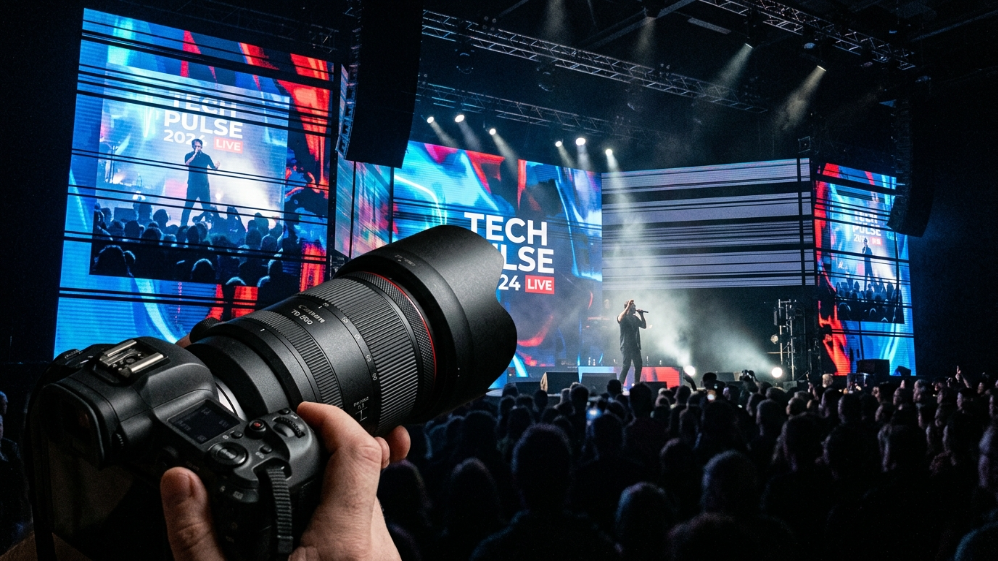
In the B2B sector, the audience for a screen is not just the live spectators, but more often the “second-dimension audience”—social media users reached through phone lenses and professional cameras.
Fatal Scan Lines and Banding
When you use a camera to shoot an LED screen with a low refresh rate (such as <1920Hz), because the camera’s Shutter Speed is much higher than the screen’s refresh cycle, ugly horizontal or vertical black stripes will appear in the photos.
-
Expert Perspective: According to industry authoritative test data, to maintain Flicker-free performance under professional cameras (shutter speed above 1/1000s), the visual refresh rate of the screen must reach 3840Hz or higher. In XR virtual production scenarios, this requirement even soars to 7680Hz.
Visual Fatigue and User Dwell Time
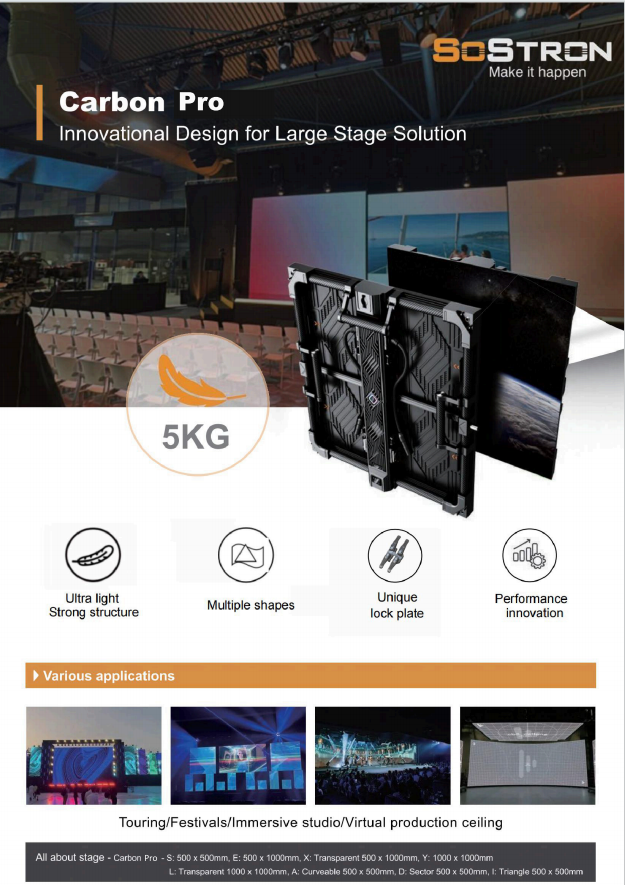
Low refresh rates cause high-frequency flickering that is difficult for the naked eye to detect. Based on our research on retail terminals, customers in low-refresh screen environments experience 40% higher visual fatigue than those in high-refresh screen (3840Hz+) environments.
-
FAB Application: Sostron’s Carbon Series utilizes COB Flip-Chip technology combined with high-refresh drivers.
-
Business Outcome: Not only are the colors more delicate, but the visual pressure on the audience is also reduced through stable waveform output, thereby extending the dwell time of customers in high-end brand stores (such as Dior or Panerai stores) and indirectly increasing conversion rates.
7680Hz Advantage: How Sostron Redefines Professional Display Standards
- Camera Flicker: Visible black bars (rolling shutter effect) when filmed.
- Content Loss: Fast-moving content may appear blurry or tearing.
- Not Broadcast Ready: Unsuitable for professional live streaming or TV.
- Flicker-Free: Crystal clear image on all cameras (1/2000s+ shutter speed).
- Smooth Motion: Perfect for fast video playback and sports.
- XR Ready (7680Hz): Essential for virtual production and XR studios.
While most manufacturers are still promoting 3840Hz, Sostron has applied the 7680Hz indicator to our flagship product lines, such as the Carbon Family and ARES Series. This is not just a doubling of numbers; it is a revolution in the underlying architecture.
The Assist from Common Cathode Technology
Traditional high-refresh screens are often accompanied by high heat generation, which shortens LED lifespan and leads to color deviation.
-
Engineering Breakthrough: We introduced Common Cathode Technology.
-
FAB Logic: By accurately allocating the voltage of the red, green, and blue chips, we achieve ultra-high refresh while reducing screen power consumption by 50% and heat output by 35%. For DOOH advertisers, this means you get top-tier filming effects while saving thousands of dollars in electricity and maintenance costs annually.
Grayscale at High Refresh
Many low-end screens sacrifice Grayscale when pursuing high refresh rates, causing the image to show banding or loss of detail in extremely bright or dark areas.
-
Sostron’s Solution: Our driver architecture ensures an effective 14-16 bit grayscale processing capability even at high refresh rates.
-
Commercial Value: When displaying jewelry or luxury watch advertisements, it can present extreme shadow details and metallic textures, ensuring that every pixel of the brand image possesses a high-end feel.
Signal Gain from Cableless Design
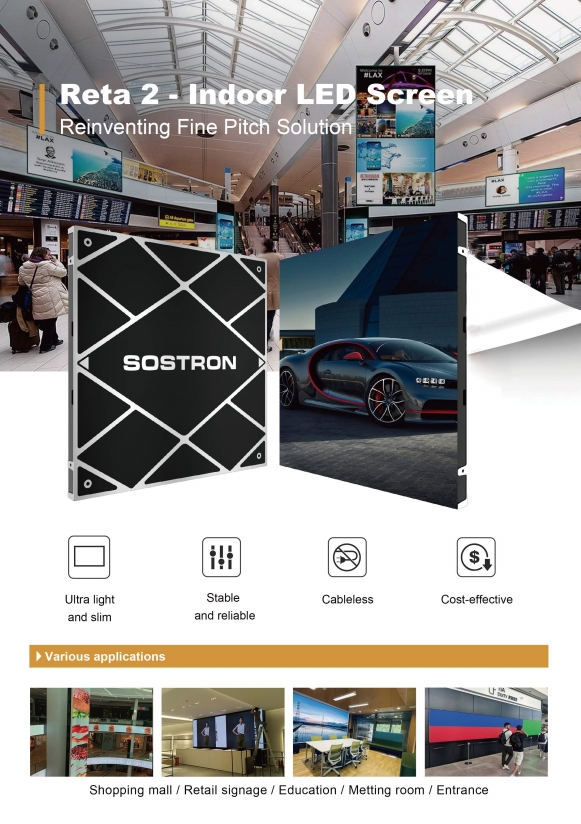
Interference is the invisible killer affecting refresh rates. Traditional internal ribbon cables are prone to electromagnetic interference, leading to data packet loss and refresh rate fluctuations.
-
Design Innovation: Sostron’s Reta 2 Series adopts a Cableless Design.
-
Result: The signal transmission path is shortened and stabilized, ensuring that under high-frequency operation, every module of the screen maintains 100% refresh consistency, eliminating subtle brightness differences between modules.
Application Scenarios: Choosing the Right Specs for Your Project
In B2B procurement, there is no “best” parameter, only the “most suitable” application. Based on Sostron’s field observations of over 6,000 global projects, refresh rate and frame rate configurations are generally divided into the following three tiers:
XR Virtual Production and Professional Studios (The Elite Tier)
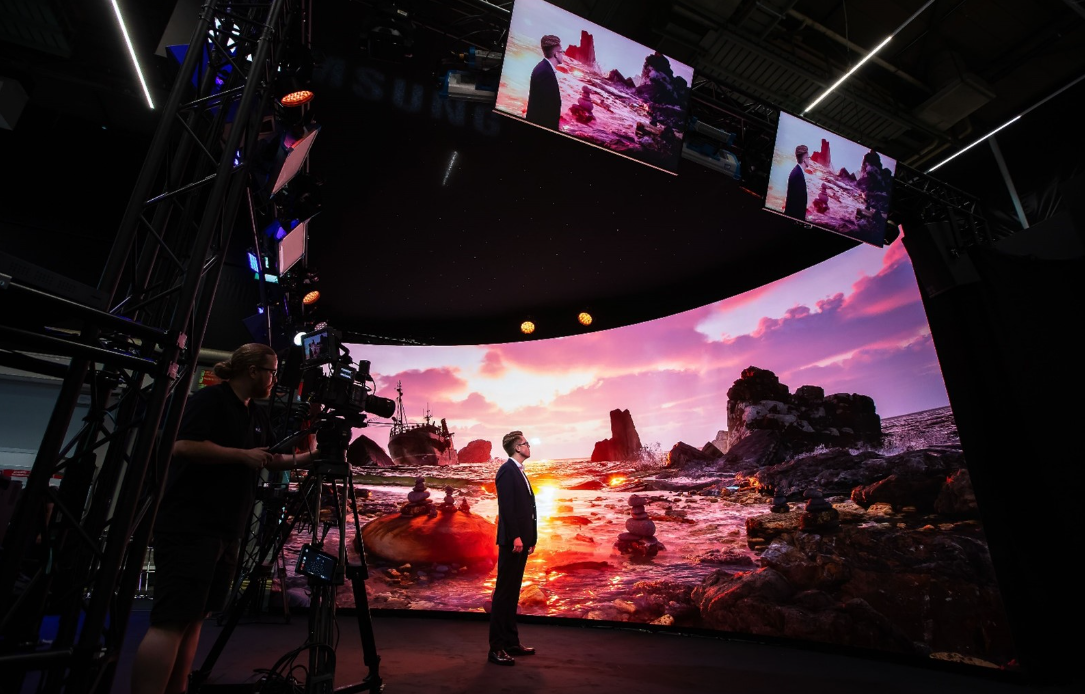
In XR Virtual Production scenarios, the LED screen is not just a background, but also the light source and scene captured directly by the camera.
-
Technical Pain Point: Camera shutter speeds are extremely fast, and high-speed moving shots are frequent. If the refresh rate and frame rate do not match, severe Banding or image tearing will occur.
-
Sostron Solution Suggestion:
-
Core Configuration: 7680Hz Refresh Rate + 120fps Frame Rate support + Genlock Sync.
-
Recommended Series: Hima Series.
-
Commercial Value (FAB): The Hima Series not only has an extremely high refresh rate, but its Low Latency technology also ensures real-time synchronization between the actors’ movements and the background image. This means post-production costs are significantly reduced because you no longer need to spend weeks fixing Moiré patterns or sync errors in the video.
-
High-End Retail and Brand Flagship Stores (The Prestige Tier)
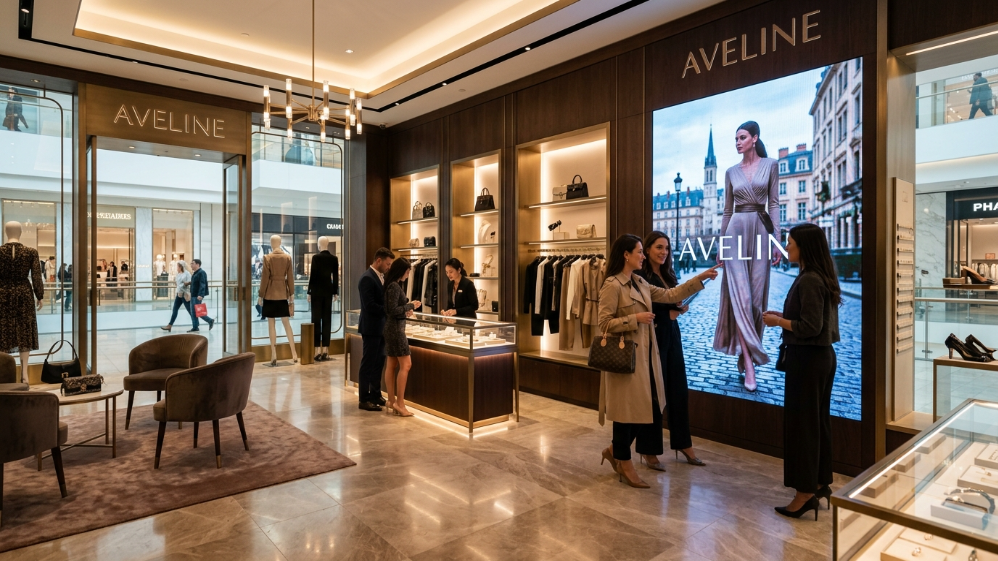
For brands like Dior and Audemars Piguet, in-store displays are part of the brand equity.
-
Technical Pain Point: In the social media era, every customer is a broadcaster. If a customer’s mobile phone video taken in the store shows Flicker, it will directly damage the brand’s high-end feel.
-
Sostron Solution Suggestion:
-
Core Configuration: 3840Hz – 7680Hz Refresh Rate + 60fps Frame Rate.
-
Recommended Series: Carbon Series (COB Flip-Chip).
-
Commercial Value (FAB): Utilizing the ultra-high contrast (25,000:1) of COB Flip-Chip technology combined with high refresh rates. Even when customers take close-up shots, the screen can still present silk-smooth color transitions, ensuring the brand image is impeccable under any lens.
-
Event Rental and Large-Scale Tours (The Performance Tier)

For large-scale outdoor projects like music festivals in Chile, stability and filming compatibility are the top priorities.
-
Technical Pain Point: On-site lighting is complex, and there are large broadcast trucks for global live streaming.
-
Sostron Solution Suggestion:
-
Core Configuration: 3840Hz+ Refresh Rate + High Brightness Anti-interference.
-
Recommended Series: Carbon Family.
-
Commercial Value (FAB): The 5KG lightweight advantage brought by carbon fiber material is only a physical benefit; the true core strength lies in its ability to maintain Flicker-free performance under high brightness, ensuring global live broadcast images are clear and sharp.
-
B2B Buying Guide: Key Considerations Beyond the Data Sheet
As a procurement decision-maker, you cannot just look at the numbers on a PDF brochure. Here are three hidden variables we have summarized from engineering practice that determine the stability of refresh rate and frame rate in actual operation.
The Trap of Scan Mode
Many manufacturers claim 3840Hz, but in actual testing, the brightness is extremely low. This is because they use a high multiple of dynamic scanning (such as 1/32 scan).
-
Engineer’s Advice: The higher the scan multiple, the heavier the load on the Driver IC. If possible, prioritize solutions with lower scan multiples (such as 1/16 scan or static scan).
-
Sostron Standard: In the ARES Series, we ensure sufficient brightness gain while maintaining high refresh rates by optimizing driver algorithms, avoiding the image quality becoming “blurry” due to the frequency increase.
The “Seesaw” Between Grayscale and Refresh Rate
In low-end display technology, increasing the refresh rate often sacrifices Grayscale, leading to a loss of detail in dark areas.
-
Selection Point: Ask the supplier how many bits of grayscale can be achieved at 3840Hz.
-
Ideal Standard: 14-16 bit grayscale processing capability is the key to ensuring the image has a “cinematic feel,” which is also the core competitiveness that allows Sostron’s flagship series to pass high-end engineering inspections.
Internal Signal Integrity
Stable refresh rate output is heavily dependent on signal purity.
-
Technical Advice: Choose Cableless Design.
-
Reason: It reduces internal electromagnetic interference (EMI), ensuring that the PWM (Pulse Width Modulation) signal is not distorted during transmission. Sostron’s Reta 2 Series achieves a more stable visual refresh frequency in its class precisely through this structural optimization.
| Procurement Inspection Item | Low-End Standard (Select with Caution) | Industry Benchmark (Sostron Standard) | Impact on Business |
| Refresh Rate | 1920Hz | 3840Hz – 7680Hz | Determines whether it can be compatible with modern photography equipment. |
| Sync Function | None | Support for Genlock / Phase Locking | Determines whether there is screen tearing during live broadcasts or multi-screen splicing. |
| Cooling Technology | Traditional Driver | Common Cathode | Determines whether the screen will downclock or be damaged due to overheating in high-refresh mode. |
| Certification Compliance | Basic CE | ETL / FCC / CE / RoHS | Determines the legal access risks for projects in the North American and European markets. |
FAQ: Addressing the Most Common Pain Points of LED Integration
Q1: Can increasing the content frame rate (fps) compensate for an insufficient LED screen refresh rate?
A: No. Frame rate is an attribute of the content, while refresh rate is an attribute of the hardware. If your screen is only 1920Hz, even if you play 120fps ultra-high-definition video, scan lines will still appear under a camera lens. Conversely, if the screen has 7680Hz, playing a 24fps movie will also result in an extremely stable display effect.
Q2: Why does Sostron emphasize the importance of Common Cathode technology for high-refresh screens?
A: High refresh rate means the switching frequency of the Driver IC is higher, and the heat generated also increases exponentially. Common Cathode technology can accurately allocate voltage, reducing excess heat by more than 35%. Without this technology, high-refresh screens are prone to color decay or module damage after long-term operation.
Q3: How to completely eliminate the Moiré Pattern when filming in a studio?
A: Moiré patterns are caused by physical interference between the camera sensor pixels and the LED pixels. While a high refresh rate cannot completely eliminate Moiré patterns, it can eliminate the “Banding” (black bars) that accompanies them. Combined with the black matte coating of COB Flip-Chip technology (such as our Cobra Series), physical interference can be significantly weakened, making the image quality softer.
Q4: Is buying a 7680Hz screen a waste for an ordinary billboard?
A: It depends on the advertising location. If your billboard is located in a high-traffic area where people like to take photos and share (such as Times Square or a high-end shopping mall), 7680Hz ensures that the brand is clear and flawless in everyone’s social media circle. This belongs to a long-term investment in brand image.
Expert Verdict:
In the B2B procurement logic of 2026, Refresh Rate is not a show-off metric; it is a life-saving metric for filming friendliness.
If you are engaged in XR Virtual Production, please be sure to lock in the Hima Series, which supports 7680Hz and features Genlock functionality.
If you are engaged in Retail or Fixed Installation, please choose a 3840Hz solution equipped with Common Cathode technology (such as Ares or Reta 2) to ensure image stability while maximizing the reduction of energy consumption costs.
Need a technical blueprint for your next high-performance project? Contact Sostron’s engineering team for a full-stack LED solution and a custom 2026 quote.
References:
Refresh Rate vs PWM Rate Explained
Why Refresh Rate and Brightness Matter in LED Walls