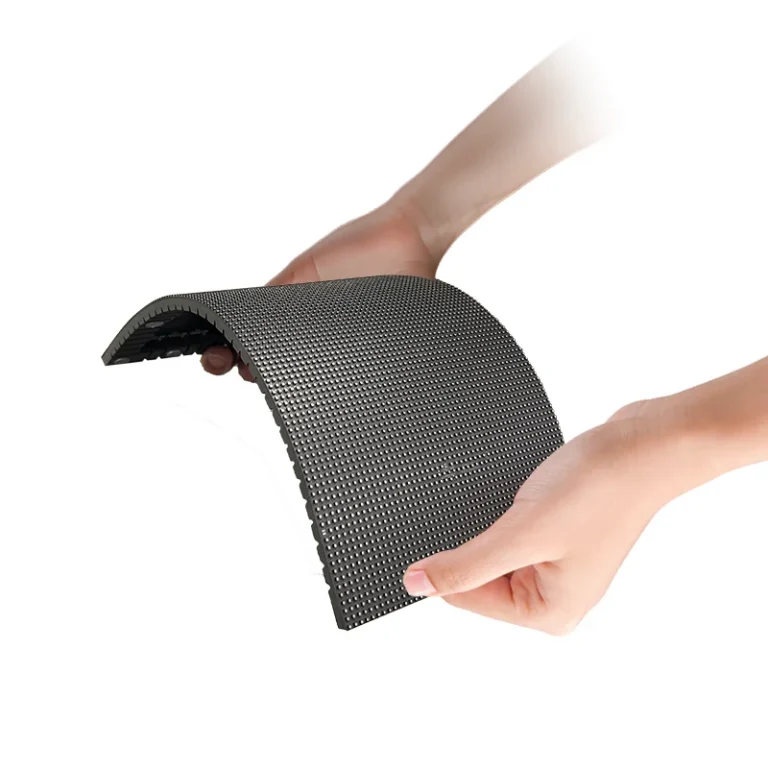
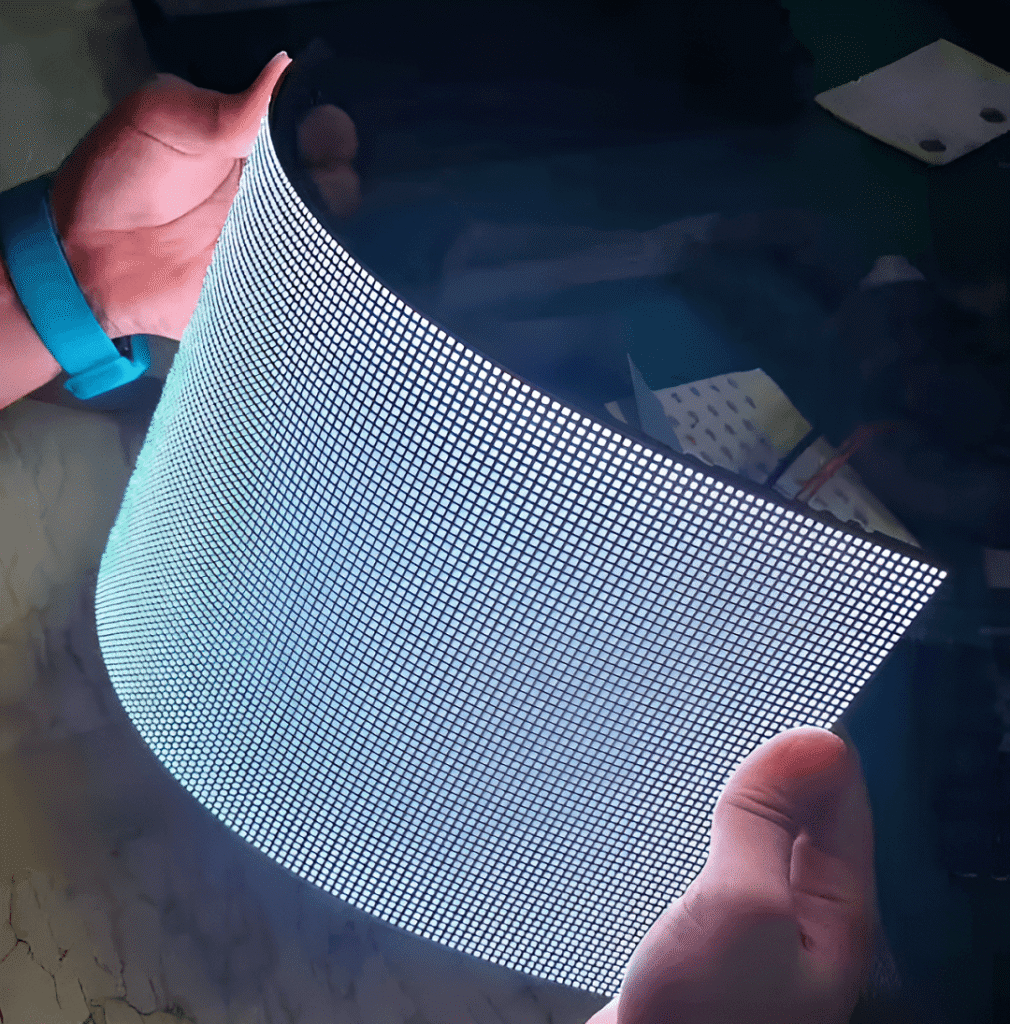
In 2026, the average cost of a flexible LED screen ranges from $800 to $4,500+ per square meter (EXW Shenzhen), depending heavily on the pixel pitch (P-value). For accurate B2B budgeting, expect to pay around $1,500 per square meter for a reliable P2.0 indoor soft display, excluding the necessary custom magnetic framing, video controllers, and shipping.
When procurement managers ask for a quick quote, there is no “flat rate” in LED manufacturing. The final price depends strictly on the Bill of Materials (BOM) soldered onto the FPC (Flexible Printed Circuit). Here is exactly how we price these displays on the factory floor.
The Direct Answer: Average Flexible LED Screen Cost per Square Meter
Rule of Thumb for 2026 Budgeting
If you are building a budget for a DOOH project or a custom stage design, the baseline math starts with the pixel pitch. The lower the P-value (the distance between LED diodes in millimeters), the higher the diode density, and the more you pay.
-
Standard P2.5: Roughly $900 to $1,600 per square meter.
-
Premium P1.5: Pushes past $2,500 per square meter.
-
Volume Impact: Tooling up SMT (Surface-Mount Technology) machines for a 50-square-meter run drops the per-unit factory price significantly compared to a small 5-square-meter bespoke order.
Module Cost vs. Turnkey System Cost
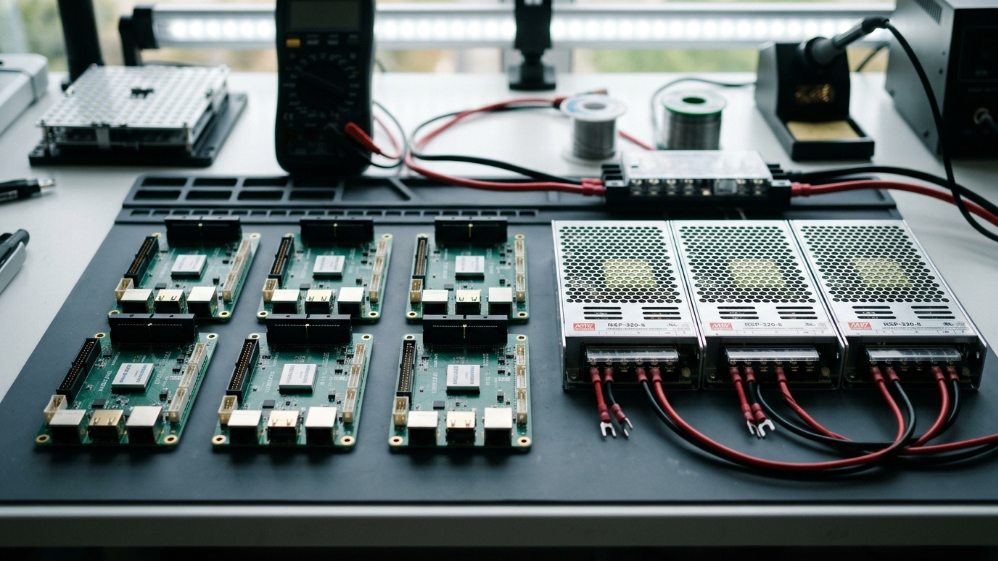
B2B buyers frequently confuse bare module pricing with turnkey system pricing. If a supplier quotes you $800/sqm, they are likely pricing the soft modules alone. A functioning curved display requires a complete hardware ecosystem:
-
Receiving Cards: High-end cards (like the Novastar A8s) are required for complex mapping.
-
Power Supplies: High-efficiency units (Meanwell or G-Energy) prevent the FPC from overheating.
-
Custom Framing: CNC-machined sheet metal structures built to your exact radius.
Pro Tip: Factoring in these components usually adds 20% to 40% to your raw module costs.
Cost Comparison by Pixel Pitch (P-Value)
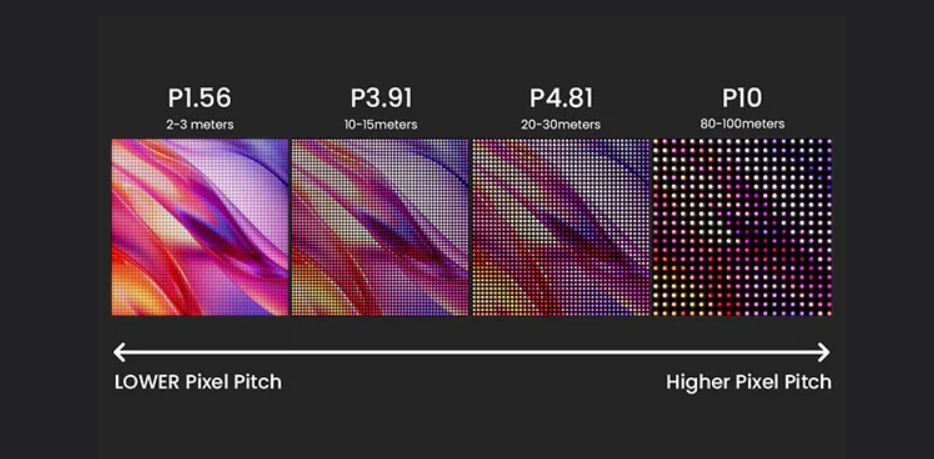
Selecting the correct pixel pitch prevents you from overpaying for density you don’t need. Below is a baseline B2B factory pricing matrix for indoor flexible soft LED modules (EXW Shenzhen).
| Pixel Pitch | Diode Density (Pixels/sqm) | Optimal Viewing Distance | Best Commercial Application | Estimated Cost (USD/sqm) |
| P1.2 – P1.5 | Up to 640,000 | 1 to 2 meters | Broadcast studios, luxury retail | $2,500 – $4,500+ |
| P1.8 – P2.0 | ~250,000 | 2 to 3 meters | Corporate lobbies, premium DOOH | $1,500 – $2,800 |
| P2.5 – P3.0 | ~111,111 | 3 to 5 meters | Trade shows, DJ booths, stages | $900 – $1,600 |
| P4.0+ | 62,500 or less | 5+ meters | Large overhead curves, stadiums | $600 – $1,000 |
Factory-Insider Insights: What Actually Drives the Price?
LED Bead Encapsulation: Copper vs. Gold Wire
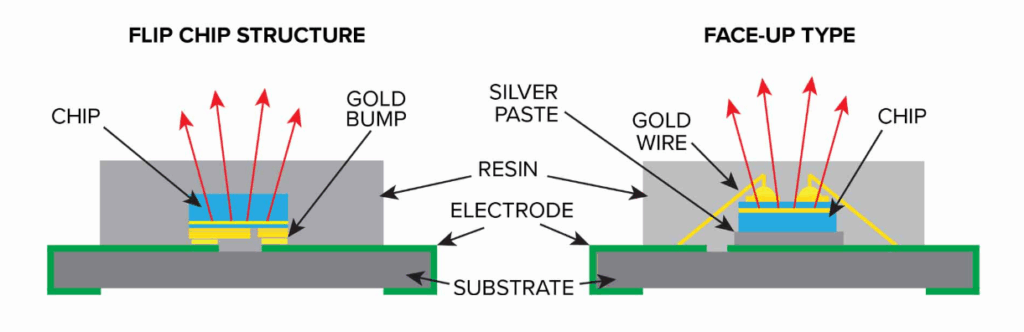
The single biggest hidden cost driver is the wire bonding inside the diode.
-
Copper Wire: Cheaper, but prone to oxidation and lower ductility.
-
Gold Wire: More ductile and handles thermal expansion better. For flexible screens that undergo physical stress, gold wire is essential to reduce “dead pixel” rates.
The Driving IC and the “Camera Test”
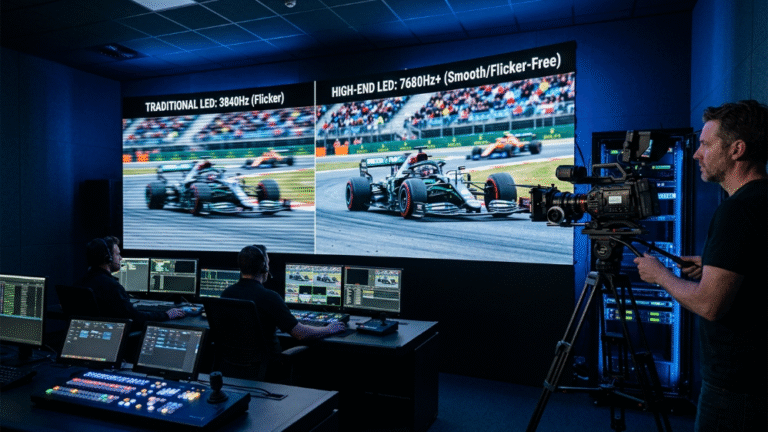
Cheap modules use basic ICs that cap the refresh rate at 1,920Hz, creating black scan lines on camera. High-end displays use Macroblock or ICN high-gray-scale ICs to achieve 3,840Hz or 7,680Hz. This adds 10–15% to the cost but is non-negotiable for broadcast environments.
PCB Layering and Thermal Management
A high-quality flexible module uses a 4-layer or 6-layer FPC with high-density copper. Thicker traces dissipate heat better. Cheap 2-layer FPCs in tight installations will overheat, causing the silicone mask to warp and colors to shift.
Real-World Applications & Cost Case Studies
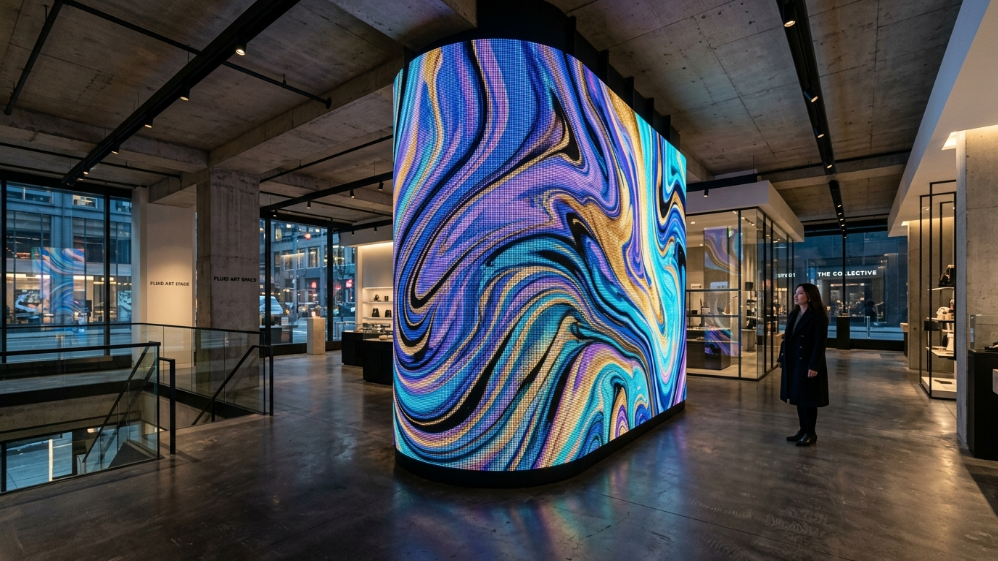
Case Study 1: High-End Retail Column (Immersive DOOH)
-
Location: Flagship Luxury Store, Dubai.
-
Specs: 12 sqm, P1.8 Fine Pitch, 3840Hz Refresh.
-
Total Project Cost: ~$32,000.
-
Breakdown: Included gold-wire LEDs for 24/7 reliability and a $4,500 custom CNC magnetic frame for a seamless 360-degree circle.
Case Study 2: Curving Stage Backdrop for Tech Keynote
-
Location: Convention Center, Las Vegas.
-
Specs: 45 sqm, P2.5, Rental-Grade Soft Modules.
-
Total Project Cost: ~$55,000.
-
Breakdown: By choosing P2.5 over P1.8, the client saved $20,000, which was reinvested into a high-end Novastar 4K processor.
B2B Buyer Q&A
Is a flexible LED screen more expensive than a flat one?
Yes. Expect to pay 20% to 35% more for specialized FPC materials, silicone masks, and magnetic mounting systems.
Can flexible LED screens be used outdoors?
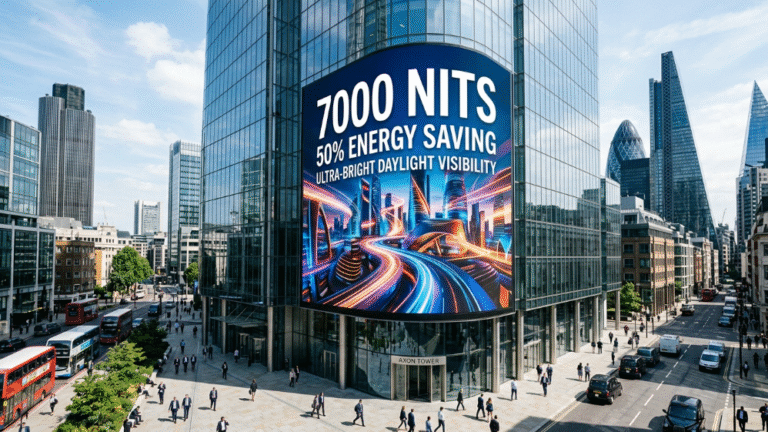
Yes, but IP65-rated outdoor flexible modules are significantly more expensive due to the vacuum-poured silicone glue required for waterproofing. Take you l’jie What is the working principle of flexible LED screen?
How do I avoid low-quality suppliers?
Request the specific BOM. If they can’t name the LED brand (e.g., Nationstar) or the IC model, they are using “white-label” components. Always ask for a 72-hour aging test video.
The Procurement Checklist: Moving Forward
Before signing a Proforma Invoice, verify these three points:
-
Minimum Bend Radius: Does the module support your curve without stress?
-
Service Access: Ensure the structure allows for front-serviceable magnetic extraction.
-
Spare Parts Batch: Always order 5% extra modules from the same production batch to ensure color matching for future repairs.
Ready to finalize your technical specifications?
Contact our engineering team today for a detailed BOM breakdown and a factory-direct quote.
References:
IES RP-7-20: Recommended Practice for Lighting Industrial Facilities
SEMI HB1-0124: Specifications for Sapphire Wafers Intended for Use in the Manufacture of LED Chips