What You’re Actually Paying For: The Cost Logic of LED Panels
If you’ve searched for LED panel prices and found wildly inconsistent numbers — $200 on one page, $15,000 on another — you’re experiencing a genuine market complexity, not bad data. “LED panel” is an umbrella term covering at least five fundamentally different technologies across two distinct market segments (consumer displays and commercial direct-view LED), and prices within each category vary by another 3–10× based on resolution, size, and specification.
Here is the framework that makes all the pricing make sense:
Two distinct markets, completely different pricing logic:
- Consumer display panels (TVs, monitors, laptops) — priced per finished device, dominated by LCD/LED, OLED, Mini-LED, and QLED technologies. A 65″ OLED TV costs $1,500–$3,500. A 65″ Mini-LED TV costs $800–$2,500.
- Commercial direct-view LED panels (signage, video walls, outdoor displays) — priced per square meter of display surface, dominated by SMD and COB LED module technology. A square meter of P2.5 indoor LED costs $700–$1,500.
These two markets share the “LED” label but are engineered entirely differently, serve different purposes, and are evaluated on different performance metrics. The sections below address each with dedicated pricing data.
Commercial LED Panel Prices by Pixel Pitch (2026)
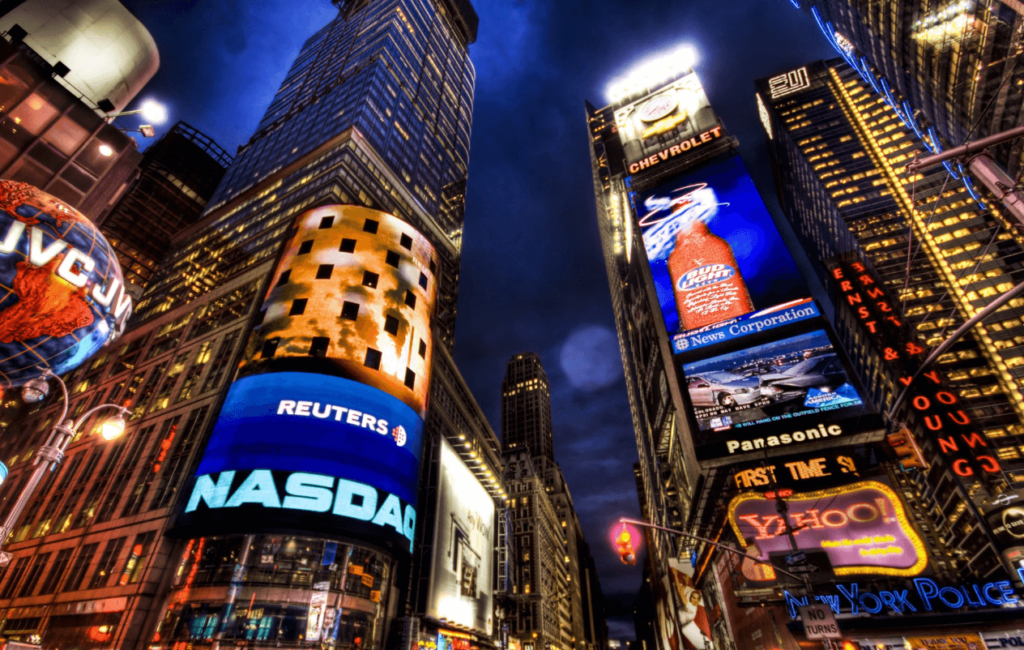
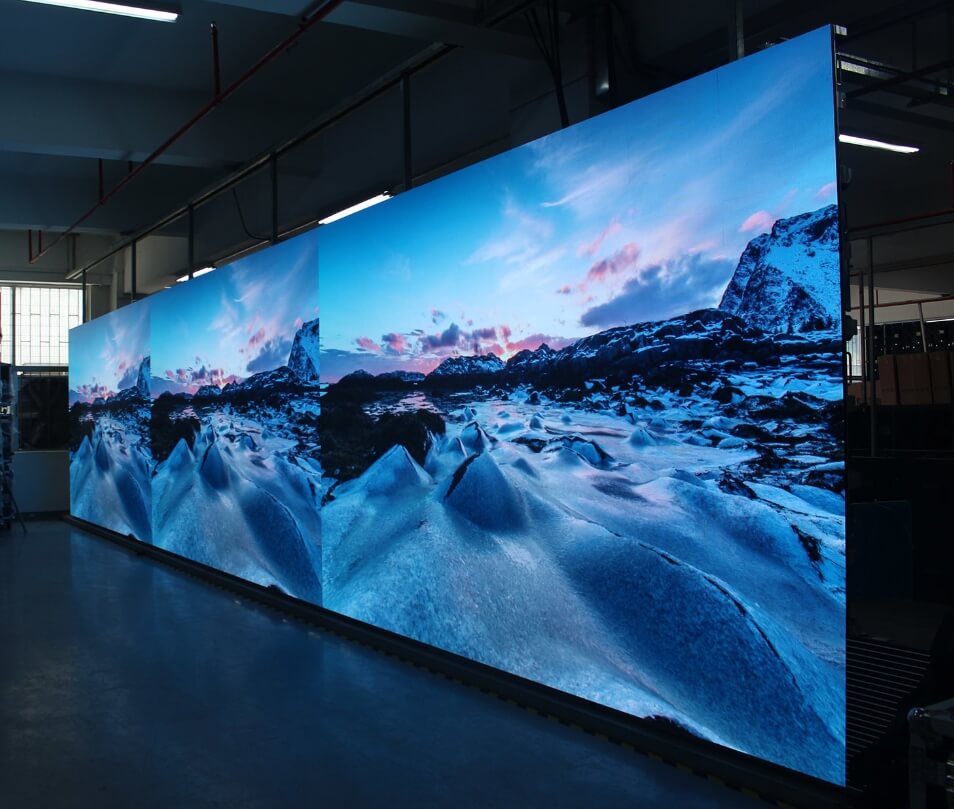
For commercial direct-view LED displays — the modular panels used in retail signage, video walls, outdoor advertising, and event rental — pixel pitch is the primary pricing variable. All prices below are per square meter of display surface, hardware only, from reputable manufacturers.
Indoor LED Panel Prices (2026)
| Pixel Pitch | Pixel Density (per m²) | Price Range (per m²) | Optimal Viewing Distance | Best Application |
|---|---|---|---|---|
| P1.2 | 694,444 | $3,500–$7,000 | <1.5m | Broadcast studio, luxury retail |
| P1.5 | 444,444 | $2,200–$4,500 | <2m | Control room, high-end showroom |
| P2 | 250,000 | $1,400–$2,800 | 2–3m | Corporate lobby, conference center |
| P2.5 | 160,000 | $700–$1,500 | 2.5–4m | Retail display, event stage |
| P3 | 111,111 | $540–$1,100 | 3–5m | Indoor advertising, shopping mall |
| P4 | 62,500 | $450–$900 | 4–8m | Exhibition hall, large venue |
Outdoor LED Panel Prices (2026)
| Pixel Pitch | Price Range (per m²) | Brightness (nits) | Optimal Viewing Distance | Best Application |
|---|---|---|---|---|
| P2.5 | $1,200–$2,400 | 6,000–8,000 | 3–6m | Premium outdoor retail, transit |
| P3 | $900–$1,800 | 6,000–8,000 | 4–8m | Street-level urban advertising |
| P4 | $650–$1,200 | 5,500–7,500 | 5–10m | Urban outdoor signage |
| P6 | $800–$1,600 | 5,000–7,000 | 8–15m | Billboard, large outdoor display |
| P8 | $500–$1,000 | 5,000–6,500 | 10–20m | Highway billboard |
| P10 | $400–$800 | 5,000–6,000 | 15–30m | Large-format highway/stadium |
Note: P6 outdoor pricing appears higher than P8/P10 in some ranges due to higher-specification module construction for mid-distance urban applications. Prices reflect 2026 market data and assume Tier-1 or Tier-2 Chinese manufacturer supply.
COB vs. SMD: The Premium That’s Worth Paying for Fine Pitch
For pixel pitches below P2, COB (Chip-on-Board) packaging has become the preferred technology over traditional SMD (Surface Mount Device). COB bonds LED chips directly to the PCB without individual lamp housings, delivering:
- Higher impact resistance (critical for high-traffic public installations)
- Better black uniformity (no visible lamp housing gaps between pixels)
- Improved contrast in ambient light environments
- Longer operational lifespan at fine pitch
COB fine-pitch panels carry a 20–40% premium over equivalent SMD panels — a premium that is consistently justified for sub-P1.5 applications where image quality under scrutiny is critical.
Consumer LED Panel Technology Costs Compared
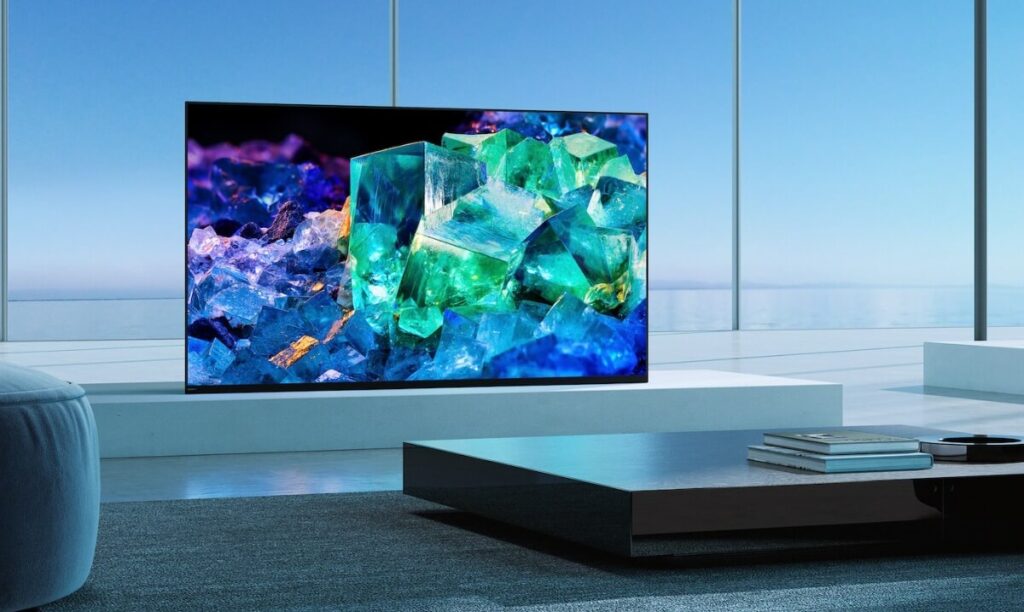
For consumer displays, pricing is per finished device. The following reference prices reflect 2026 US market pricing for 65-inch class displays — the most competitive and widely compared screen size.
65-Inch Display Price by Technology (2026)
| Technology | Price Range (65″) | Key Advantage | Primary Limitation |
|---|---|---|---|
| Standard LCD (VA/IPS) | $350–$800 | Lowest cost, no burn-in | Limited contrast, backlight bleed |
| QLED (Quantum Dot LCD) | $700–$1,800 | High brightness, vivid color | No true black (still LCD-based) |
| Mini-LED LCD | $800–$2,500 | Near-OLED contrast, high brightness | Halo effect, higher cost than LCD |
| OLED (WRGB) | $1,500–$3,500 | True black, infinite contrast | Burn-in risk, lower full-screen brightness |
| QD-OLED | $2,000–$4,500 | Best color + OLED blacks | Highest cost in consumer tier |
| MicroLED (consumer) | $10,000–$100,000+ | OLED quality + LED longevity | Not practically accessible for most buyers |
Professional/Commercial Monitor Pricing (2026)
For professional color-critical monitors (photography, video production, medical imaging):
- Professional IPS LCD (27″, 4K): $600–$2,500
- Professional OLED monitor (27″, 4K): $2,500–$5,500
- Professional QD-OLED monitor (27″, 4K): $800–$2,000 (QD-OLED has made significant consumer monitor inroads in 2026)
- Reference-grade OLED/Mini-LED (32″, 4K): $3,000–$8,000
Full Technology Comparison: OLED vs QLED vs Mini-LED vs MicroLED
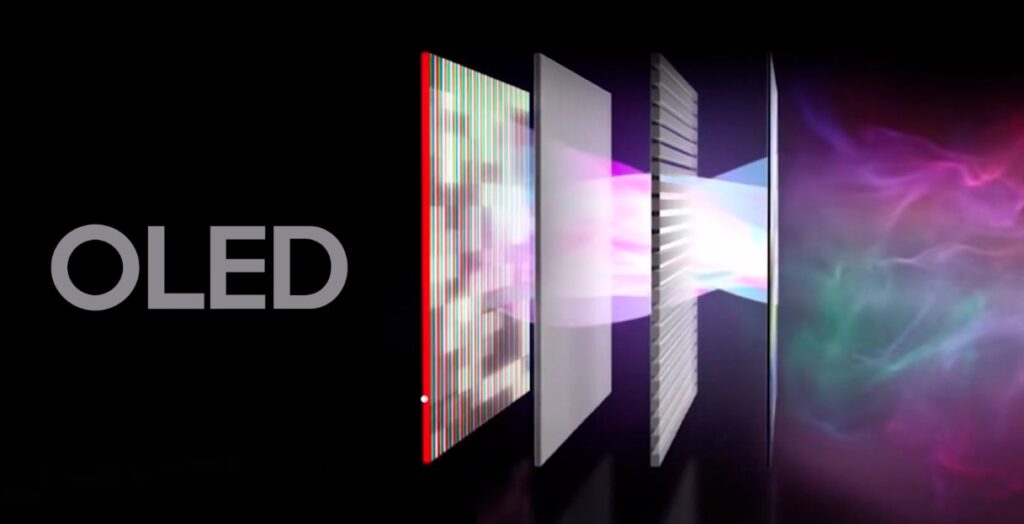
OLED (Organic Light Emitting Diode)
Each pixel generates its own light and can switch completely off, producing true black and theoretically infinite contrast ratio.
Cost driver: Complex organic material deposition manufacturing process; lower production yield than LCD; ongoing R&D amortization.
- Consumer TV (65″): $1,500–$3,500
- Professional monitor (27″): $2,500–$5,500
- Commercial application: Not recommended for static-content signage due to burn-in risk
2026 update: LG Display remains the dominant OLED panel manufacturer, supplying panels to LG, Sony, Philips, and other brands. Samsung Display’s QD-OLED line has grown to approximately 20% of the premium OLED market.
QLED (Quantum Dot LED)
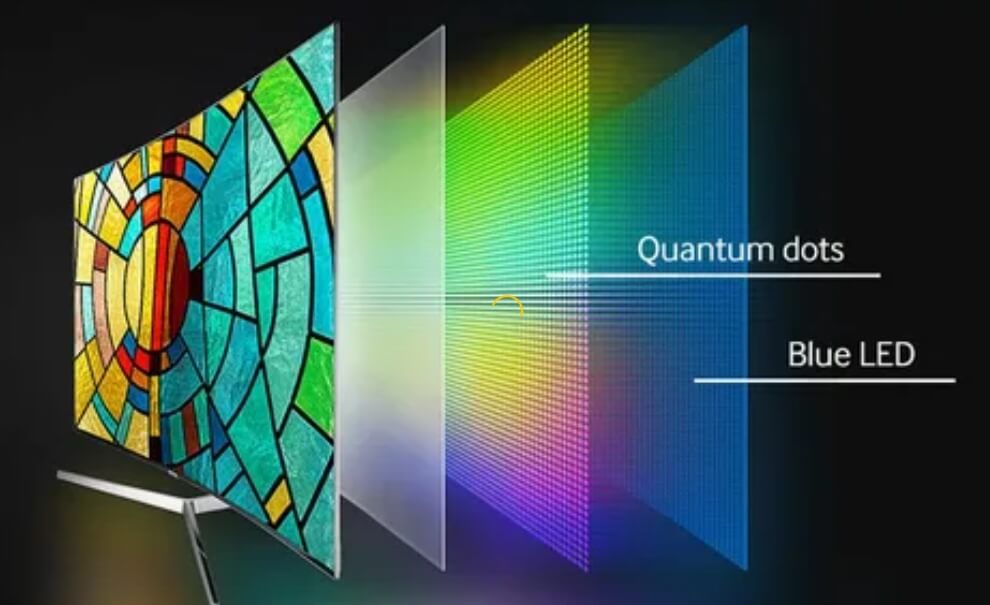
QLED is a marketing term applied to LCD displays using a quantum dot enhancement layer to improve color gamut and brightness. It remains fundamentally an LCD panel — it does not have per-pixel light control or true black capability.
Cost driver: Quantum dot film adds 15–25% to standard LCD manufacturing cost; premium positioning by Samsung adds brand margin.
- Consumer TV (65″): $700–$1,800
- Best for: Bright rooms, HDR gaming, users who prioritize peak brightness over contrast depth
Important clarification: “QLED” from Samsung and “QLED” from other manufacturers may refer to different underlying panel technologies. Samsung’s premium QLED lines now often incorporate Mini-LED backlighting, creating a hybrid technology — verify the backlight specification when comparing.
Mini-LED
Mini-LED uses thousands of small LEDs as a backlight behind an LCD layer, with local dimming zones that dramatically improve contrast over standard LCD.
Cost driver: Thousands of precision-placed miniature LEDs plus complex zone-mapping control circuitry. However, manufacturing cost has dropped approximately 30–35% since 2023 due to scale.
- Consumer TV (65″): $800–$2,500
- Professional monitor (27–32″): $800–$3,500
- Best for: HDR content, gaming with sustained bright scenes, users who want near-OLED performance without burn-in risk
2026 update: Mini-LED has become the dominant technology in the $1,000–$2,500 TV segment, displacing standard LCD at the mid-premium tier. Apple’s Pro Display XDR and iPad Pro lines use Mini-LED, driving consumer awareness of the technology.
MicroLED
MicroLED uses microscopic individual LEDs as self-emitting pixels — similar to OLED in per-pixel control, but using inorganic LEDs with LED-level brightness and longevity.
Cost driver: Manufacturing yield for transferring microscopic LED chips at scale remains the primary cost challenge. At sub-100″ sizes, yield losses make per-panel cost prohibitive for most buyers.
- Large-format commercial (100″+ modular): $10,000–$30,000/m²
- Consumer availability: Limited; Samsung The Wall and LG MicroLED available at $10,000–$100,000+ for residential configurations
- Best for: Luxury residential landmark displays, premium commercial environments where OLED burn-in risk is unacceptable and budget is unrestricted
2026 update: MicroLED manufacturing yield has improved, and meaningful sub-$10,000 consumer availability is projected for post-2027. In 2026, it remains a technology to monitor rather than a practical purchase for most buyers.
QD-OLED (Quantum Dot OLED) — The 2026 Sweet Spot
QD-OLED layers quantum dot color conversion over an OLED light source, achieving wider color gamut (99%+ DCI-P3) and higher peak brightness than traditional WRGB OLED while maintaining true black levels.
- Consumer TV (65″): $2,000–$4,500
- Monitor (27″): $800–$2,000 (price has dropped significantly since 2023)
- Best for: Color-critical professional work, premium home entertainment, HDR gaming
In 2026, QD-OLED represents the best available consumer panel technology for color fidelity and contrast combined — and the monitor segment in particular has seen dramatic price accessibility improvements.
What Drives Price Differences: 7 Key Variables
Understanding these variables allows you to make intelligent specification trade-offs rather than simply accepting or rejecting a quoted price.
Pixel Pitch (Commercial LED)
The most powerful single pricing lever for commercial displays. Halving the pixel pitch (e.g., P4 → P2) approximately quadruples the pixel count and doubles the price per square meter. Always match pixel pitch to your actual viewing distance — over-specifying pixel pitch is the most common source of unnecessary cost in commercial LED procurement.
Panel Technology (Consumer Displays)
Technology type creates the largest price tiers in consumer displays. Moving from standard LCD to OLED at equivalent size represents a 2–4× price increase. QD-OLED adds a further 20–40% over standard OLED.
LED Chip Manufacturer
Inside any LED panel module, the LED chip source significantly affects both price and longevity:
- Tier-1 chips (Nichia, Cree, Epistar, San’an, Seoul Semiconductor): Higher cost, longer rated lifespan, more consistent color over time
- Generic/unbranded chips: Lower cost, faster color degradation, less predictable brightness uniformity at end of life
Always request the LED chip specification from commercial display suppliers — a legitimate manufacturer will provide it without hesitation.
Screen Size
For consumer displays, larger sizes command exponential rather than linear price premiums — particularly at the high end of the technology tier. An 83″ OLED costs approximately 2.5–3× a 65″ OLED despite only a 63% increase in screen area.
Refresh Rate and Driving IC
For video and broadcast applications:
- Standard panels: 60Hz, 1,920Hz LED refresh rate
- Gaming/broadcast grade: 120Hz, 3,840Hz+ LED refresh rate
- The driving IC (integrated circuit) quality affects color depth, gray scale performance, and refresh rate capability — a cost variable not visible in basic spec sheets
Certification and Compliance
Panels certified for specific markets (UL for North America, CE for Europe, RoHS for both) carry compliance costs built into pricing. Budget panels sold outside certified supply chains may be cheaper but create liability exposure for commercial installations.
Brand and After-Sales Infrastructure
For commercial panels, the brand premium buys after-sales infrastructure: spare parts availability, local service networks, and warranty fulfillment capacity. For a display expected to operate for 7–10 years, after-sales infrastructure has quantifiable value — and its absence in budget products has quantifiable cost.
Total Cost of Ownership: The Numbers Most Buyers Ignore
Purchase price is the most visible cost — and often not the largest cost over the operational life of a commercial LED display.
10-Year TCO Comparison: Tier-1 vs. Budget P6 Outdoor Display (20m²)
| Cost Component | Tier-1 Manufacturer | Budget Manufacturer |
|---|---|---|
| Hardware purchase | $32,000 | $18,000 |
| Installation | $8,000 | $8,000 |
| Annual power cost (at $0.12/kWh) | $2,400/yr | $2,800/yr (less efficient) |
| Annual maintenance | $1,500/yr | $3,500/yr |
| Module replacements (10yr) | $4,000 | $12,000 |
| Early replacement risk | Low | High — budget displays avg. 4–6yr lifespan |
| 10-Year Total | ~$69,000 | ~$80,000+ |
The budget display costs more over 10 years despite being 44% cheaper to purchase. This is the consistent pattern across commercial LED procurement — and the financial case for Tier-1 hardware in permanent installations.
Power Consumption Cost by Panel Type (Annual, Per Square Meter)
| Panel Type | Typical Power Draw | Annual Cost (8hr/day, $0.12/kWh) |
|---|---|---|
| Standard LCD backlit | 120–200W/m² | $42–$70 |
| OLED (mixed content) | 80–140W/m² | $28–$49 |
| Mini-LED | 150–250W/m² | $53–$88 |
| Direct-view LED (outdoor) | 200–400W/m² | $70–$140 |
For large commercial installations, power consumption is a material operating cost that belongs in the procurement evaluation alongside purchase price.
Which LED Panel Type Is Best for Your Use Case?
For Home Entertainment (TV)
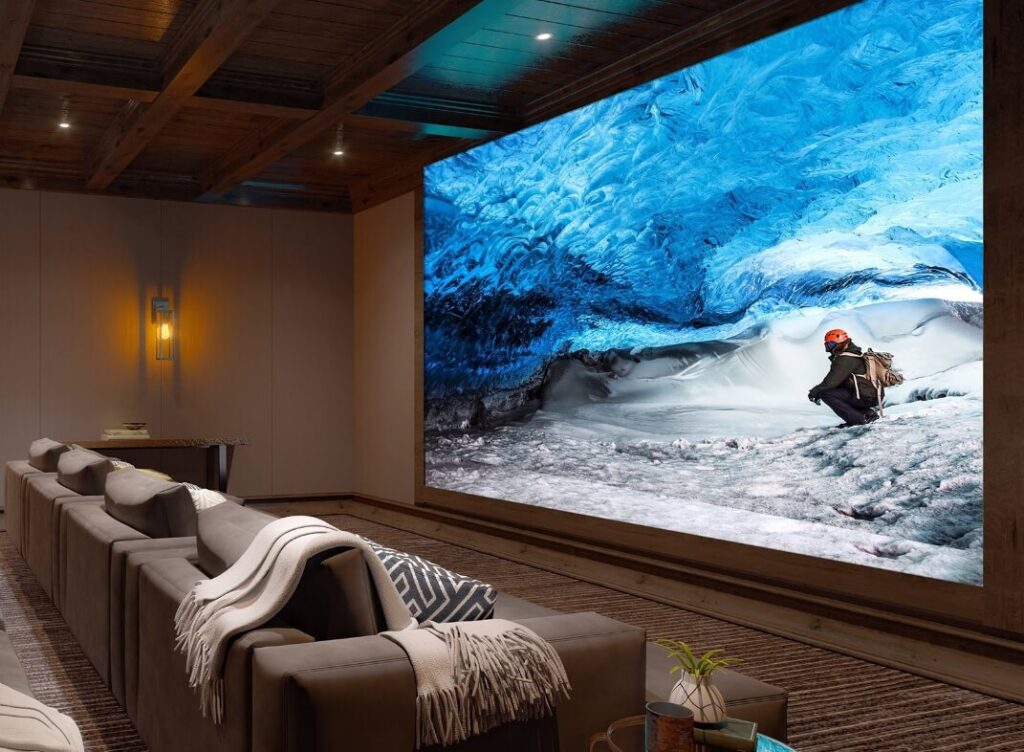
- Best value: 65″ Mini-LED ($800–$1,500) — near-OLED performance, no burn-in risk, significant price drop since 2023
- Best performance: 65″ QD-OLED ($2,000–$3,500) — best color + contrast combination available
- Budget pick: 65″ QLED/VA LCD ($500–$900) — solid performance for bright rooms
For Professional Monitors (Photography/Video)
- Best choice: 27″ QD-OLED ($800–$1,500) — exceptional color accuracy, now accessible price
- Alternative: 27″ OLED ($2,500–$4,000) — reference-grade for professional use
- Budget professional: 27″ IPS LCD with wide color gamut ($400–$900)
For Commercial Indoor Signage
- Standard retail/lobby: P3–P4 SMD LED ($450–$1,100/m²)
- Premium close-viewing: P2–P2.5 COB LED ($1,400–$2,800/m²)
- Budget/cost-sensitive: P4 SMD LED from Tier-2 manufacturer ($350–$700/m²)
For Outdoor Advertising
- Highway/long-distance: P8–P10 outdoor LED ($400–$1,000/m²)
- Urban street-level: P5–P6 outdoor LED ($650–$1,600/m²)
- Premium close-distance: P3–P4 high-brightness outdoor ($900–$1,800/m²)
For Events and Rental
- Stage/concert: P2.5–P3.9 rental-grade aluminum cabinet panels ($450–$1,200/m²)
- Conference/corporate: P2.5 fine-pitch panels (rent vs. buy analysis recommended for <30 days/year use)
2026 Price Trends: What Has Changed
Mini-LED: Biggest Price Drop of Any Technology
Mini-LED manufacturing scale has driven retail prices down approximately 30–35% from 2023 peaks. The technology has moved from premium niche to mainstream mid-tier in both TV and professional monitor segments. This is the most significant positive price development for display buyers in the current cycle.
QD-OLED Monitor Prices: Now Genuinely Accessible
QD-OLED monitors, which debuted at $1,500–$2,000 for 27″ panels in 2022, have dropped to $800–$1,200 in 2026 — putting the best available consumer monitor panel technology within reach of professional users who previously could only justify standard IPS LCD.
Commercial LED: Stability with COB Premium Growing
Commercial direct-view LED panel prices have remained broadly stable in USD terms since 2023, with minor variations tied to LED chip and PCB material costs. The notable shift is the growing premium commanded by COB fine-pitch panels over SMD — as COB becomes the expected standard for sub-P1.5 applications, SMD panels in that range are increasingly price-discounted.
MicroLED: Still Waiting for the Accessibility Inflection
Despite consistent industry forecasts of imminent consumer accessibility, MicroLED remains above $10,000 per square meter for commercial configurations and above $15,000 for residential installations in 2026. Manufacturing yield improvements are progressing but have not yet reached the threshold needed for mass-market pricing. 2027–2028 remains the credible window for meaningful price accessibility.
Impact of Supply Chain Normalization
Post-2022 supply chain disruptions have fully normalized for standard LED panel products. Lead times from major Chinese manufacturers are back to 15–25 days for stocked configurations. Component pricing for LED chips and driver ICs has stabilized, removing the surcharge that inflated prices through 2022–2023.
Frequently Asked Questions
Q: How much does an LED panel cost per square meter in 2026?
A: For commercial direct-view LED panels: indoor P2.5 costs $700–$1,500/m²; indoor P4 costs $450–$900/m²; outdoor P6 costs $800–$1,600/m²; outdoor P10 costs $400–$800/m². Prices vary by manufacturer tier, LED chip quality, and order volume.
Q: Which is the most expensive LED panel technology?
A: MicroLED is the most expensive panel technology in 2026, with large-format commercial configurations starting at $10,000–$30,000/m². Among consumer displays, QD-OLED commands the highest per-inch pricing in the accessible market, with OLED close behind. Custom fine-pitch COB direct-view LED at P1.2 and below can exceed $7,000/m² for commercial applications.
Q: Is OLED worth the price premium over Mini-LED in 2026?
A: For mixed entertainment content (films, gaming, sports), OLED’s true black and infinite contrast ratio deliver a perceptibly superior image for most users — the premium is justified if budget allows. For users who primarily watch bright HDR content, play games with sustained bright scenes, or leave static content on screen, Mini-LED’s higher sustained brightness and zero burn-in risk make it the better value. QD-OLED now offers a compelling third option combining both strengths at a moderate additional premium over standard OLED.
Q: Why do LED panel prices vary so much between suppliers?
A: The primary variables are LED chip tier (Tier-1 vs. generic), manufacturing precision tolerances, cabinet construction material (aluminum vs. iron), included calibration and testing, warranty terms, and after-sales service infrastructure. A P4 outdoor panel at $450/m² and $850/m² are not the same product — they differ in LED chip source, brightness uniformity, lifespan, and IP rating in ways that are invisible in the spec sheet headline but significant over a 7–10 year installation lifecycle.
Q: What is the cheapest LED panel option for a small business?
A: For small business indoor signage, a P4 indoor LED panel from a Tier-2 manufacturer represents the most accessible entry point at $350–$700/m². For a 2m × 1m display, total hardware cost would be approximately $700–$1,400, plus installation. A P3 panel in the same size would run $1,080–$2,200 for hardware. Ensure warranty terms are confirmed in writing before purchase.
Q: How do I calculate the total cost of an LED display, not just the panel price?
A: Total installed cost typically runs 1.4–2× the hardware-only price. Add: mounting structure (15–25% of hardware cost), installation labor (10–20%), cabling and control system (15–25%), and content management software if required (varies). For outdoor displays, also budget for electrical work, IP65-rated weatherproofing verification, and ongoing maintenance at approximately 5–8% of hardware cost per year.