What Buyers Actually Need to Know About Billboard Pricing in 2026
The question most buyers are really asking is not “what factors affect prices” in the abstract — it is “why did I get three quotes with a 40% price spread for what looks like the same product, and which one should I trust?”
The answer is that outdoor digital billboard pricing in 2026 is genuinely complex, and the spread between the cheapest and most expensive quote for equivalent specifications reflects real differences in component quality, supply chain exposure, warranty coverage, and total cost of ownership — not just margin. A 600/m2panelanda1,400/m² panel at the same pixel pitch can have a 3× difference in 5-year maintenance cost. This guide maps the ten factors that create that spread, so you can evaluate quotes with the full picture rather than just the line-item hardware price.
The 2026 Pricing Landscape: Where Outdoor LED Stands Now
Before examining individual factors, here is the current market baseline:
| Billboard Type | Pixel Pitch | Hardware Cost (per m²) | Fully Installed (per m²) | 5-Year TCO (per m²) |
|---|---|---|---|---|
| Small outdoor (retail/transit) | P3.9–P4 | 600–1,200 | 1,400–2,800 | 3,500–6,000 |
| Medium outdoor (roadside) | P5–P6 | 400–900 | 1,000–2,200 | 2,800–5,000 |
| Large outdoor (highway/stadium) | P8–P10 | 250–600 | 700–1,600 | 2,000–4,000 |
| Smart/connected billboard | P4–P6 | 800–1,600 | 1,800–3,500 | 4,000–7,500 |
| Transparent facade LED | P3.9–P7.8 | 1,200–3,000 | 2,500–5,500 | 5,500–10,000 |
These figures reflect 2026 market pricing after the hardware cost reductions of 2023–2025. The gap between hardware and fully installed cost has widened as hardware prices fell while labor, permitting, and infrastructure costs remained stable or increased.
Factor 1: Technology Maturation and Component Cost Reduction
The most sustained downward pressure on outdoor LED prices over the past three years has come from manufacturing technology maturation, not demand shifts.
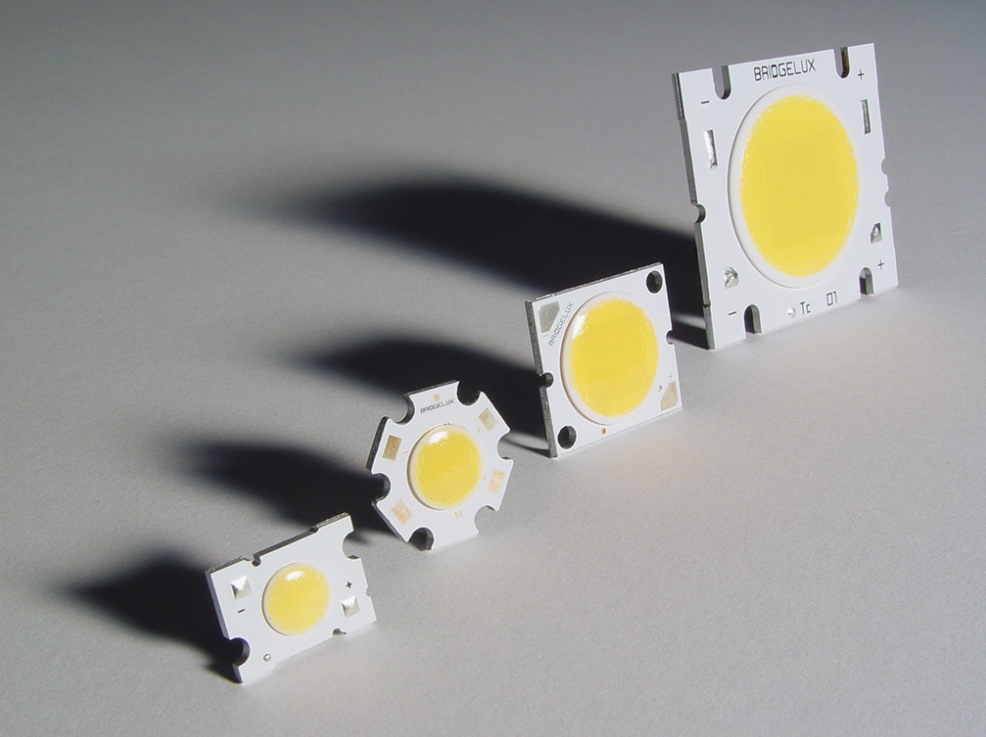
COB and GOB encapsulation have become the production standard for outdoor panels in 2026. COB’s direct chip bonding eliminates individual bead housings, reducing per-unit component count and improving yield rates. GOB’s optical resin encapsulation adds IP protection without additional housing cost. Both technologies have driven 15–25% cost reductions in the P3.9–P6 outdoor range since 2023.
Domestic Chinese chip production has reduced the LED industry’s dependency on imported semiconductor components. Nationstar, Kinglight, and San’an Optoelectronics now supply the majority of outdoor LED chips used in Chinese manufacturing, reducing exposure to international chip supply disruptions that drove price spikes in 2021–2022.
Intelligent control systems with cloud connectivity, 4G/5G modems, and remote diagnostics are now standard features rather than premium add-ons, with the cost of these systems declining as volumes scale.
The net effect: outdoor LED hardware prices have declined approximately 18–22% in real terms since 2023, and the trend continues at an estimated 8–12% annual rate through 2028.

Factor 2: Raw Material Price Fluctuations
Raw materials account for 45–60% of outdoor LED panel manufacturing cost. Three categories drive the most volatility:
LED Chips and Semiconductors
The global semiconductor market has stabilized significantly since the 2021–2022 shortage, but remains sensitive to geopolitical disruptions. In 2026, the primary risk is US export controls on advanced semiconductor manufacturing equipment to China, which could affect next-generation chip production timelines. For current-generation outdoor LED chips (not advanced logic semiconductors), supply is adequate and prices are stable.
Aluminum and Steel
Outdoor LED cabinet structures are predominantly aluminum (die-cast for premium products, extruded for standard). Aluminum prices are tied to energy costs — aluminum smelting is energy-intensive, and energy price volatility in Europe and Asia directly affects aluminum pricing. A 10% increase in aluminum prices translates to approximately 3–5% increase in finished panel cost.
Rare Earth Elements
LED phosphors use rare earth elements (europium, terbium, cerium) for color conversion. China controls approximately 85% of global rare earth production. Export quota adjustments by Chinese authorities have historically caused price spikes; this remains a structural risk for non-Chinese manufacturers.
| Raw Material | Share of Panel Cost | 2026 Price Trend | Risk Level |
|---|---|---|---|
| LED chips | 30–40% | Stable to declining | Low–Moderate |
| PCB and substrate | 8–12% | Stable | Low |
| Aluminum cabinet | 10–15% | Moderate volatility | Moderate |
| Rare earth phosphors | 3–6% | Stable (China-controlled) | Moderate |
| Power supply components | 8–12% | Stable | Low |
| Optical resin (GOB) | 2–4% | Stable | Low |

Factor 3: Trade Policy and Tariff Environment
Trade policy is the most significant external pricing variable for buyers outside China in 2026.
United States: Section 301 Tariffs
US tariffs on Chinese LED display products remain at 25% under Section 301, with additional tariffs on certain categories reaching 145% following 2025 escalations. For US buyers sourcing directly from Chinese manufacturers, this adds substantial landed cost. Practical responses in 2026:
- Some Chinese manufacturers have established assembly operations in Vietnam, Mexico, or other third countries to reduce tariff exposure
- US buyers are increasingly sourcing from Korean (Samsung, LG) or domestic assemblers at higher hardware cost but lower tariff burden
- The tariff situation remains subject to change; buyers should model multiple scenarios when planning multi-year billboard investments
European Union: Carbon Border Adjustment and RoHS
The EU’s Carbon Border Adjustment Mechanism (CBAM) is expanding scope through 2026–2027, with potential implications for energy-intensive manufactured goods including LED displays. EU RoHS III compliance requirements for hazardous substance restrictions add compliance cost for manufacturers serving European markets.
Southeast Asia and Middle East: Minimal Tariff Barriers
Malaysia, UAE, Saudi Arabia, and most Southeast Asian markets maintain low or zero tariffs on LED display imports from China, making these regions the most cost-competitive for Chinese-manufactured outdoor LED products.

Factor 4: Environmental Regulations and Energy Efficiency Standards
Environmental compliance is an increasingly significant cost driver, particularly for manufacturers serving European and North American markets.
EU Ecodesign Regulation sets minimum energy efficiency requirements for electronic displays, with outdoor LED screens subject to brightness limits and standby power requirements. Non-compliant products cannot be sold in EU markets; compliance engineering adds 5–10% to manufacturing cost.
US Energy Star and California Title 20 set efficiency standards for commercial displays. California’s regulations are the most stringent in North America and effectively set the standard for the US market.
Carbon footprint reporting is becoming a procurement requirement for large corporate and government buyers. Suppliers who cannot provide product carbon footprint documentation are increasingly excluded from enterprise and public sector tenders.
The practical impact: manufacturers investing in compliance engineering and certification carry higher costs than non-compliant competitors, but access larger and more stable buyer segments. For buyers, specifying certified products reduces regulatory risk in markets where enforcement is active.

Factor 5: Labor Costs and Manufacturing Automation
China’s manufacturing labor costs have increased approximately 6–8% annually over the past five years, compressing margins for labor-intensive LED assembly operations. The industry response has been accelerated automation:
- Automated SMT (Surface Mount Technology) lines now handle LED chip placement at speeds and precision levels that manual assembly cannot match
- Automated optical inspection (AOI) systems have replaced manual quality control for most production stages
- Robotic cabinet assembly reduces labor content in structural manufacturing
The net effect on pricing is nuanced: automation reduces per-unit labor cost but requires capital investment that must be amortized. Manufacturers with modern automated facilities can offer lower prices at scale; smaller manufacturers with older equipment face margin pressure.
For buyers, this means that the lowest-price quotes often come from manufacturers with older, less automated facilities — which correlates with higher defect rates and less consistent quality. Price per square meter is not a reliable quality proxy without factory audit data.

Factor 6: 5G Connectivity and Smart Billboard Infrastructure
5G-enabled outdoor billboards represent the fastest-growing premium segment of the outdoor LED market in 2026. The technology enables:
- Real-time content updates — sub-second content switching based on audience data, weather, or event triggers
- Programmatic advertising integration — direct connection to DSP (Demand-Side Platform) networks for automated ad buying and delivery
- Audience measurement — integrated cameras and AI analytics for impression counting and demographic profiling
- Remote diagnostics — real-time panel health monitoring, predictive maintenance alerts, and remote brightness adjustment
Smart Billboard vs. Standard Billboard: Cost Comparison
| Feature | Standard Outdoor LED | 5G Smart Billboard |
|---|---|---|
| Hardware cost premium | Baseline | +25–40% |
| Monthly connectivity cost | $0 | 50–200/screen |
| Content management | Manual upload | Automated/programmatic |
| Advertising rate premium | Baseline | 2–4× standard rates |
| Maintenance efficiency | Reactive | Predictive |
| Data analytics | None | Audience measurement included |
| Payback period | 3–5 years | 2–4 years (higher revenue) |
For media owners operating advertising networks, the revenue premium from programmatic-enabled smart billboards typically justifies the hardware and connectivity cost premium within 2–3 years.
Factor 7: Consumer Demand and Advertising Market Dynamics
The global out-of-home (OOH) advertising market reached 42billionin2025andisprojectedtogrowto48 billion by 2027, with digital OOH (DOOH) accounting for an increasing share. Key demand drivers in 2026:
- Retail media networks — major retailers are installing LED networks in stores and on building exteriors as owned media assets, driving significant new demand for mid-size outdoor LED
- Sports venue modernization — stadium LED upgrades remain a high-volume category globally, with LED perimeter advertising and scoreboard replacement driving consistent demand
- Smart city infrastructure — government-funded smart city programs in Asia, the Middle East, and Europe specify outdoor LED for public information and advertising networks
- Brand experience installations — luxury brands, automotive manufacturers, and consumer electronics companies continue to invest in landmark LED installations as brand media
Demand growth supports stable or rising prices in premium segments while commodity outdoor LED (standard roadside billboards) faces price pressure from oversupply in the Chinese manufacturing base.

Factor 8: Installation and Maintenance Costs
As hardware prices have declined, installation and maintenance now represent a larger share of total billboard ownership cost — and this is the dimension most frequently underestimated in initial budget planning.
Installation Cost Drivers
| Installation Factor | Cost Impact | Notes |
|---|---|---|
| Screen size and weight | High | Larger screens require heavier structures and more complex rigging |
| Mounting height | Moderate–High | Above 6m requires specialized equipment; above 15m adds significant cost |
| Structural engineering | Moderate | Wind load calculations, foundation design for ground-mount |
| Electrical infrastructure | Moderate | 3-phase power, surge protection, earthing |
| Permitting and compliance | Variable | Highly location-dependent; urban centers most complex |
| Cable routing complexity | Low–Moderate | Conduit installation, weatherproofing |
Maintenance Cost Reduction Technologies
Remote monitoring systems (Nova Star NovaCMS, Colorlight iSet) enable predictive maintenance by tracking panel temperature, power supply health, and pixel failure rates in real time. Early fault detection reduces emergency repair costs by 40–60% compared to reactive maintenance models. In 2026, remote monitoring is standard on any professionally installed outdoor LED system.
Front-serviceable cabinet design — where modules can be replaced from the front face without rear access — reduces maintenance labor cost by 50–70% for wall-mounted installations where rear access requires scaffolding.
Factor 9: Global Economic Conditions and Advertising Budgets
Macroeconomic conditions affect outdoor LED demand through two channels: corporate advertising budget allocation and government infrastructure spending.
Corporate advertising: In periods of economic growth, brands increase OOH advertising spend, driving demand for new billboard installations and upgrades. In downturns, advertising budgets contract — but OOH typically holds share better than digital advertising because of its physical permanence and inability to be ad-blocked.
Government infrastructure: Smart city programs, transportation hub upgrades, and public information networks are government-funded and less sensitive to short-term economic cycles. This segment provides demand stability that partially offsets corporate advertising volatility.
Currency effects: For buyers in markets with currencies that have weakened against the Chinese yuan (CNY), the effective cost of Chinese-manufactured LED products has increased even where USD-denominated prices appear stable. Buyers in affected markets should factor currency hedging into multi-year procurement planning.
Factor 10: Policy Support, Advertising Regulation, and Permitting
Government policy affects outdoor LED pricing through both demand stimulation and compliance cost imposition.
Smart city programs in China, Singapore, UAE, Saudi Arabia, and South Korea actively fund outdoor LED infrastructure, creating demand that supports premium pricing for connected, smart-capable systems.
Advertising content regulations vary significantly by jurisdiction. Some cities restrict LED billboard brightness (maximum nits at night), operating hours, animation speed, and content categories. Compliance with local regulations may require brightness dimming systems, scheduling software, and content review processes — all of which add operational cost.
Planning and permitting for new outdoor LED installations has become more complex in most major cities. Environmental impact assessments, light pollution studies, and heritage impact reviews add 3–9 months to project timelines and 5,000–50,000 in compliance costs depending on location and screen size.
| Regulatory Factor | Markets Most Affected | Cost Impact | Trend |
|---|---|---|---|
| Energy efficiency standards | EU, US (California) | +5–12% manufacturing cost | Tightening |
| Brightness/light pollution limits | EU, UK, Australia | Operational compliance cost | Expanding |
| Advertising content restrictions | China, Singapore, UAE | Content management cost | Stable |
| Planning/permitting complexity | Major global cities | +5,000–50,000 per installation | Increasing |
| Tariffs on imported LED products | US (25–145%), India (15–20%) | +15–145% landed cost | Volatile |
| Carbon reporting requirements | EU, UK, large corporates | Compliance documentation cost | Expanding |
Practical Implications: How to Use These Factors When Buying
If you are buying now in North America: Factor US tariffs into your total cost comparison between Chinese-manufactured and Korean/domestic alternatives. The hardware price gap has narrowed significantly when tariffs are included.
If you are buying in Europe: Confirm EU Ecodesign compliance and request product carbon footprint documentation. Non-compliant products carry regulatory risk that outweighs any hardware cost saving.
If you are buying in Southeast Asia or the Middle East: You are in the most cost-competitive procurement environment for Chinese-manufactured outdoor LED. Focus evaluation on component quality (chip brand, IP certification documentation) and local service capability rather than price.
For all markets: Get itemized quotes that separate hardware, installation, control system, permitting, and maintenance. The 35–45% of total cost that sits outside hardware is where the real differences between suppliers emerge.
Conclusion
Outdoor digital billboard pricing in 2026 is the product of ten intersecting forces — and the buyers who understand all ten are the ones who make procurement decisions they don’t regret two years later. Hardware costs are declining and will continue to decline. Installation, compliance, and connectivity costs are stable or rising. Trade policy remains the most volatile external variable, particularly for North American buyers.
The most important shift in 2026 is the growing gap between commodity outdoor LED (declining prices, commoditized specifications) and smart connected billboard infrastructure (premium pricing, higher revenue potential, better long-term ROI). Buyers who specify for today’s lowest hardware price may find themselves with a non-upgradeable asset in a market that is moving toward programmatic, data-enabled outdoor media.
SoStron manufactures outdoor LED panels across P3.9–P10, with GOB encapsulation, IP65/IP67 ratings, cloud CMS integration, and 5G-ready control system compatibility. Our team supports buyers in navigating specification, compliance, and procurement decisions across global markets.