Nigeria LED Display Market: 2026 Snapshot
If you’re budgeting for an LED display in Nigeria and wondering why the prices you find online don’t match what local suppliers are quoting — you’re not imagining the gap. The Nigerian LED display market has experienced substantial price restructuring since 2023, driven by naira volatility, import duty adjustments, and global LED component cost shifts.
The core reality for 2026: you can source a quality outdoor LED display in Nigeria, but the total cost of ownership is meaningfully higher than the hardware price tag suggests. Power infrastructure, installation, and after-sales service in the local context add layers that buyers accustomed to turnkey international pricing rarely anticipate.
Market Structure at a Glance
Nigeria’s digital advertising market is one of the most dynamic on the continent. LED displays are now standard infrastructure in:
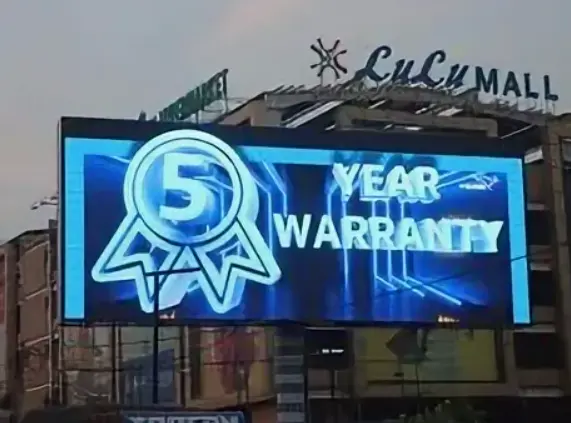
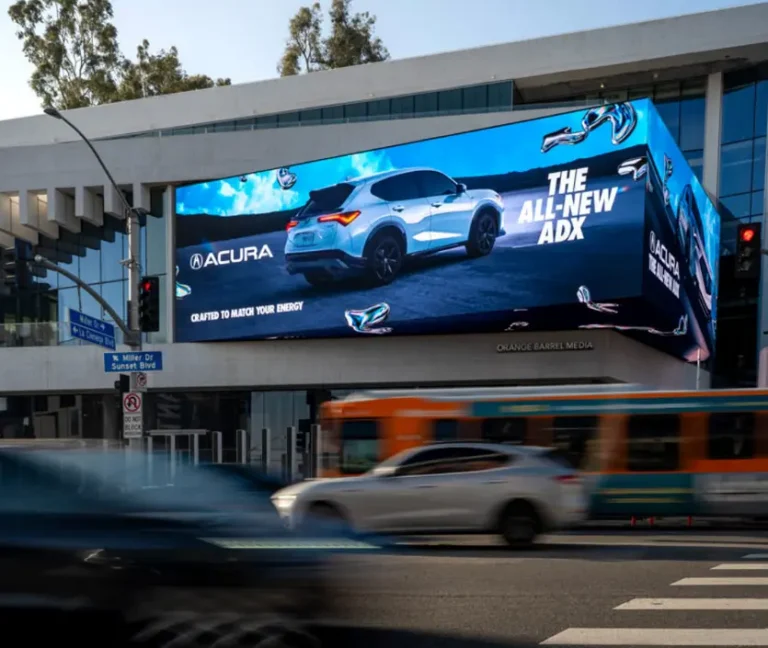
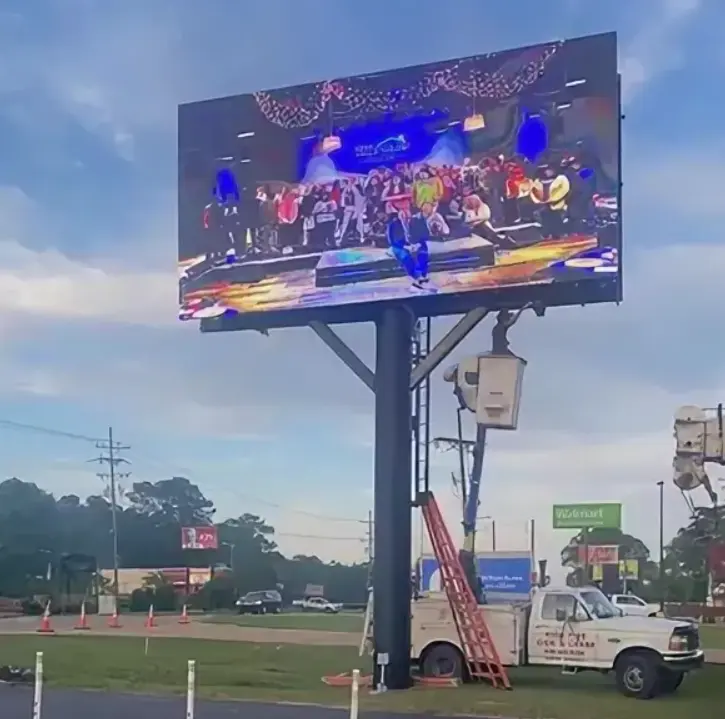
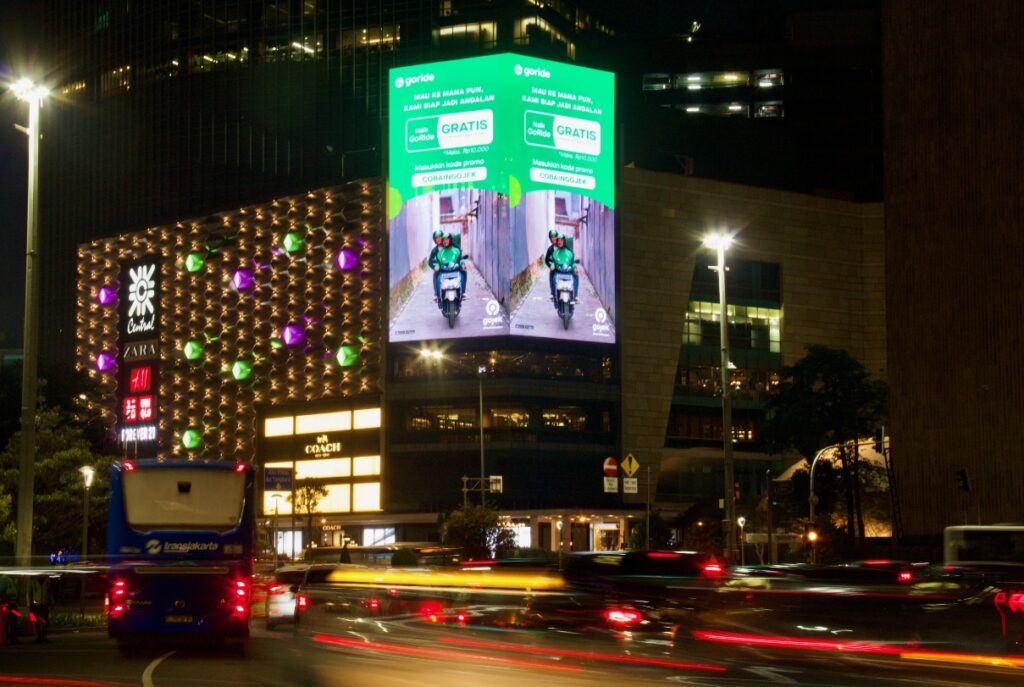
- Outdoor advertising: Highway billboards, urban junction screens in Lagos, Abuja, and Port Harcourt
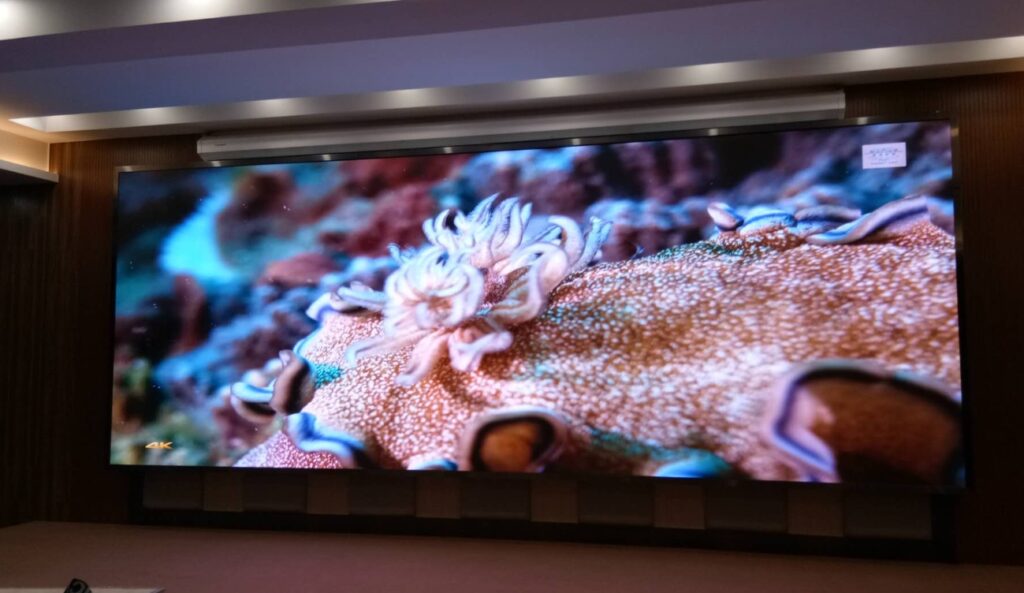
- Retail environments: Shopping malls, supermarkets, bank branch interiors
- Hospitality and events: Hotels, conference centers, event rental companies
- Public sector: Government information screens, transportation hubs, sports stadiums
- Religious and cultural venues: Large-congregation churches and event arenas are a significant and growing segment unique to the Nigerian market
Market participants include direct subsidiaries or authorized distributors of major Chinese manufacturers (Absen Nigeria, Unilumin-affiliated distributors), regional African intermediaries, and local assembly operations that import PCB modules and finish assembly in-country.
Nigeria LED Display Price Breakdown (2026)
The following prices reflect 2026 market conditions, incorporating current USD/NGN exchange rate impacts on imported hardware. All NGN figures assume payment in local currency; USD-denominated pricing from international suppliers will vary with exchange rate at time of purchase.
Outdoor LED Display Prices (2026)
| Specification | Pixel Pitch | Brightness | Price Range (₦/m²) | Price Range (USD/m²) |
|---|---|---|---|---|
| Standard Outdoor Billboard | P6–P8 | 5,000–6,500 nits | ₦280,000–₦420,000 | $180–$270 |
| Mid-Grade Outdoor | P4–P5 | 6,000–7,500 nits | ₦420,000–₦650,000 | $270–$420 |
| Premium Outdoor | P2.5–P3 | 7,000–10,000 nits | ₦700,000–₦1,100,000 | $450–$710 |
Example: Standard 3×2m Outdoor Billboard (P6, 5,500 nits)
- Hardware only: ₦1,680,000–₦2,520,000
- With installation, steel structure, and cabling: ₦2,400,000–₦3,800,000
Indoor LED Display Prices (2026)
| Specification | Pixel Pitch | Brightness | Price Range (₦/m²) | Price Range (USD/m²) |
|---|---|---|---|---|
| Standard Indoor | P3–P4 | 800–1,200 nits | ₦180,000–₦320,000 | $115–$205 |
| Mid-Grade Indoor | P2–P2.5 | 1,000–1,500 nits | ₦380,000–₦580,000 | $245–$375 |
| Fine Pitch Indoor | P1.2–P1.5 | 600–1,000 nits | ₦750,000–₦1,400,000 | $480–$900 |
Example: Conference Room / Retail Indoor Screen (P2.5, 4×2.25m)
- Hardware only: ₦3,420,000–₦5,220,000
- With installation and control system: ₦4,500,000–₦7,000,000
Rental LED Display (Event/Stage)
Rental-grade panels (typically P2.5–P3.9, lightweight aluminum cabinet) are increasingly available from Nigerian event companies at:
- Daily rental rate: ₦45,000–₦95,000 per m² per day
- Weekly rental: ₦180,000–₦350,000 per m² per week
Note: All prices are indicative ranges. Final pricing depends on supplier, order volume, payment currency, and current import duty rates. Request formal quotations from at least three suppliers before committing.
What Drives Price Differences: Key Variables Explained
Understanding why two “P4 outdoor screens” can be priced 40% apart is essential for avoiding both overpayment and quality traps.
Pixel Pitch: The Primary Cost Driver
Pixel pitch — the distance in millimeters between LED pixel centers — directly determines image resolution and manufacturing cost. Smaller pitch = higher resolution = higher cost per square meter. For Nigerian buyers:
- P6–P8: Best for highway billboards and large-format advertising viewed from 8m+
- P4–P5: Suited for urban street-level displays viewed from 4–8m
- P2.5–P3: For close-viewing indoor retail, conference, and reception applications
- P1.5 and below: Broadcast studios, premium hospitality, control rooms — significant cost premium
LED Chip Source: Tier-1 vs. Tier-2
The LED chips inside the module matter more than the brand name on the cabinet:
- Tier-1 chips (Nichia, Cree, Epistar, San’an): More consistent color calibration, longer rated lifespan (50,000–100,000 hours), predictable degradation curve
- Tier-2/generic chips: Lower upfront cost, but faster color shift and brightness decay — a P6 outdoor screen with generic chips may show visible color unevenness within 2–3 years
Always ask suppliers to specify the LED chip manufacturer — a legitimate supplier will answer immediately.
Cabinet Construction: Aluminum vs. Iron
- Aluminum die-cast cabinets: Lighter, better heat dissipation, corrosion-resistant — correct choice for Nigerian coastal and high-humidity environments
- Iron cabinets: Lower cost, heavier, rust-prone in high-humidity environments like Lagos and Port Harcourt — a false economy for permanent outdoor installations
Refresh Rate and Driving IC
For video content and broadcast applications, refresh rate matters:
- ≥1,920Hz: Minimum for general video
- ≥3,840Hz: Required for camera-facing displays (events, studios)
- Lower refresh rate panels appear to “flicker” when captured on camera — a growing concern as event documentation and social media content become standard expectations
Hidden Costs Most Buyers Miss
This section addresses the most commonly underestimated budget items in Nigerian LED display projects — information rarely covered in standard supplier quotations.
Power Infrastructure: Nigeria’s Unique Challenge
Nigeria’s grid reliability means that any serious LED display installation requires backup power planning:
- Generator sizing: A 6m² outdoor P6 display running at 50% brightness draws approximately 1.2–1.8kW. For a 12-hour daily operation cycle, this is 14–22kWh/day — factor generator fuel costs accordingly.
- Voltage stabilization: Voltage fluctuations damage LED drivers and power supplies. An automatic voltage regulator (AVR) or UPS system for the display power supply is a near-mandatory addition, adding ₦80,000–₦350,000 depending on display size.
- Dedicated electrical circuit: A properly rated dedicated circuit with appropriate breakers for the display load is non-negotiable for safety and insurance purposes.
Import Duties and Port Clearance
LED display hardware imported directly from China is subject to Nigerian import duties, VAT, and port clearing agent fees. These typically add 15–25% to the FOB/CIF price of the equipment. Some local distributors absorb this into their quoted price; others quote ex-works China prices and leave clearance to the buyer. Clarify this explicitly before comparing quotations.
Steel Structure and Installation
For outdoor displays, the supporting steel structure is a significant cost:
- Simple wall-mount bracket: ₦150,000–₦400,000
- Standalone pole structure (billboard-type): ₦800,000–₦2,500,000+ depending on height and wind load engineering requirements
- Installation labor and cabling: ₦200,000–₦600,000 for standard configurations
Ongoing Maintenance
Budget for:
- Annual preventive maintenance visit: ₦80,000–₦200,000
- Replacement module (P6 outdoor): ₦35,000–₦80,000 per module
- Spare power supplies: Source and hold 2–3 spares for outdoor installations — availability from local suppliers is inconsistent
Nigeria LED Display Selection Guide
Step 1 — Define Application and Viewing Distance
| Application | Recommended Pitch | Minimum Brightness |
|---|---|---|
| Highway billboard (>10m viewing) | P8–P10 | 6,000 nits |
| Urban outdoor advertising (5–10m) | P5–P6 | 5,500 nits |
| Street-level outdoor (3–5m) | P3–P4 | 5,000 nits |
| Indoor retail/lobby (<4m) | P2.5–P3 | 800–1,200 nits |
| Conference/boardroom | P2–P2.5 | 600–1,000 nits |
| Church/event stage | P3.9–P4.8 (rental grade) | 1,000–1,500 nits |
Step 2 — Confirm IP Rating for Nigerian Climate
Nigeria’s climate — particularly in coastal cities like Lagos — demands appropriate weatherproofing:
- Outdoor displays: IP65 front / IP54 rear minimum
- Semi-outdoor displays (under canopy): IP54 front / IP43 rear
- Indoor displays: IP30 minimum
Humidity resistance and anti-corrosion coating on PCBs are particularly important for Lagos and Port Harcourt installations. Ask for conformal coating specification on outdoor modules.
Step 3 — Verify After-Sales Service Capacity
For Nigerian buyers, this is where many international supplier relationships break down. Before committing:
- Confirm whether the supplier has a local Nigeria representative or regional Africa support office
- Request the spare parts lead time — modules shipped from China take 15–30 days; without local stock, your display may be down for a month waiting for a replacement
- Ask for Nigeria-based reference customers and contact them directly
- Clarify warranty terms: Does warranty cover component shipping costs? Labor costs for replacement? Is it return-to-factory or on-site service?
Step 4 — Evaluate Total Cost of Ownership, Not Just Purchase Price
A ₦500,000 lower purchase price that results in ₦200,000/year higher maintenance cost breaks even in under 3 years. For a display expected to operate for 7–10 years, total cost of ownership discipline is essential.
Recommended Supplier Types for Nigerian Buyers
Option A: Authorized Distributors of Major Chinese Brands
Suppliers with formal authorization from Tier-1 manufacturers (Absen, Unilumin, Leyard, LianTronics) offer the best combination of verified product quality, warranty fulfillment, and access to genuine spare parts. Premium price, but most appropriate for permanent high-visibility installations.
Option B: Regional African Intermediaries
Several pan-African display distributors operate from South Africa, Ghana, or Kenya with established Nigeria sales presence. They typically offer mid-tier Chinese products with regional service support — good balance of cost and service accessibility.
Option C: Direct Import from Chinese Manufacturers
Viable for experienced buyers with import logistics capability. Offers the best hardware price but requires self-management of customs clearance, local installation, and after-sales service. Best suited for buyers with existing procurement infrastructure and in-house technical teams.
Option D: Local Assemblers
Lowest upfront cost, variable quality. Appropriate for non-critical, short-lifecycle applications. Not recommended for permanent outdoor or high-visibility commercial installations without careful quality verification.
2026 Market Trends: What’s Changing
Naira Volatility Continues to Shape Procurement Strategy
The NGN/USD exchange rate fluctuation since 2023 has pushed more Nigerian buyers toward naira-denominated contracts with local distributors, despite higher sticker prices, to avoid mid-project currency exposure. Locking in pricing at contract signing — regardless of currency — has become standard practice for larger installations.
Church and Event Market Drives Volume Demand
Nigeria’s large-congregation religious sector has become one of the most significant LED display procurement segments in West Africa. Mega-churches in Lagos, Abuja, and Port Harcourt are upgrading to P3–P4 indoor fine-pitch panels for main auditoriums and investing in rental-grade outdoor screens for open-air events. This sector now accounts for an estimated 20–25% of large-format indoor LED procurement in Nigeria.
Growing Demand for Turnkey Solutions
The market is shifting from hardware-only procurement to turnkey solution demand: buyers increasingly want single-vendor responsibility for design, supply, installation, commissioning, and ongoing maintenance. Suppliers who can credibly offer this full-service model command a meaningful price premium that most buyers now accept willingly.
Solar-Hybrid LED Displays Emerging
Given Nigeria’s power infrastructure challenges, solar-hybrid LED display systems — combining solar panels, battery storage, and grid power — are gaining traction for roadside billboard applications. While upfront costs are 40–60% higher, the reduction in generator fuel and maintenance costs produces positive ROI within 3–4 years for high-utilization outdoor displays.
Frequently Asked Questions
Q: What is the average price of an outdoor LED billboard in Nigeria in 2026?
A: A standard 3×2m outdoor LED billboard (P6 pixel pitch, 5,500 nits) costs approximately ₦1.7M–₦2.5M for hardware. Total installed cost including steel structure, electrical work, and installation labor typically reaches ₦2.5M–₦4.0M. Prices vary based on supplier, pixel pitch, and site-specific installation requirements.
Q: Where can I buy LED displays in Nigeria?
A: Major suppliers are concentrated in Lagos (particularly Ikeja and Lagos Island commercial districts) and Abuja. Several regional distributors for brands including Absen, Unilumin, and LianTronics maintain Nigeria offices. Direct import from Shenzhen-based manufacturers via verified trade platforms is also an option for experienced buyers.
Q: Why is the LED display price quoted in USD different from what local suppliers charge in naira?
A: The gap reflects import duties (typically 15–25%), port clearing costs, local logistics, distributor margin, and currency conversion at current NGN/USD rates. When comparing offers, always confirm whether the naira price includes duties and installation, or is hardware-only ex-port.
Q: How long do outdoor LED displays last in Nigeria’s climate?
A: With quality hardware (Tier-1 LED chips, aluminum cabinet, IP65-rated, conformal-coated PCBs) and proper maintenance, a well-installed outdoor LED display should achieve 7–10 years of serviceable life. Cheaper hardware in Nigeria’s coastal humidity environment can show significant degradation within 3–4 years.
Q: Is P4 good enough for outdoor LED display in Nigeria?
A: P4 is excellent for street-level urban outdoor displays viewed from 3–6m distance. For highway billboards viewed from 8m or more, P6–P8 delivers comparable image quality at significantly lower cost. P4 for highway distance is technically over-specified — the resolution benefit is invisible to viewers at that distance.
Q: Can I run an outdoor LED display in Nigeria without generator backup?
A: Technically possible, but high-risk for business-critical applications. Grid outages will interrupt content delivery unpredictably. For revenue-generating advertising displays, generator backup with automatic transfer switch is strongly recommended. Factor at least ₦150,000–₦350,000 into your budget for power backup equipment.