If you’re buying or renting an outdoor LED billboard in Kenya, the two numbers that matter most are: KES 300,000–500,000/month to rent a digital LED unit in Nairobi’s CBD, or 3,500–12,000 USD to purchase a 6m × 4m panel outright from a Chinese manufacturer. Everything else — pixel pitch, brightness, permits, structural mounting — flows from those anchors. Get the economics right first, then optimize the specs.
Kenya’s outdoor advertising market is one of East Africa’s fastest-growing, with digital billboard inventory expanding rapidly along Nairobi’s major corridors. But buyers consistently overpay or underspecify because they don’t understand the relationship between pixel pitch, viewing distance, and brightness requirements for Kenya’s equatorial sun. This guide closes that gap.
Kenya’s Outdoor Advertising Market in 2026
Kenya remains East Africa’s dominant advertising hub. Nairobi’s high-traffic corridors — Uhuru Highway, Mombasa Road, Kenyatta Avenue, and the JKIA approach — command the highest billboard rates on the continent outside South Africa. Kenya’s internet advertising market is growing at a 17.4% CAGR, the highest globally according to 2025 industry data, and outdoor digital advertising is riding the same wave as brands shift budgets toward high-visibility formats.
The shift from static to digital LED billboards is accelerating. Digital units now represent the premium tier of Kenya’s outdoor inventory, offering advertisers the ability to rotate multiple campaigns, update content remotely, and run time-sensitive promotions — capabilities that static vinyl boards cannot match.
Key Market Segments
- Nairobi CBD and major roundabouts — highest footfall, highest rates, most competitive inventory
- Highway corridors (Mombasa Road, Thika Road, Waiyaki Way) — high vehicle traffic, longer dwell time at lower cost
- Secondary cities (Mombasa, Kisumu, Eldoret, Nakuru) — growing demand, significantly lower rates than Nairobi
- Airport and transit hubs — premium captive audience, limited inventory
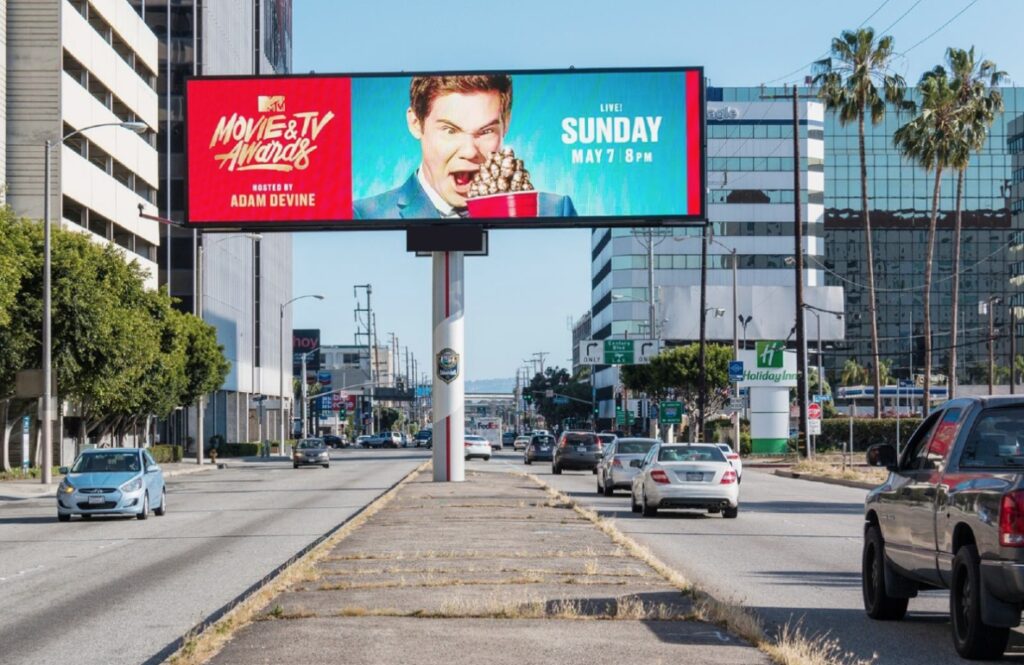
LED Billboard Rental vs. Purchase: Which Makes Sense?
Before diving into technical specs, clarify your business model. There are two fundamentally different ways to participate in Kenya’s LED billboard market:
| Model | Who It’s For | Upfront Cost | Monthly Revenue Potential | Payback Period |
|---|---|---|---|---|
| Rent space on existing billboard | Advertisers, brands | KES 110,000–750,000/month | N/A (cost, not revenue) | N/A |
| Purchase & own a billboard | Media owners, investors | 15,000–80,000 USD (installed) | KES 300,000–750,000/month (rental income) | 18–36 months |
| Purchase for own use | Businesses, venues | 3,500–12,000 USD (panel only) | Avoided rental cost | 12–24 months |
Rental rates by location and format (2026):
| Billboard Type | Location | Monthly Rate (KES) | Approx. USD/month |
|---|---|---|---|
| Static 12m × 3m | Highway (Mombasa Road) | 110,000–180,000 | ~850–1,385 |
| Static 12m × 3m | Nairobi CBD | 120,000–250,000 | ~925–1,925 |
| Digital LED 6m × 4m | CBD / Nairobi West | 300,000–500,000 | ~2,310–3,850 |
| Rooftop large format | Major roundabouts | 500,000–750,000 | ~3,850–5,770 |
USD conversions at approximately KES 130/USD (2026 mid-rate)
Technical Specifications: What to Look For
This is where most buyers in Kenya make costly mistakes. The equatorial sun, coastal humidity, and dust from the Rift Valley all impose specific requirements that a generic spec sheet won’t address.
Pixel Pitch and Viewing Distance
Pixel pitch is the distance between LED clusters, measured in millimeters. Smaller pitch = higher resolution = higher cost. For outdoor billboards, the key is matching pitch to your minimum viewing distance.
| Pixel Pitch | Min. Viewing Distance | Optimal Range | Best Application in Kenya |
|---|---|---|---|
| P4 | 4m | 15–50m | Urban pedestrian zones, shopping mall exteriors |
| P6 | 6m | 30–100m | CBD streets, roundabouts, petrol station forecourts |
| P8 | 8m | 50–200m | Highway corridors (Mombasa Road, Thika Road) |
| P10 | 10m | 100–300m+ | Rooftop billboards, stadium perimeters |
Practical rule: For most Nairobi street-level installations, P6 is the sweet spot — high enough resolution for readable text at 30–80m, at a significantly lower cost than P4. For highway installations where vehicles pass at 80+ km/h, P8 or P10 is sufficient and more cost-effective.
Brightness Requirements for Kenya’s Climate
Kenya’s equatorial sun is unforgiving. A display that looks vivid in a European showroom will wash out completely on Uhuru Highway at noon. Minimum brightness specifications for outdoor use in Kenya:
| Installation Type | Minimum Brightness | Recommended Brightness | Notes |
|---|---|---|---|
| Shaded urban location | 4,500 nits | 5,000 nits | Partial shade from buildings |
| Direct sun exposure | 5,500 nits | 6,000 nits | Standard Nairobi street-level |
| Coastal (Mombasa) | 5,500 nits | 6,500 nits | Higher UV index + salt air |
| Rooftop / elevated | 6,000 nits | 7,000 nits | No shade, maximum solar exposure |
| Nighttime (auto-dim) | 300 nits max | 200–400 nits | Light pollution compliance |
Always specify a panel with auto-brightness control — a sensor that dims the display at night. This is not optional in Kenya: running a 6,000-nit panel at full power overnight wastes significant electricity and shortens LED lifespan by 30–40%.
IP Rating and Environmental Protection
Kenya’s climate varies dramatically by region. The IP rating you need depends on your installation location:
| Region | Climate Challenge | Minimum IP Rating | Additional Requirement |
|---|---|---|---|
| Nairobi (1,700m altitude) | Dust, occasional hail | IP65 | UV-resistant cabinet coating |
| Mombasa / coastal | Salt air, high humidity | IP66 | Anti-corrosion coating on all metal parts |
| Rift Valley / highlands | Temperature swings, dust | IP65 | Operating range -10°C to +55°C |
| Kisumu / lakeside | High humidity, insects | IP65 | Sealed connectors, conformal coating |
IP65 is the absolute minimum for any outdoor installation in Kenya. IP54 is indoor-grade and will fail within 12–18 months in outdoor conditions.
Purchase Price Guide: What LED Billboards Actually Cost in 2026
The original article cited KES 500,000–5,000,000 for LED billboards. That range is accurate but needs context. Here’s a more granular breakdown:
Panel Purchase Price (Ex-Factory, Chinese Manufacturer)
| Screen Size | Pixel Pitch | Panel Cost (USD) | Approx. KES |
|---|---|---|---|
| 3m × 2m (6m²) | P6 | 1,200–2,400 | 156,000–312,000 |
| 6m × 4m (24m²) | P6 | 4,800–9,600 | 624,000–1,248,000 |
| 6m × 4m (24m²) | P8 | 3,600–7,200 | 468,000–936,000 |
| 10m × 5m (50m²) | P8 | 7,500–15,000 | 975,000–1,950,000 |
| 12m × 6m (72m²) | P10 | 7,200–14,400 | 936,000–1,872,000 |
Panel cost only — does not include shipping, import duty, steel structure, installation, or electrical work.
Total Installed Cost Breakdown (6m × 4m P8 Billboard, Nairobi)
| Cost Component | Estimated Cost (KES) | Notes |
|---|---|---|
| LED panel (P8, 24m²) | 468,000–936,000 | Ex-factory + shipping |
| Import duty & VAT | 140,000–280,000 | ~30% of CIF value |
| Steel structure & mounting | 150,000–300,000 | Depends on height and wind load |
| Electrical installation | 80,000–150,000 | Transformer, cabling, surge protection |
| Content management system | 30,000–80,000 | Software + media player hardware |
| Nairobi County permit | 50,000–120,000 | Annual fee; varies by size and location |
| Total installed | 918,000–1,866,000 | ~7,000–14,350 USD |
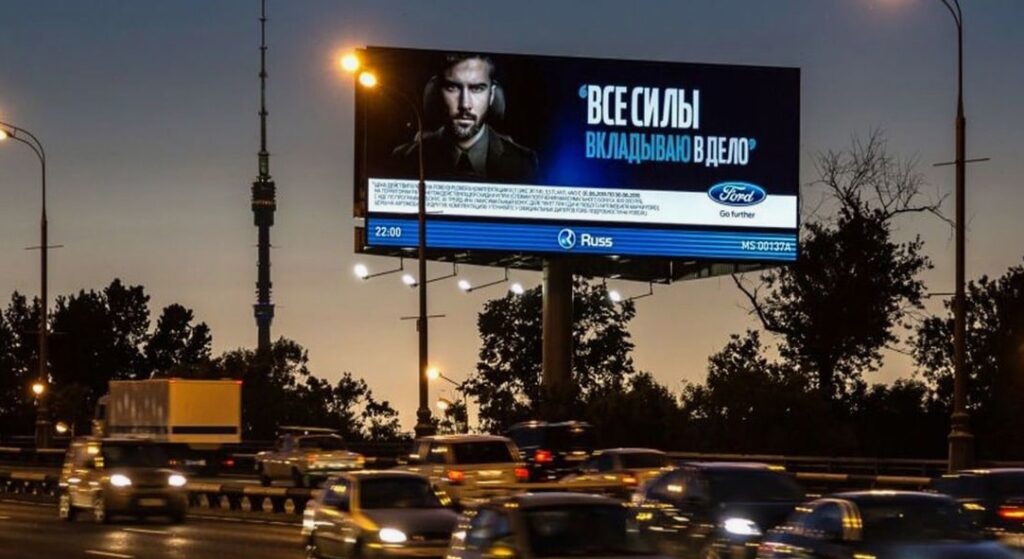
Regulatory Compliance: Permits and County Approvals
This is the dimension most buying guides skip entirely. In Kenya, outdoor billboard installation requires approval at multiple levels:
Nairobi County Requirements
- All outdoor advertising requires Nairobi City County approval before installation or activation
- Fees are governed by the Nairobi City County Finance Act 2023 (updated annually)
- Permits must be paid before installation — retroactive approval is not granted
- Large-format LED structures (> 10m²) require a structural engineering certificate in addition to the advertising permit
- For highway-adjacent billboards, Kenya Urban Roads Authority (KURA) approval is required separately
Compliance Checklist Before Installation
- County advertising permit (annual renewal)
- Structural engineering sign-off
- KURA clearance (highway locations)
- Electrical installation certificate (EPRA-registered contractor)
- Night brightness compliance (300 nits maximum after 10pm in residential zones)
- Kenya Bureau of Standards (KEBS) import clearance for the LED equipment
Failure to obtain permits before installation results in forced removal at the owner’s cost — a risk that has caught multiple investors in Nairobi’s CBD in recent years.
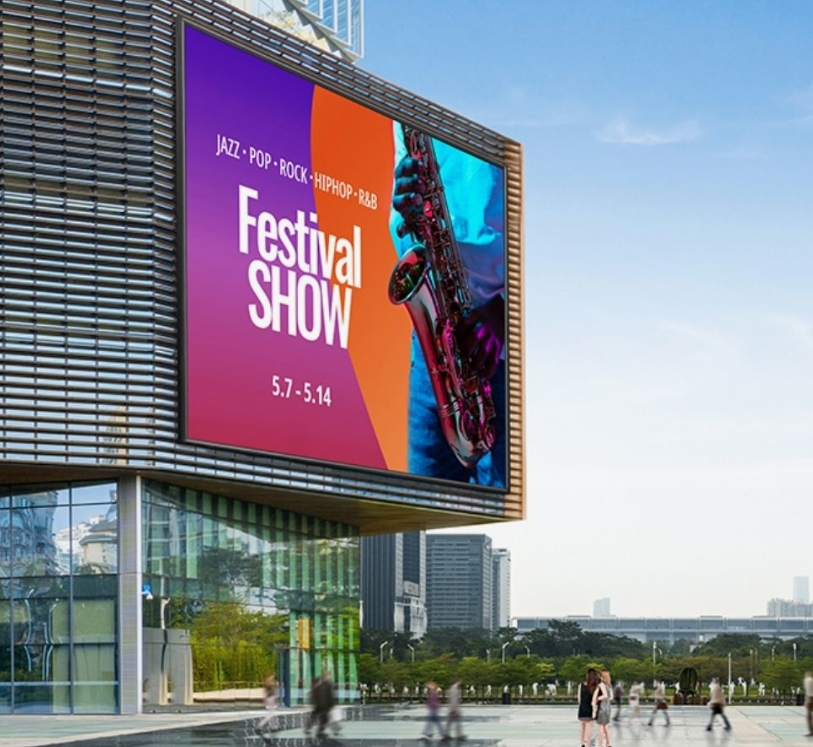
Choosing a Supplier: Chinese Manufacturer vs. Local Distributor
Most LED billboard hardware sold in Kenya originates from Shenzhen, China. The question is whether to buy direct or through a local distributor.
Direct from Chinese Manufacturer
Advantages:
- 20–40% lower unit cost
- Full customization of size, pixel pitch, and cabinet design
- Direct access to technical support and spare parts
Risks:
- Minimum order quantities (typically 10m² or more)
- Shipping lead time: 30–45 days sea freight
- Import clearance complexity
- No local warranty support — repairs require shipping components internationally
Through a Local Distributor or Integrator
Advantages:
- Local warranty and on-site support
- Handles import clearance and county permit navigation
- Faster delivery (stock items)
- Single point of contact for installation and maintenance
Risks:
- 30–60% price premium over direct import
- Limited product range (typically one or two brands)
Supplier Evaluation Criteria
When evaluating any LED billboard supplier for a Kenya installation, verify these seven points:
- Certifications: CE, RoHS, FCC minimum; ETL or UL for premium projects
- Brightness test report: Request an independent photometer measurement at full white, not manufacturer’s claimed spec
- IP rating test certificate: IP65 or IP66 per IEC 60529 standard
- Warranty terms: Minimum 2 years on LED modules; 1 year on power supplies
- Spare parts availability: Confirm local stock or maximum 2-week delivery for modules and power supplies
- References: Request contact details for at least two existing Kenya or East Africa installations
- After-sales support: Confirm whether technical support is available in Nairobi or requires remote-only assistance
ROI Framework: Is an LED Billboard a Good Investment in Kenya?
For media owners considering purchasing a billboard for rental income, here’s a simplified ROI model for a 6m × 4m P8 unit on a Nairobi highway:
| Parameter | Conservative | Optimistic |
|---|---|---|
| Total installed cost | KES 1,866,000 | KES 918,000 |
| Monthly rental income | KES 300,000 | KES 500,000 |
| Monthly operating cost (power + maintenance) | KES 40,000 | KES 25,000 |
| Monthly net income | KES 260,000 | KES 475,000 |
| Payback period | ~7 months | ~2 months |
| 5-year net profit | KES 13.7M | KES 27.6M |
Assumes 100% occupancy. Realistic occupancy for a well-located Nairobi billboard: 70–85%.
Even at 70% occupancy, a highway LED billboard in Nairobi typically pays back its installed cost within 18–30 months — making it one of the stronger physical media investments available in East Africa.
Common Mistakes to Avoid
- Buying consumer-grade panels: Panels marketed as “outdoor” but rated below IP65 or below 4,500 nits will fail within 12–18 months in Nairobi conditions.
- Skipping the permit process: Unpermitted billboards are removed by county authorities. The cost of removal plus re-installation exceeds the permit fee by 5–10×.
- Ignoring auto-brightness: Running a 6,000-nit panel at full power overnight increases electricity costs by 35–45% and cuts LED lifespan significantly.
- Underestimating import costs: Import duty, VAT, and clearing fees typically add 25–35% to the ex-factory panel price. Budget for this before comparing Chinese vs. local prices.
- Choosing pixel pitch by price alone: A P10 panel on a CBD street where viewers stand 20m away will look pixelated and damage brand perception. Match pitch to viewing distance.
Summary
Kenya’s outdoor LED billboard market offers strong returns for both advertisers and media owners in 2026. The key decisions are: rent vs. own, pixel pitch matched to viewing distance, brightness rated for equatorial sun (minimum 5,500 nits), IP66 for coastal installations, and full permit compliance before installation. For a 6m × 4m highway billboard, expect a total installed cost of KES 900,000–1,900,000 and monthly rental income potential of KES 300,000–500,000 at market rates.