The Decision in Two Paragraphs
If you need maximum brightness, all-weather durability, and the lowest cost per square meter — choose a traditional LED screen. If your installation is on glass, a curtain wall, or any surface where transparency and architectural integration matter — choose a transparent LED screen. That is the core decision. Everything else in this guide helps you validate and refine it.
Both technologies are mature and commercially proven in 2026. The transparent LED display market is on track to exceed $15 billion by 2027, with LED technology holding approximately 60% of that share (DSCC). Meanwhile, traditional LED displays remain the dominant format for outdoor advertising, stadiums, and command centers globally. This guide gives you a structured, data-backed comparison across every dimension that affects a real procurement decision.
A Brief History of LED Display Development
LED display technology has evolved through four distinct phases:
- Monochrome/Bicolor era: Simple text and numeric displays for scoreboards and signage
- Full-color era: Red, green, and blue LED maturity enabled full-color video
- Fine-pitch HD era: Sub-P2 pixel pitches brought LED into high-end indoor environments
- Innovation era (2020–present): Flexible, transparent, MicroLED, and COB formats expanded the application envelope
Transparent LED screens represent the most commercially significant innovation of the current era. By mounting LED beads onto ultra-thin transparent PCBs or flexible circuit boards and minimizing strip width, manufacturers achieved displays that retain 60–85% light transmission while delivering full-color dynamic content. In 2026, COB and MicroLED variants are pushing transparency above 90% while simultaneously improving brightness — closing the performance gap with traditional screens faster than most buyers expect.
Technical Principles and Structural Differences
Traditional LED Screen Technology
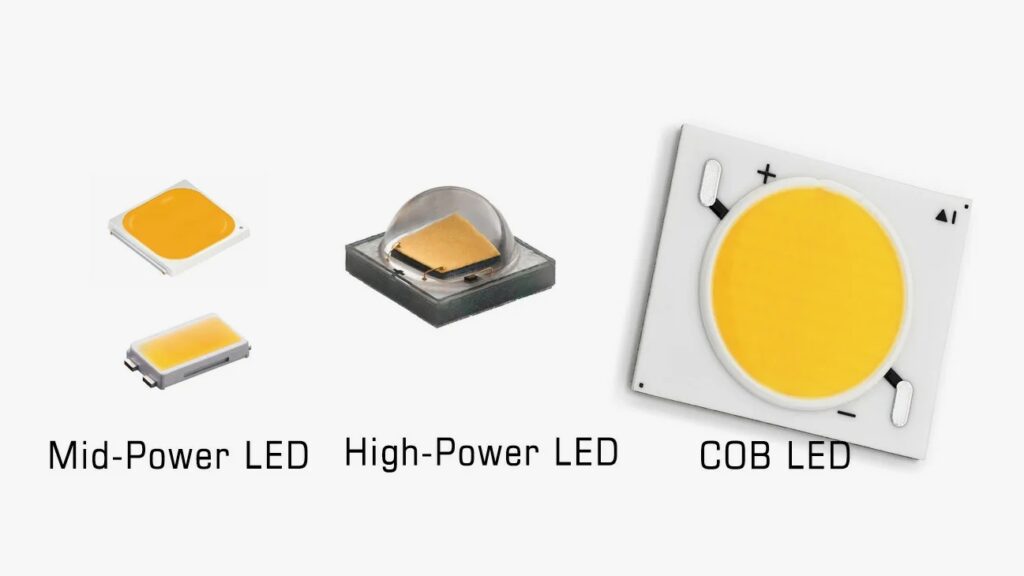
Traditional LED screens use densely arranged SMD (Surface-Mount Device) or DIP (Dual In-line Package) LED beads mounted on PCBs. A black mask covers the surface to absorb ambient light and enhance contrast. This structure is inherently opaque but delivers high brightness, wide color gamut, and robust all-weather performance. The technology is mature, with well-established supply chains and predictable cost structures.
LED Transparent Screen Technology
Transparent LED screens use specially designed LED strips where beads are mounted on ultra-thin transparent PCBs. The key engineering challenge is minimizing the physical footprint of the LED structure while maintaining sufficient brightness. Three main approaches are used in 2026:
- SMD transparent: Standard approach, transparency 60–75%, most cost-effective
- COB transparent: Chip-on-Board embedding, transparency 70–85%, better durability and contrast
- MicroLED transparent: Emerging technology, transparency up to 92%, highest brightness-to-transparency ratio, premium pricing
| Technology | Transparency | Brightness (nits) | Pixel Pitch Range | Relative Cost |
|---|---|---|---|---|
| Traditional SMD | 0% (opaque) | 3,000–10,000 | P1.2–P20 | Baseline |
| Transparent SMD | 60–75% | 1,500–4,000 | P3.9–P10 | +30–50% |
| Transparent COB | 70–85% | 2,500–6,000 | P2.5–P6 | +60–90% |
| Transparent MicroLED | 85–92% | 4,000–8,000 | P1.0–P3 | +150–300% |
Appearance and Transparency Comparison
Traditional LED Screen Appearance
- Fully opaque — blocks all view behind the screen
- Visible cabinet frames and module seams
- Solid, unified surface appearance
- Available in flat, curved, and irregular formats
- Typically heavier: 25–50 kg/sqm depending on cabinet type
LED Transparent Screen Appearance
- High transparency: 60–92% depending on technology
- LED strips nearly invisible from normal viewing distances
- Lightweight: typically 8–15 kg/sqm
- Seamlessly integrates with glass, curtain walls, and architectural surfaces
- Customizable to non-rectangular shapes and curved surfaces
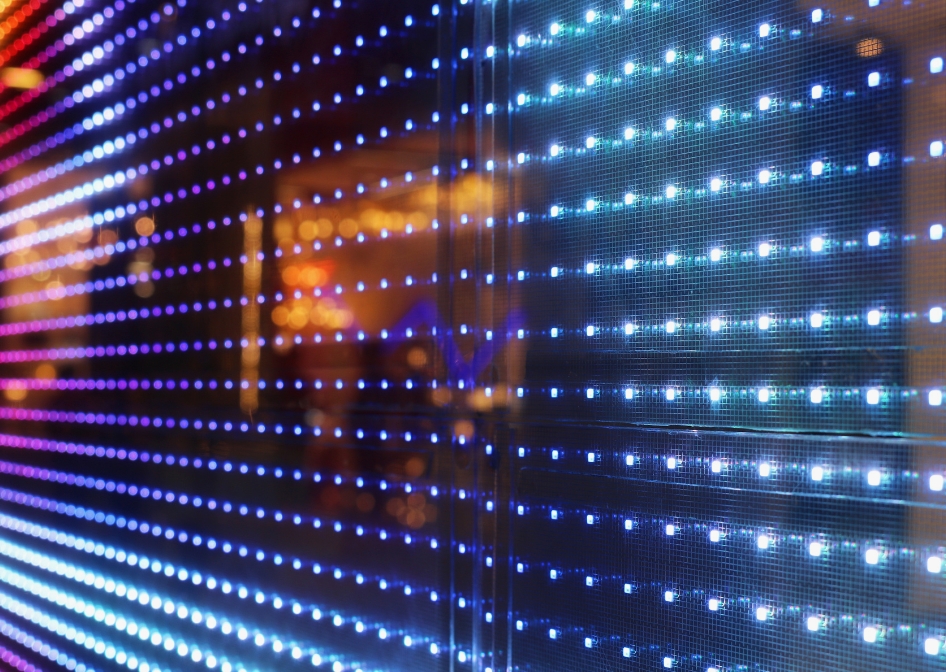
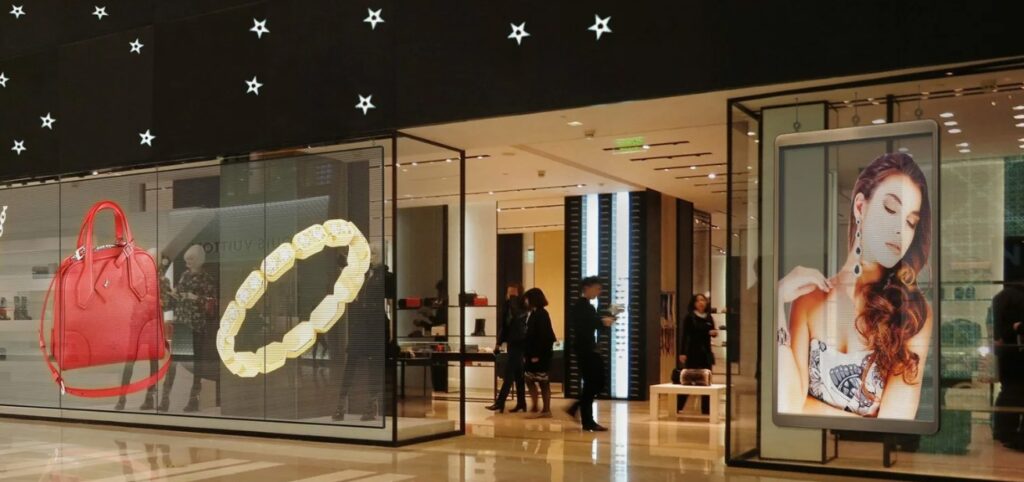
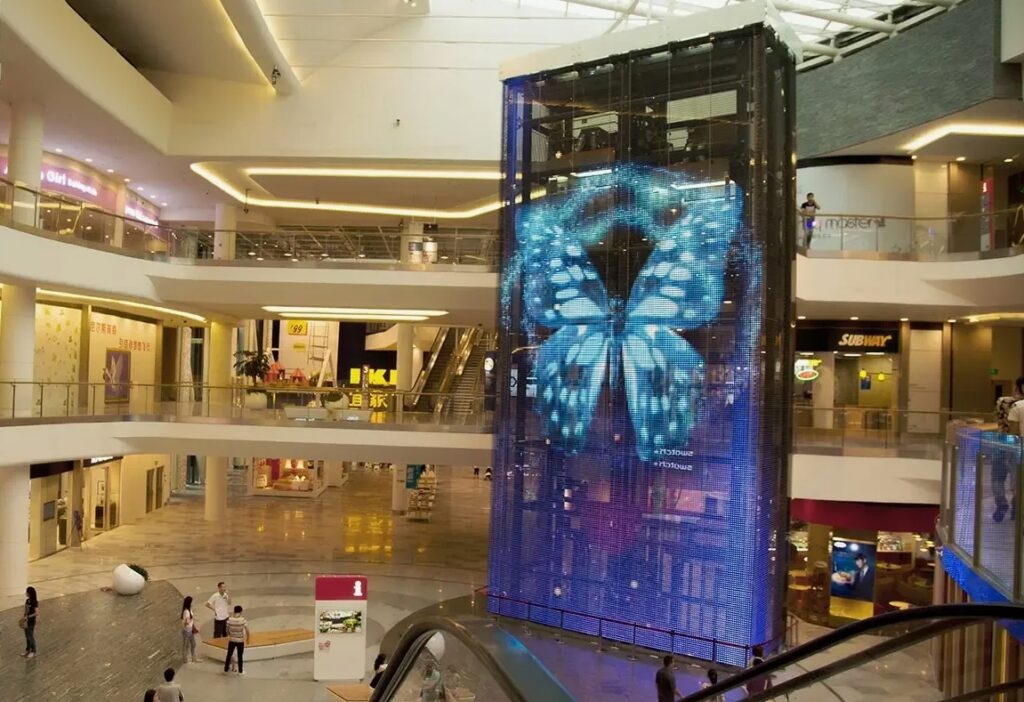
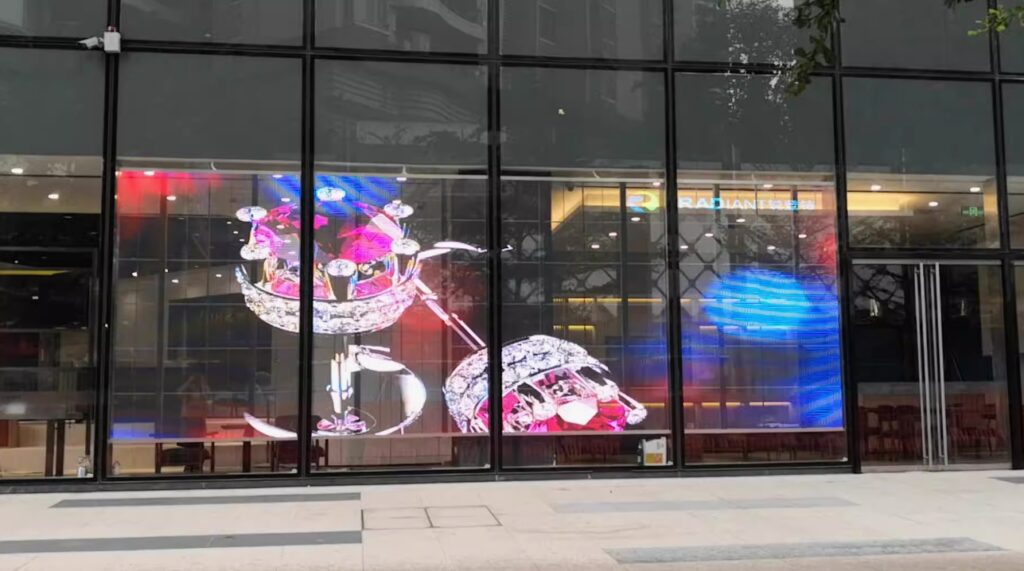
The visual difference is immediately apparent in retail and architectural contexts. A transparent LED screen installed on a storefront window allows passersby to see both the dynamic content and the physical products or interior behind it simultaneously — a dual-layer visual effect that no opaque display can replicate.
Display Performance: Brightness, Contrast, and Viewing Angle
Traditional LED Screen Performance
Traditional LED screens excel in raw display performance. The black mask design absorbs ambient light, delivering high contrast ratios even in direct sunlight. Outdoor models routinely achieve 6,000–10,000 nits, making them readable in any lighting condition. Color accuracy, refresh rates, and viewing angles are all optimized for maximum visual impact.
Transparent LED Screen Performance
Transparent screens make a deliberate trade-off: some display performance is sacrificed to achieve transparency. Lower LED density means lower brightness. The transparent background means contrast is affected by whatever is behind the screen — a bright interior or sunlit background reduces perceived contrast significantly.
| Performance Metric | Traditional LED | Transparent LED (SMD) | Transparent LED (COB) |
|---|---|---|---|
| Peak Brightness | 3,000–10,000 nits | 1,500–4,000 nits | 2,500–6,000 nits |
| Contrast Ratio | 3,000:1–5,000:1 | 500:1–1,500:1 | 1,000:1–2,500:1 |
| Viewing Angle | 140°–160° | 100°–140° | 120°–150° |
| Refresh Rate | 1,920–3,840 Hz | 1,920–3,840 Hz | 1,920–3,840 Hz |
| Color Gamut | 100%+ sRGB | 85–95% sRGB | 90–100% sRGB |
Practical implication: For window-facing installations with direct sunlight exposure, specify a minimum of 3,500 nits for transparent LED. For shaded interior installations, 2,000 nits is typically sufficient.
Installation and Maintenance Differences
Traditional LED Screen Installation
Traditional screens require more structural preparation: load-bearing assessment, steel support structures for large formats, dedicated power circuits, and heat dissipation planning. Installation is more complex and time-consuming, typically requiring professional technicians. Cabinet-based modular design allows individual module replacement, but accessing internal components requires tools and expertise.
Transparent LED Screen Installation
Transparent screens are significantly easier to install. Their lightweight construction (8–15 kg/sqm vs. 25–50 kg/sqm for traditional) eliminates the need for heavy structural support. Most transparent screens attach directly to existing glass or lightweight frameworks using adhesive, magnetic, or suspension mounting systems. Modular LED strip design allows individual strip replacement without removing the entire screen — reducing maintenance time and cost.
Key installation comparison:
- Structural requirements: Traditional = significant; Transparent = minimal
- Installation time (10 sqm): Traditional = 2–4 days; Transparent = 4–8 hours
- Maintenance access: Traditional = rear access required; Transparent = front and rear accessible
- Building modification: Traditional = often required; Transparent = rarely required
Application Scenarios by Use Case
Where Traditional LED Screens Excel
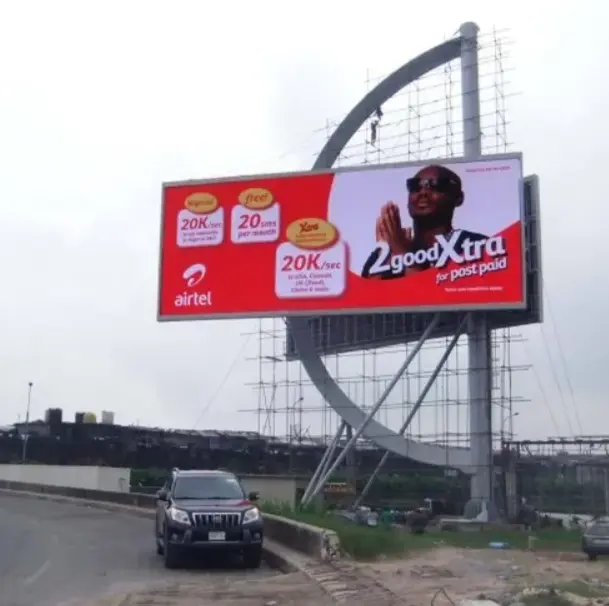
- Outdoor advertising: Billboards, building facades, roadside displays — high brightness and all-weather durability are non-negotiable
- Stadiums and arenas: Perimeter boards, scoreboards, large-format video walls
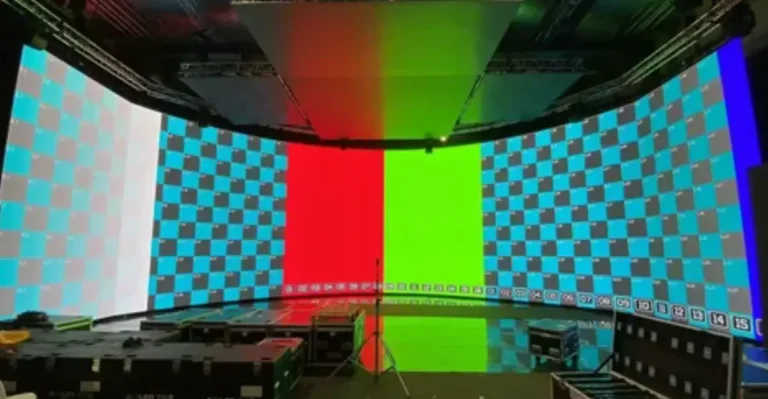
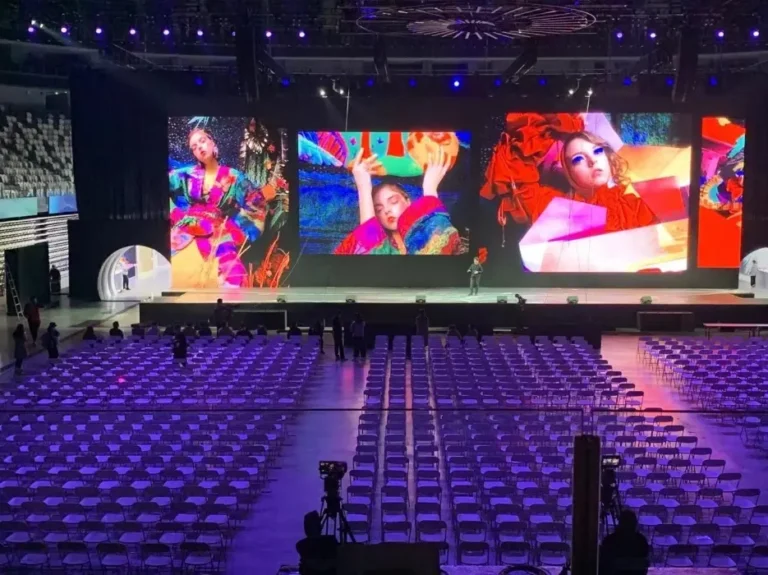
- Stage and live events: Background displays, IMAG screens, immersive stage environments
- Transportation hubs: Airports, train stations, metro systems — high-traffic information display
- Command and control centers: 24/7 operation, fine-pitch video walls for data visualization
- Retail interiors: In-store promotional displays where transparency is not required
Where Transparent LED Screens Excel
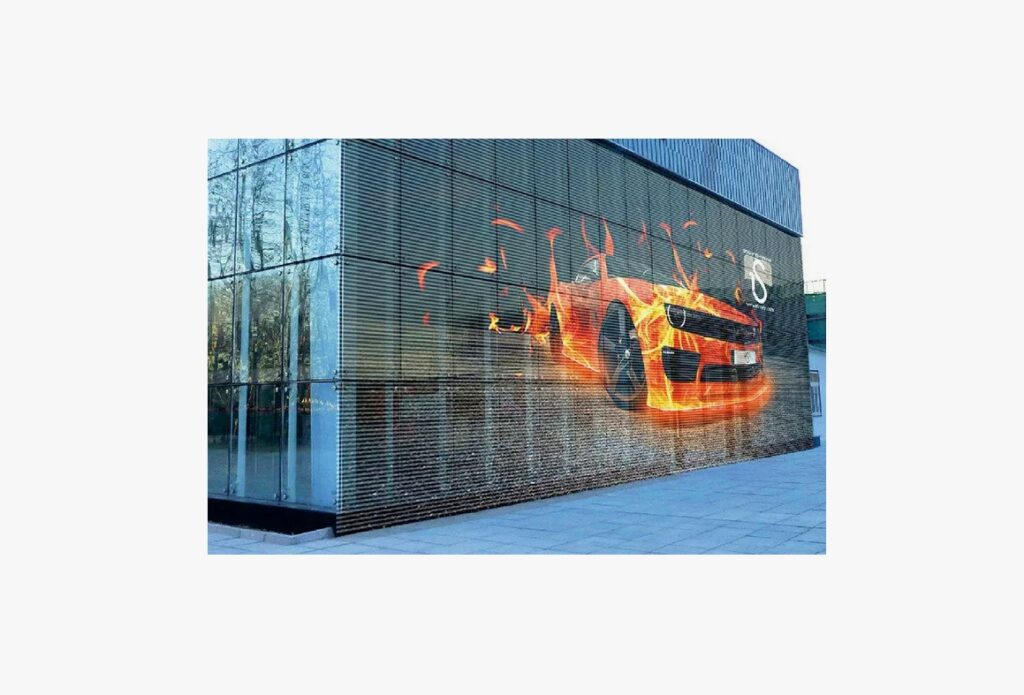
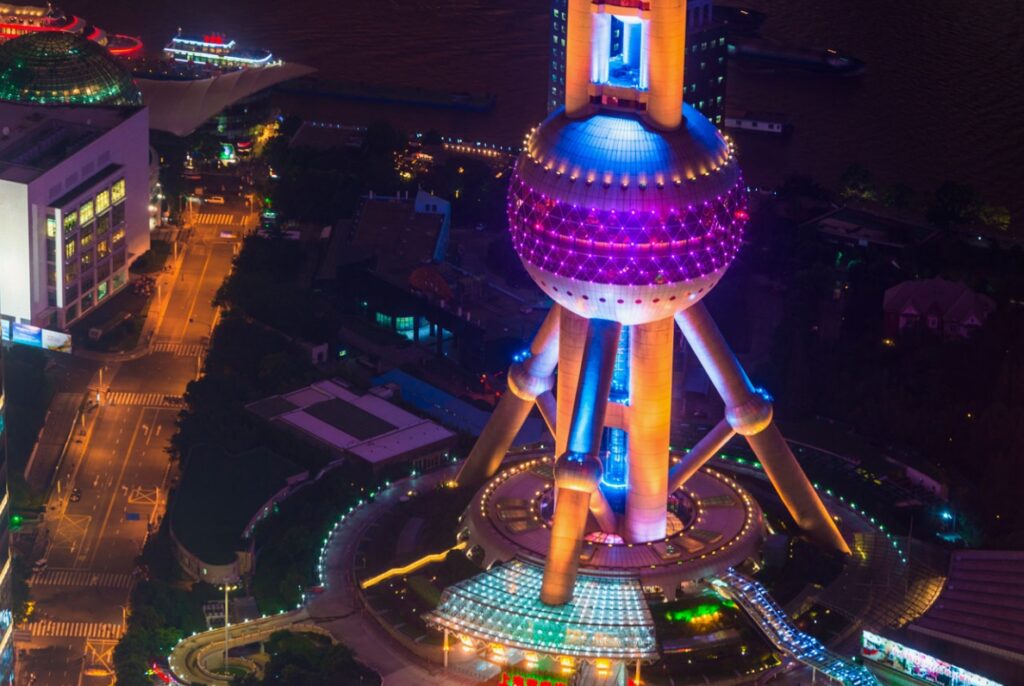
- Glass curtain walls: Media facades for commercial buildings, landmark architecture
- Retail storefronts: Window displays that maintain interior visibility while delivering dynamic content
- Automotive showrooms: Vehicle feature overlays and promotional content alongside physical cars
- Museums and galleries: Artistic installations that blend with exhibits and architectural elements
- Luxury retail: Premium brand environments where the display aesthetic must match the brand positioning
- Elevator cabins: Space-efficient information and advertising displays
- Trade shows and exhibitions: Product launches requiring visual impact without blocking sightlines
Cost and ROI Analysis
Cost Structure Comparison
| Cost Component | Traditional LED | Transparent LED | Notes |
|---|---|---|---|
| Hardware (per sqm) | 500–3,000 | 1,500–8,000 | Transparent premium driven by specialized components |
| Installation | 500–2,000/sqm | 200–800/sqm | Transparent easier to install |
| Structural support | 300–1,500/sqm | Minimal | Traditional requires steel framework |
| Maintenance (annual) | 100–300/sqm | 80–200/sqm | Transparent modular design reduces labor |
| Power consumption | 200–500 W/sqm | 100–250 W/sqm | Transparent more energy-efficient |
| Lifespan | 80,000–100,000 hrs | 60,000–80,000 hrs | Traditional slightly longer |
ROI Considerations by Scenario
Traditional LED delivers better ROI when:
- High brightness and contrast are the primary performance requirements
- The installation is permanent and long-term (5+ years)
- Budget is the primary constraint
- The display location does not benefit from transparency
Transparent LED delivers better ROI when:
- The installation is on glass or a surface where transparency has architectural or commercial value
- Brand premium justifies higher hardware cost
- The display needs to integrate with the surrounding environment
- Energy efficiency is a priority (lower power consumption reduces operating costs over time)
A high-end fashion retailer case study: replacing a static window display with a transparent LED screen increased foot traffic by 23% and contributed to a 15% uplift in monthly revenue — justifying the higher initial investment within 14 months.
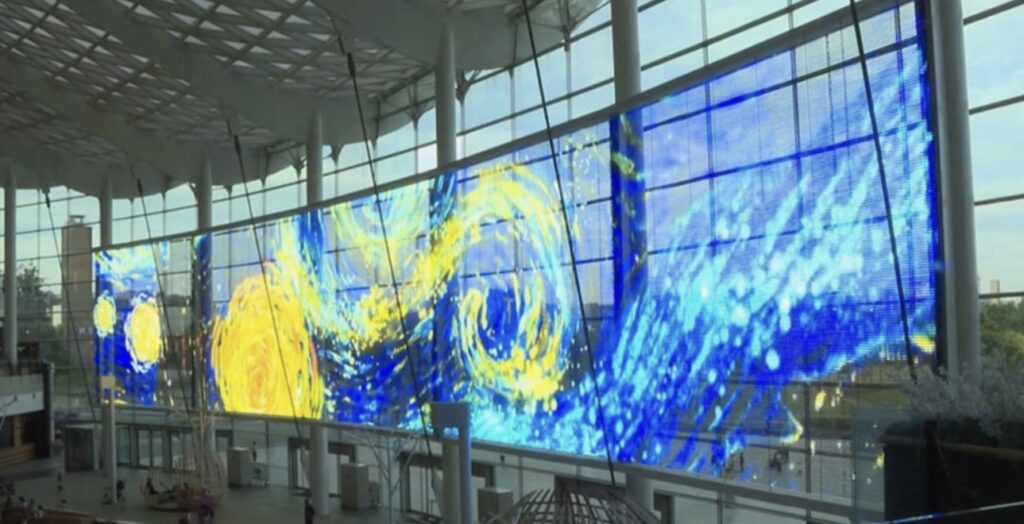
Head-to-Head Comparison Table
| Feature | Traditional LED Screen | LED Transparent Screen |
|---|---|---|
| Transparency | 0% (opaque) | 60–92% |
| Peak Brightness | Up to 10,000 nits | Up to 8,000 nits (COB/MicroLED) |
| Contrast | High (black mask) | Moderate (background-dependent) |
| Visual Effect | Vivid, immersive | Floating, ambient, layered |
| Weight | 25–50 kg/sqm | 8–15 kg/sqm |
| Installation Complexity | High | Low |
| Maintenance | Moderate | Easy (modular strips) |
| Power Consumption | Higher | Lower (30–50% less) |
| Hardware Cost | Lower | Higher |
| Installation Cost | Higher | Lower |
| Best Environment | Outdoor, stage, stadium | Glass, curtain wall, retail window |
| Lifespan | 80,000–100,000 hrs | 60,000–80,000 hrs |
| 2026 Technology Frontier | MicroLED fine-pitch | COB transparent, MicroLED transparent |
2026 Technology Trends Affecting Both Screen Types
Transparent Screen Advances
- COB encapsulation is now the preferred technology for mid-to-high-end transparent installations, offering better moisture resistance, higher contrast, and improved durability over SMD
- MicroLED transparent displays were showcased at SID 2026 with transparency exceeding 90% and brightness above 6,000 nits — closing the performance gap with traditional screens
- Flexible transparent LED for curved architectural surfaces is moving from prototype to commercial availability
- Adjustable transparency (EC/PDLC integration with LED) is in advanced development, enabling screens that switch between transparent and opaque modes
Traditional Screen Advances
- Fine-pitch MicroLED below P1.0 is now commercially viable for premium indoor installations
- COB packaging is replacing SMD for indoor fine-pitch applications, improving durability and contrast
- 30%+ energy efficiency improvements in new-generation driver ICs and power supplies
- AI-integrated content management with audience analytics is now standard in enterprise-grade installations
Common Developments Across Both Types
- Cloud-based CMS platforms supporting both screen types from a unified interface
- 5G-connected display networks enabling real-time content updates at scale
- EU Ecodesign Regulation compliance driving improvements in energy efficiency and recyclability across all LED display categories
How to Choose: A Decision Framework
Answer these five questions to identify the right technology for your project:
1. Does your installation surface require transparency?
- Yes → Transparent LED
- No → Traditional LED
2. What is your primary performance priority?
- Maximum brightness/contrast → Traditional LED
- Architectural integration/aesthetics → Transparent LED
3. What is your installation environment?
- Outdoor, all-weather → Traditional LED
- Indoor glass, curtain wall → Transparent LED
4. What is your budget structure?
- Lower upfront cost priority → Traditional LED
- Lower operating cost + premium brand value → Transparent LED
5. What is your installation timeline?
- Rapid deployment required → Transparent LED (faster installation)
- Standard timeline → Either technology
Frequently Asked Questions (FAQ)
Can transparent LED screens be used outdoors?
Yes, but they require IP65-rated panels for full outdoor exposure. Most transparent LED products are rated for semi-outdoor (window-facing) use at IP43–IP54. Full outdoor transparent LED installations are available but at a significant price premium.
How does ambient light affect transparent LED screen visibility?
Bright backgrounds reduce perceived contrast on transparent screens. For window-facing installations with direct sunlight, specify a minimum brightness of 3,500 nits. Interior installations with controlled lighting can use lower-brightness panels effectively.
Is transparent LED more energy-efficient than traditional LED?
Yes. Transparent LED screens typically consume 100–250 W/sqm versus 200–500 W/sqm for traditional screens, due to lower LED density. Over a 5-year operational period, this difference can offset a significant portion of the higher hardware cost.
What pixel pitch should I specify for a retail window transparent LED screen?
For viewing distances of 3–5 meters, P3.9–P5 is the standard specification. For closer viewing (under 3 meters), P2.5–P3 provides noticeably sharper image quality.
How long do transparent LED screens last?
Quality transparent LED screens have a rated lifespan of 60,000–80,000 hours — approximately 7–9 years at 24/7 operation. Traditional LED screens typically rate at 80,000–100,000 hours.
Conclusion
LED transparent screens and traditional LED screens are complementary technologies, not competitors. Traditional LED remains the right choice for any application where maximum brightness, all-weather durability, and cost efficiency are the primary requirements. Transparent LED is the right choice wherever the display must integrate with glass, architecture, or a visual environment where transparency has commercial or aesthetic value.
In 2026, the performance gap between the two technologies is narrowing — COB and MicroLED transparent screens are delivering brightness and contrast levels that were impossible two years ago. For buyers planning long-term installations, it is worth evaluating COB transparent options even for scenarios that previously defaulted to traditional LED.