Quick Answer
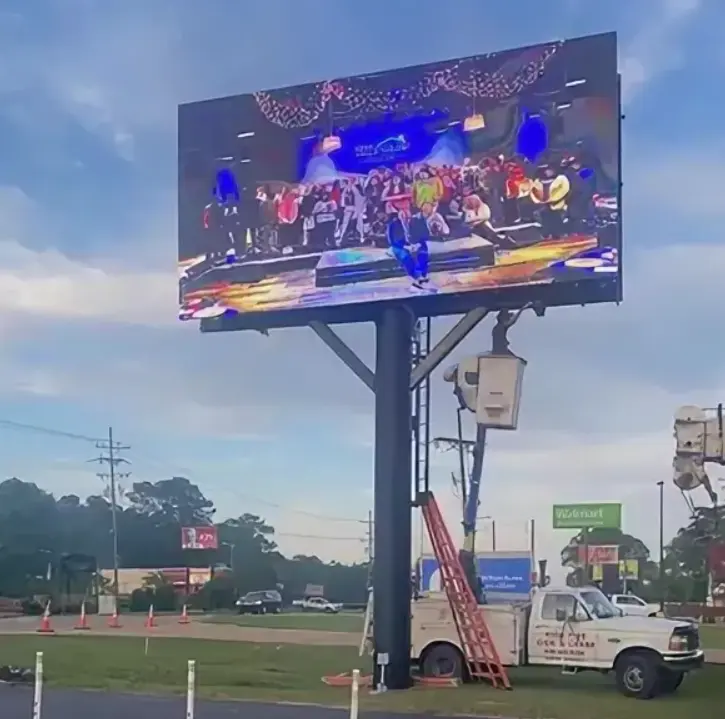
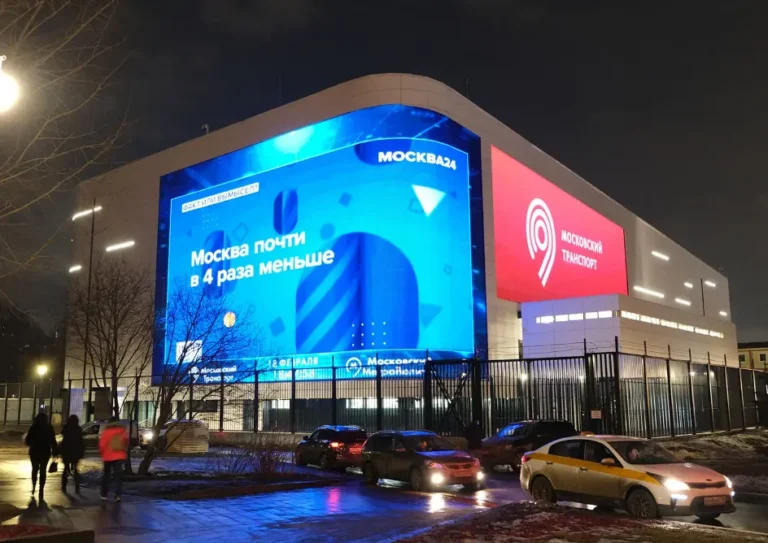
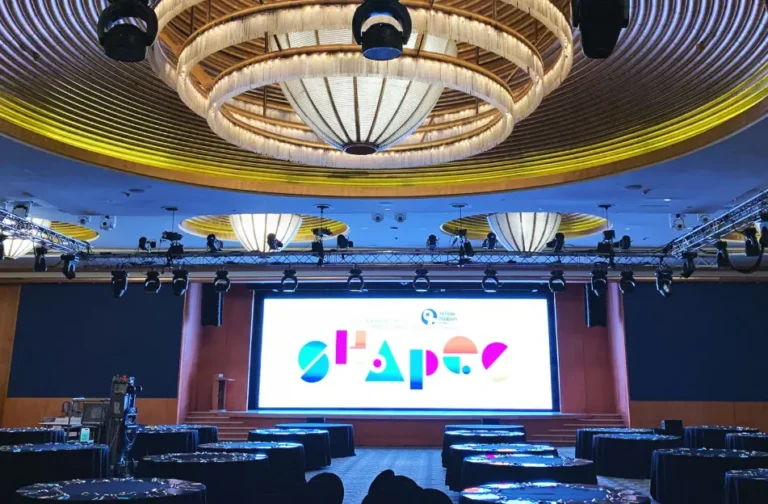
The outdoor digital billboard cost depends on much more than the LED screen itself. A complete project can include the LED display, control system, steel structure, foundation, electrical work, installation, engineering, permits, shipping, and long-term maintenance.
For the U.S. market, one 2026 industry benchmark places installed outdoor LED billboard projects at roughly $30,000–$500,000, with larger highway-scale installations potentially exceeding that range. These figures are third-party market benchmarks, not fixed Sostron prices. Actual project cost depends on screen size, pixel pitch, structure, foundation, installation scope, location, logistics, permits and electrical requirements. For example, one recent industry guide places installed outdoor LED billboard projects at roughly $30,000 to $500,000, while another published 2026 guide gives a much broader range from below $50,000 to several million dollars for unusually large or complex projects. These are third-party benchmarks, not fixed Sostron prices.
For a buyer, the more useful question is therefore not simply “How much is an outdoor digital billboard?” but:
What exactly is included in the quoted price, and what will the complete project cost from purchase through operation?
A practical budget should separate the project into five layers:
| Cost Layer | What It Can Include |
|---|---|
| LED display | Cabinets, LED modules, power supplies, receiving cards |
| Control system | Sending equipment, media player, CMS, networking |
| Structure | Steel frame, poles, brackets, foundation, reinforcement |
| Installation | Freight, crane/lift, labor, electrical connection, commissioning |
| Operation | Electricity, maintenance, spare parts, software, inspections |
The exact amount should be calculated from the screen dimensions, pixel pitch, viewing distance, mounting method, site conditions, local regulations, and required installation scope rather than from a generic $/m² figure.
How Much Does an Outdoor Digital Billboard Cost?

There is no single reliable worldwide price for an outdoor digital billboard.
A screen-only quotation and a complete operational billboard can represent very different scopes. Current 2026 market guides illustrate this clearly: published estimates for complete digital billboard construction commonly reach six figures for standard large-format installations, while smaller displays can fall considerably below that level.
Screen-only vs. complete billboard cost
| Budget Scope | Usually Includes | Usually Excludes |
|---|---|---|
| LED display only | LED cabinets, modules, power supplies, receiving cards | Structure, foundation, installation |
| Display system | LED display + control equipment | Civil works and site installation |
| Installed display | Display + structure + installation | Some permits, land and ongoing operating costs |
| Turnkey billboard | Display, structure, electrical, installation and commissioning | Land lease and some local authority costs |
| Operating billboard | Complete project + electricity + maintenance + software | Variable advertising/content costs |
The most important procurement rule is simple: never compare two billboard quotations until you have normalized their scope.
A $60,000 screen quotation and a $120,000 installed quotation may not represent two competing products. They may represent two completely different projects.
What Is the Difference Between Building a Digital Billboard and Renting One?
This distinction is often overlooked when researching billboard cost.
Building or buying a digital billboard
You are purchasing or developing an advertising asset. Your costs can include:
- LED display hardware
- steel structure
- foundation
- electrical infrastructure
- engineering
- installation
- permits
- land or site costs
- CMS and networking
- maintenance
- electricity
Renting advertising space
You are purchasing advertising inventory from an existing billboard operator.
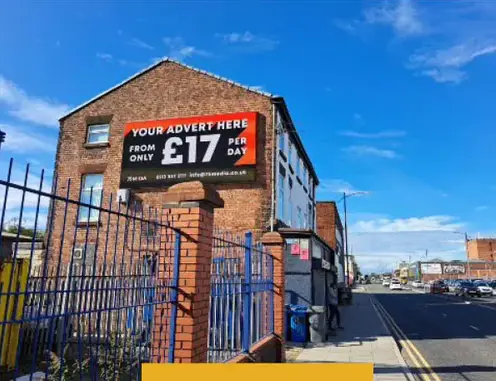
That is a completely different financial model. Recent industry sources publish digital billboard advertising rates ranging from thousands of dollars per four-week cycle to much higher amounts for premium locations. Those figures represent media placement, not construction cost.
If your objective is to operate your own DOOH asset, use construction and lifecycle costs. If your objective is simply to advertise a business, compare media rates, audience, impressions, campaign duration and location instead.
What Are the Main Costs of Building an Outdoor Digital Billboard?
A useful way to budget a project is to divide the cost into separate engineering packages.
1. LED Display Hardware
The LED display is normally one of the largest components of the capital budget.
The quotation may include:
- LED modules
- cabinets
- receiving cards
- power supplies
- data cables
- power cables
- cabinet frames
- brightness control
- spare parts
The price changes with:
- display area,
- pixel pitch,
- LED package,
- brightness,
- cabinet construction,
- maintenance method,
- energy-efficiency requirements,
- single- or double-sided configuration.
A recent 2026 industry benchmark, for example, lists screen-only outdoor LED prices by pixel pitch and emphasizes that these figures exclude freight, taxes, steel work and on-site installation. Such figures should be treated as industry benchmarks rather than universal market prices.
2. Steel Structure and Foundation
For a freestanding billboard, the LED display is only one part of the physical installation.
The structure may require:
- steel columns,
- horizontal beams,
- cabinet support frames,
- anchor bolts,
- concrete foundation,
- structural reinforcement,
- corrosion protection,
- access platforms,
- maintenance walkways.
Wind exposure and soil conditions can substantially change the engineering requirement.
A 2026 construction industry source specifically notes that billboard structure costs vary with height, wind load, steel weight, foundation requirements and installation conditions.
Buyer insight: If a supplier quotes only the LED display, do not assume you have a complete billboard budget.
How Does Pixel Pitch Affect Outdoor Digital Billboard Cost?
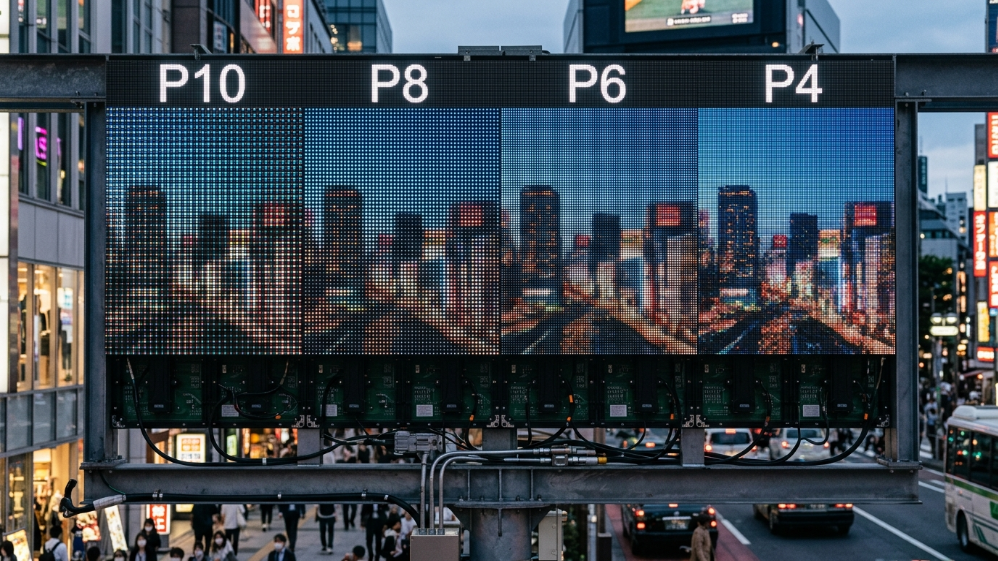
Pixel pitch is the distance between the centers of adjacent LED pixels.
A smaller pixel pitch means more pixels are installed across the same area.
That normally means:
Higher pixel density → higher hardware cost → greater image detail at closer viewing distances.
But the smallest pixel pitch is not automatically the best choice.
P6 vs. P8 vs. P10
| Pixel Pitch | General Application Logic | Cost Consideration |
|---|---|---|
| P6 | Closer viewing, urban environments, higher image-detail requirements | Higher hardware cost |
| P8 | Medium-distance roadside and urban applications | Middle ground |
| P10 | Longer viewing distances, large roadside/highway applications | Lower cost per area in many configurations |
These are general application patterns, not fixed viewing-distance standards. Final pixel-pitch selection should be based on the complete viewing geometry, screen dimensions, content type, audience distance and required image detail.
For example, Sostron’s documented Kenya project used an 80 m² P10.4 outdoor LED billboard, demonstrating how a relatively large pixel pitch can be appropriate for a long-distance roadside application. Kenya 80m² P10.4 LED Billboard Case
Why does this matter to the buyer?
Choosing P4 simply because it has a higher specification can increase the purchase price without producing a meaningful visual benefit for a distant highway audience.
Conversely, choosing an excessively coarse pitch for a location where viewers are close can reduce content clarity.
The right question is not “What is the smallest pixel pitch I can afford?” It is “What pixel pitch matches the actual viewing geometry?”
How Much Does Billboard Size Affect the Total Cost?
Screen area has a direct effect on LED hardware requirements, but the relationship is not simply:
Larger screen = exactly proportional total project cost.
Some costs scale with area. Others are relatively fixed.
Costs that tend to scale with display area
- LED modules
- Cabinets
- Power supplies
- Data distribution
- Structural support
- Some installation labor
Costs that may be relatively fixed or site-dependent
- Engineering
- Permits
- CMS
- Site survey
- Some control equipment
- Utility connection
- Mobilization
- Certain inspection fees
This is why a larger project can sometimes have a lower hardware cost per square meter while still requiring a substantially higher total investment.
Example: comparing project scope
Suppose two projects use the same outdoor LED technology:
| Factor | Project A | Project B |
|---|---|---|
| Screen area | 20 m² | 50 m² |
| Mounting | Existing structure | New freestanding structure |
| Foundation | Existing | New |
| Electrical distance | Short | Long |
| Crane requirement | Limited | Required |
| Engineering | Low | High |
Project B can cost far more even if the two displays use the same LED technology.
Screen area is only one variable in the total project equation.
Does the Installation Method Change Outdoor Digital Billboard Cost?
Yes.
Monopole or ground-mounted billboard
A freestanding billboard may require:
- geotechnical assessment,
- foundation,
- steel pole,
- structural engineering,
- crane installation,
- electrical service.
The structure becomes a major part of the project.
Rooftop installation
A rooftop display may avoid a new ground foundation, but that does not automatically make it cheaper.
The project may require:
- building structural assessment,
- reinforcement,
- waterproofing,
- difficult material handling,
- elevated lifting,
- restricted working hours,
- additional safety measures.
Building façade installation
A façade-mounted LED display can require custom brackets, reinforcement and access equipment.
Existing structure
If a suitable structure already exists and has been professionally verified for the new load, some construction work may be reduced.
However, buyers should not assume an existing structure is suitable simply because it physically holds the old sign.
Structural capacity, wind load and attachment method must be verified for the new display.
What Outdoor LED Specifications Matter Most?
Price should not be evaluated separately from specification.
Brightness
Outdoor displays need sufficient brightness to remain readable under strong ambient light.
However, maximum brightness alone is not a complete quality metric.
A better specification review considers:
- maximum brightness,
- automatic brightness adjustment,
- viewing environment,
- daytime performance,
- nighttime brightness management,
- power consumption.
Do not pay for an extreme brightness specification unless the installation environment actually requires it.
IP Protection
Outdoor LED cabinets need appropriate protection against dust and water.
IEC 60529 defines the IP Code, which classifies the degree of protection provided by electrical equipment enclosures.
For outdoor LED procurement, do not treat “IP65” or “IP66” as a complete weather-resistance specification.
Also consider:
- cabinet sealing,
- drainage,
- connectors,
- cable entry,
- corrosion resistance,
- thermal design,
- installation orientation,
- local climate.
The existing article’s previous statement that anything below IP65 will fail within 18 months should not be used as a general engineering rule.
Refresh Rate
Refresh rate matters particularly when the screen will be photographed or recorded.
For ordinary human viewing, brightness, contrast, pixel pitch and viewing geometry may be more commercially important.
For applications involving:
- broadcast cameras,
- live events,
- professional video,
- close-up recording,
refresh rate and camera compatibility deserve greater attention.
Power Consumption
Power should be evaluated using the actual product configuration rather than a generic industry number.
For example, Sostron’s Ares 2 product information currently lists average and maximum power figures of 230 W/m² and 600 W/m² respectively, alongside model-specific brightness and refresh-rate specifications. Because product configurations can vary, buyers should confirm the exact specification for the quoted configuration before using it for electrical or TCO calculations. Ares 3 outdoor LED display specifications
This distinction matters because:
Maximum power is not the same as average operating power.
Using maximum power as though it were continuous consumption can materially overstate operating cost.
How Do You Calculate Outdoor Digital Billboard Electricity Cost?
Use the actual operating assumptions.
A simplified calculation is:
Annual electricity cost = Average power × operating hours × electricity rate
For example, an illustrative calculation could use:
- 50 m² display
- 230 W/m² average power
- 12 operating hours/day
- 365 days/year
- electricity rate of $0.15/kWh
The estimated annual energy consumption would be:
50 × 0.23 × 12 × 365 = 50,370 kWh/year
At $0.15/kWh:
50,370 × $0.15 = $7,555.50/year
This is an EXAMPLE, not a market-average electricity cost.
Actual consumption depends on:
- displayed content,
- brightness,
- automatic dimming,
- operating hours,
- weather,
- power-management design,
- electricity tariff,
- display configuration.
This is why a buyer should request both maximum power and typical/average operating power where available.
What Are the Hidden Costs of Building a Digital Billboard?
The LED screen is often the easiest component to identify.
The hidden costs are usually elsewhere.
Structure and civil work
Budget may be needed for:
- foundation,
- steel fabrication,
- reinforcement,
- corrosion protection,
- site preparation.
Electrical work
Potential requirements include:
- utility connection,
- distribution panels,
- breakers,
- grounding,
- surge protection,
- cabling,
- electrical engineering.
Logistics
Depending on the project:
- international freight,
- inland transportation,
- customs,
- unloading,
- crane,
- lift equipment,
- storage.
Installation
Installation may involve:
- structural assembly,
- cabinet installation,
- electrical connection,
- data wiring,
- system configuration,
- calibration,
- commissioning.
Maintenance
A serious TCO calculation should account for:
- spare modules,
- power supplies,
- receiving cards,
- control equipment,
- cleaning,
- inspection,
- remote monitoring,
- technician visits,
- emergency repairs.
Land and site costs
For a new advertising location, the display itself may not be the largest financial issue.
Potential costs include:
- land lease,
- building lease,
- site access,
- utility connection,
- local fees,
- insurance.
These are highly location-dependent and should not be presented as universal LED-display prices.
What Is the Total Cost of Ownership for an Outdoor Digital Billboard?
A better budget model separates CAPEX from OPEX.
CAPEX
| Category | Typical Scope |
|---|---|
| LED display | Cabinets, modules, power supplies |
| Control | Sending system, media player, CMS |
| Structure | Steel frame, pole, brackets |
| Foundation | Concrete and civil work |
| Electrical | Distribution, cables, protection |
| Engineering | Structural/electrical design |
| Logistics | Freight, handling, customs |
| Installation | Labor, crane, commissioning |
| Permits | Local approvals and inspection fees |
OPEX
| Category | What to Budget |
|---|---|
| Electricity | Actual operating consumption |
| Maintenance | Preventive and corrective work |
| Spare parts | Modules, power supplies, cards |
| CMS | Software and connectivity |
| Inspection | Structural/electrical inspection |
| Content | Internal or outsourced content production |
| Site | Lease or other recurring site costs |
| Insurance | Where applicable |
There is no defensible universal percentage that applies to every billboard.
Instead, calculate TCO from actual assumptions.
Simple TCO framework
5-Year TCO = Initial CAPEX + 5-Year Operating Costs + Planned Replacement Costs
For a serious B2B project, add a sensitivity analysis:
- lower electricity rate,
- higher electricity rate,
- low maintenance requirement,
- high maintenance requirement,
- different operating hours,
- different brightness settings.
This gives a much more useful financial picture than claiming that every billboard will have the same annual operating percentage.
How Should Buyers Compare Outdoor Digital Billboard Quotes?
This is one of the most important procurement steps.
Two suppliers may quote the same screen area but include completely different scopes.
Use a quote-normalization checklist.
| Quote Item | Supplier A | Supplier B | Included? |
|---|---|---|---|
| LED cabinets | Yes / No | ||
| LED modules | Yes / No | ||
| Power supplies | Yes / No | ||
| Receiving cards | Yes / No | ||
| Sending system | Yes / No | ||
| Media player | Yes / No | ||
| CMS | Yes / No | ||
| Steel structure | Yes / No | ||
| Foundation | Yes / No | ||
| Electrical system | Yes / No | ||
| Freight | Yes / No | ||
| Customs | Yes / No | ||
| Installation | Yes / No | ||
| Crane/lift | Yes / No | ||
| Commissioning | Yes / No | ||
| Spare parts | Yes / No | ||
| Warranty | Yes / No | ||
| After-sales service | Yes / No |
What should you ask an LED billboard supplier?
Before issuing a purchase order, ask:
- What exact LED model is included?
- What is the pixel pitch?
- What are the typical and maximum power figures?
- What brightness is guaranteed?
- What IP protection applies to the cabinet?
- Is the structure included?
- Is structural engineering included?
- Is the foundation included?
- Is installation included?
- Is commissioning included?
- Are spare modules included?
- What does the warranty cover?
- What are the response and replacement procedures?
- Is CMS software included?
- What assumptions were used to calculate the quoted price?
A supplier who cannot clearly define the scope makes price comparison difficult.
What Regulations Affect Digital Billboard Cost?
Permitting is one of the areas where buyers should avoid generic assumptions.
In the United States, federal outdoor-advertising controls can involve size, lighting and spacing, while state and local authorities can have additional controls. FHWA regulations explicitly recognize state and local control mechanisms for outdoor advertising.
Therefore, the compliance process can involve:
- zoning,
- billboard eligibility,
- sign size,
- location,
- spacing,
- lighting,
- brightness,
- structural approval,
- electrical approval,
- road authority requirements.
Why should you check regulations before buying?
Because the cheapest screen is not necessarily the cheapest viable project.
If a proposed site cannot legally accommodate the intended billboard dimensions or lighting configuration, reducing the LED price does not solve the project problem.
Confirm the site’s regulatory feasibility before placing a hardware order.
For electrical/sign safety, requirements can also depend on the jurisdiction and product category. UL identifies UL 48 as the Standard for Electric Signs, but applicable approvals should be confirmed for the actual installation and jurisdiction.
Which Outdoor Digital Billboard Configuration Should You Choose?
There is no universal “best” specification.
Instead, match the configuration to the application.
| Application | Important Considerations | Potential Direction |
|---|---|---|
| Highway billboard | Long viewing distance, high ambient light, wind load | Larger pitch can be appropriate |
| Urban roadside | Mixed viewing distances | Mid-range pixel pitch may balance cost and clarity |
| Retail frontage | Shorter viewing distance | Finer pitch may provide useful detail |
| Stadium perimeter | Camera visibility, viewing distance, refresh rate | Prioritize viewing + camera requirements |
| Building façade | Structural load and mounting method | Engineering may dominate cost |
| DOOH advertising network | Reliability, remote management, serviceability | CMS, monitoring and maintenance become important |
The correct configuration depends on the actual project rather than a generic recommendation.
When Is a More Expensive LED Billboard Actually Justified?
Higher specifications make sense when they solve a real requirement.
A finer pixel pitch may be justified when:
- viewers are relatively close,
- detailed creative content is important,
- the display is photographed frequently,
- the application requires greater image density.
Higher brightness may be justified when:
- the screen receives strong direct daylight,
- ambient brightness is unusually high,
- the application requires reliable daytime visibility.
More advanced monitoring may be justified when:
- the billboard generates significant advertising revenue,
- downtime has a measurable financial cost,
- the operator manages multiple remote sites.
Higher structural investment may be justified when:
- wind exposure is significant,
- the screen is mounted high,
- the site has difficult soil conditions,
- maintenance access is challenging.
The principle is:
Pay more when the additional specification reduces a real operational or commercial risk.
Do not pay more simply because the specification sheet contains a larger number.
What Can Real Sostron Projects Tell Buyers About Configuration?
Real project evidence is more useful than generic claims about what a billboard “should” look like.
Kenya: 80 m² P10.4 Outdoor Billboard

Sostron documents an 80 m² P10.4 outdoor LED billboard project in Kenya. The case provides a practical reference for a large roadside display where long-distance viewing and outdoor structural requirements are relevant. Kenya 80m² P10.4 billboard project
The useful lesson is not that every highway should use P10.4.
The lesson is that pixel pitch should be selected according to the actual application and viewing conditions.
Zimbabwe: P4.8 Roadside LED Billboard
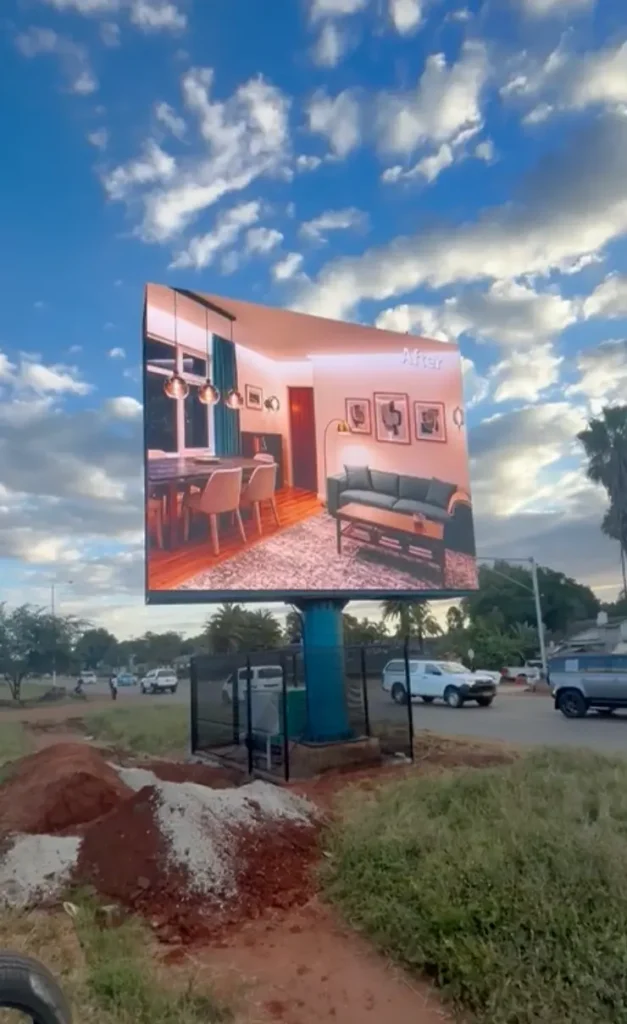
Sostron’s Zimbabwe case documents a roadside P4.8 LED billboard configuration with specifications including 4,500 nits, 3,840 Hz refresh rate and IP65 protection. Zimbabwe P4.8 roadside LED billboard project
This provides a useful real-world reference for buyers comparing a finer pitch with a more distant highway-oriented configuration.
Botswana: 100 m² P4.8 Outdoor LED Project
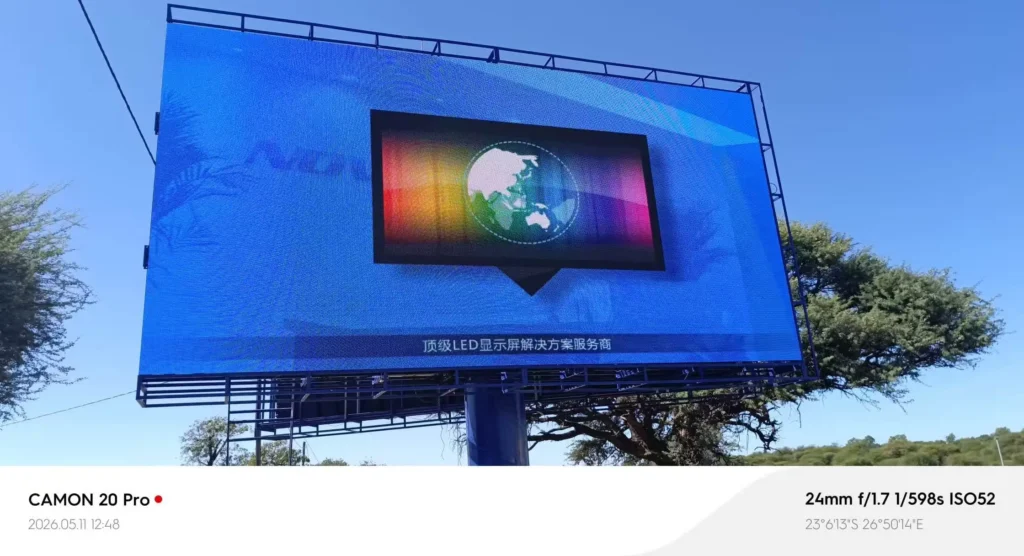
Sostron also documents a 100 m² P4.8 outdoor LED project in Botswana, including a customized steel structure. Botswana 100m² P4.8 outdoor LED project
The key procurement lesson is that the display specification and the structural solution should be considered together.
How Should You Prepare an Outdoor Digital Billboard RFQ?
A complete request for quotation should provide enough information for suppliers to price the same project scope.
Site information
- Country
- City
- Exact installation environment
- Highway, urban road, retail, stadium or other application
- New or existing structure
Display information
- Width
- Height
- Number of faces
- Pixel pitch preference, if already established
- Day/night operating requirements
- Content type
Technical requirements
- Brightness
- Refresh rate
- IP protection
- Power requirements
- CMS
- Remote monitoring
- Maintenance access
Installation information
- Ground, rooftop or façade
- Approximate mounting height
- Existing structure drawings, if available
- Electrical supply
- Access conditions
- Crane requirements
Commercial requirements
- Delivery location
- Installation responsibility
- Warranty period
- Spare parts
- After-sales service
- Commissioning
- Training
The better the RFQ, the less likely you are to compare incomplete quotations.
Who Should Buy an Outdoor Digital Billboard?
An owned outdoor digital billboard can make sense for organizations that have:
- a legally suitable site,
- sufficient capital,
- a clear advertising or communication use case,
- access to reliable power,
- a plan for content management,
- maintenance resources,
- a realistic understanding of permitting and structural requirements.
Potential users include:
- outdoor advertising operators,
- property owners,
- retail developments,
- commercial complexes,
- transportation sites,
- entertainment venues,
- stadiums,
- municipalities,
- large roadside businesses.
Who May Not Need to Build One?
Building a billboard may not be appropriate if the objective is simply to promote a short-term campaign.
For those situations, renting existing digital billboard inventory can avoid:
- capital expenditure,
- construction,
- permitting,
- maintenance,
- electricity,
- structural responsibility.
The decision should therefore begin with:
Do you need an advertising asset, or do you only need advertising exposure?
What Is the Most Important Cost-Control Strategy?
The most effective way to control outdoor digital billboard cost is not necessarily to buy the cheapest LED modules.
Instead:
1. Define the site first
Location determines regulation, viewing distance, structure and installation complexity.
2. Define viewing geometry
Do not select pixel pitch before understanding how far viewers will be from the display.
3. Separate hardware from project cost
Ask suppliers to identify exactly what is included.
4. Compare average and maximum power
This makes electricity estimates more meaningful.
5. Consider maintenance before purchase
A cheaper screen can become expensive if service access and spare parts are difficult.
6. Compare total ownership cost
The lowest initial quotation is not necessarily the lowest five-year cost.
7. Request a complete scope
A good RFQ reduces unexpected additions later.
A Practical Outdoor Digital Billboard Cost Formula
For preliminary planning, use:
Total Project Cost = LED Display + Control System + Structure + Foundation + Electrical + Installation + Logistics + Permits/Engineering + Initial Spares
Then calculate:
Annual Operating Cost = Electricity + CMS/Connectivity + Maintenance + Inspection + Site Costs + Other Recurring Services
Finally:
5-Year TCO = Initial Project Cost + 5 × Annual Operating Cost + Planned Replacement Costs
These formulas do not produce a universal price.
They provide a decision framework that lets buyers replace assumptions with actual supplier quotations, electricity rates and local project costs.
FAQ: Outdoor Digital Billboard Cost
How much does an outdoor digital billboard cost?
The cost varies widely according to screen size, pixel pitch, structure, installation method, site conditions and local regulations. Current 2026 industry publications show installed project benchmarks ranging from tens of thousands of dollars for smaller installations to several hundred thousand dollars for large highway-scale projects. These figures should be treated as benchmarks, not fixed prices.
How much does it cost to build a digital billboard?
Building a digital billboard requires more than buying an LED screen. The project may include the display, control system, steel structure, foundation, electrical work, engineering, permits, logistics, installation and commissioning. Recent 2026 sources commonly place complete large-format builds in the six-figure range, but actual costs depend heavily on site and structural requirements.
What pixel pitch is best for an outdoor billboard?
There is no universal best pixel pitch. P6, P8 and P10-class displays can all be appropriate depending on viewing distance, screen size, content and application. A long-distance highway display can often use a coarser pitch than an urban display viewed from nearby. The correct selection should be based on viewing geometry rather than pixel pitch alone.
How much does it cost to install a digital billboard?
Installation cost depends on the mounting method, structure, foundation, crane requirements, electrical work, site access and local labor. A freestanding billboard may require substantially more civil and structural work than a display installed on a suitable existing structure. Published 2026 benchmarks vary widely, so an installation quote should clearly state its scope.
Do digital billboards require permits?
Often, yes, but the exact requirements depend on the jurisdiction and site. Outdoor advertising controls can involve billboard location, size, lighting and spacing, with state and local authorities potentially imposing additional requirements. Confirm regulatory feasibility before ordering the display.
What should I ask a digital billboard supplier before buying?
Ask for the exact display specification, pixel pitch, brightness, average and maximum power, IP protection, control system, CMS, structural scope, installation scope, warranty, spare parts, commissioning and after-sales service. Most importantly, ask the supplier to distinguish screen-only pricing from complete installed-project pricing.
Final Buyer Checklist
Before approving an outdoor digital billboard purchase, confirm:
- Site is legally suitable
- Screen dimensions are defined
- Viewing distance has been evaluated
- Pixel pitch is justified by the application
- Brightness is appropriate for the environment
- Structural design has been considered
- Foundation requirements are understood
- Electrical requirements are confirmed
- Average and maximum power are documented
- CMS and control equipment are included
- Freight and customs scope is clear
- Installation scope is clear
- Commissioning is included
- Spare parts are defined
- Warranty terms are documented
- Maintenance access is practical
- Local permits and approvals are checked
- Five-year TCO has been considered
- Supplier quotations have been normalized before comparison
Sostron Outdoor LED Display Solutions
Sostron is a commercial LED display manufacturer providing LED display manufacturing, product development, engineering support, customized display solutions, installation guidance and after-sales technical support.
For outdoor digital billboard projects, the practical starting point is not a generic price list. It is the project configuration: location, screen dimensions, viewing distance, mounting method, brightness requirement, pixel pitch, power conditions and installation scope.
Sostron’s outdoor product portfolio includes the Ares outdoor LED display and the Ares 2 energy-saving outdoor LED display. Buyers can also review Sostron’s outdoor LED project cases to compare documented configurations and application environments.
For a quotation, provide the site location, screen size, viewing distance, mounting method and required specifications. This gives the manufacturer enough information to distinguish a screen price from the actual project cost and build a more useful B2B proposal.
References:
FHWA — Outdoor Advertising Control: Size, Lighting & Spacing
U.S. Department of Energy — LED Basics