Real Price Range of 8×12 LED Screens
Based on 2026 global engineering and procurement data, the pricing of 8×12 LED screens is not a single fixed value but is segmented into two fundamentally different measurement standards—feet and meters—each reflecting distinct application scenarios, pixel densities, and engineering complexities:
8×12 feet (approx. 2.44 x 3.66 meters):
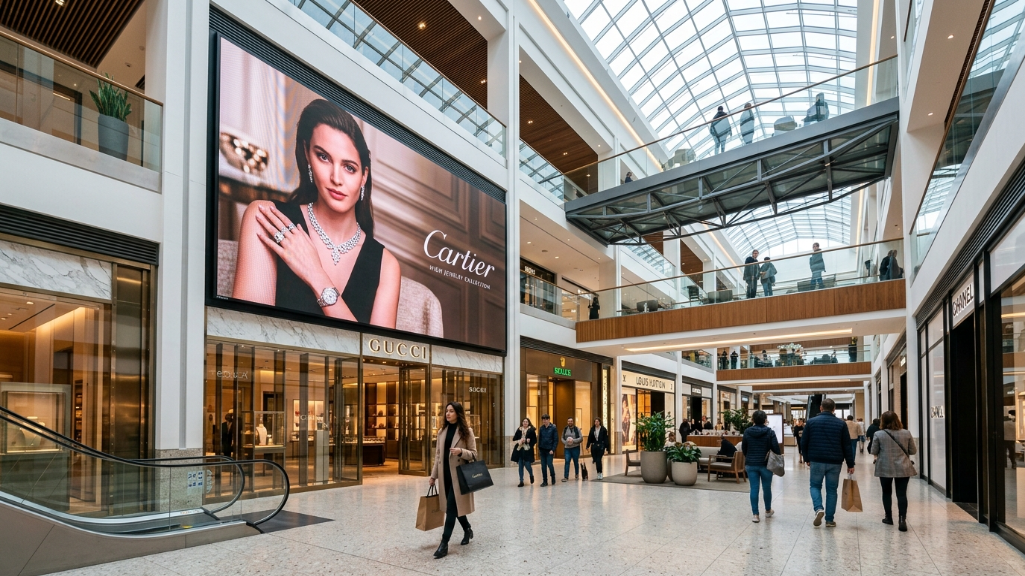
Commonly used in shopping mall retail, conference centers, or mid-sized stage rentals.
- Indoor P2.5 – P3.91 specifications: The price usually ranges from $6,500 to $18,000.
- Outdoor high-brightness P3.91 – P4.8 specifications: The price usually ranges from $12,000 to $35,000.
8×12 meters (approx. 96 square meters):
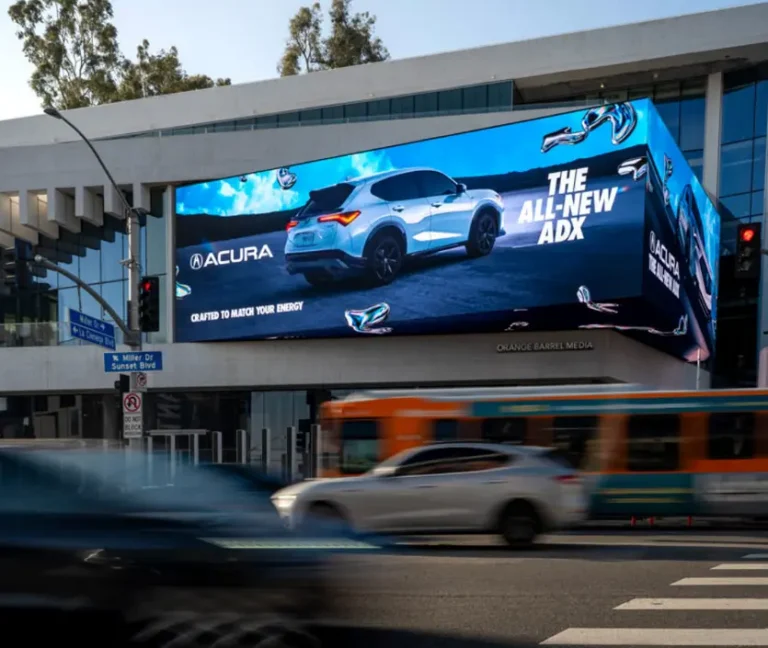
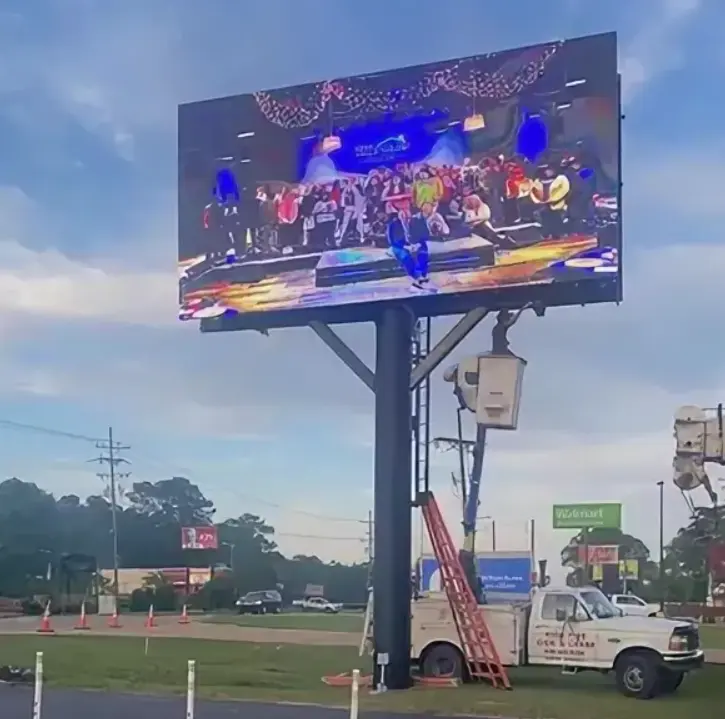
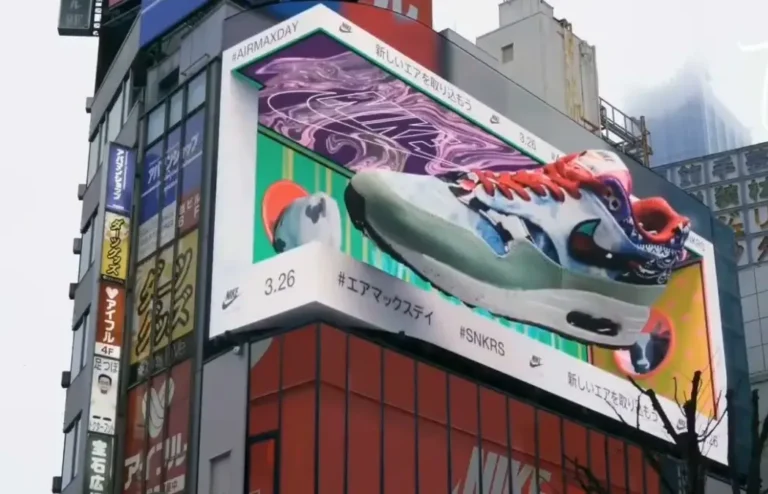
Belongs to large landmark-level outdoor billboards or stadium main screens.
- P6 – P10 specifications: Basic hardware cost usually starts from $120,000, and high-end customized projects (such as ultra-high refresh rate or energy-saving models) may exceed $250,000.
Engineering Note:
About 70% of price differences come from pixel pitch and the packaging quality of the core LED lamp beads. For B2B decision-making, understanding the technical premium logic behind this is far more economically meaningful than simply comparing quotes.
Dimension Analysis: Understanding Physical Properties and Engineering Differences of 8×12
Before cost accounting, the first task is to clarify the “unit.” In North American and UK markets, 8×12 usually refers to feet, while in large engineering projects in Asia, the Middle East, and Europe, it defaults to meters.
8×12 Feet: Balance Between Mobility and Precision
This size is usually assembled using 500mm x 500mm or 500mm x 1000mm die-cast aluminum cabinets.
Since the area is about 9 square meters, the structural load requirements are relatively low. The core cost focuses on achieving close-viewing clarity through smaller pixel pitches (such as P2 level).
8×12 Meters: Structural Safety and Environmental Adaptability
When the size expands to 96 square meters, the engineering focus shifts to wind load resistance, heat dissipation efficiency, and power distribution systems.
Based on long-term monitoring data from Shenzhen smart manufacturing bases on ultra-large projects, the peak hourly power consumption of such screens must be distributed through professional power distribution cabinets. Structural installation costs often account for 20%–35% of the total project budget.
Core Cost Structure Analysis of LED Screens in 2026
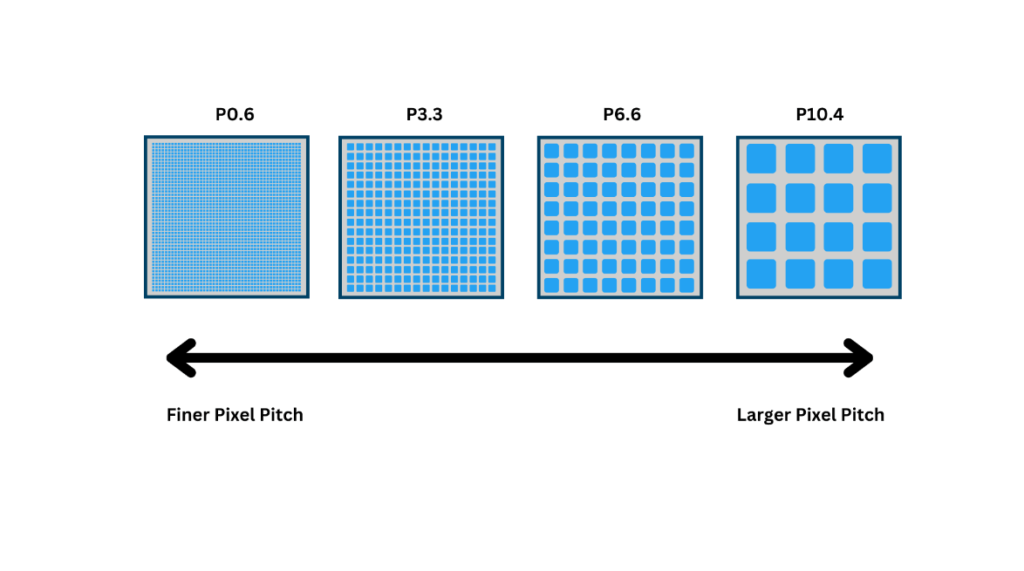
To evaluate the price rationality of an 8×12 screen, its technical components must be deconstructed. The following is a standardized cost weighting based on a 15,000㎡ large-scale factory production line:
Pixel Pitch and Resolution (Weight: 45%)
The smaller the pixel pitch, the number of LED beads per square meter increases exponentially.
For example, switching from P10 to P5 increases LED bead density by 4 times.
Information Gain:
According to real measurements from over 6,000 global delivery projects, for an outdoor 8×12 meter screen using P8 or above, excellent visual impact can be achieved at 50 meters away. Blindly pursuing P3 or smaller pitches will lead to budget redundancy.
Brightness, Contrast, and Driving IC (Weight: 20%)
Outdoor environments require brightness levels of 5500–7500 nits to withstand direct sunlight.
High-refresh driving ICs (such as 3840Hz or higher) ensure that scanning lines do not appear when captured by mobile devices. This has become a mandatory requirement for high-end advertising projects in 2026.
Environmental Protection and Compliance Certification (Weight: 15%)
To export to more than 100 countries including Europe and the United States, screens must comply with CE, RoHS, FCC, and UL certifications.
These certifications are not just paperwork; they involve internal circuit design, fire resistance material grades (V-0 level), and moisture-proof treatment.
Professional Observation:
Engineering teams with more than 10 years of experience usually recommend using full-aluminum cabinets and full potting processes in coastal or high-temperature/high-humidity regions. Although this increases initial procurement costs by 10%–15%, it can extend equipment lifespan by 3–5 years.
Multi-Dimensional Technical Price Comparison Table (2026 Reference Values)
The following table is based on the 8×12 feet (FT) standard, comparing typical technical configurations and cost ranges under different application environments:
| Technical Indicator | Plan A: Indoor Commercial Display | Plan B: Outdoor Rental | Plan C: High-End Digital Signage |
|---|---|---|---|
| Typical Pixel Pitch | P2.5 | P3.91 | P4 |
| Pixel Density (dots/㎡) | 160,000 | 65,536 | 62,500 |
| Brightness (Nits) | 800 – 1,200 | 4,500 – 5,500 | 6,500 – 7,500 |
| Cabinet Material | Die-cast aluminum (lightweight) | Die-cast aluminum (impact resistant) | Profile aluminum / iron (high heat dissipation) |
| Protection Level | IP30 | Front IP65 / Rear IP54 | Full IP65 |
| Core Advantage | High color accuracy | Easy installation, modular | Strong sunlight resistance, high durability |
| Estimated Price (8×12 FT) | $8,500 – $14,000 | $13,000 – $19,500 | $18,000 – $28,000 |
Hidden Manufacturing Factors Affecting Price
When evaluating quotations, many buyers ignore the impact of manufacturing “genetics” on pricing.
For example, companies with a 15,000㎡ smart manufacturing base in Shenzhen do not achieve cost advantages through cheap raw materials, but through process consistency.
Automated Encapsulation and Calibration
Through fully automated SMT placement and calibration processes, “color patching” issues in large-scale splicing of 8×12 screens can be effectively solved.
A self-developed color control software can perform chromaticity correction for each module.
If a company has independent software and hardware R&D capabilities, system integration stability will be significantly improved, thereby reducing post-maintenance costs caused by software conflicts.
“Avoidance Value” from Global Project Experience
Based on real-world data from over 6,000 global projects, professional engineering teams will pre-consider local grid fluctuations and climate characteristics when designing 8×12 solutions.
For example, when exporting to North America or Europe, UL-certified power supplies and fire-resistant wiring are mandatory.
This experience-based design can prevent users from facing high insurance claims or legal risks later.
Beyond Panels: Hidden System Integration Costs of 8×12 Projects
In the budget list of an 8×12 LED screen, display panels (LED beads, modules, cabinets) usually account for only 60%–70% of total cost. For engineering-level projects, ignoring system integration costs often leads to budget overruns.
Structural Engineering and Customized Installation
An 8×12 meter large screen weighs several tons.
Based on mechanical monitoring of over 6,000 global delivery projects by Sostron, outdoor brackets must undergo strict wind load calculations.
Technical Detail:
Professional engineering R&D teams design steel structures based on local climates (such as coastal hurricane zones or hot desert regions). This customized design effectively prevents circuit contact failures caused by structural resonance.
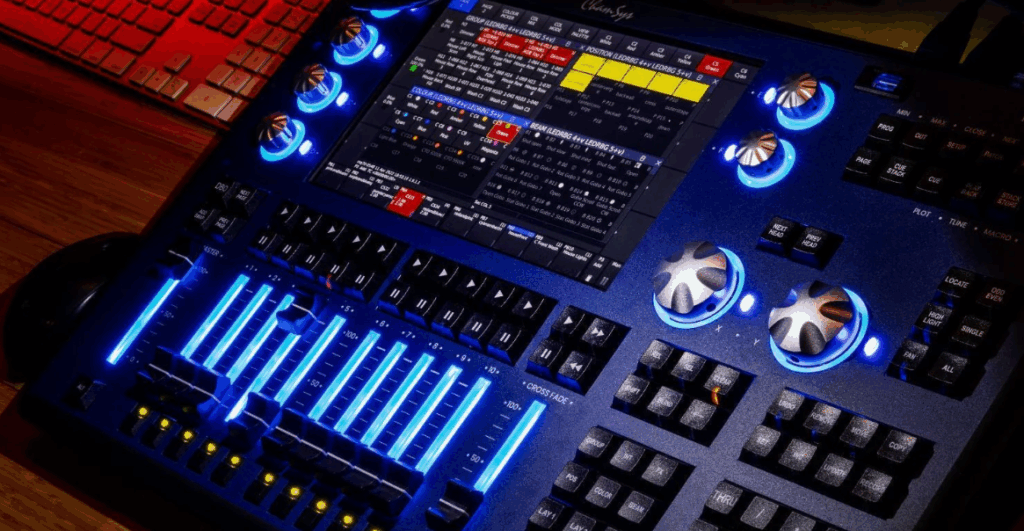
Intelligent Control and Power Distribution Systems
For 8×12 specifications, especially high pixel density screens such as P4 or P6, peak power consumption is significant.
Information Gain:
Power distribution cabinets produced by Shenzhen smart manufacturing bases usually integrate “step-by-step power-on” technology to prevent inrush current from impacting commercial power grids.
This decade+ accumulated expertise is key to reducing long-term operational risks.
Logistics, Customs Clearance, and International Compliance
Practical experience from exports to nearly 100 countries shows that compliance costs vary significantly by region.
Global Compliance Reference:
In Europe, RoHS environmental compliance is mandatory; in North America, UL certification is a prerequisite for insurance approval.
Choosing products with full international certifications (CE/RoHS/FCC/UL) may slightly increase initial customs clearance costs but avoids high penalties for violations.
Energy Efficiency and Long-Term Operating Costs (OPEX)
The price of an 8×12 LED screen is not only reflected in the purchase moment but also in its 5–10 year lifecycle.
Typical Annual Operating Cost Estimation for 8×12 Screens
| Cost Item | Low-Power Energy-Saving Solution (Sostron reference) | Standard Market Solution |
|---|---|---|
| Average Power Consumption (W/㎡) | 180W – 250W | 350W – 500W |
| Annual Electricity Cost (at $0.15/kWh) | ~$3,800 – $5,300 | ~$7,500 – $10,500 |
| Maintenance Frequency | 1.5 times/year | 3–4 times/year |
| Annual Brightness Decay Rate | < 5% | 8% – 12% |
Technical Analysis:
By using independently developed hardware and common cathode driving technology, the operating temperature of the 8×12 screen can be reduced by 10–15°C.
Lower temperature not only reduces cooling power consumption but also directly extends the half-life of LED components.
Real Case Analysis: Global Deployment Performance
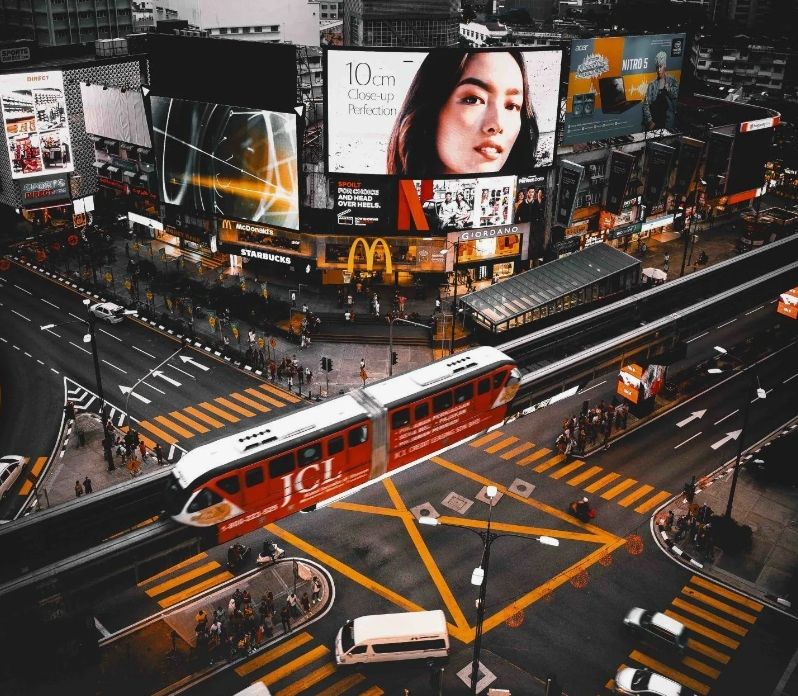
Based on real cases summarized from the Sostron official website, we can observe pricing logic in different engineering environments.
Case: Brazil Outdoor Digital Billboard
Challenge: Extreme high temperature and humidity with high maintenance labor costs.
Technical Solution:
Full aluminum heat dissipation cabinet with full front/rear protection process.
Cost Feedback:
Although P8 pixel cost is moderate, reinforced protection and structural stability made overall engineering cost slightly higher than local averages. However, it achieved zero major hardware failures for 1 consecutive years.
FAQ: Deep Questions About 8×12 LED Screen Pricing
Q1: Why is the price per square meter of an 8×12 feet screen usually higher than an 8×12 meter screen?
A: This is determined by pixel density.
8×12 feet screens are used for close viewing and usually adopt P2 or P3 pitches, containing tens of thousands or even over 100,000 LED beads per square meter.
In contrast, 8×12 meter screens usually use P8 or P10, with much lower bead density.
In the LED industry, LED bead quantity is the most critical factor determining material cost (BOM).
Q2: How to calculate daily operating cost of an 8×12 LED screen?
A: Formula:
Total area (㎡) × average power consumption (kW/㎡) × daily operating hours × local electricity price.
By adopting Sostron’s energy-saving driver solution, average power consumption can be controlled below 250W/㎡, providing excellent ROI under 2026 electricity conditions.
Q3: Is a second-hand or ultra-low-cost 8×12 screen worth investing in?
A: Engineers advise caution.
The core value of LED lies in brightness consistency and wavelength concentration. Low-cost products often use outdated chips or non-standard power supplies, which may cause “screen defects” or local color deviation after 6–12 months.
Repair parts are often not traceable.
Q4: Does installing this size of screen require a special permit?
A: Yes.
For 8×12 meter large installations, structural engineers (PE) certified by third parties are usually required to sign and stamp.
Suppliers with experience in exporting to nearly 100 countries can provide compliant structural data to help accelerate government approval processes.
Summary and Decision-Making Recommendations
The price of an 8×12 LED screen is jointly determined by technical specifications, manufacturing processes, and service guarantees. In the 2026 procurement environment, simple price comparison is no longer sufficient.
Beginner Strategy:
Focus on matching pixel pitch with brightness requirements to avoid paying for unnecessary performance.
Professional Procurement Strategy:
Deeply evaluate the supplier’s manufacturing foundation (such as a 15,000㎡ production base) and technical accumulation (such as 10+ years of R&D data), prioritizing complete system solutions with global certification qualifications.
References:
IEEE Standards Association – LED Display Technology Standards