What is P3? What is Its Benchmark Price?

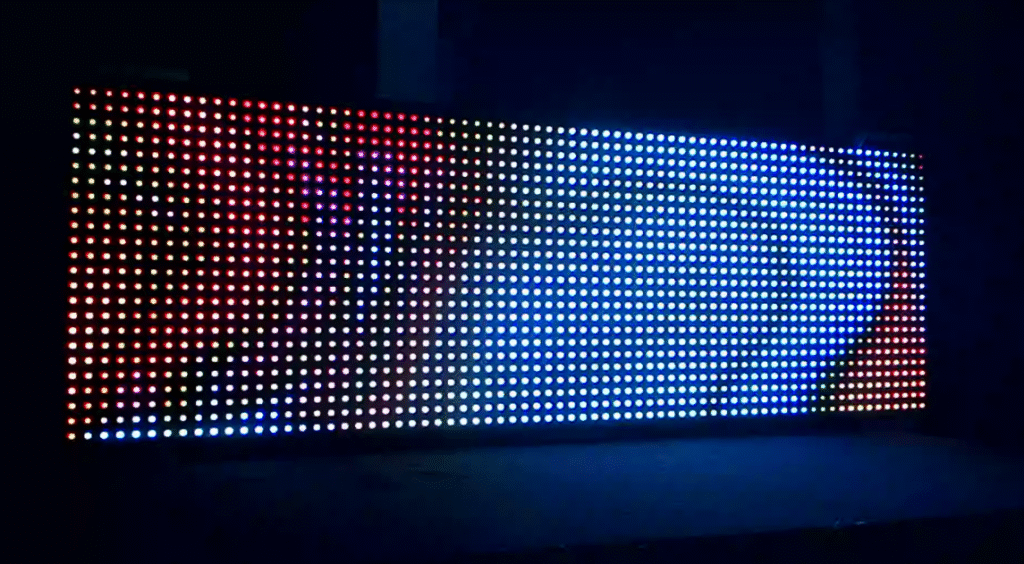
The “P” in “P3” stands for Pixel Pitch, and “3” represents 3 millimeters. This means the physical distance between the centers of two adjacent LED pixels (lamp beads) on the screen is precisely 3mm. In LED display technology, the smaller the pixel pitch, the higher the pixel density per unit area, and the higher the image resolution. For P3 screens, the optimal viewing distance is typically 3 meters (approximately 10 feet) or more.
Regarding budget, the cost of LED bare panels mainly depends on the application environment (indoor or outdoor), which determines requirements for brightness, protection level, and weather-resistant materials. The following are industry benchmark data for 2026 based on global supply chain maturity:
Table 1: Global P3 LED Screen Core Parameters and Benchmark Budget Comparison Matrix
| Application Scenario | Physical Pitch | Peak Brightness (Nits) | IP Rating | Panel Material & Process | Industry Benchmark Price (Per sqm)* | Core Cost Drivers |
|---|---|---|---|---|---|---|
| Pure Indoor Environment | 3.0mm | 800–1200 | IP30/IP31 | Standard die-cast aluminum / profile aluminum | $600–$1,200 | Driver IC refresh rate, LED packaging (gold/copper wire) |
| Full Outdoor Environment | 3.0mm | 5,000–7,000 | IP65/IP68 | Sealed die-cast aluminum + full potting UV protection | $1,500–$2,500 | High-efficiency LED chips, aerospace-grade waterproof heat dissipation design |
(Note: The above are average estimates for high-quality commercial-grade bare panels only, excluding steel structure, control systems, transportation, and installation labor. Extremely low-cost products usually achieve pricing by sacrificing grayscale, refresh rate, or using refurbished LEDs, and are not included in this engineering-level discussion.)
Core Conclusion: Outdoor P3 displays must withstand extreme climates and provide sunlight-readable brightness, so their hardware manufacturing cost is typically double or more than indoor P3.
Technical Analysis: What is P3 in LED Screen?
Before understanding any quotation, a deep understanding of P3 technical indicators is the only way to evaluate cost performance.
The Physical Meaning of “P” and Resolution Density
A P3 screen contains approximately 111,111 pixels per square meter (calculation formula: 1000/3 × 1000/3). Under current SMD (Surface Mounted Device) packaging technology, P3 is widely recognized as the “golden balance point” of cost-performance. It avoids the high manufacturing yield cost of ultra-fine pitch like P1.5 while providing a more refined visual experience than P4 or P5.
How to Scientifically Evaluate the Optimal Viewing Distance of P3?
In optoelectronic engineering, we typically use a simple empirical formula to calculate the optimal viewing range of LED screens:
Minimum viewing distance (m) = pixel pitch (mm) / 0.8
Optimal viewing distance (m) = pixel pitch (mm) / 0.3
Substituting P3 data, the visual comfort range is 3.75 meters to 10 meters. Within this range, the human retina cannot distinguish individual LED pixels, and the brain automatically blends them into a smooth, seamless high-definition image.
Cost Breakdown: What is the Price of P3 Indoor LED Screen?
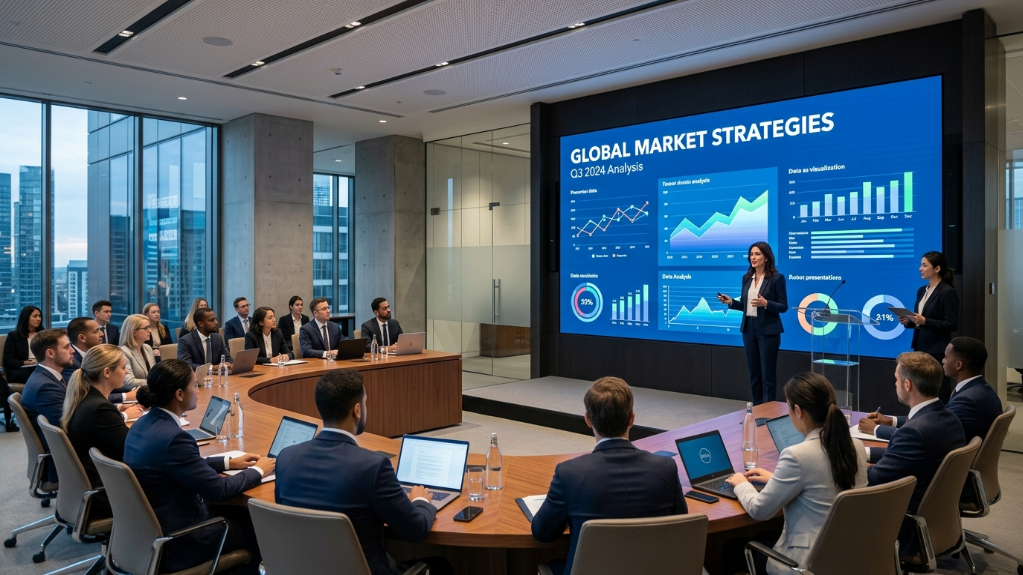
Many users are confused when purchasing indoor P3 screens: why does Supplier A quote $600/㎡, while Supplier B quotes $1100/㎡? This is not simply brand premium but hardware differences hidden in the BOM (Bill of Materials).
LED Packaging and Wire Material (Copper vs Gold Wire)
LED beads are the largest cost component of LED screens. Inside SMD packages, the wire connecting the LED chip to pins directly determines lifespan and price.
- Copper wire packaging: lower cost, suitable for projects with limited budgets and short daily usage (<8 hours). However, copper oxidizes easily under high temperatures, posing long-term dead pixel risks.
- Gold wire packaging: gold has excellent ductility, oxidation resistance, and high thermal conductivity. Although initial cost increases by about 15%–20%, it significantly delays light decay and is standard for 24/7 operation projects.
Driver IC and Refresh Rate
Refresh rate refers to how many times the screen redraws the image per second. Standard indoor P3 screens typically use 1920Hz, which is sufficient for human viewing.
However, for TV studios, large events, or scenarios involving camera shooting, 3840Hz (or higher) is required. Otherwise, severe moiré or scan lines will appear on camera.
Achieving 3840Hz without sacrificing grayscale requires highly advanced control algorithms. Manufacturers with independent R&D teams optimize PWM (Pulse Width Modulation) chip coordination, but this increases circuit design and component costs.
Cabinet Material and Processing Precision
Traditional steel cabinets or simple aluminum profiles are cheaper but heavier and less precise. Modern high-end indoor P3 screens use die-cast aluminum cabinets.
Under advanced manufacturing standards (such as fully automated SMT lines and CNC precision machining centers), cabinet assembly tolerance can be controlled to <0.1mm.
Technical Example Reference:
Industry-standard indoor P3 die-cast panels are typically modular at 500mm × 500mm, with a single cabinet weighing about 7kg. This high-precision, lightweight design ensures seamless visual integration and significantly reduces installation labor and steel structure costs.
Outdoor Extremes: What is the Cost of P3 Outdoor LED Display?
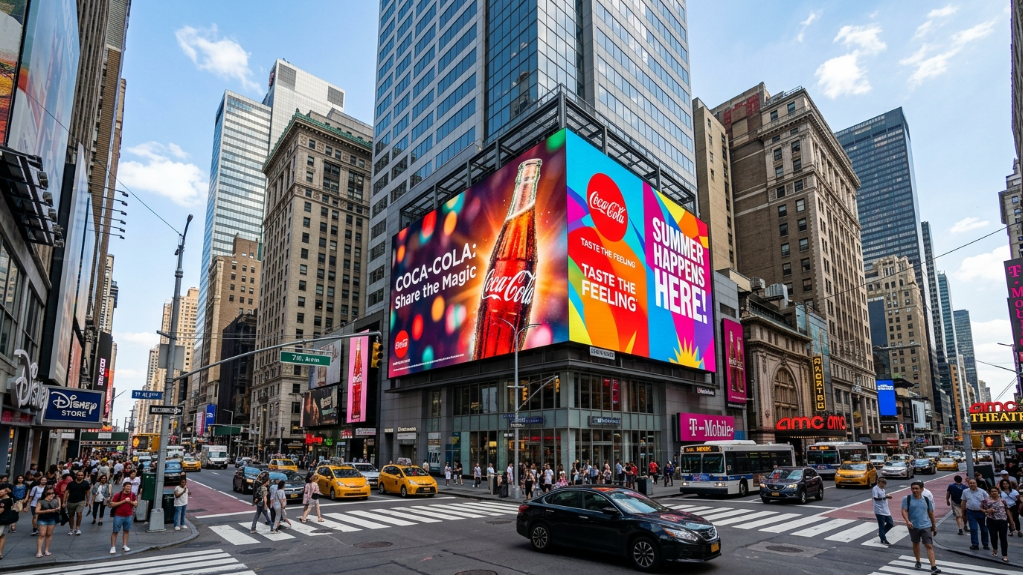
Moving a P3 screen from a controlled indoor environment to outdoor exposure under rain and sunlight requires a complete upgrade in materials and structural engineering.
Outdoor P3 costs are typically 40%–60% higher than indoor, or even more. This is not profit markup but a result of physical requirements. About $1,500 – $2,500 per sqm.
Brightness and Protection: Core Drivers of Outdoor Premium
To combat direct sunlight, outdoor P3 brightness must increase from 1000 Nits to 5000–7000 Nits.
- High-efficiency LED chips: higher brightness requires larger, more efficient chips, increasing BOM cost.
- Military-grade protection: outdoor screens must meet IP65/IP68 standards. Front modules require UV-resistant waterproof potting, while the back needs conformal coating. These processes and materials are not required for indoor screens.
Environmental Adaptation Costs in Global Deployment
Insight: The climate of your project location determines the final hardware budget.
Comparing only factory prices is meaningless. Based on global deployment data:
- Middle East (extreme heat): requires high-temperature power supplies (>60°C) and industrial cooling fans.
- Northern Europe/North America (extreme cold/salt fog): requires low-temperature startup power and anti-corrosion cabinets.
Engineering Rule: Climate-specific redundancy design typically increases hardware cost by about 15%.
Hidden Budget Beyond Screen Price
Many buyers mistakenly equate “screen price” with “project cost.” In reality, a complete system requires additional budgets.
Control System and Signal Processing
- Sending cards and receiving cards (e.g., high-end systems like Novastar)
- Video processors for signal switching and scaling
Costs range from hundreds to thousands of dollars depending on requirements.
Compliance Certification Impact
Projects in Europe and North America must meet certifications such as CE, RoHS, FCC, and UL.
Certified products cost more due to testing and upgraded materials (low-radiation PCBs, flame-retardant plastics, shielded cables).
Industry Fact: Non-certified products risk customs seizure and failure in local inspections.
Real Project Analysis: Total Cost of Ownership (TCO)
Case Background:
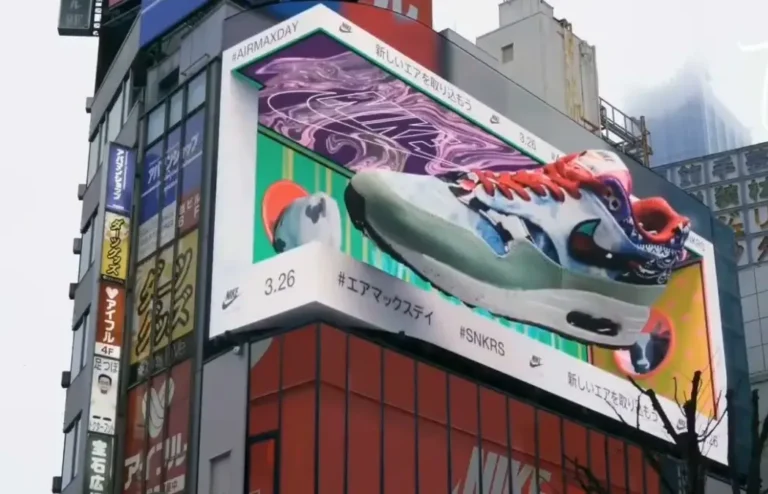
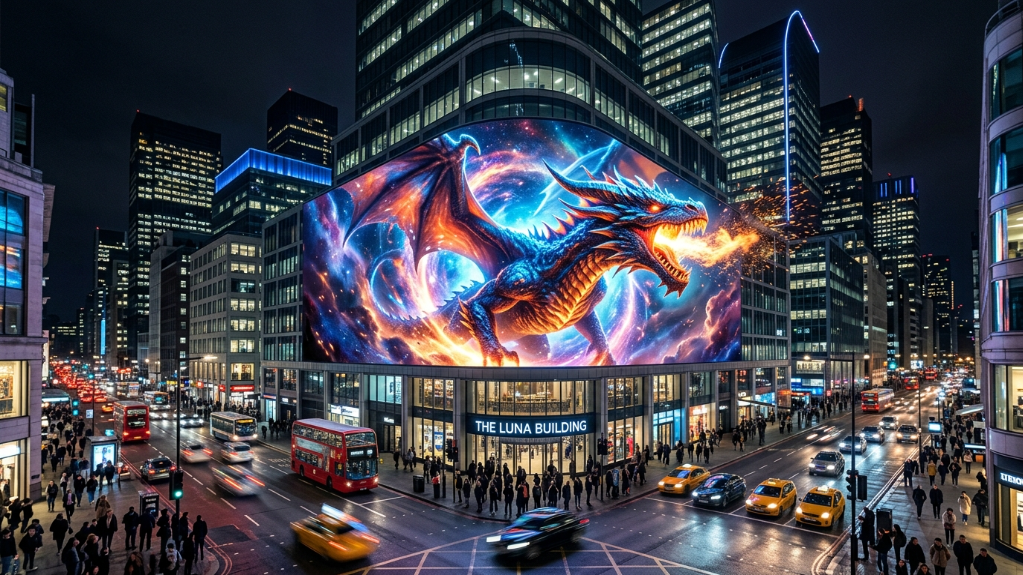
50㎡ outdoor P3 naked-eye 3D billboard
Technical Challenges:
- 90-degree seamless corner
- High brightness under sunlight
- Coastal wind and salt exposure
Table 2: 50㎡ Outdoor P3 Project TCO Model
| Cost Module | Budget Share | Engineering Notes |
|---|---|---|
| LED Screen Hardware | 45%–55% | Custom corner cabinets, high-brightness LEDs, high refresh IC |
| Control System | 5%–8% | Redundant systems, light sensors |
| Steel Structure | 15%–25% | Wind-resistant frame, cooling system |
| Power System | 8%–12% | Industrial distribution, lightning protection |
| Installation & Logistics | 10%–15% | Shipping, crane, labor |
Engineer FAQ
Q1: Power Consumption per Square Meter?
Indoor:
- Max: 400–600W/㎡
- Average: 150–200W/㎡
Outdoor:
- Max: 800–1000W/㎡
- Average: 300–400W/㎡
Energy-saving designs can reduce consumption by ~20%.
Q2: Can Indoor P3 Be Used in Semi-Outdoor Glass Windows?
Not recommended. Indoor brightness (≤1200 Nits) cannot compete with sunlight. Use ≥2500 Nits high-brightness indoor or semi-outdoor models.
Q3: Lifespan of P3 LED Screens?
Theoretical: 100,000 hours (~11.4 years)
Effective lifespan: 5–7 years with >70% brightness retention under continuous operation.
Q4: Installation Time?
For a 10㎡ indoor screen, two engineers can complete installation and testing within 4–6 hours if the structure is ready.
Final Professional Recommendation
As a highly customized optoelectronic engineering project, evaluating P3 LED screen pricing must go beyond “price per square meter.”
Professional Advice: Shift focus to Total Cost of Ownership (TCO). Evaluate supplier R&D capability, certification standards, and proven performance in extreme environments.
An additional 15% investment in gold wire LEDs, high-refresh ICs, and redundant power systems upfront can save hundreds or even thousands of hours in future maintenance and downtime.
References:
Human Visual Perception & LED Brightness
International Electrotechnical Commission (IEC)