Table of Contents
ToggleIn the 2026 high-definition display market, P1.5 pixel pitch has become the “gold standard” for corporate boardrooms, command centers, and premium retail spaces.
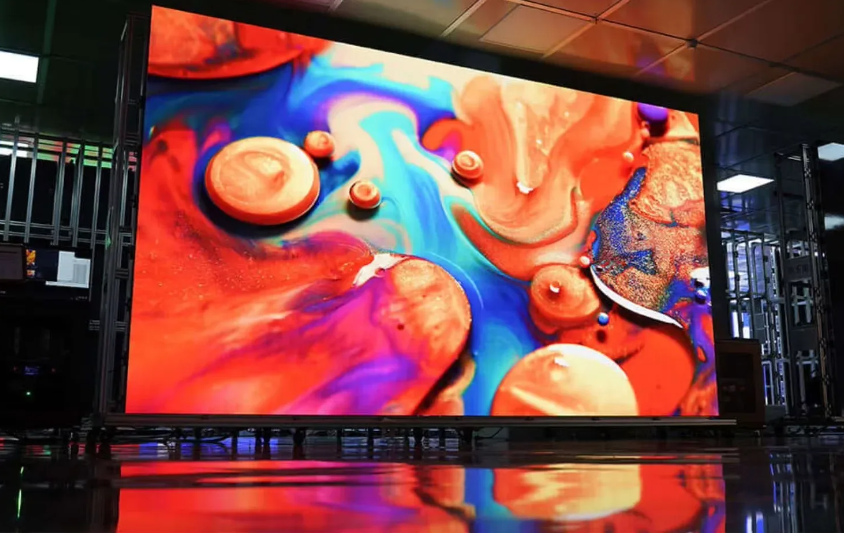
If pricing is your top concern, the table below summarizes the latest supply chain cost benchmarks.
2026 P1.5 Indoor LED Display Core Price Reference
| Configuration Level | Core Components (LED / IC / Cabinet) | Estimated Unit Price (USD/sqm) | Typical Applications |
|---|---|---|---|
| Economic (Standard) | Domestic LEDs + Standard Refresh IC + Steel / Die-Cast Aluminum Cabinet | $1,200 – $1,800 | Mall advertising, standard meeting rooms |
| Professional (Pro) | Gold-wire LEDs + High-refresh Driver IC + Ultra-slim Die-Cast Aluminum Cabinet | $1,900 – $2,800 | Broadcast studios, monitoring centers |
| Flagship (Elite) | GOB/COB Packaging + 7680Hz Refresh + Energy-Saving Common Cathode | $3,000 – $4,500+ | XR virtual production, luxury flagship stores |
Note: Prices above reflect screen panels only. They do not include control systems, structural installation, or logistics costs.
For event production procurement managers or export factory owners, chasing the “lowest price per square meter” often leads to higher maintenance costs and frequent dead pixels later on.
Based on Sostron’s 14 years of global project delivery experience, the initial purchase cost of a P1.5 screen typically accounts for only 65% of its five-year Total Cost of Ownership (TCO). The remaining 35% is hidden in power consumption, thermal lifespan, and after-sales support.
As a national high-tech enterprise operating a 15,000㎡ smart manufacturing base and a 4,000㎡ R&D center, Sostron has witnessed too many “black screen incidents” caused by price-driven compromises.
Let’s break down the pricing logic of the 2026 P1.5 market.
Five Key Technical Dimensions That Determine P1.5 Pricing
In 2026, pricing is no longer determined by pixel pitch alone. The following four technical variables can easily double the price difference.
Packaging Evolution: SMD vs. GOB vs. COB
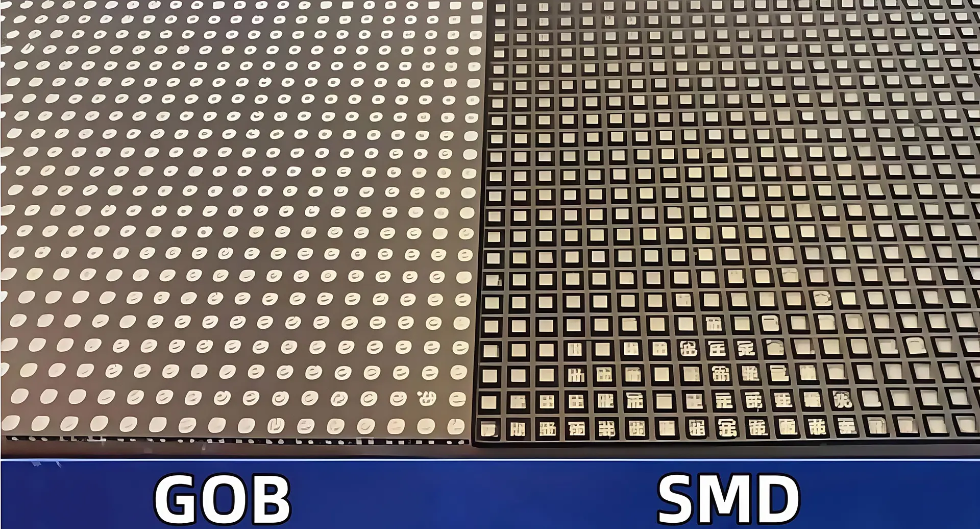
Traditional SMD packaging offers transparent pricing but can suffer from LED drop-off or moisture issues at the P1.5 level.
GOB (Glue on Board)
Adds a high-transparency protective resin layer over SMD modules.
Typically costs 15%–20% more than standard SMD, but significantly reduces dead pixel rates. Ideal for high-traffic commercial environments.
COB (Chip on Board)
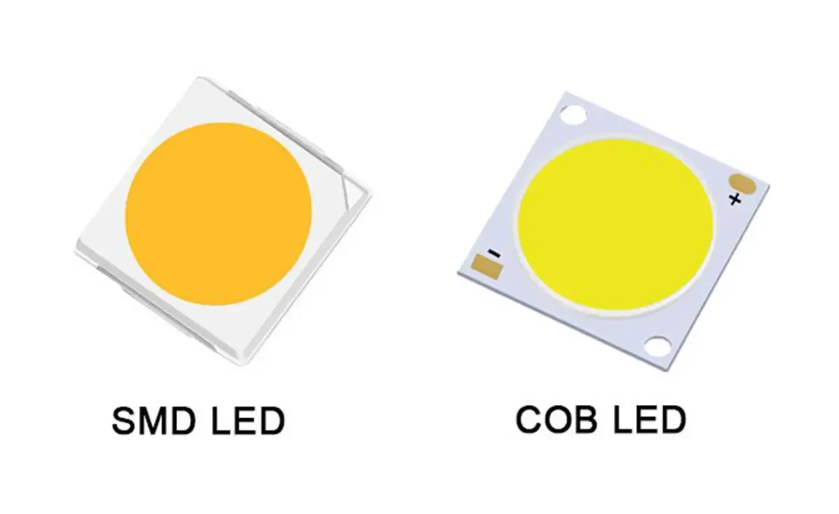
The premium 2026 choice. Eliminates bracket structures, provides dustproof and waterproof protection, and delivers softer visual output.
Although priced at the high end, it is the preferred solution for “zero-failure” environments such as government command centers. Take you through SMD, COB and GOB LED packaging: main differences and best applications.
Driver IC & Refresh Rate: 3840Hz or 7680Hz?
From our project experience, production companies and manufacturing engineers demand ultra-smooth visuals.
-
3840Hz: Suitable for standard human viewing and static display scenarios.
-
7680Hz: The flagship standard in 2026. When paired with high-performance driver ICs, it eliminates scan lines under smartphone cameras—essential for XR stages and high-end conferences.
This configuration difference typically creates a $200–$400 per sqm price gap.
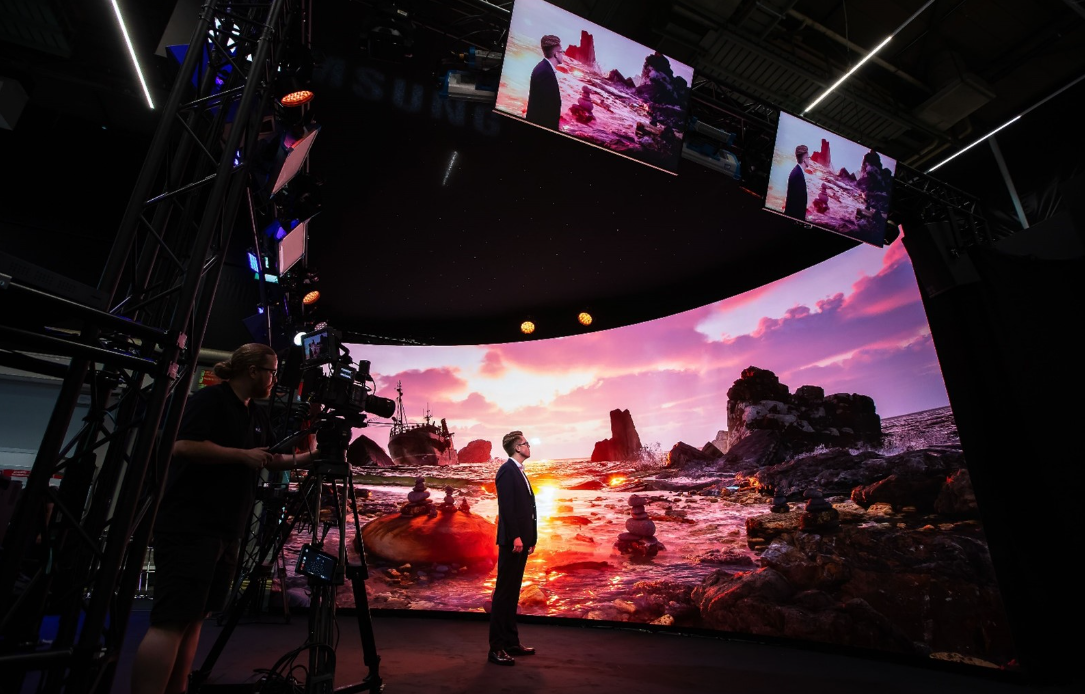
- Camera Flicker: Visible black bars (rolling shutter effect) when filmed.
- Content Loss: Fast-moving content may appear blurry or tearing.
- Not Broadcast Ready: Unsuitable for professional live streaming or TV.
- Flicker-Free: Crystal clear image on all cameras (1/2000s+ shutter speed).
- Smooth Motion: Perfect for fast video playback and sports.
- XR Ready (7680Hz): Essential for virtual production and XR studios.
Cabinet Materials & Industrial Design
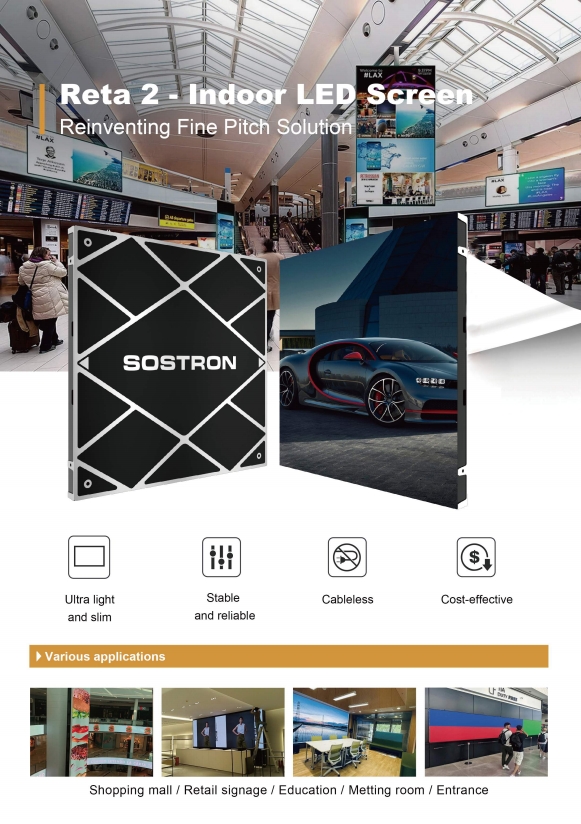
Take Sostron’s Reta 2 Series as an example. With a thickness of just 30mm and full die-cast aluminum construction, it is significantly slimmer than older, bulkier cabinets.
While material costs are higher, ultra-thin designs:
-
Save 30% installation space
-
Reduce labor costs
-
Improve structural precision
Energy-Saving Technology (Common Cathode)
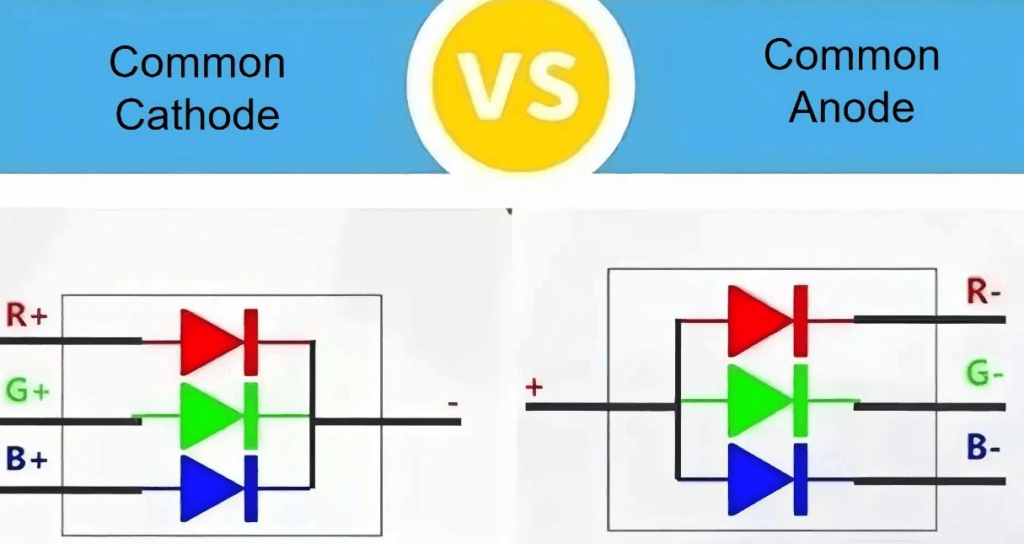
Global carbon neutrality policies in 2026 directly influence product premiums.
Common cathode P1.5 displays may cost 10% more upfront, but reduce operating power consumption by 30%–50%.
For large, long-term installations, this difference typically pays for itself within 18 months through energy savings alone.
Avoiding the Trap: Why “Low-Price” P1.5 Screens Can Be a Financial Risk
If you’re an export factory owner or procurement manager, you’ve likely received quotes far below market average. Based on Sostron’s 14 years in the industry, watch for these hidden downgrades:
Copper Wire Instead of Gold Wire
Internal LED bonding wires switched from gold to copper.
Initial brightness looks identical—but failure rates rise dramatically within 6–12 months.
Refurbished or Mixed Driver ICs
Some non-certified manufacturers use inconsistent IC batches, causing uneven color performance.
Low-Quality Power Supplies
Uncertified power units increase noise and pose fire hazards.
According to TrendForce 2025–2026 industry research, global small-pitch display projects incur secondary installation costs averaging 45% of the original purchase price due to quality failures.
Choosing a certified national high-tech manufacturer like Sostron is essentially buying investment insurance.
Breaking Down the Total Budget: What Else Are You Paying For?
In 2026 projects, the LED panel itself usually accounts for only 60%–70% of the total investment.
Here are the hidden costs you must include:
Control System & Video Processor (The Brain)
P1.5 belongs to the ultra-HD category, often involving 4K or even 8K resolution.
Sending Box / Control Card
Mainstream systems in 2026 include Novastar (Nova Cloud) and Colorlight high-end series with HDR10 and 22bit+ support.
Cost depends on total pixel count.
Video Processor
For multi-signal switching (video conferencing + monitoring split-screen), expect a budget of $800 – $2,500.
Structural Installation & Accessories (The Skeleton)
Wall Mount vs. Floor Structure
Flatness tolerance must remain within 0.1mm.
High-precision die-cast aluminum structures cost 15% more than traditional steel but ensure seamless visuals.
Cables & Power Distribution Cabinets
Includes long-distance fiber optics, high-capacity power cables, and surge-protected distribution cabinets.
Logistics & Customs
P1.5 is a precision electronic product requiring vacuum shockproof wooden crates or flight cases.
Given volatile sea and air freight rates in 2026, reserve 5%–8% buffer in your logistics budget.
Typical Budget Allocation Example (15㎡ Project)
| Budget Item | Percentage | Key Notes |
|---|---|---|
| P1.5 LED Panels | 65% | Choose gold-wire LEDs to reduce after-sales cost |
| Control System & Processor | 12% | 4K/8K capability is critical |
| Installation Structure & Materials | 8% | Determines final flatness |
| Logistics, Insurance & Duties | 10% | Varies by destination |
| Labor & Spare Modules | 5% | Recommend 3%–5% spare modules |
Flagship Choice: How Sostron Reta 2 Defines 2026 Commercial Standards
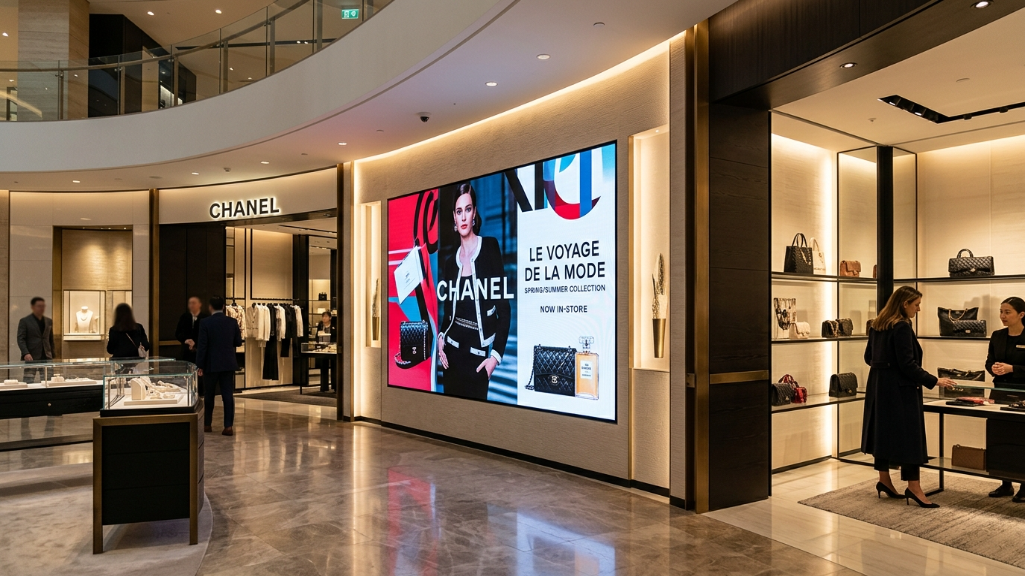
For premium meeting rooms and luxury retail environments, Sostron’s Reta 2 Ultra-Thin Small-Pitch Indoor Series has become a market benchmark.
Core Advantages
Extreme Aesthetics
30mm cabinet thickness—half the industry average.
Installs flush to the wall like artwork, no bulky maintenance corridor required.
Cableless Design
Hidden internal connections eliminate external wiring, improving transmission stability and preventing signal flicker from cable aging.
Smart CMS Monitoring
Cloud-based fault warning system.
If a module shows dead pixels or abnormal temperature, maintenance staff receive automatic alerts.
From a manufacturing engineer’s perspective, the fully front-serviceable design reduces repair time by 80%.
Using a magnetic tool, a module can be replaced in just 5 seconds—critical for non-stop monitoring centers.
Global Case Studies
Case 1: Mexico City High-End Business Center (Upgrade from P2.5)
Background:
Originally planned for P2.5, but upgraded to P1.5 after realizing its superior visual impact enhanced brand positioning.
Challenge:
Mexico’s fluctuating climate created thermal challenges.
Solution:
Storm Plus Indoor Series with high-flatness die-cast aluminum cabinet and energy-saving IC.
Result: 22% annual electricity cost reduction.
Case 2: Malaysia Multinational Headquarters (P1.5 Conference Room)
Application:
160-inch ultra-wide display for 4K video conferencing and data visualization.
Highlight:
Integrated control system enables one-click wireless screen casting from mobile devices.
Client feedback:
“This is the smartest display we’ve ever purchased. The 7680Hz refresh rate makes video calls look face-to-face.”
2026 Procurement Strategy: Factory vs. Trading Company
If you are an export factory owner or production company buyer, sourcing directly from a 15,000㎡ manufacturing base like Sostron can save at least 20% in intermediary costs.
Three Factory Audit Standards
-
R&D Investment
Does the company operate an independent R&D center (like Sostron’s 4,000㎡ department)?
Only self-developed systems can support 5-year firmware updates. -
Quality Certifications
In 2026, CE/RoHS alone is insufficient.
National high-tech enterprise certification and provincial precision manufacturing credentials indicate long-term reliability. -
Aging Test Standards
Ask whether the supplier performs 72+ hours full-brightness aging tests.
Low-cost traders often compress testing to 12 hours to speed shipments.
FAQ
Q1: What’s the price difference between P1.5 and P1.2? Is upgrading worth it?
Under identical configurations, P1.2 typically costs 40%–60% more than P1.5.
If viewing distance exceeds 2.5 meters, P1.5 offers the best value.
For viewing within 1.5 meters, consider P1.2.
Q2: Why do similar P1.5 screens show different brightness decay rates?
The difference lies in packaging process and driving current.
Sostron uses large-size chips that achieve high brightness under low current, extending LED lifespan to 100,000 hours.
Q3: How can I obtain the most accurate 2026 P1.5 quotation?
Provide three key parameters:
-
Net screen dimensions
-
Installation method (wall-mounted, floor-standing, suspended)
-
Content resolution requirements
Conclusion: Borderless Vision, Value First
In 2026, purchasing a P1.5 indoor HD LED video wall is no longer a one-time expense—it is a long-term asset investment.
With 14 years of industry experience, Sostron delivers more than hardware. We provide integrated visual solutions built on stability, superior color performance, and energy-efficient operation.
Contact Sostron engineers today to receive your customized P1.5 cost-optimization plan and the latest quotation.

About SoStron
Marketing Strategic Director at Sostron