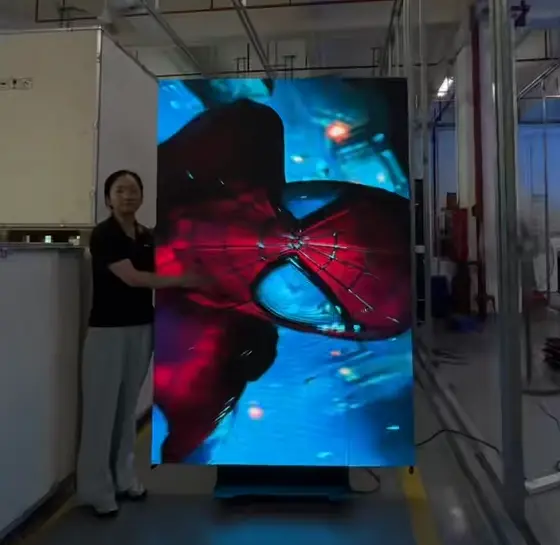
In the modern commercial display field, a P3.91 outdoor screen is not just a product to be compared via supplier PPTs based on the lowest price; it is the absolute hub connecting cutting-edge optoelectronic engineering with high commercial profits.
P3.91 Outdoor High-Definition Screen Market Reference Price (USD)
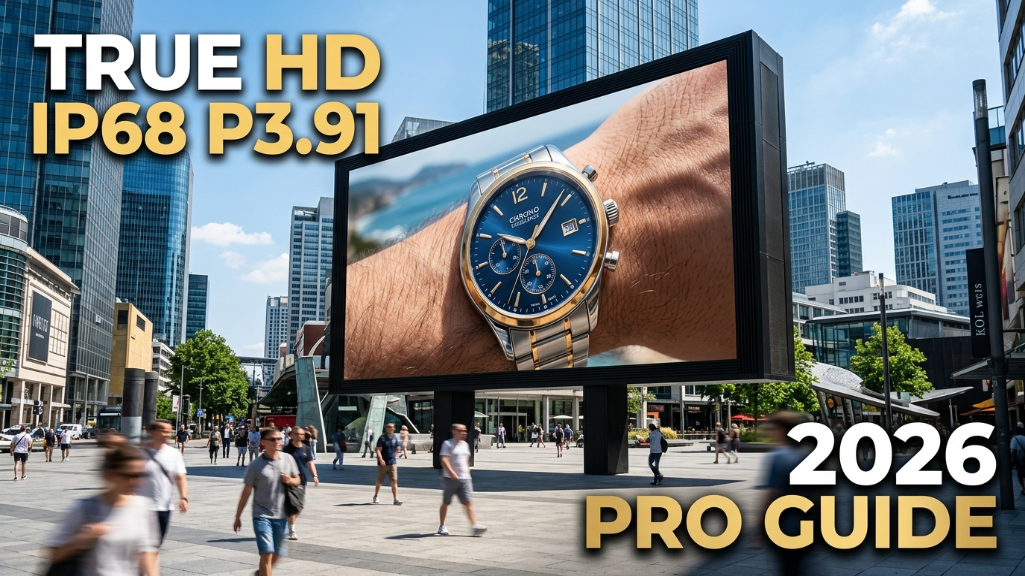
The following are the 2026 reference estimates for P3.91 outdoor screens per square meter (sqm) based on the global supply chain system:
| Configuration Level | Core Specifications (P3.91 Outdoor) | Estimated Price (USD/m²) | Application Scenarios |
| Entry-Level (Volume) | Copper wire LED / Standard Driver IC / Simple sheet metal cabinet | $390 – $490 | Temporary stages, short-term promotions, budget-sensitive projects |
| Standard (Mainstream) | Copper wire LED / High refresh IC / Die-cast aluminum cabinet | $530 – $670 | Regular commercial facades, real estate project displays |
| Elite (Combat-Ready) | Gold wire LED / Top-tier high refresh IC / Full die-cast aluminum process | $770 – $1,200 | Luxury landmarks, flagship store facades, core business districts |
| Flagship (Top-Tier) | Energy-saving cold screen tech / 5000+ nits brightness / 5-year warranty | $1,300+ | Municipal core landmarks, high-end digital art installations |
Professional Note:
FOB Price Basis: The above prices are factory or offshore reference prices, excluding international freight, customs clearance taxes, and destination installation costs.
Premium Logic: A “truly combat-ready” screen (Elite level and above) costs about 40% – 60% more initially than entry-level options. however, it features slower light decay and lower maintenance frequency, ensuring commercial visual performance remains uncompromised for 3-5 years. It is a hub-level asset that creates long-term premium value for customers.
To help global system integrators, DOOH advertisers, and rental equipment suppliers see the “hole cards,” we define the core technical benchmarks of this “Outdoor All-Rounder” directly with data:
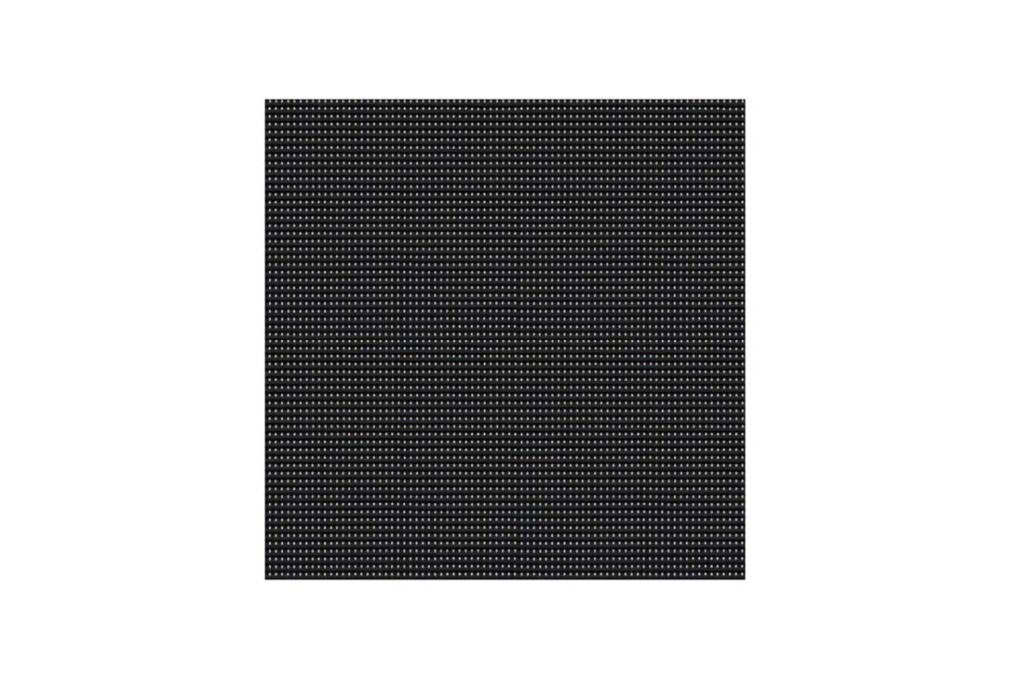
Core Engineering Indicators and Business Benefits
| Physical Parameters / Technical Standards | Direct Commercial Value (Business Benefit) |
| Pixel pitch P3.91 (3.91mm) | Balances 4-10m close-range HD with shocking long-distance viewing from 100m away; ideal for all medium-to-close outdoor projects. |
| Up to 10,000 nits extreme brightness | Completely ignores direct noon sunlight, prevents graying out, and ensures top-tier advertising exposure 24/7. |
| IP65/IP68 waterproof rating | Fearless against storms or coastal salt spray; achieves hardcore physical defense for 7x24h zero-downtime operation. |
| Aviation-grade Die-cast aluminum cabinet | Extremely high flatness and excellent thermal conductivity; meets seamless splicing and rapid assembly/disassembly needs for rentals. |
The Cost of Compromise: Learning from Fatal Engineering Mistakes
Countless engineering contractors and event planning companies have stumbled over low-quality screens. To save 20% of the initial budget, they purchased “pseudo-outdoor screens” with substandard protection. The result? Mass LED failure and blackouts during the first rainstorm. Under continuous high-temperature exposure, inferior encapsulation leads to severe Light degradation within three months, resulting in mottled images. Advertisers refuse final payments, and tens of thousands of dollars in investment turn into scrap metal.
Based on our experience with deploying outdoor landmarks and large-scale Touring stages in over 90 countries, compromising on high protection and high image quality is the murder of project ROI. According to DOOH Industry Data, a digital large screen that resists extreme weather with superior image quality has a lifecycle advertising premium capability more than 3 times that of traditional low-end screens. Today, we will deconstruct the core technical principles of the P3.91 outdoor screen to reveal the engineering truth behind high profit margins.
Why P3.91 Became the “Golden Standard” for Outdoor HD Digital Screens and Stage Rentals?
In the vast sea of LED display parameters, the number “3.91” was not born randomly. It is the optimal solution where optical physics laws meet manufacturing yield in outdoor scenarios.
Physics of Pixel Pitch: Extreme Visual Experience at 4 to 10 Meters
In engineering, resolution and viewing distance are strictly bound. Pixel pitch P3.91 means the absolute physical distance between the centers of two adjacent pixels is 3.91mm.
-
Feature: Within one square meter, it densely packs up to 65,536 independent pixels.
-
Benefit: This provides an extreme Viewing distance of approximately 4 to 10 meters. For DOOH advertising boards in pedestrian streets or near low-speed lanes, or stage side screens at music festivals, this distance is exactly where high-net-worth audiences focus. At this range, the human eye cannot perceive pixel graininess, delivering HD quality as fine as print.
The Best Gambit Between HD Quality and Procurement Cost: P3.91 vs. P4.81 and P3.0
System integrators often hesitate between P3.91, P4.81, and smaller P2.9/P3.0. Let’s look at it from an engineer’s perspective:
-
P4.81 was once the king of outdoor rentals, but with only 43,264 pixels per sqm, it shows obvious graininess and “mosaic effects” within 5 meters—it is being phased out of high-end projects.
-
P2.9/P3.0 outdoor screens are incredibly clear but face massive engineering challenges regarding LED survival rates in harsh environments. High component density leads to plummeting yields and exponential cost spikes.
-
P3.91 hits the peak of the curve: it offers HD texture that crushes P4.81 while far exceeding micro-pitch screens in cost-efficiency and physical resistance.
Hardcore Deconstruction: How P3.91 Screens Survive Storms and Scorching Sun
To understand why a device claims “all-weather” capability, you must examine its underlying defense logic against nature’s two enemies: invasive water molecules and circuit-melting solar radiation.
Extreme Defense: IP65/IP68 Waterproofing and Die-cast Aluminum Sealing
Don’t believe lies about waterproofing based on cheap conformal coating. A true IP65/IP68 waterproof rating is a combination of mechanical mechanics and polymer science.
-
Feature: Top-tier P3.91 screens use high-precision CNC-carved Die-cast aluminum cabinets. Unlike sheet metal, die-cast aluminum is one-piece, with edge tolerances controlled within 0.1mm. Polymer anti-UV silicone sealing rings are embedded in all gaps.
-
Benefit: When locked with high-strength screws, the silicone rings deform to seal every capillary channel. This means water cannot reach the PCB even during tropical monsoons or corrosive coastal salt spray, effectively zeroing out the risk of catastrophic shorts and costly after-sales claims. Every cabinet undergoes rigorous Waterproof tests before leaving the factory.
Defying Sunlight: High-End SMD Packaging for 10,000 Nits Visibility
In outdoor displays, fighting light with light is the only way. A 4,500-nit screen will wash out under 100,000 Lux noon sunlight.
-
Feature: High-performance P3.91 screens use top-tier SMD (Surface Mount Device) encapsulation. We select large-sized, high-efficiency chips with high-contrast black pins. Flagship products (like Sostron’s ARES series) can burst up to 10,000 nits extreme brightness.
-
Benefit: High brightness paired with deep blacks brings a staggering Contrast ratio. Even in direct westward sun, the image remains sharp and saturated. This saves “ineffective exposure” during noon and allows you to charge premium rates for your digital billboard.
B2B Buyer’s Deep Procurement Guide: Avoiding the Low-Price Trap
To lock in profits over a 7-to-10-year operation period, you must mandate these four technical indicators in your bidding documents:
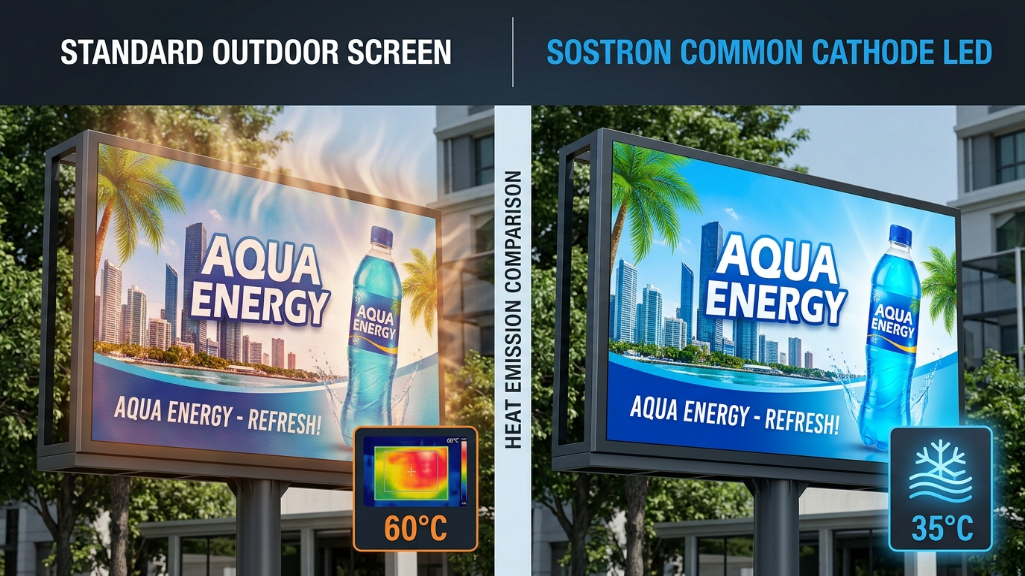
Crushing Electricity Anxiety: Common Cathode Technology
Traditional screens (Common Anode) waste energy by sending a uniform 5V to Red, Green, and Blue chips. Red chips only need 2.8V; the extra 2.2V turns into wasted heat.
-
Technical Solution: Use P3.91 modules with Common Cathode Technology, providing independent power to Red (2.8V) and Blue/Green (3.8V) chips.
-
Result: For a 100sqm DOOH screen, this can save tens of thousands of dollars in electricity annually, shortening the ROI period by nearly one-third.
Defending Post-Profit: Fanless Design and Dual-Maintenance
-
Heat Dissipation: Abandon industrial fans that suck in dust. Use Fanless aluminum profile casings. Die-cast aluminum with aerodynamic fins improves passive cooling efficiency by 300%.
-
Maintenance: Closing roads to fix a screen at 100m height costs thousands. Choose cabinets with Front and rear maintenance designs. A module can be swapped in 30 seconds using a vacuum tool, bringing labor costs near zero.
Rejecting Moire and Scan Lines: 3840Hz-7680Hz High Refresh
For car shows or concerts, screens are filmed by professional cameras. If the refresh rate is below 1920Hz, black scan lines and Moire patterns will ruin the broadcast. Demand a High refresh rate (3840Hz-7680Hz) to ensure broadcast-level quality for live streams. Provide you with a price guide for high refresh rate LED screens: 3840Hz vs 1920Hz.
Reducing Rental Costs: Carbon Fiber and Fast Locks
If you are a rental provider, time is money.
-
Lightweight: Use Carbon fiber technology. While traditional cabinets weigh 12-15kg, carbon fiber/magnesium alloy versions can weigh as little as 5kg.
-
Labor Dividend: With ergonomic Fast locks, a single worker can assemble the screen. In high-labor-cost markets, doubling the assembly speed saves thousands in wages per event.
Lighting Up Landmarks: Top Application Scenarios for P3.91
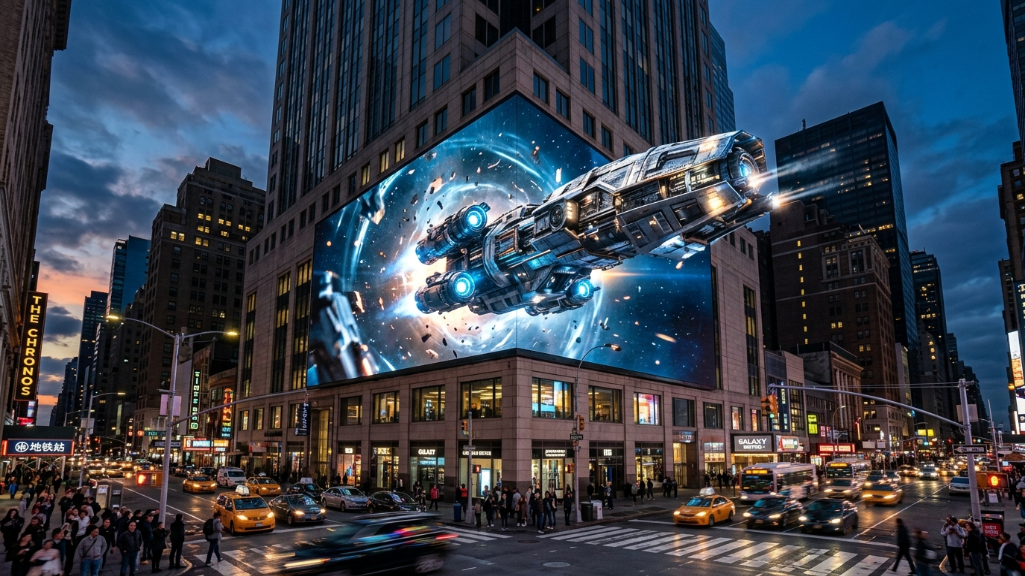
-
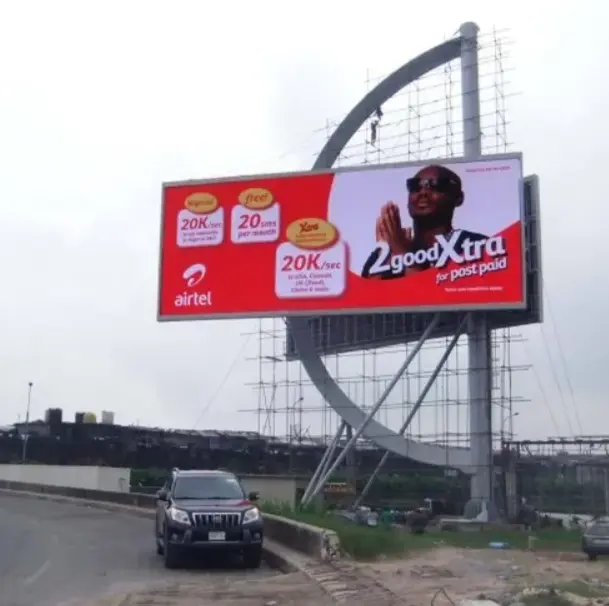
DOOH & Premium Highway Billboards: Provides a texture superior to P5/P6 for CBD areas where audiences are close and stay longer.
-
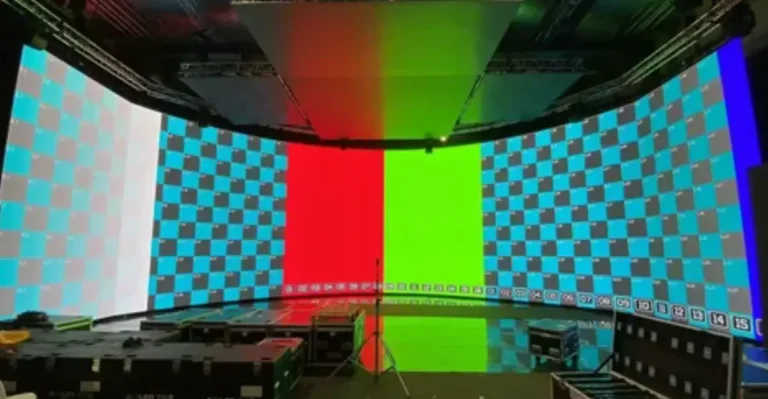
Landmark Buildings and 3D Naked-Eye Displays: Through Seamless splicing and high Contrast ratio, P3.91 creates 3D visual spectacles that increase real estate value.
-
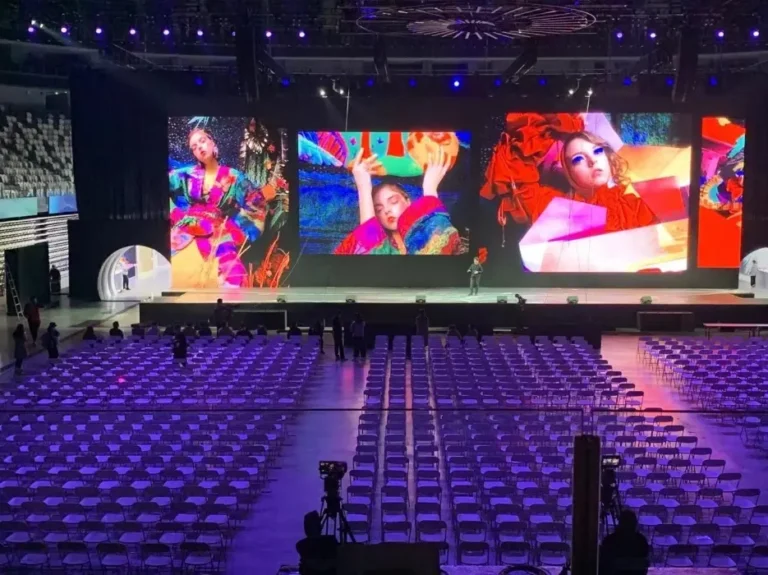
Touring Stages & Outdoor Music Festivals: P3.91 rental screens remain stable in mud and rain, with 7680Hz refresh rates satisfying the most demanding audiences.
Why Top Global Integrators Choose Sostron’s P3.91 Solutions?
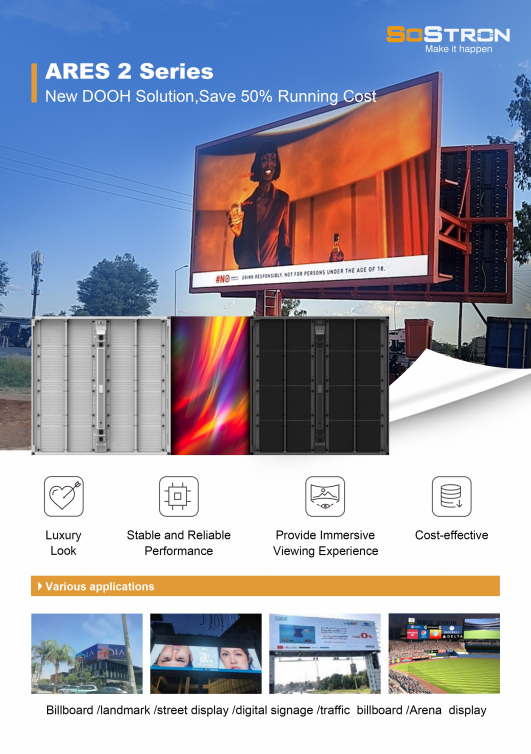
Sostron offers an ultimate arsenal for P3.91 specifications:
-
ARES Series: Fixed DOOH flagship with Common Cathode tech and 10,000 nits.
-
Storm Pro: Robust die-cast aluminum for high-altitude pillar screens.
-
Carbon Family: 5kg ultra-light bodies for global tours.
Every P3.91 cabinet undergoes 72 hours of full-load aging and high-pressure Waterproof/Cabinet aging tests. With certifications like ETL/FCC/CE/CCC/RoHS, and six overseas branches, we provide global buyers with zero-time-zone support.
FAQ: Common Questions on P3.91 Outdoor Screens
What is the average wholesale price range?
High-quality factory prices range from $900 – $1,800/sqm. Be wary of lower quotes, which usually mean compromised power redundancy or second-hand LED chips.
What is the lifespan in extreme heat or rain?
With gold-wire chips and fanless cooling, the LED half-life is 100,000 hours. In commercial operation, screens can serve stably for 7 to 10 years.
For rental business, P3.91 or P4.81?
Choose P3.91. P4.81 is no longer accepted by high-end markets due to graininess. P3.91 is the “hard currency” of the rental market, offering higher rental rates and ROI.
Expert Verdict:
Investing in a P3.91 outdoor large screen is an investment in engineering resilience against harsh natural elements and the passage of time. Never compromise on physical protection—IP65 is merely the entry level; true high-density sealing with die-cast aluminum is your real competitive moat.
For commercial digital advertising projects, strictly mandate that suppliers provide “Common Cathode” and “Front/Rear Maintenance” solutions. For rental equipment, hold the line on cabinet weight and high refresh rate specifications.
Bring your detailed project blueprints and budget to start a direct dialogue with the Sostron Global Engineering Team. We will provide you with the most competitive factory-direct pricing and a “worry-free” delivery plan.
References:
IEC 60529: Degrees of protection provided by enclosures
DSE 2026: Global DOOH & Outdoor Display Technology Trends Report