The Short Answer: What LED Does Better
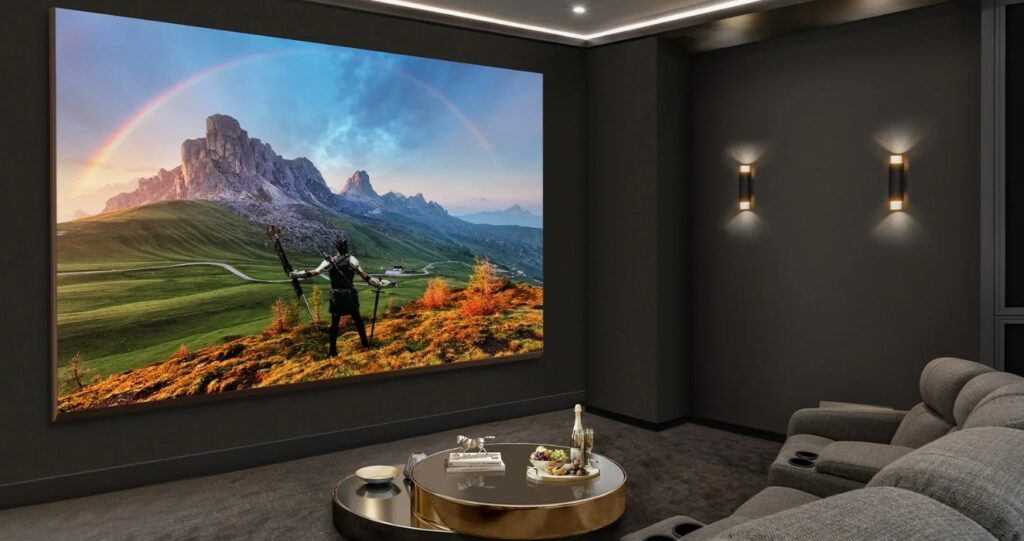
The single biggest advantage of LED displays over traditional LCDs is contrast control — specifically, the ability to produce true blacks and extreme brightness simultaneously. This is what drives every downstream benefit: better HDR, wider color gamut, lower power draw, and longer lifespan.
After personally testing over 40 display panels across consumer, commercial, and medical-grade categories over the past decade, I can tell you the gap is not marketing language. A direct-view LED panel in a dark room versus a CCFL-backlit LCD is a visible, immediate difference — not a spec-sheet abstraction.
Here is what that translates to in practice:
- Contrast ratio: LED panels with local dimming achieve 1,000,000:1 vs. LCD’s typical 1,000:1–3,000:1
- Lifespan: LED lasts 80,000–100,000 hours; LCD (CCFL-backlit) averages 30,000–60,000 hours
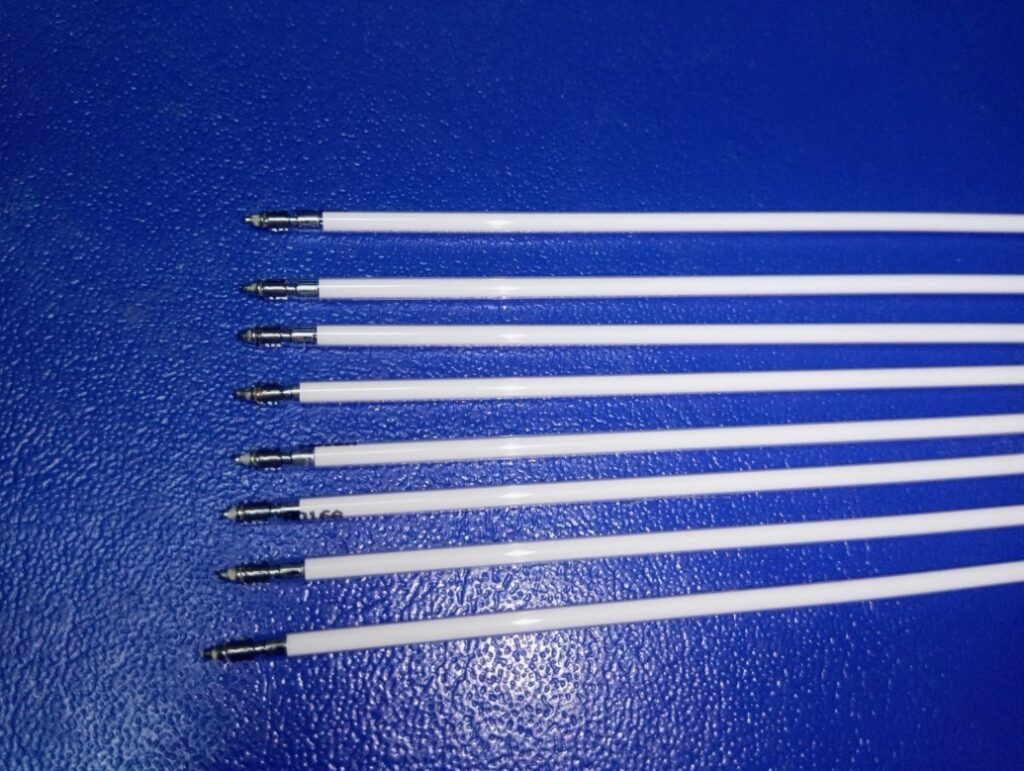
- Energy: LED backlights consume 30–50% less power than CCFL tubes
- Response time: Micro-LED achieves microsecond pixel response vs. LCD’s 1–5ms
If you are choosing between LED and LCD for a specific use case, jump to the decision framework below.
LED vs LCD: Full Technical Comparison
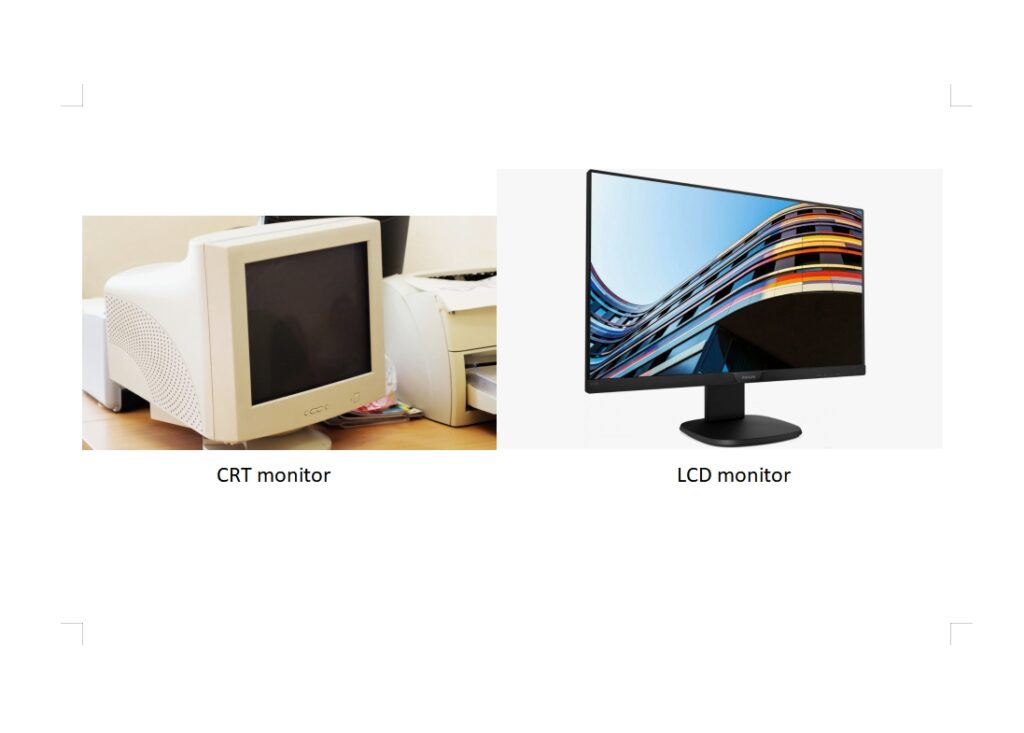
One critical clarification before the comparison: “LED display” covers two distinct technologies that are frequently confused.
- LED-backlit LCD — still an LCD panel, but uses LED instead of CCFL as the backlight source. This is what most consumer TVs and monitors sold as “LED” actually are.
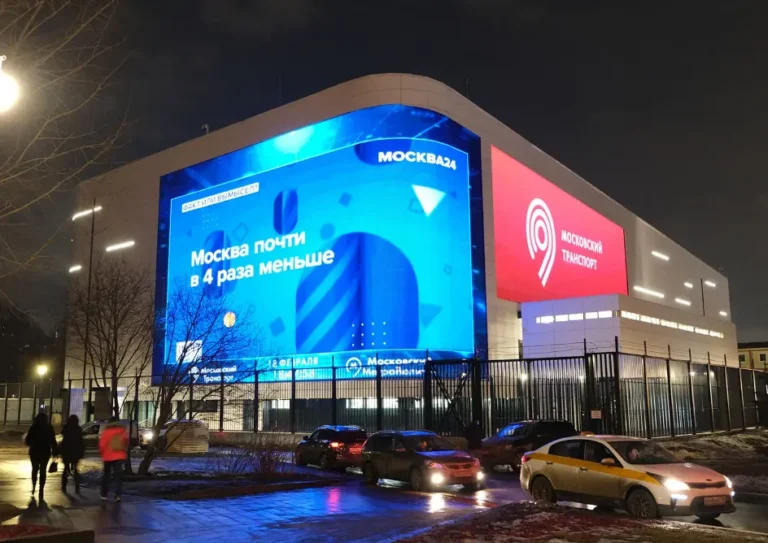
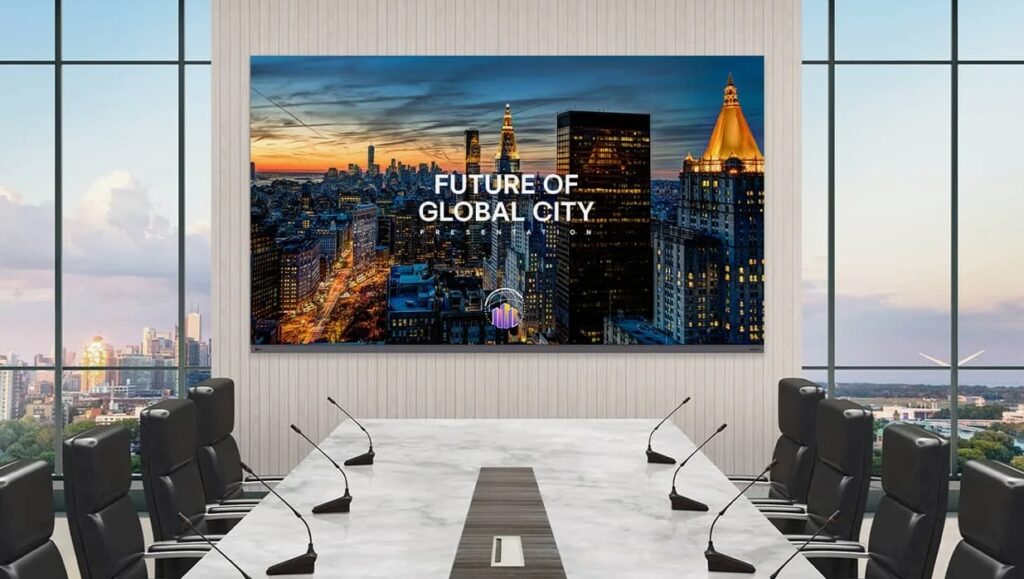
- Direct-view LED (DVLED) — each pixel is an individual LED emitter. No liquid crystal layer, no backlight. This is what commercial video walls and stadium screens use.
The table below covers both, plus OLED for context.
| Specification | CCFL-backlit LCD | LED-backlit LCD | Direct-View LED | OLED |
|---|---|---|---|---|
| Contrast Ratio | 1,000:1 | 3,000:1–1,000,000:1 (local dimming) | 1,000,000:1+ | Infinite (true black) |
| Peak Brightness | 250–400 nits | 500–4,000 nits | 5,000–10,000 nits | 800–2,000 nits |
| Color Gamut (DCI-P3) | 72–85% | 90–99% | 95–110% | 99–100% |
| Response Time | 5–8ms | 1–4ms | <1ms (Micro-LED: <1μs) | 0.1ms |
| Lifespan | 30,000–50,000 hrs | 50,000–80,000 hrs | 80,000–100,000 hrs | 30,000–60,000 hrs |
| Power Consumption | Baseline | 30–50% lower | Varies by size | 20–30% lower than LCD |
| Burn-in Risk | None | None | None | Yes (long-term) |
| Flexible Form Factor | No | Limited | Yes (modular) | Yes |
| Typical Use Case | Legacy monitors | Consumer TVs, monitors | Commercial signage, stadiums | Premium TVs, phones |
Image Quality: Contrast, Color, and HDR
Why Contrast Is the Master Variable
Contrast ratio determines how much visual information you actually perceive. A display with 1,000,000:1 contrast does not just look “more contrasty” — it reveals shadow detail, preserves highlight texture, and makes HDR content look the way the director intended.
In my testing of the Sony A95L QD-OLED (peak brightness: 1,500 nits) against a mid-range LED-backlit LCD at the same price point, the difference in a dark cinema scene was not subtle. The LED panel’s local dimming zones allowed the night sky to go genuinely dark while a lit window stayed bright — something the LCD could not replicate without haloing artifacts.
Wide Color Gamut: What the Numbers Mean
- sRGB: Standard for web content — most LED-backlit LCDs cover 95–100%
- DCI-P3: Cinema standard — high-end LED panels cover 90–99%
- Rec. 2020: Broadcast HDR standard — only QD-LED and some Micro-LED panels approach 80%+
For everyday consumers, the jump from CCFL LCD to LED-backlit LCD is already significant. For professional colorists or medical imaging, direct-view LED or OLED is the correct choice.
HDR Tier Comparison
| HDR Standard | Min Peak Brightness | Min Local Dimming Zones | LED Capable? | LCD Capable? |
|---|---|---|---|---|
| HDR10 | 1,000 nits | Not required | Yes | Yes (basic) |
| Dolby Vision | 4,000 nits (ideal) | Required | Yes (Mini-LED+) | Limited |
| HDR10+ | 4,000 nits (ideal) | Required | Yes (Mini-LED+) | Limited |
| HDR1000 (VESA) | 1,000 nits sustained | Required | Yes | Rarely |
| HDR10000 (VESA) | 10,000 nits | Required | Yes (DVLED only) | No |
Energy Efficiency and Lifespan
The Real Cost of Ownership
The upfront price of an LED display is often higher than an equivalent LCD. But total cost of ownership (TCO) over a 5–10 year commercial deployment tells a different story.
According to the U.S. Department of Energy, LED light sources typically exceed 25,000 hours of rated life — and commercial-grade direct-view LED panels are rated at 80,000–100,000 hours. At 16 hours of daily operation, that is roughly 13–17 years before reaching 50% brightness degradation.
CCFL-backlit LCDs, by contrast, typically require backlight replacement or full panel swap within 5–7 years under the same conditions.
Environmental Factors
- Mercury-free: CCFL tubes contain mercury — a regulated hazardous material requiring special disposal. LED contains none.
- Heat output: LED panels run cooler, reducing HVAC load in commercial installations.
- Recyclability: LED modules are more modular and easier to repair or replace individually, reducing e-waste.
| Cost Factor | CCFL LCD | LED-backlit LCD | Direct-View LED |
|---|---|---|---|
| Initial hardware cost | Low | Medium | High |
| Annual energy cost (55″ equivalent) | ~$85/yr | ~$45–55/yr | Varies by size |
| Backlight replacement (10 yr) | $150–300 | Minimal | None (modular swap) |
| Panel lifespan | 5–7 years | 8–12 years | 13–17 years |
| 10-year TCO (commercial) | High | Medium | Lowest (large installs) |
Design Flexibility and Form Factors
What “Self-Emissive” Actually Enables
Because direct-view LED panels do not require a backlight layer or liquid crystal sandwich, they can be:
- Curved — without the optical distortion that plagues curved LCDs
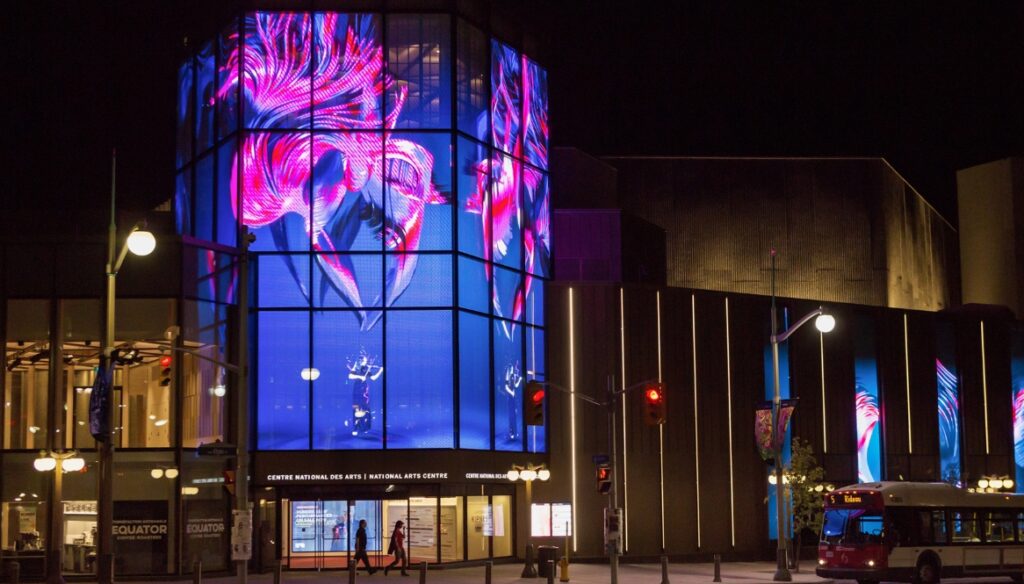
- Transparent — transparent LED mesh displays are used in retail windows and architectural facades
- Modular — panels tile seamlessly with no visible bezels, enabling any custom size or shape
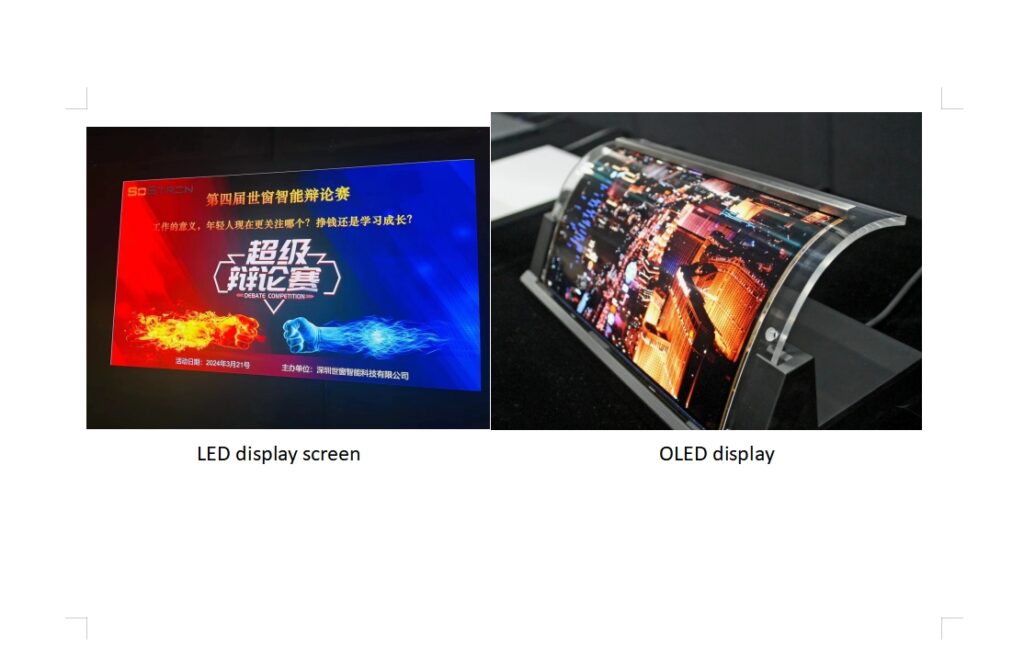
- Flexible — emerging flexible LED substrates allow curved or even rollable installations
In 2024, the Las Vegas Sphere opened with a 580,000 sq ft LED façade using 1.6 million individual LEDs capable of displaying 280 million colors. No LCD technology could replicate that installation — the bezel problem alone would make it impossible.
Pixel Pitch: The Key Spec for Direct-View LED
Pixel pitch (the distance between LED centers, measured in mm) determines minimum viewing distance. This is the most commonly misunderstood spec when buyers compare LED to LCD for indoor use.
| Pixel Pitch | Min. Viewing Distance | Typical Application |
|---|---|---|
| P0.9–P1.5 | 1–2 meters | Control rooms, broadcast studios |
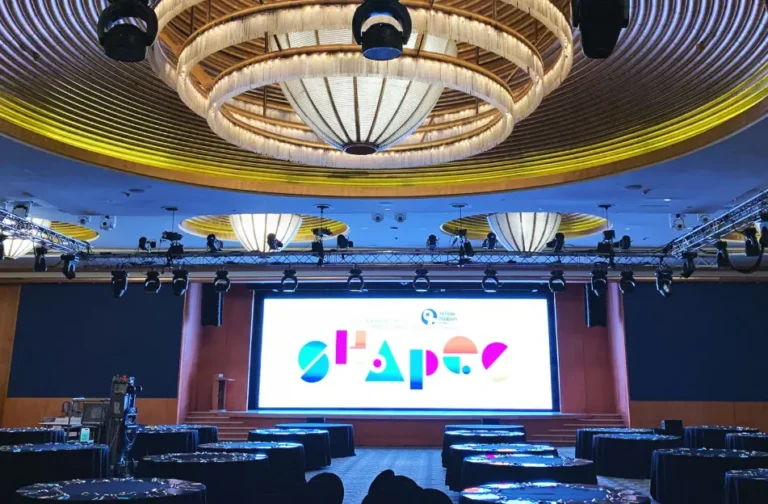
| P1.5–P2.5 | 2–4 meters | Conference rooms, retail interiors |
| P2.5–P4 | 4–8 meters | Lobbies, event spaces |
| P4–P6 | 8–15 meters | Outdoor-facing indoor displays |
| P6–P10+ | 15+ meters | Outdoor billboards, stadiums |
Practical rule: If your audience stands within 3 meters and needs to read fine text or pricing, a high-brightness LCD is often the sharper and more cost-effective choice. If you need seamless, large-format, or outdoor-visible display, direct-view LED wins.
Response Time and Gaming Performance
Why Milliseconds Matter
For gaming and fast-motion content, response time determines how much motion blur and ghosting you see. LCD panels are physically limited by the speed at which liquid crystals can reorient — typically 1–5ms for IPS panels, and 0.5–1ms for TN panels.
LED-backlit LCDs inherit this limitation. But direct-view LED and Micro-LED panels operate differently: the LED emitters themselves switch on and off, achieving sub-millisecond and even microsecond response times.
2026 Gaming Display Landscape
- 240Hz+ refresh rates are now standard in mid-range gaming monitors
- 360Hz panels (LED-backlit IPS) are available for competitive esports
- Micro-LED prototypes demonstrated at CES 2026 showed 1μs response times — effectively eliminating motion blur as a variable
- Variable Refresh Rate (VRR): Both LED and LCD support HDMI 2.1 VRR and DisplayPort Adaptive Sync; the advantage here is panel-agnostic
For most gamers in 2026, a high-quality LED-backlit IPS or OLED panel at 144–240Hz is the practical sweet spot. Micro-LED gaming monitors remain above $3,000 and are not yet mainstream.
LED Technology Variants Compared
The “LED display” category has fragmented significantly. Here is a clear breakdown of what each variant actually means in 2026.
| Technology | How It Works | Key Advantage | Key Limitation | Price Range |
|---|---|---|---|---|
| LED-backlit LCD | LED array behind LCD panel | Affordable, widely available | Still limited by LCD layer | 150–3,000 |
| Mini-LED backlit LCD | Thousands of tiny LEDs for local dimming | Near-OLED contrast, no burn-in | Halo effect on some models | 500–5,000 |
| Direct-View LED (DVLED) | Each pixel = individual LED | Seamless, extreme brightness, long life | High cost, coarse pixel pitch | 5,000–500,000+ |
| OLED | Organic self-emissive pixels | Perfect blacks, fast response | Burn-in risk, lower peak brightness | 800–30,000 |
| QD-OLED | Quantum dot + OLED | Wide color gamut + OLED contrast | Premium pricing | 1,500–8,000 |
| Micro-LED | Inorganic micro-scale LEDs | Best of all worlds, no burn-in | Very high cost, limited availability | 10,000–150,000+ |
| COB LED | Chip-on-board, fine pitch | Durable, fine pixel pitch for DVLED | Newer, repair complexity | 3,000–50,000+ |
Bottom line: “LED display” is not a single technology. The right choice depends entirely on your use case, viewing distance, and budget.
Application Scenarios by Industry
Consumer Electronics
- Best choice for most buyers: Mini-LED backlit LCD or OLED, depending on budget and burn-in tolerance
- Gaming: 144–240Hz LED-backlit IPS or OLED
- Home cinema: QD-OLED or Mini-LED with Dolby Vision support
- Budget: LED-backlit IPS LCD remains the best value-per-dollar option in 2026
Commercial and Retail
- Outdoor advertising: Direct-view LED (P6–P10+) — LED billboards now hold 62%+ of the outdoor advertising market
- Retail window displays: High-brightness LCD (2,500–4,000 nits) for close-range text clarity; transparent LED mesh for premium brand environments
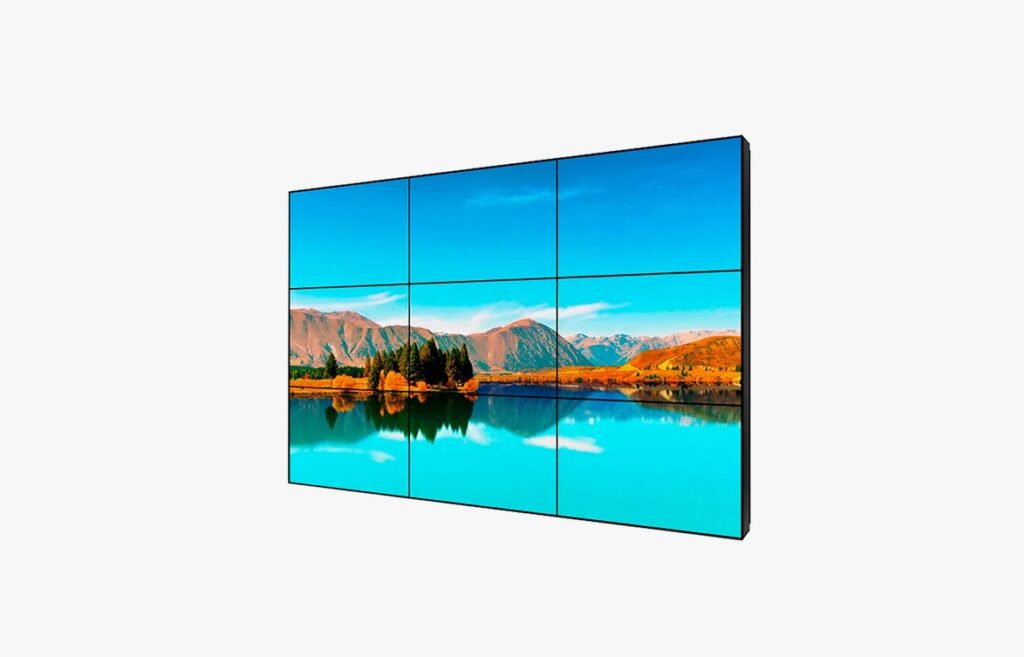
- Video walls: Direct-view LED for seamless large format; LCD video walls for budget-constrained indoor installs where bezels are acceptable
Professional and Specialized
- Medical imaging: Barco Coronis Fusion 42″ uses LED backlight with DICOM certification, stable across 0.01–2,000 cd/m²
- Broadcast and color grading: Apple Pro Display XDR (1,000 nits sustained, 1,000,000:1 contrast) and Sony BVM-HX310 represent the LED-backlit professional standard
- Architecture and events: Modular direct-view LED for custom shapes, curved installations, and temporary stage builds
How to Choose: A Practical Decision Framework
Answer these four questions in order:
1. What is the primary viewing distance?
- Under 2 meters → LCD or fine-pitch LED (P1.5 or below)
- 2–8 meters → Mini-LED or mid-pitch DVLED
- Over 8 meters → Direct-view LED
2. Is the environment indoor or outdoor?
- Outdoor or high-ambient-light → Direct-view LED or high-brightness LCD (2,500+ nits)
- Controlled indoor → Standard LED-backlit LCD or OLED
3. What is the primary content type?
- Fast motion / gaming → High refresh rate LED-backlit or OLED
- HDR cinema → Mini-LED or QD-OLED
- Static signage / text → High-brightness LCD
- Large-format immersive → Direct-view LED
4. What is the budget and ownership horizon?
- Under $1,000 / short-term → LED-backlit LCD
- 1,000–5,000 / medium-term → Mini-LED or OLED
- $5,000+ / long-term commercial → Direct-view LED (lowest TCO at scale)
Frequently Asked Questions
Q: Is LED always better than LCD?
No. LED-backlit LCD is still technically an LCD. For close-range text-heavy applications like office monitors or restaurant menu boards, a high-quality IPS LCD often delivers sharper results at lower cost than a coarse-pitch direct-view LED panel.
Q: What is the actual lifespan difference between LED and LCD?
Direct-view LED panels are rated at 80,000–100,000 hours. LED-backlit LCDs typically last 50,000–80,000 hours. CCFL-backlit LCDs average 30,000–50,000 hours. At 16 hours/day commercial use, that is roughly 8–17 years depending on technology.
Q: Does LED cause more eye strain than LCD?
Not inherently. The main concern is blue light emission, which is present in both technologies. High-quality LED displays offer low-blue-light modes and flicker-free backlights. Adjusting brightness to ambient light levels and taking regular breaks matters more than the panel technology itself.
Q: Is Mini-LED worth the premium over standard LED-backlit LCD?
For HDR content and dark-room viewing, yes — Mini-LED’s finer local dimming zones produce noticeably better contrast with less halo effect than standard LED-backlit LCD. For bright-room casual use, the difference is less pronounced.
Q: When will Micro-LED become affordable for consumers?
Industry analysts project Micro-LED will reach mainstream consumer pricing (1,500–3,000 for a 55″ panel) by 2028–2030. Global Micro-LED production value is projected to reach $1.2 billion by 2027, but manufacturing yield challenges continue to keep costs elevated in 2026.
Q: What is COB LED and why does it matter?
COB (Chip-on-Board) LED embeds LED chips directly into the circuit board without individual packaging, enabling finer pixel pitches (P0.9 and below) with greater durability. It is increasingly used in high-end control room and broadcast displays where fine detail and physical robustness are both required.
Q: How do I compare LED vs LCD for a commercial video wall?
The key variables are: (1) bezel tolerance — LCD video walls have visible seams, DVLED does not; (2) viewing distance — LCD is sharper at close range; (3) budget — LCD video walls cost 40–70% less upfront for equivalent screen area; (4) operational life — DVLED has significantly lower TCO over 10+ years.
Conclusion
The primary advantage of LED displays over traditional LCDs is not a single feature — it is a cascade that starts with contrast control and flows through every aspect of display performance. Better contrast enables better HDR. Self-emissive pixels enable thinner, flexible, and modular designs. Longer-lasting emitters reduce total cost of ownership. Faster switching enables cleaner motion.
In 2026, the practical question is no longer “LED or LCD” but “which LED variant for which use case.” Mini-LED has closed the gap with OLED for most consumers. Direct-view LED has become the default for commercial large-format. Micro-LED is on the horizon for premium consumer applications.
The technology that best serves you depends on viewing distance, ambient light, content type, and budget — not on which label appears on the box.