Hi everyone,
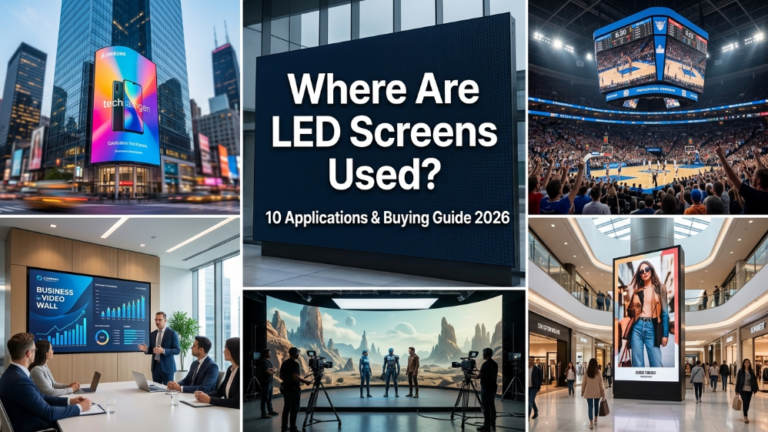
I’m a newcomer to the LED display industry—just two months in—and already, it’s been quite an eye-opening journey. Like many people, I was always drawn to the dazzling LED screens I saw everywhere: the massive displays that light up concerts, the information boards guiding travelers in airports and train stations, and the interactive ads that stop you in your tracks at shopping malls. These vibrant screens have truly transformed how we experience the world visually, showing the power of modern technology.
But once I stepped into the industry, I realized that behind these brilliant images lies a more complex story—one that includes environmental challenges we can’t ignore. So today, I’d like to share what I’ve seen and learned so far, from the perspective of a newcomer trying to understand both the magic and the responsibility that come with LED technology.
1. Behind the Visual Feast Lies Resource Consumption

LED screens deliver breathtaking visuals—bright, colorful, flexible, even transparent. They’ve redefined what’s possible in visual design. But creating these “visual magicians” is far from simple.
Rare materials as the “colors” of light:
Producing high-quality LED chips—especially those that emit pure red or green light—requires rare earth elements. Mining these resources can cause significant environmental harm if not carefully managed.
Hidden energy and chemical costs:
The manufacturing of chips and circuit boards consumes enormous amounts of electricity and water, along with various chemicals. Without proper waste management, these processes can contribute to pollution.
That realization hit me hard: every dazzling LED screen we see is built from precious resources borrowed from our planet.
2. Lighting Up the World Also Means Using Energy
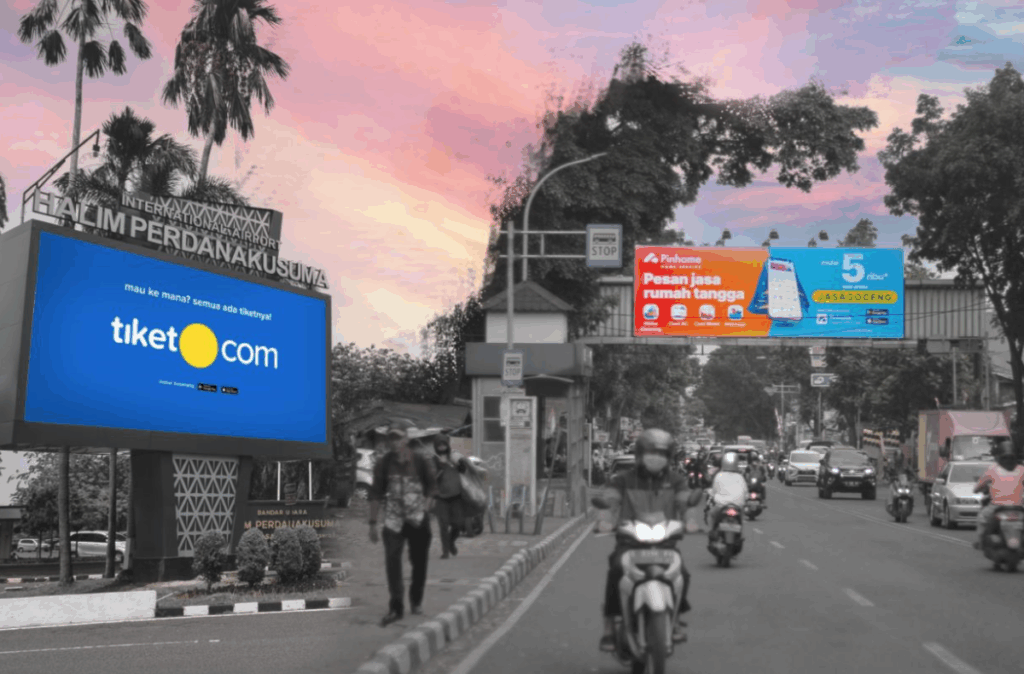
As LED screens illuminate cityscapes, becoming symbols of urban prosperity, they also bring new energy challenges.
The “power-hungry” giants:
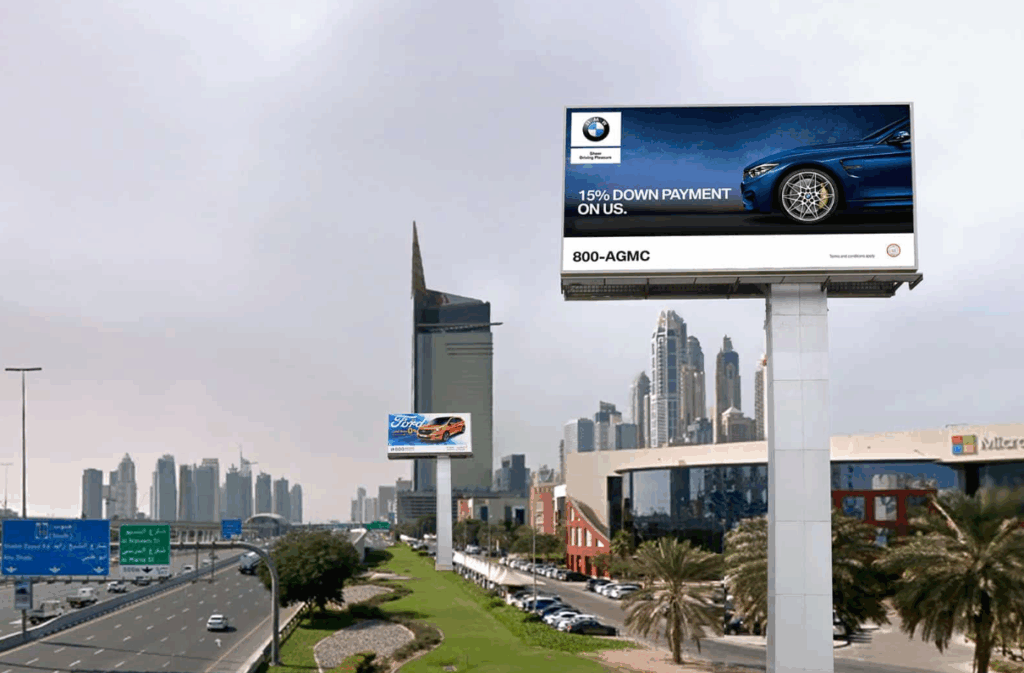
Large outdoor LED billboards must stay extremely bright to remain visible even in daylight. These are genuine energy guzzlers, indirectly increasing carbon emissions.
The issue of light pollution:
When screens are too bright or poorly positioned, they can become sources of light pollution—disrupting nearby residents’ sleep, confusing birds and insects, and even erasing the night sky in urban areas.
It made me wonder: while we’re beautifying our cities and spreading information, could we do it in a way that’s kinder to nature?
3. When the Screen Goes Dark—Where Does It Go?
Every LED screen has a lifespan—usually around five to ten years. When that time’s up, dealing with the massive amount of electronic waste becomes another big challenge.
Complex e-waste:
An LED display is made up of metals, plastics, glass, and other materials tightly integrated together. Disassembly and recycling are anything but easy.
Recycling systems still catching up:
f old screens end up in landfills or are dismantled improperly, the small amounts of heavy metals they contain can leak into the soil and groundwater, causing long-term pollution.
Our Shared Responsibility: Making Light Greener
Rather than discouraging me, these issues have made me feel more hopeful—because they point to where innovation and change are needed most. Fortunately, the industry is already moving in the right direction:
1. Greener design:
Manufacturers are developing more energy-efficient chips and LEDs, using eco-friendly materials, and designing products that last longer.
2. Smarter operation:
Many new LED screens now feature automatic brightness adjustment. By adapting to ambient light, they maintain clear visuals while saving power and reducing light pollution.
3. Stronger policies and recycling efforts:
Governments are introducing stricter standards for energy efficiency and light pollution control, while industry players are building specialized recycling systems to give old screens new life.
As a newcomer, I now see the LED display industry not just as one that creates visual wonders, but as one carrying a deeper responsibility—to innovate sustainably.
The road ahead is long, but I truly believe that through better design, smarter use, responsible policies, and efficient recycling, we can let technology and nature shine together. Let the light of LED screens not only brighten our world—but also illuminate a greener, more responsible future.
References:
Global Lighting Industry Research 2024