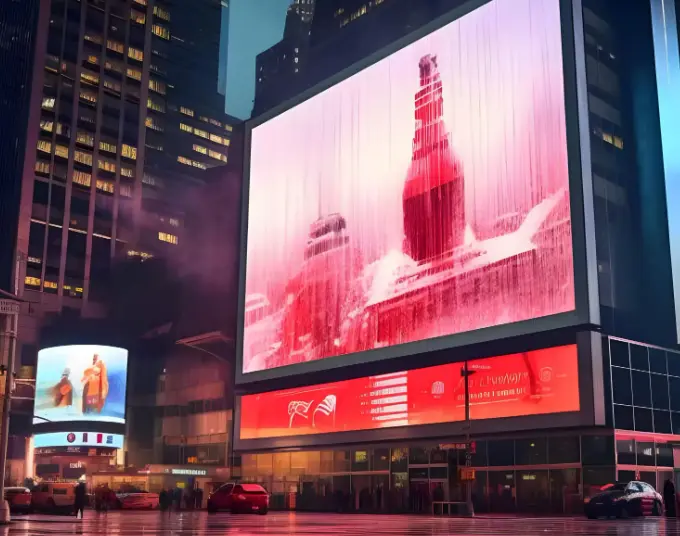
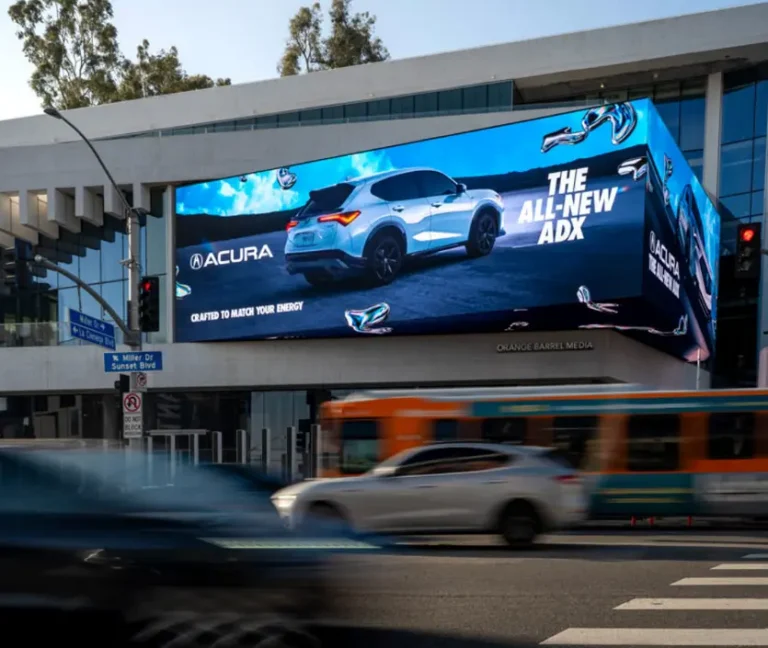
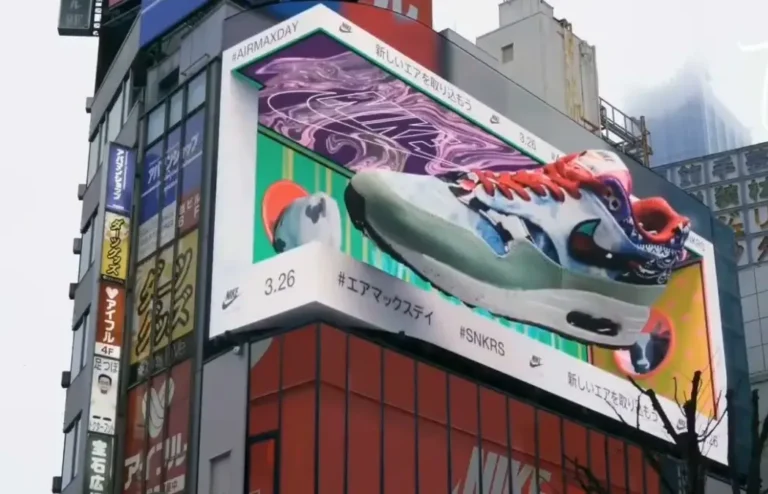
In 2026, the price of indoor LED screens in Dubai is mainly determined by pixel pitch, resolution, refresh rate, and project scale. The mainstream hardware module quotation ranges from AED 4,900–39,500 per square meter (approximately RMB ¥9,500–76,000).
P1.2–P1.8 fine-pitch high-end screens: AED 18,000–39,500/sqm
P2.5–P2.9 standard commercial screens: AED 7,000–15,000/sqm
P3–P4 economical screens: AED 4,900–8,500/sqm
The above prices are comprehensive hardware quotations for local stock or imported products in Dubai, excluding installation, structure, transportation, 5% VAT, and maintenance. The actual total project cost is usually 1.2–1.6 times the hardware price. Users can quickly estimate based on application scenarios and pixel pitch, avoiding risks caused by decisions based solely on unit price. This guide breaks down the price composition from an engineering perspective, helping buyers clearly understand the technical logic behind each cost.
Core Factors Affecting Indoor LED Screen Prices
Pixel Pitch and Resolution
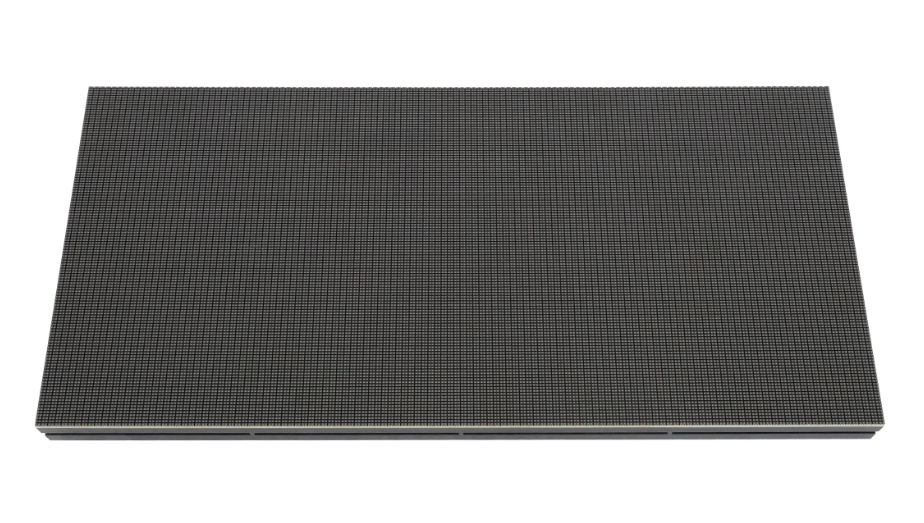
Pixel pitch and resolution are the most direct factors determining price. The smaller the pitch, the higher the pixel density, the finer the image, and the higher the manufacturing cost. For example, P2.5 pixel pitch indoor LED modules are commonly used in shopping mall lobby projects. As a technical reference, they provide clear images but must match refresh rate requirements.
Screen Size, Refresh Rate, and Grayscale
Screen size, refresh rate, and grayscale levels are equally critical. Large video walls require higher refresh rates (above 3840Hz) and grayscale levels to ensure flicker-free performance. These parameters directly affect driver circuits and material selection.
Installation Environment and Dubai Policies
Installation environment and local Dubai policies also create differences. Heat dissipation design must be considered under high-temperature conditions, while 5% VAT and import customs clearance processes affect the final landed cost.
Supply Chain Stability and Certification
Supply chain stability and certification requirements are another important dimension. Companies with in-house hardware, software, and engineering R&D teams can usually ensure consistency through multiple international certifications such as CE, RoHS, FCC, and UL. A 15,000㎡ Shenzhen intelligent manufacturing base supports large-scale production and stabilizes the supply chain. With over 10 years of focus on LED billboards, 6000+ global delivery projects, and exports to nearly 100 countries, these practices provide reliable cost control benchmarks for the Dubai market.
Table 1: Key Price Influencing Factors Comparison (Educational Reference)
| Factor | Impact on Price | Typical Technical Requirement | Dubai Application Recommendation |
|---|---|---|---|
| Pixel Pitch | High | P1.2–P4, smaller pitch = higher cost | Fine pitch for meeting rooms, standard for retail |
| Refresh Rate / Grayscale | Medium-High | 3840Hz+, high grayscale | Shopping malls/hotels require flicker-free |
| Installation & Policy | Medium | 5% VAT + heat dissipation design | Plan customs clearance & structure budget |
| Supply Chain & Certification | Medium | Large factory + international certifications | More cost stability for large projects |
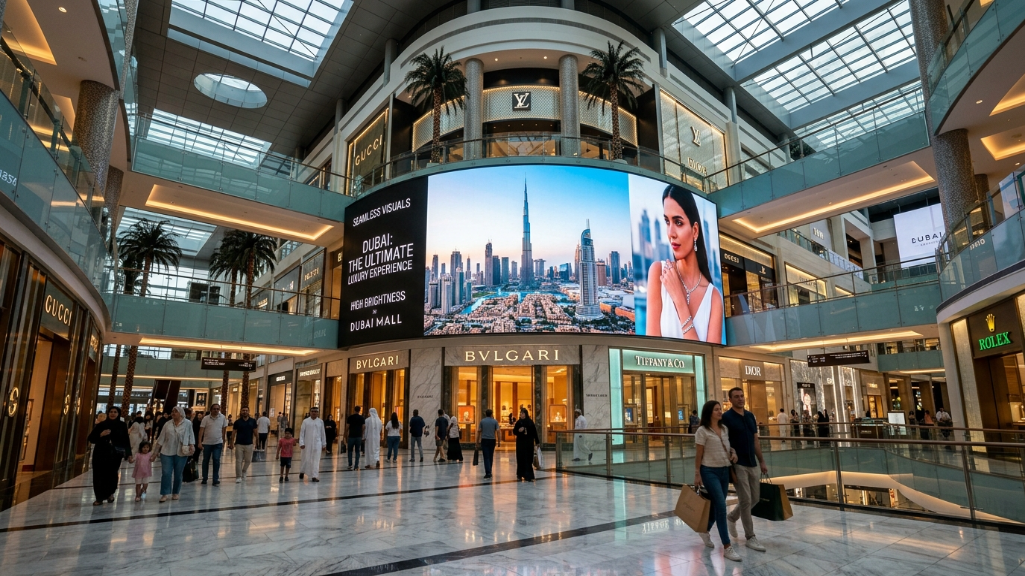
Price Range of Indoor LED Screens in Dubai Market (2026)
Fine Pitch Indoor Screens (P1.2–P1.8)
Suitable for high-definition close viewing, with prices around AED 18,000–39,500/sqm, mainly used in control rooms and high-end conference spaces.
Standard Commercial Indoor Screens (P2.5–P2.9)
The mainstream choice balancing clarity and cost, priced between AED 7,000–15,000/sqm, widely used in shopping malls and hotel lobbies.
Economical Indoor Screens (P3–P4)
Suitable for budget-controlled projects, about AED 4,900–8,500/sqm, commonly used in offices and retail displays.
Special Configurations
Special configurations such as curved or transparent screens usually cost 15–30% more due to additional structural design requirements.
Table 2: Mainstream Specification Price Range (Per sqm, AED)
| Specification Type | Economy Range | Standard Range | High-End Range | Application Scenario |
|---|---|---|---|---|
| P1.2–P1.8 | 18,000 | 25,000 | 39,500+ | Control rooms / high-end meetings |
| P2.5–P2.9 | 7,000 | 10,000 | 15,000 | Shopping malls / hotel lobbies |
| P3–P4 | 4,900 | 6,500 | 8,500 | Offices / retail displays |
The above ranges are base hardware prices, helping users quickly match project requirements and form an initial budget framework. The total cost calculation method will be further broken down below.
How to Accurately Calculate Your Total Indoor LED Screen Project Cost
Hardware Cost
Hardware cost usually accounts for 60–80% of the total indoor LED project expenditure in Dubai. It mainly includes LED modules, power supply systems, receiving cards, sending cards, and control systems. The actual price must be calculated based on total screen area and pixel pitch.
Additional Costs
Additional costs are often underestimated. These include steel structure or suspended installation, transportation logistics, Dubai 5% VAT, customs clearance procedures, on-site wiring, power capacity expansion, and first-year maintenance contracts. Additional heat dissipation measures under high-temperature environments will also increase the budget.
Table 3: Cost Breakdown Example for 80㎡ P2.5 Indoor LED Screen Project in Dubai (2026 Reference, Unit: AED)
| Cost Category | Estimated Amount (10k AED) | Proportion | Description |
|---|---|---|---|
| Hardware Modules | 56–120 | 70% | Modules + control system |
| Installation Structure + Transport | 8–15 | 12% | Hoisting + logistics |
| VAT + Customs Clearance | 5–10 | 8% | 5% VAT and import process |
| Power + Maintenance | 6–12 | 10% | Wiring + first-year maintenance |
| Total | 75–157 | 100% | 1.25–1.55× hardware price |
This breakdown framework is based on engineering experience from 6000+ global delivery projects, helping users form a complete budget during the bidding stage. A team with 10+ years of focus on LED billboards and independent hardware/software/engineering R&D typically optimizes driver circuits to reduce energy consumption fluctuations. A 15,000㎡ Shenzhen intelligent manufacturing base ensures component consistency and reduces additional post-installation costs.
Common Procurement Mistakes and Avoidance Strategies in Dubai
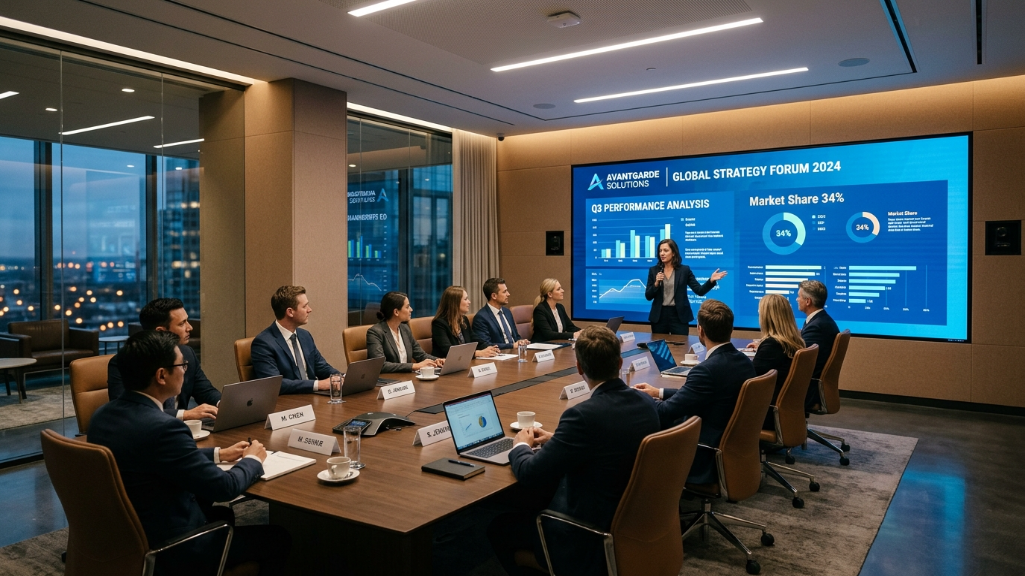
Mistake 1: Focusing Only on Hardware Unit Price
Many buyers only compare price per square meter while ignoring the high-frequency usage requirements of shopping malls or hotels for image consistency.
Avoidance: Focus on refresh rate and grayscale rather than just price.
Mistake 2: Ignoring Dubai’s High Temperature and Installation Standards
Even indoor environments in Dubai can have high temperatures in summer. Poor heat dissipation design can lead to brightness degradation.
Recommendation: Confirm stable performance under similar climate conditions.
Mistake 3: Underestimating Long-Term Maintenance and Energy Costs
Low-cost products may incur higher maintenance costs within 2–3 years.
Recommendation: Use a 5-year Total Cost of Ownership (TCO) model, including energy consumption and module replacement.
Table 4: Common Mistakes vs Avoidance Points (Educational Reference)
| Mistake | Potential Risk | Avoidance Point |
|---|---|---|
| Only looking at unit price | Uneven display or rapid degradation | Check refresh rate & grayscale consistency |
| Ignoring climate adaptation | Brightness drops under heat | Verify heat dissipation vs real environment |
| Underestimating TCO | 5-year cost exceeds by 20–30% | Use full cost breakdown simulation |
These strategies are derived from practical engineering experience across nearly 100 export countries, helping buyers make rational decisions in the Dubai market.
Real Delivery Case Reference: Curved Indoor LED Display Project in a Dubai Mall (Educational Example)
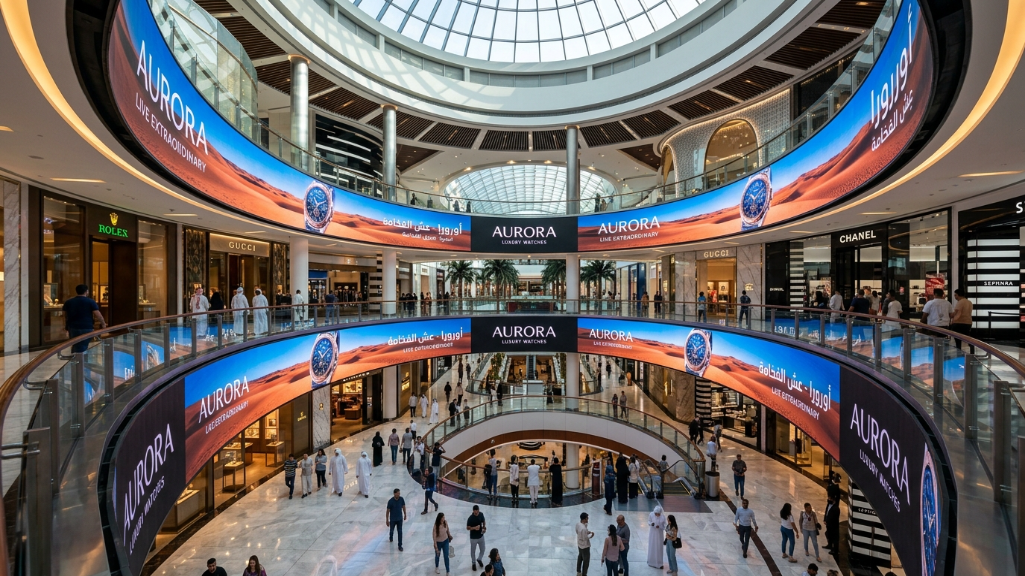
Taking a large curved LED display project in a Dubai mall as an example. The project used a curved screen design with a total area of about 150㎡ for brand display and advertising playback. The project faced challenges such as high foot traffic, strong air-conditioning environments, and seamless splicing requirements.
By optimizing module structure and control systems, flicker-free display under high refresh rates was achieved. The final result showed high image consistency and stable long-term operation. This case reflects the design capability of integrated hardware/software/engineering R&D teams in complex splicing scenarios. Similar global delivery projects (6000+) prove that products with CE/RoHS/FCC/UL certifications form industry-standard benchmarks in consistency and durability, providing a reliable technical path for high-end indoor applications in Dubai.
Frequently Asked Questions (FAQ)
What is the average price of a P2.5 indoor LED screen in Dubai in 2026?
Hardware module prices are حوالي AED 7,000–15,000/sqm, with total project costs adding 20–55% for installation and taxes.
What is the relationship between indoor LED screen price and pixel pitch?
For every 0.5mm reduction in pitch, cost typically increases by 20–35% due to higher pixel density and manufacturing precision requirements.
What taxes are required for importing indoor LED screens into Dubai?
Mainly 5% VAT, with possible customs clearance fees during import.
How is the total project cost calculated?
Total cost = hardware + installation + VAT + 5-year energy consumption + maintenance. It is recommended to simulate using the above breakdown tables.
What refresh rate is suitable for malls/hotels in Dubai?
3840Hz or above is recommended to ensure flicker-free performance in high-traffic environments.
Where does the price difference between fine pitch and standard screens come from?
Fine pitch (P1.2–P1.8) has higher density and significantly higher initial cost but is suitable for close viewing.
Rental vs purchase: which is more cost-effective?
Rental suits short-term events, while purchase suits long-term fixed installations. Decision should be based on TCO.
Difference between small and large projects?
Large projects can reduce unit cost by 8–15% through economies of scale but require additional structural engineering costs.
Local stock vs imported screens in Dubai?
Local stock offers faster delivery but limited options; imported screens provide better customization and certification reference value.
What percentage does maintenance cost account for?
First-year maintenance is about 3–6% of total cost; modular design can significantly reduce this.
How will 2026 market trends affect prices?
Fine-pitch technology upgrades and localized supply chains may stabilize or reduce mid-range prices, while high-end configurations remain affected by material fluctuations.