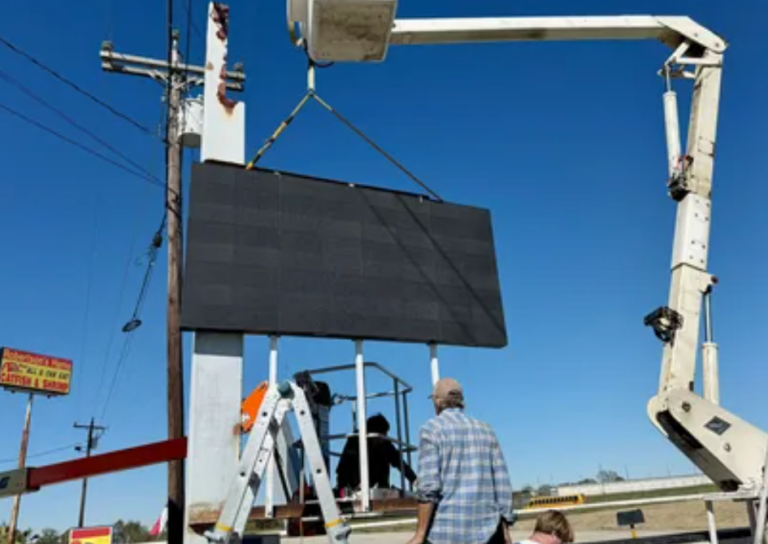
LED video walls have become indispensable in modern visual communication, solving the critical need for scalable, high-quality large-area displays suited for diverse environments—from control rooms to retail and sports arenas. Choosing the correct size and aspect ratio is essential to maximize visual impact, audience engagement, and cost efficiency.
This article clarifies the standard dimensions and aspect ratios of common LED video wall configurations such as 3×3, 2×2, and 4×4, framed within the global market trends and technological advances up to 2026. We also cover usage scenarios and provide comparative insights reflecting current industry best practices.
Global LED Video Wall Market Overview
The global LED video wall market continues to grow robustly, driven by advancements in LED technology such as higher brightness, finer pixel pitch, and energy efficiency improvements. By 2026, LED walls dominate key sectors including:
- Corporate conference rooms and control centers
- Retail stores and digital advertising
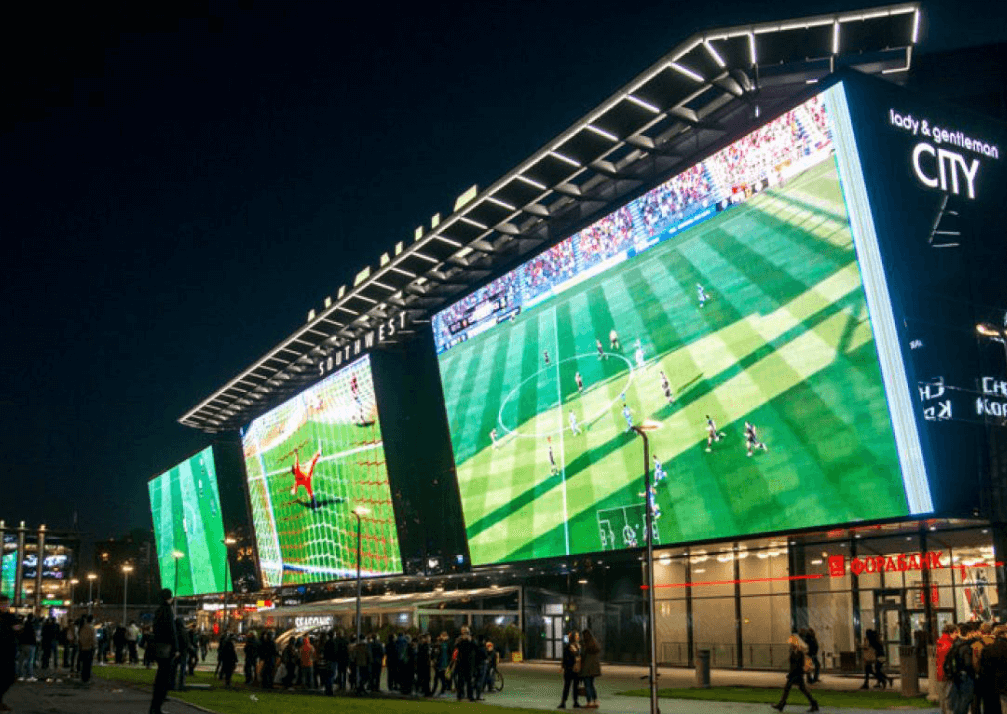
- Sports arenas and event venues
- Broadcast studios and public spaces
The widespread application owes to LED video walls’ ability to produce large-scale, uninterrupted, bright, and color-accurate displays with flexible sizing and easy content management.
LED Video Wall Technology Essentials
At the core, LED video walls are composed of modular Light Emitting Diode (LED) panels tiled together seamlessly. Key technological features include:
- High brightness: Up to 8,000 nits for outdoor and arena applications
- Wide color gamut: Supporting 110%+ of sRGB for vibrant, true-to-life colors
- Flexible pixel pitch: Ranging from P0.9 (fine pitch) to P20+ (large outdoor pixels)
- Energy efficiency: Using common-cathode technology and advanced driver ICs
- Durability: IP65+ ratings for outdoor resistance and rapid heat dissipation
These traits make LED video walls superior to other large-scale display types such as rear projection or LCD video walls in brightness, scalability, and outdoor adaptability.
Standard LED Video Wall Sizes and Aspect Ratios
| Configuration | Approximate Size (Inches) | Approximate Size (cm) | Aspect Ratio | Typical Use Cases |
|---|---|---|---|---|
| 2×2 | 100 W × 100 H | 254 cm × 254 cm | 1:1 square | Retail displays, small meeting rooms |
| 3×3 | 150 W × 150 H | 381 cm × 381 cm | 1:1 square | Control rooms, medium conference rooms |
| 4×4 | 200 W × 200 H | 508 cm × 508 cm | 1:1 square | Large arenas, broadcast backgrounds |
Why Square Aspect Ratios?
- Square configurations (equal number of panels horizontally and vertically) maximize pixel count and clarity for symmetrical spaces.
- For widescreen cinema or panoramic applications, rectangular video walls (e.g., 3×5 or 2×4 arrays) are increasingly popular.
- Choosing the right aspect ratio depends on content type, viewing distance, and room layout.
Use Case Scenarios for Common LED Video Wall Sizes
Control Rooms and Security Centers
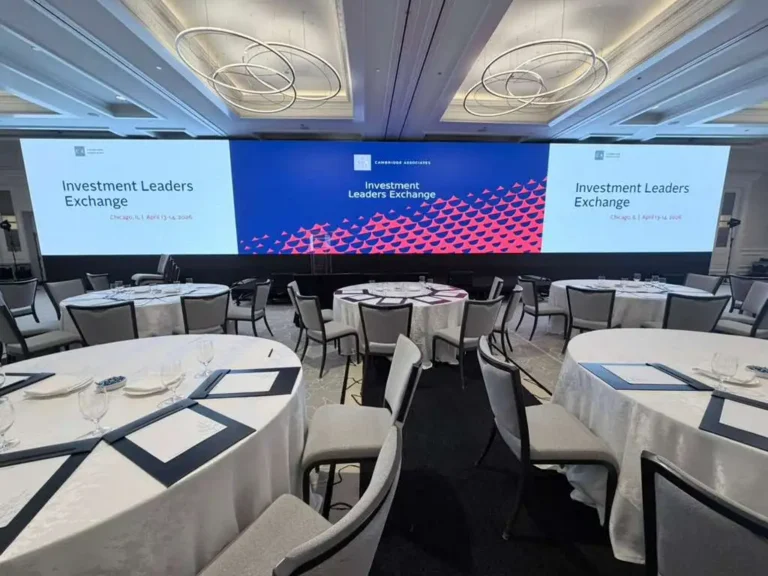
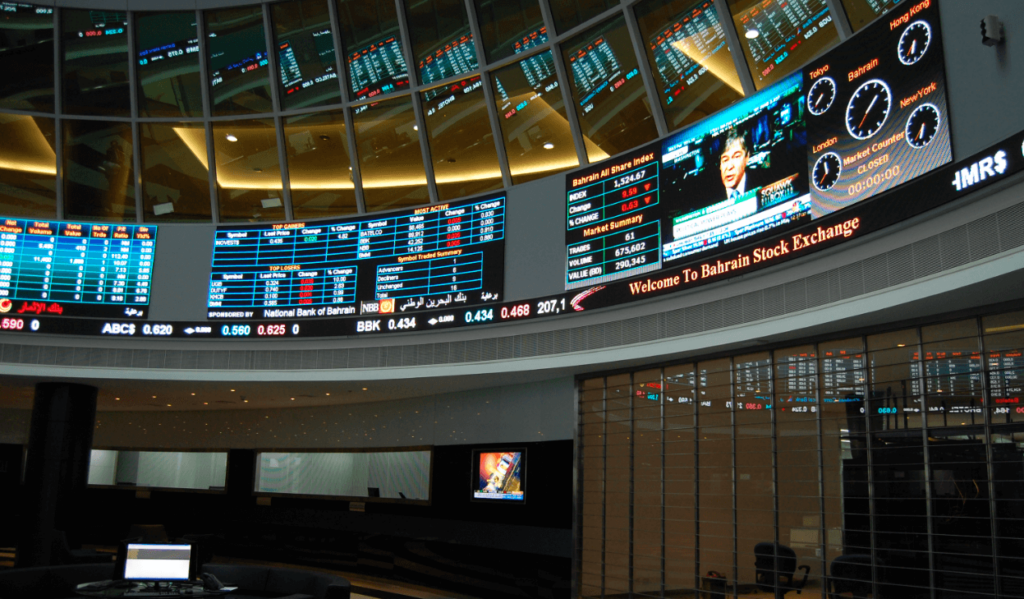
Control room installations typically require 3×3 or larger video walls offering real-time monitoring of multiple data feeds and camera views simultaneously. High resolution, brightness uniformity, and low latency are critical.
Retail Store Advertising
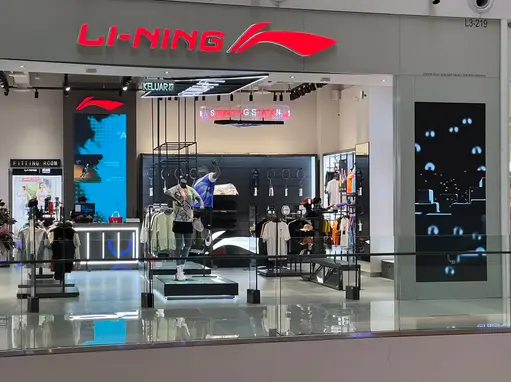
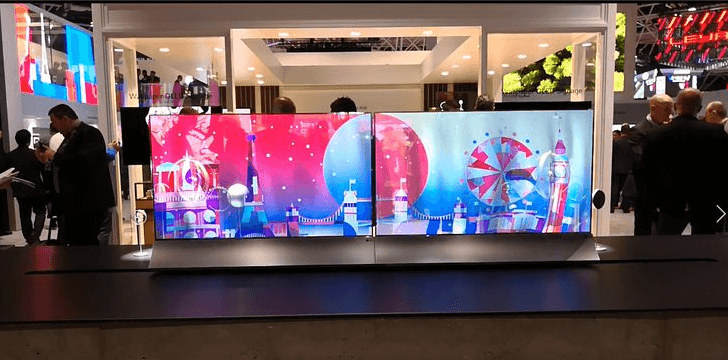
2×2 and 3×3 LED video walls deliver eye-catching marketing displays in store entrances and product promotion zones. Their modularity supports flexible layouts fitting varied store sizes.
Sports Arenas and Entertainment Venues
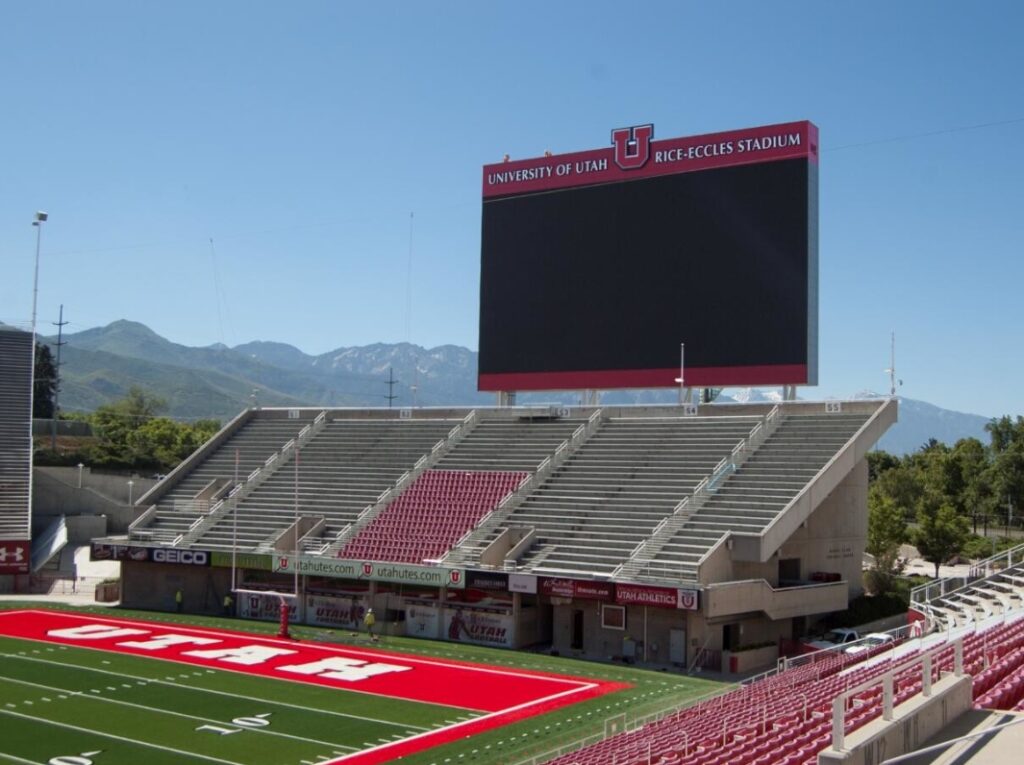
Large 4×4 or greater LED video walls are standard at major stadiums and arenas for broadcasting live action, displaying scores, and immersive sponsor advertising. The size supports long-distance audience visibility and dynamic content changes.
Comparative Size Specifications and Viewing Distances
| Configuration | Pixel Pitch (mm) | Resolution (pixels) | Recommended Viewing Distance (m) | Brightness (nits) |
|---|---|---|---|---|
| 2×2 | 2.5 | 640 × 640 | 1 – 5 | 1,500 – 2,500 |
| 3×3 | 3.0 | 960 × 960 | 2 – 8 | 2,000 – 3,500 |
| 4×4 | 4.0 | 1,280 × 1,280 | 3 – 12 | 3,000 – 5,000 |
Technology Advances Shaping LED Video Walls in 2026
Micro-LED and Fine-Pitch Innovations
Micro-LED display panels are pushing pixel pitches below 1mm, revolutionizing image clarity for near-field viewing in control rooms and broadcast studios. Several suppliers now offer hybrid video wall solutions integrating Micro-LED tiles for premium applications.
AI-Powered Content Management
Modern LED platforms feature AI-enabled CMS for:
- Automated scheduling and content adaptation
- Real-time brightness and color tuning based on environmental sensors
- Predictive maintenance analytics reducing downtime
These smart systems enhance operational simplicity and content effectiveness.
Flexible and Transparent Displays
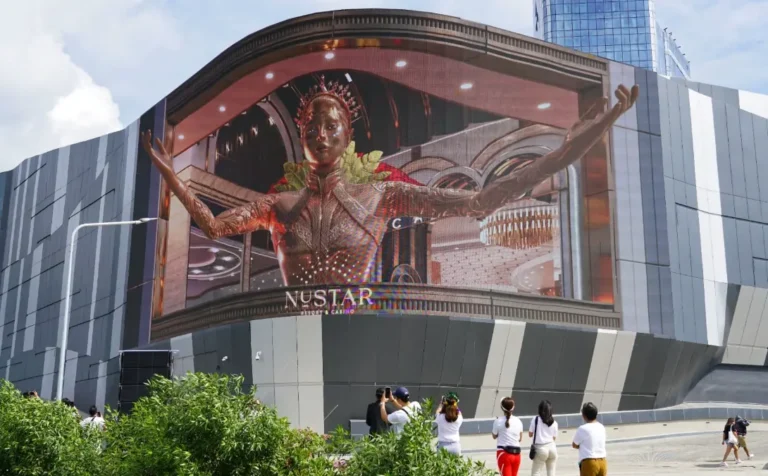
Flexible LED video walls facilitate curved and irregular architectural designs. Transparent LED panels enable advertising on glass façades while maintaining transparency for interior viewing, expanding creative applications.
Additional Dimensions to Consider
| Feature | Explanation | Impact on Selection |
|---|---|---|
| Module Seam Width | Minimal bezel design reduces visible gaps | Essential for seamless visual experience |
| Calibration Process | Pixel-level brightness and color calibration | Uniform display, reduced eye strain |
| Cooling Mechanisms | Active vs. passive heat dissipation | Reliability in outdoor/long-hour use |
| Power Consumption | Energy-efficient drivers and power supply topologies | Long-term OPEX reduction |
| Installation Access | Front vs. rear serviceability | Installation speed and on-site maintenance |
Conclusion
As we enter 2026, LED video walls remain the gold standard for large-scale, high-visibility digital displays across industries and public venues. Understanding the appropriate size, aspect ratio, and technological specifications ensures you realize maximum impact within your spatial and budgetary constraints.
With rising innovations like Micro-LED, AI-powered management, and flexible panels, the scope and quality of LED video walls are set to grow further. Selecting the right configuration today is integral to future-proofing your investment as visual demands evolve.