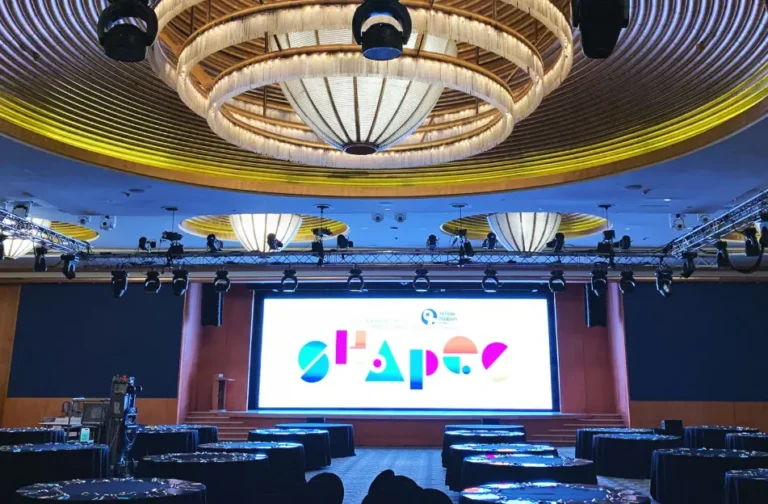
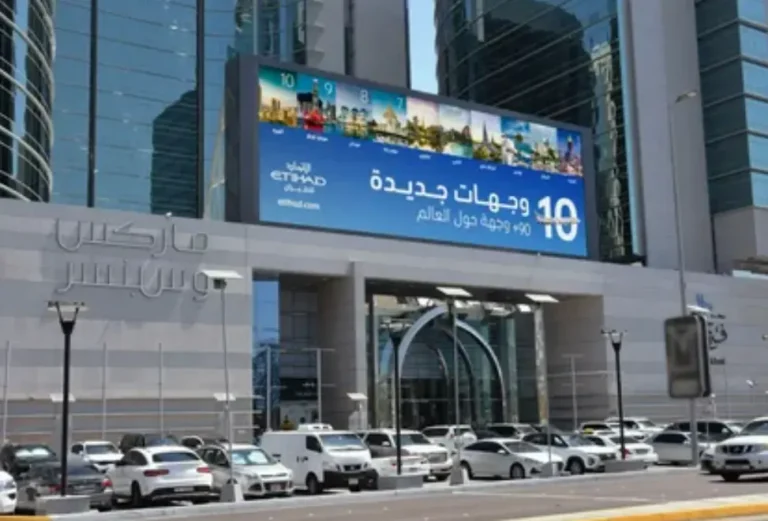
Why Los Angeles Drives LED Rental Demand
Los Angeles is not simply a large event market — it is structurally unlike any other city for LED rental demand. Hollywood film productions, major label concert touring, brand launch activations, streaming platform premieres, and corporate events for Fortune 500 companies all run simultaneously, year-round. The result is the most competitive and technically sophisticated LED rental ecosystem in the United States.
Having assessed LED setups across LA event types from brand activations in DTLA to stadium-scale concert builds at SoFi and the Hollywood Bowl, the consistent challenge is not finding equipment — it is specifying the right configuration for the specific venue and audience, then sourcing a supplier whose technical depth matches the event’s requirements.
What Is Driving Growth in 2026
- XR and virtual production — film and television productions are deploying LED volumes on studio lots and temporary soundstages across the LA basin, creating demand for fine-pitch rental inventory that did not exist at this scale four years ago
- Brand activation density — LA’s advertising and brand event calendar is year-round, with agencies booking LED walls for product launches, pop-up retail, and immersive experiences in venues from Westwood to Venice Beach
- Touring concert infrastructure — major-label touring continues to use LA as a production hub, with rigging and setup crews building complex multi-surface LED systems at multiple venues per week
- Award season and entertainment events — the January–March window sees concentrated demand around the Grammys, Oscars, and associated press events, driving premium pricing and reduced availability
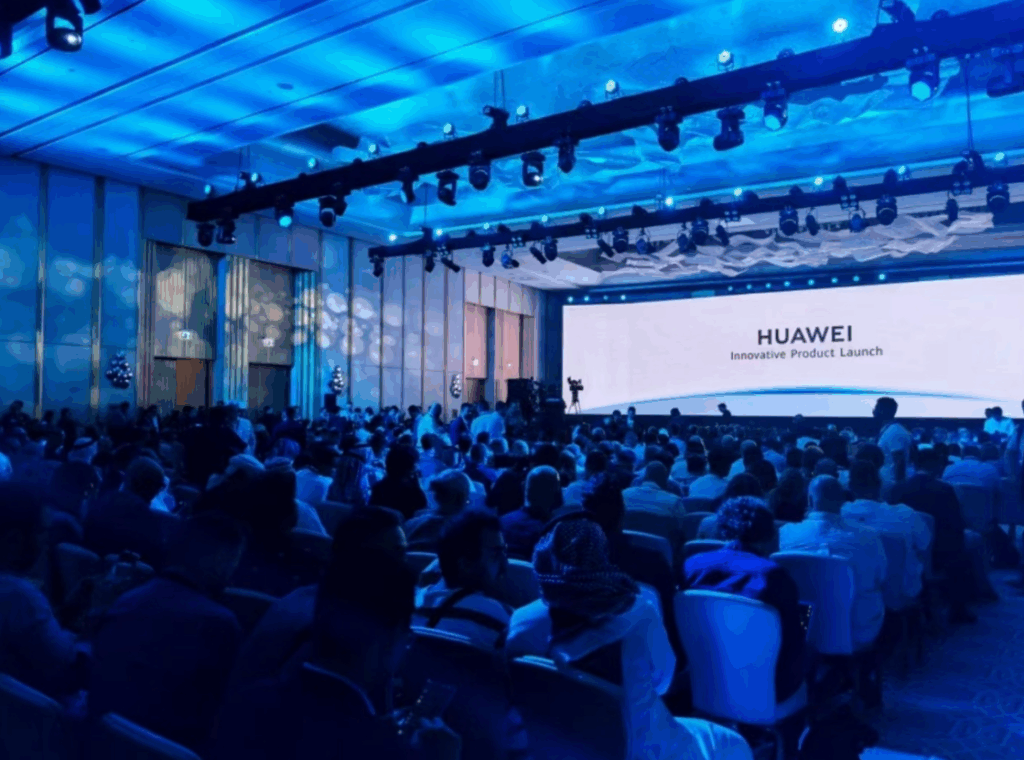
2026 LED Video Wall Rental Pricing in Los Angeles
LED wall rental ranges from $1,500 to $15,000+ based on size, pixel pitch, and hours. The Los Angeles market sits at the upper end of national pricing ranges due to union labor requirements and high logistics costs.
Price by Configuration — Los Angeles 2026
| Configuration | Size | Pixel Pitch | Daily Rate (All-In Est.) |
|---|---|---|---|
| Small corporate / trade booth | 3×2 m | P2.6–P3.9 | $1,500–$2,500 |
| Standard stage backdrop | 6×4 m | P3.9 | $2,500–$4,500 |
| Large concert / event wall | 10×5 m | P3.9–P4.8 | $5,000–$10,000 |
| Premium film / broadcast | 8×4 m | P1.9–P2.6 | $6,000–$12,000 |
| Full XR virtual production volume | Custom | P1.9–P2.6 | $15,000–$40,000+/week |
| Outdoor festival / activation | 8×5 m | P3.9–P4.8 | $5,000–$12,000 |
Estimates include panels, structure, processor, delivery within LA County, setup, and one on-site technician. Rigging, content creation, and extended technician hours are additional.
Per-Square-Meter Daily Rate Reference
Rental pricing for mid-resolution panels typically runs $300–$450 per sqm per week, which translates to approximately $60–$100/m²/day for standard indoor configurations. Fine-pitch panels (P1.9–P2.6) command $120–$200/m²/day in the LA market.
5 Factors That Determine Your Final Quote
Screen Size — The Primary Variable
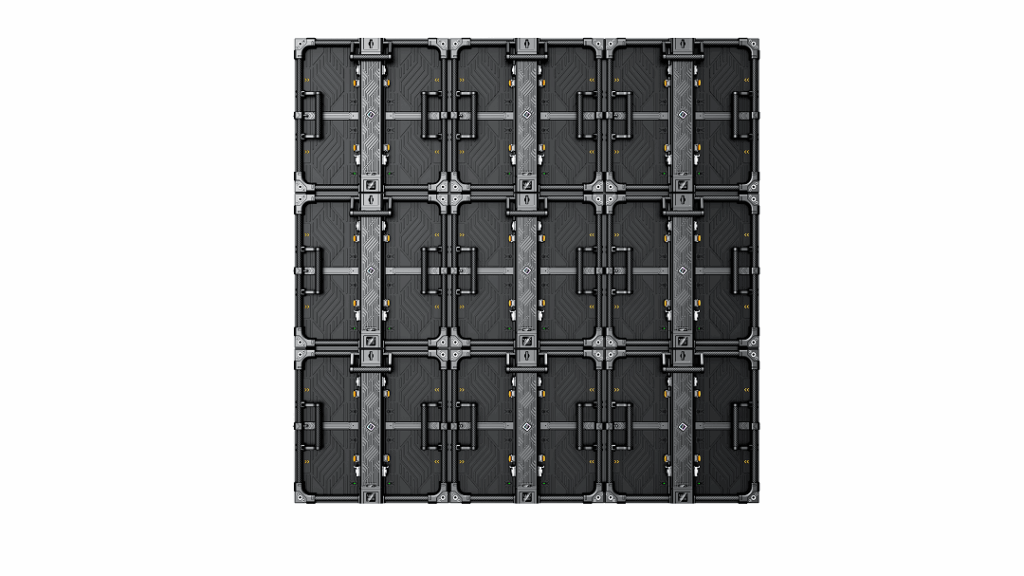
LED walls are modular — built from individual panels (typically 500×500 mm or 500×1,000 mm) that lock together. More panels means more cost across every line item: hardware, transport, power, and crew. This is the single biggest price lever in any rental quote.
Pixel Pitch — Quality vs. Cost Trade-Off
Higher resolution (smaller pixel pitch) commands higher rental rates because the hardware is more expensive to manufacture and the content pipeline is more demanding. For most LA event applications:
- P1.9–P2.6: Premium events, broadcast-quality output, XR production, close-range luxury activations
- P3.9: The most common all-purpose choice for concerts, corporate events, and brand activations
- P4.8–P6: Large outdoor events where viewing distances exceed 15–20 meters
Higher resolution with a smaller pixel pitch results in sharper images, but the rental firm must invest more in pixel technology, which increases the overall rental cost. Cmgvisuals
Indoor vs. Outdoor — A Major Price Multiplier
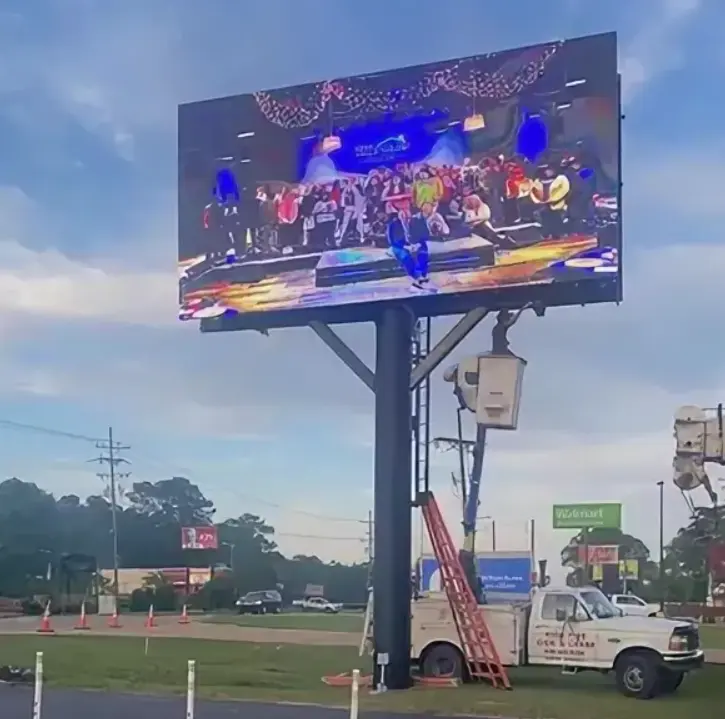
Outdoor screens require higher brightness pixels to counteract direct sunlight. Because of this, a weatherproofing design requires a higher up-front cost, which increases the overall rental cost. Outdoor-rated LED panels also cost more from a rigging perspective, as weather can create a safety hazard if not properly secured. Cmgvisuals
Outdoor configurations in LA specifically require 5,000–8,000 nit brightness for daytime readability, IP65-rated panels, and in many cases wind load engineering for exposed sites.
Rigging vs. Ground-Stack Installation
Ground-stacking is faster, requires less specialized labor, and is suitable for most stage backdrop applications. Flying (rigging) a wall from a truss or ceiling structure adds 20–40% to total cost but enables configurations — overhead displays, angled arrays, center-hung arrangements — that ground-stacking cannot achieve.
For LA’s theatrical venues (Dolby Theatre, Microsoft Theater, YouTube Theater), rigging is frequently mandatory due to venue floor space constraints. Always confirm rigging feasibility and cost with both your supplier and the venue before finalizing any quote.
Technician and Labor Costs
Union technician rates in major metro markets run approximately $145–$195 per hour. For a 10-hour event day with a two-person crew, this alone adds $2,900–$3,900 to total cost before any equipment is included. Always confirm:
- Is a technician included or billed separately?
- What are the overtime rates if the event runs long?
- How many crew members are required for your configuration?
- Technician overtime typically costs $50–$150 per hour depending on location and crew size.
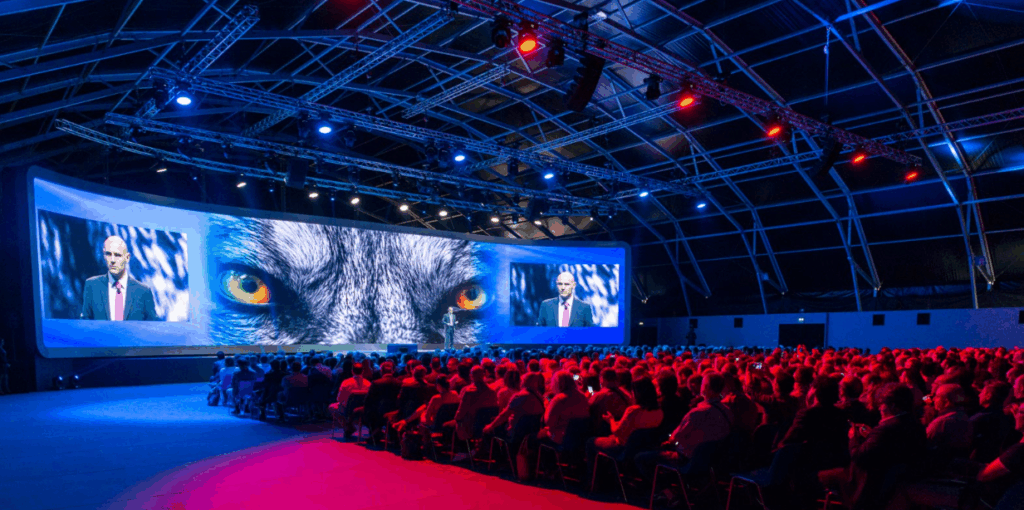
Hidden Costs LA Event Planners Frequently Miss
The most common source of budget shock in LA LED rentals is the gap between a panel-only quote and the final invoice. These items are frequently omitted from initial proposals:
| Cost Item | Typical LA Range |
|---|---|
| Delivery and return transport (within LA County) | $300–$800 |
| Rigging and structural engineering | +20–40% of base hardware cost |
| Media server / video processor (if not included) | $300–$800/day |
| Content formatting and pre-show testing | $500–$2,000 |
| Generator rental (outdoor, ≥10 kW) | $300–$600/day |
| Cable runs and power distribution | $200–$600 |
| Technician overtime (per hour beyond standard hours) | $145–$195/hour |
| Permit fees for outdoor public-space installations | $200–$1,500 |
The single most important check: Confirm whether each quote is panel-only, equipment-only, or full-service all-in. When looking at more than one vendor, it’s better to compare them line by line than by headline price. Two quotes may look similar, but one may not include delivery and pickup while the other does. Another may only send a technician to set up, not to run the event live.
Pixel Pitch Selection Guide for LA Events
Getting pixel pitch right is the decision that most directly affects both image quality and cost. Use this framework:
Viewing Distance Decision Table
| Viewing Distance | Recommended Pitch | Typical LA Application |
|---|---|---|
| 3–5 m (10–16 ft) | P1.9–P2.6 | Trade show booths, intimate brand activations, broadcast close-ups |
| 5–10 m (16–33 ft) | P2.6–P3.9 | Corporate stage backdrops, award ceremonies, product launches |
| 10–20 m (33–65 ft) | P3.9–P4.8 | Concert stages, large venue events, Hollywood premieres |
| 20 m+ (65 ft+) | P5–P6 | Outdoor festivals, stadium screens, large public displays |
The rule of thumb: Multiply pixel pitch (in mm) by 1,000 to get the minimum comfortable viewing distance in millimeters. P3.9 = 3,900 mm = roughly 13 feet minimum. Going finer than your actual viewing distance requires is over-specification — and in LA’s rate environment, meaningful over-spending.
Special Case: XR and Virtual Production
For XR studio builds and virtual production volumes — an increasingly significant part of LA’s rental market — pixel pitch requirements are driven by camera sensor resolution and shooting distance, not audience viewing distance. P1.9 is the practical minimum; P1.5 and finer are used for close-up camera-to-wall work. These configurations command the highest rental rates in the market.
Rent vs. Buy: Which Makes Sense for Your Operation?
For most LA event producers, rental is the correct default — but the math changes at scale.
When Rental Is Right
- One-off or infrequent events (fewer than 15–20 per year)
- Events requiring different configurations each time (varying sizes, pitches, outdoor/indoor mix)
- Operations without secure storage or maintenance infrastructure
- First-time LED users who want to test configurations before committing capital
When Ownership Becomes Compelling
For mid-volume users running 300–600+ hours annually, spreading capital expenditure across five years significantly lowers cost per operating hour compared to rental. Cumulative rental spending can exceed ownership cost within 2–3 years at moderate event volumes.
For an LA production company running 30+ events per year with consistent P3.9 requirements, purchasing a 40–60 m² inventory and white-labeling excess rental capacity to other agencies is a proven revenue model in this market.
5-Year Cost Comparison (40 m² P3.9 Configuration)
| Factor | Rental Model | Purchase Model |
|---|---|---|
| Year 1 Equipment Cost | $0 | $80,000–$120,000 |
| Annual Rental (30 events × $3,500) | $105,000 | $0 |
| Annual Maintenance | Included | $6,000–$10,000 |
| 5-Year Total | $525,000+ | $130,000–$170,000 |
| Break-Even Point | — | ~Year 1.5 |
Based on LA market rates. Assumes consistent panel spec, local storage, and in-house technical capability.
Recommended Hardware: The Carbon Family for LA Conditions
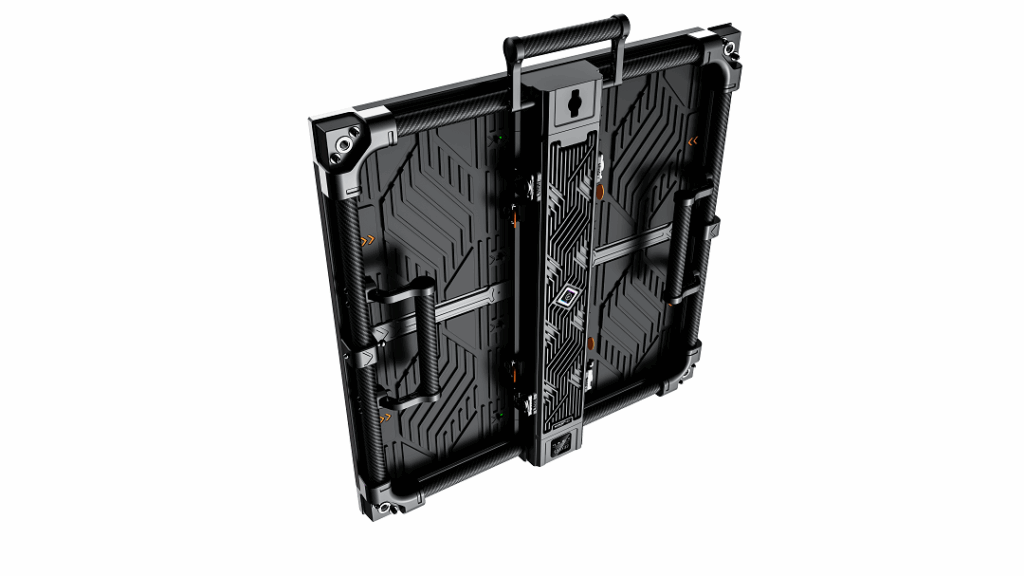
For rental operations and event producers evaluating which panel system best fits Los Angeles’s specific demands — touring builds, theatrical rigging, outdoor activations, and XR production — the Carbon Family series warrants direct consideration.
Why Carbon Fiber Matters in the LA Market
Los Angeles event production involves a level of logistical complexity — multi-venue touring, airport freight, venue load-in windows measured in hours — where panel weight directly translates to cost and operational risk.
| Feature | Carbon Family | Standard Aluminum (e.g., Hima) |
|---|---|---|
| Panel weight | 4.0–4.5 kg | 7.5–8 kg |
| Weight reduction | 48% lighter | Baseline |
| Impact resistance | +30% | Standard |
| Setup time | ~5 min/person | ~10 min/person |
| Pixel pitch range | P1.9–P3.9 | P2.6–P3.9 |
| Brightness range | 800–5,000 nit | Up to 5,000 nit |
| Outdoor rating | IP65 | IP65 |
Best-Fit Scenarios in Los Angeles
- Touring concert builds: 35% lower freight cost across multi-city legs; faster venue load-in against tight union call windows
- Theatrical ceiling rigging: Lower panel weight directly reduces truss load calculations — critical for older LA venues with load-limit constraints
- XR and virtual production stages: The fine-pitch end of the range (P1.9) meets camera-facing broadcast requirements; lightweight panels simplify reconfiguration between shooting days
- Outdoor brand activations: IP65 rating handles LA’s outdoor event conditions; lighter panels reduce ground-support structural requirements
The 10–15% rental premium over standard aluminum panels is consistently offset by transport savings, faster setup (reducing union crew hours), and lower structural engineering costs on rigged builds.
The LA Rental Process: Step by Step
Step 1 — Define Your Requirements (2 Weeks Before Quote)
Before contacting any supplier, confirm:
- Event type, venue, and indoor vs. outdoor
- Approximate screen dimensions and viewing distance
- Required pixel pitch (use the table above)
- Number of event days including load-in and load-out
- Power availability at venue (220V/50A minimum for most configurations)
- Rigging or ground-stack requirement
Step 2 — Request Itemized Quotes From at Least Three Suppliers
Request full-service quotes — not panel-only pricing. Confirm each quote includes: panels, structure, processor, delivery, installation, on-site technician, and teardown. Apply the same specification to all three quotes before comparing prices.
Step 3 — Site Survey
For any installation beyond a basic ground-stacked backdrop, a physical site survey is strongly recommended. Confirm:
- Floor load limits (for ground-stacked structures)
- Ceiling rigging points and rated load capacity
- Power feed location and amperage available
- Load-in access (elevator dimensions, dock access, union call times)
Step 4 — Contract and Deposit
Standard LA rental contracts require a 50% deposit at signing. Confirm:
- Rental period (3-day minimum is common; day rates apply for shorter bookings)
- Damage liability terms
- Cancellation policy (peak-season cancellations within 2 weeks typically forfeit the deposit)
- Backup panel inventory policy
Step 5 — Content Preparation and Pre-Show Testing
Send finalized content to your supplier at least 48 hours before the event. For complex builds (multi-surface, non-standard aspect ratios), 72–96 hours is safer. The technical team will map, test, and calibrate color uniformity before load-in.
Step 6 — Event Day Operation and Teardown
Professional full-service suppliers provide a dedicated technician for the event duration to monitor output, manage content playback, and resolve any technical issues in real time. Teardown typically occurs within 2–4 hours post-event, with panels returning in condition-checked flight cases.
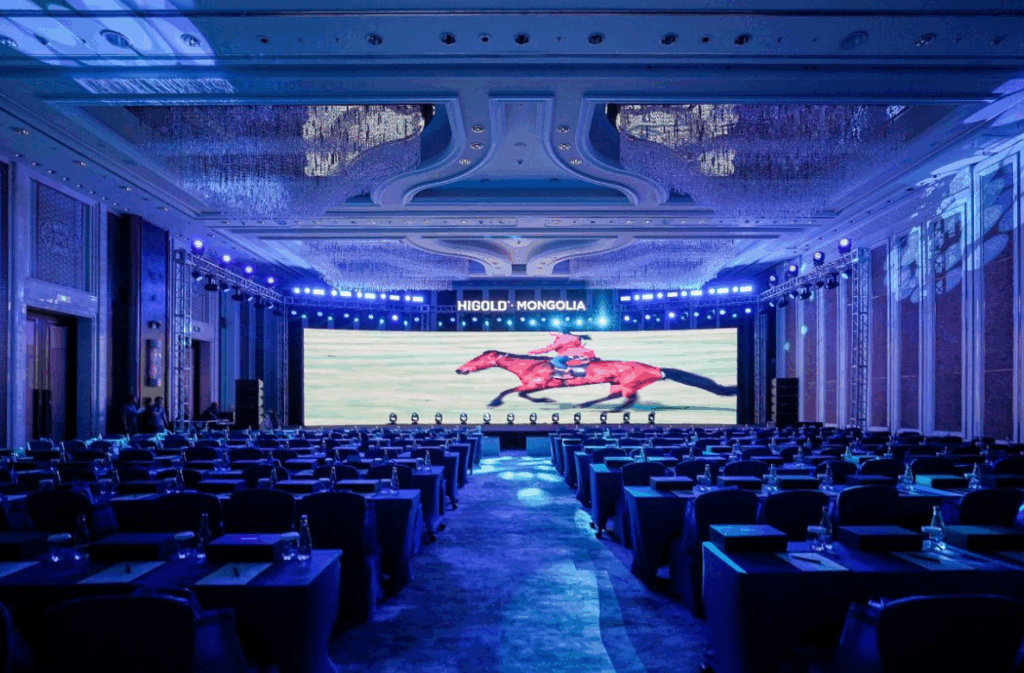
Top LA Venues and Event Types: Configuration Reference
| Venue / Event Type | Typical Screen Size | Recommended Pitch | Est. Daily Rate |
|---|---|---|---|
| Hollywood premiere (outdoor red carpet) | 8×5 m | P3.9 | $6,000–$10,000 |
| Corporate conference (LA Convention Center) | 6×3 m | P2.6–P3.9 | $3,000–$5,000 |
| Brand activation (Sunset Strip, DTLA) | 4×3 m | P3.9 | $2,000–$3,500 |
| Concert stage (Hollywood Bowl support) | 12×6 m | P3.9–P4.8 | $8,000–$15,000 |
| Trade show (LAEDC, LA Auto Show) | 5×3 m | P2.6 | $3,500–$6,000 |
| XR virtual production (studio lot) | Custom volume | P1.9–P2.6 | $15,000–$40,000/week |
| Wedding reception (Beverly Hills) | 3×2 m | P3.9 | $1,500–$2,500 |
FAQ
How much does LED video wall rental cost in Los Angeles in 2026?
The average price for an LED screen wall rental in Los Angeles is approximately $4,600 for a standard event configuration with on-site technician. Smaller setups (3×2 m, indoor) start around $1,500/day. Large concert or production builds run $8,000–$15,000+/day. Angelsmusic
How far in advance should I book LED video wall rental in LA?
For standard corporate events and brand activations, 2–4 weeks is workable. For peak periods — award season (January–March), Coachella and festival season (April–June), major trade shows, and large concert builds — book 4–8 weeks minimum. XR production volumes for multi-day shoots should be locked 6–12 weeks out.
What pixel pitch is best for a concert or large LA event?
P3.9 is the most versatile and cost-effective choice for audiences at 30–60 feet from the screen — which covers the majority of LA concert and event configurations. For premium broadcast-quality output or close-range luxury activations, P2.6 or P1.9 is the correct specification.
Are carbon fiber LED panels worth the extra cost in LA?
For touring builds, theatrical rigging, and multi-day productions, yes. Carbon fiber panels (≈4 kg vs. ≈7.5 kg for aluminum) reduce freight costs by approximately 30–35% on touring builds and reduce rigging load calculations — which can be the difference between an installation passing or failing a venue’s structural load limit. The 10–15% rental premium typically pays for itself in transport and labor savings.
What power supply is needed for outdoor LED wall rental in LA?
Most outdoor LED configurations require a dedicated 220V/50A circuit minimum. For larger walls (10×5 m+), a 100A feed or a generator rated at ≥10 kW is standard. Confirm power availability at your specific site before finalizing any outdoor quote — retrofitting power after the fact is expensive and sometimes impossible within a venue’s load-in timeline.
What should I verify before signing an LA LED rental contract?
Confirm: full-service scope (panels, structure, processor, delivery, setup, on-site tech, teardown all included); damage liability terms; cancellation policy; backup panel availability; content submission deadline; and union crew requirements specific to your venue.
Can I rent just the panels without a technician in Los Angeles?
Dry hire (panels only, no crew) is available from select LA suppliers for experienced AV operators and production companies with in-house LED technical staff. For first-time users or events where downtime is not acceptable, full-service with a dedicated technician is the correct choice — the cost difference is marginal relative to the risk exposure.
Conclusion: In LA, the Right Specification Beats the Lowest Price
Los Angeles’s LED video wall rental market is mature, competitive, and technically sophisticated. The suppliers are capable. The equipment is available. The variable that most determines whether your event delivers its visual impact — and whether your budget is spent efficiently — is specification quality before any supplier conversation begins.
The three decisions that drive everything:
- Screen size matched to your actual venue — not the largest configuration that fits the space
- Pixel pitch matched to your minimum viewing distance — not to the highest resolution available
- Full-service vs. equipment-only — determined by whether your team has the in-house technical capability to operate without a dedicated technician
Get these three right before requesting a single quote, and the LA rental market will give you strong options at every price point.