What Most Rental Guides Don’t Tell You Upfront
The biggest mistake event planners make when renting LED screens in Malaysia is budgeting only for the hardware. The screen itself is typically 50–65% of the total invoice. Delivery, rigging, power distribution, technical crew standby, and dismantling make up the rest — and these costs vary significantly between suppliers. Getting three quotes that look similar on paper can mean very different things once the full scope is itemized.
The second common mistake is specifying the wrong pixel pitch. A P4 outdoor screen looks fine for a stadium crowd at 20 meters but produces visible pixelation at a 5-meter corporate gala. This guide gives you the numbers to specify correctly from the start, so you’re not paying for a screen that doesn’t match your venue or audience distance.
Malaysia LED Rental Market: 2026 Context
Malaysia’s event and digital media sector has recovered strongly post-2023, with Kuala Lumpur consolidating its position as Southeast Asia’s primary MICE destination. Key demand drivers in 2026:
- MICE sector growth — KL Convention Centre, MITEC, and Sunway Convention Centre host 400+ major events annually, with LED screen rental a standard line item for most productions
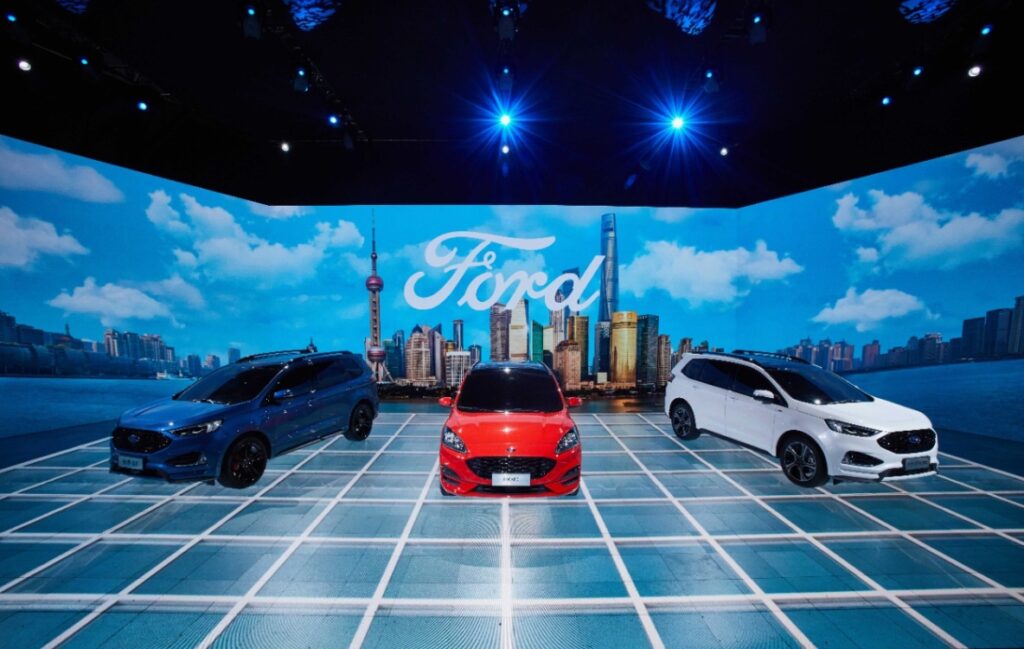
- Retail activation — Mall operators in Pavilion, Mid Valley, and Sunway Pyramid increasingly specify LED rental for brand activation campaigns over static signage
- Government and public events — National Day, Hari Raya celebrations, and state-level cultural festivals drive seasonal demand spikes (July–September, March–April)
- Sports infrastructure — Bukit Jalil National Stadium and state-level venues use rental LED for non-permanent scoreboard and perimeter advertising applications
The market is served by a mix of local rental houses, regional AV integrators, and direct-from-manufacturer supply chains. Chinese LED manufacturers (including SoStron) supply panels to Malaysian rental companies, which then provide full-service packages to end clients.
LED Screen Types Available for Rental in Malaysia
Indoor vs. Outdoor: Core Specification Differences
| Screen Type | Pixel Pitch | Brightness | IP Rating | Typical Application | Daily Rate (MYR/m²) |
|---|---|---|---|---|---|
| Indoor Fine-Pitch | P1.5–P1.9 | 800–1,200 nits | IP30 | Boardrooms, broadcast, product launches | 350–600 |
| Indoor Standard | P2.6–P3.9 | 1,000–1,500 nits | IP30–IP43 | Conferences, weddings, exhibitions | 200–400 |
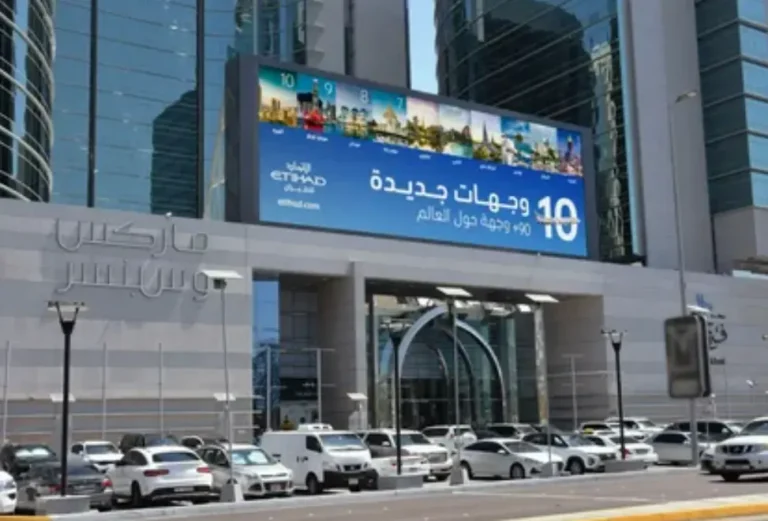
| Outdoor Standard | P3.9–P5.9 | 4,000–6,000 nits | IP65 | Concerts, sports, outdoor advertising | 500–900 |
| Outdoor High-Bright | P6.0–P10 | 6,000–10,000 nits | IP65–IP67 | Daylight-facing billboards, stadiums | 700–1,200 |
| Transparent LED | P3.9–P7.8 | 1,500–3,000 nits | IP43 | Retail windows, glass facades | 600–1,200 |
| Flexible/Curved LED | P2.6–P3.9 | 1,000–2,000 nits | IP43 | Creative installations, curved stages | 500–1,000 |
Pixel Pitch Selection by Viewing Distance
A practical formula: minimum viewing distance (meters) = pixel pitch (mm) × 1,000 ÷ 3,438
| Venue Type | Typical Viewing Distance | Recommended Pitch | Notes |
|---|---|---|---|
| Boardroom / meeting room | 2–5m | P1.5–P1.9 | Camera-facing events need high refresh rate |
| Wedding ballroom | 5–15m | P2.6–P3.9 | Color accuracy priority |
| Exhibition booth | 3–8m | P2.6–P3.9 | Portability and fast setup important |
| Concert stage backdrop | 15–50m | P3.9–P5.9 | Brightness and viewing angle critical |
| Outdoor festival | 20–100m | P5.9–P10 | IP65+, high brightness mandatory |
| Stadium scoreboard | 50–200m | P8–P16 | Structural mounting, long-term rental |
Rental Applications: What Each Event Type Actually Needs
Corporate Events and Conferences
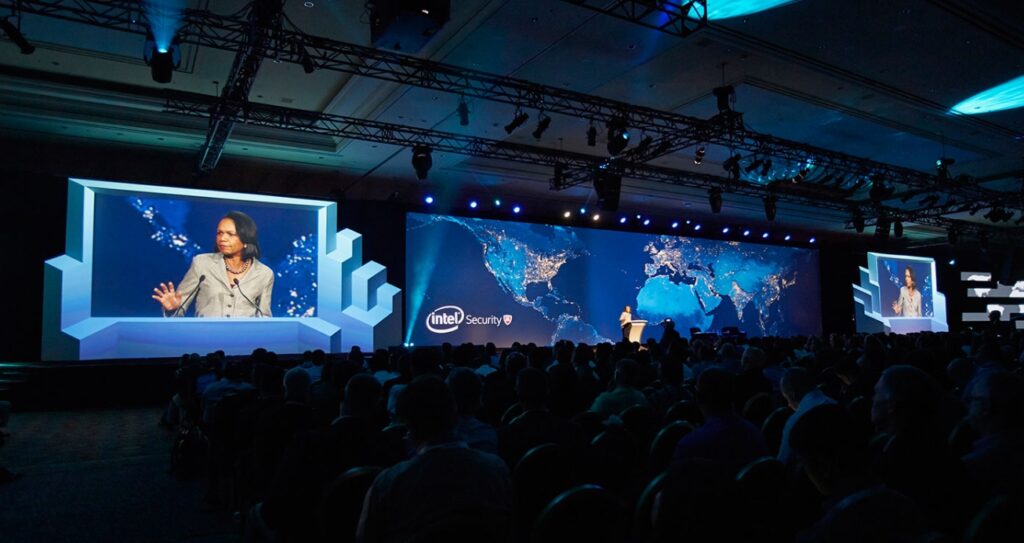
Annual meetings, product launches, and trade shows are the highest-volume rental category in Malaysia. Requirements:
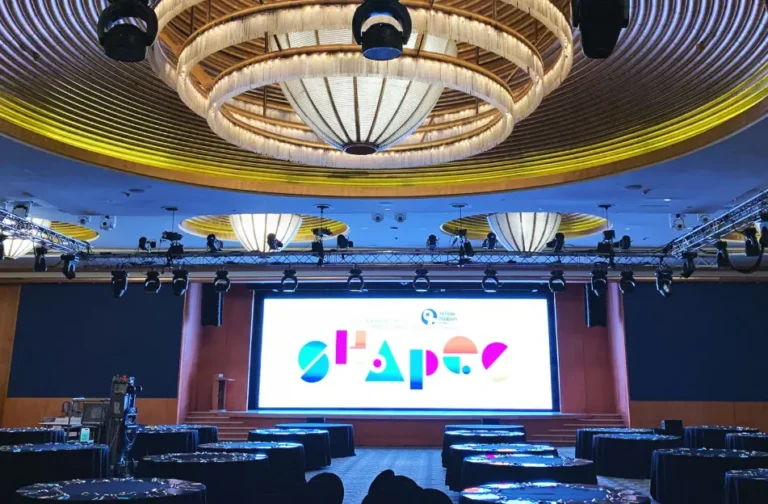
- P2.6–P3.9 for standard conference halls; P1.9 if cameras are present for live streaming
- Refresh rate minimum 3,840Hz for flicker-free video recording
- Content management system with HDMI/SDI input switching
- Backup processor and spare modules on-site (non-negotiable for mission-critical events)
Concerts and Entertainment Events
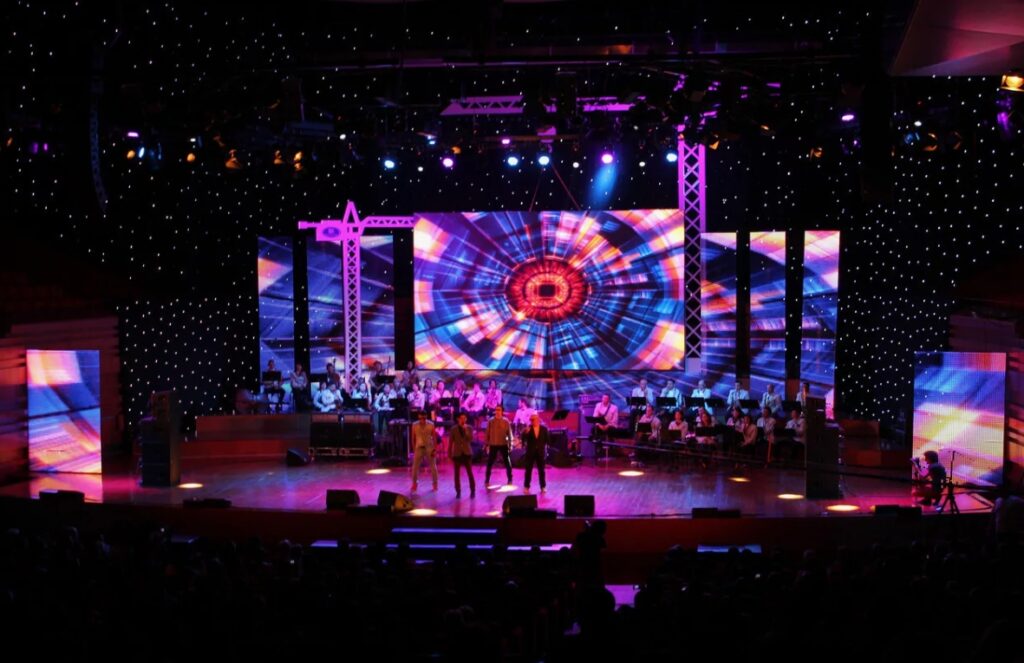
Malaysia’s concert market — anchored by Stadium Merdeka, Axiata Arena, and outdoor festival venues — demands high-brightness outdoor panels with fast rigging systems.
- P3.9–P5.9 for main stage backdrop; P2.6–P3.9 for IMAG (image magnification) side screens
- Minimum IP65 for outdoor venues; IP67 for monsoon-season events (October–January)
- Ground-support or delay tower configurations for large outdoor footprints
- 16:9 and custom aspect ratio configurations for stage design integration
Weddings and Private Celebrations
Malaysia’s wedding market — particularly for Chinese, Malay, and Indian community celebrations — uses LED screens extensively for photo montages, live feeds, and decorative backdrops.
- P2.6–P3.9 is standard; P1.9 for premium ballroom events
- Soft, warm color calibration is important — default factory settings often run too cool for wedding aesthetics
- Confirm the supplier can deliver and rig within hotel ballroom loading dock constraints
Sports Events and Stadiums
- Perimeter LED (P6–P10, outdoor-rated) for pitch-side advertising
- Scoreboard and statistics display (P8–P16, high-brightness)
- Replay screens for large venues (P5.9–P8, high refresh rate for motion clarity)
Full Price Breakdown: What You’re Actually Paying For
2026 Malaysia LED Rental Pricing Structure
| Cost Component | Typical Share of Total Invoice | Notes |
|---|---|---|
| Screen hardware rental | 50–65% | Per m² per day rate |
| Delivery and logistics | 8–12% | Distance-dependent; KL city center lower |
| Rigging and installation | 10–15% | Complexity-dependent; high-altitude adds cost |
| Power distribution | 3–6% | Generator rental if venue power insufficient |
| Technical crew standby | 8–12% | Per technician per day; events need minimum 2 |
| Content management | 3–8% | If supplier provides playback operator |
| Dismantling and return | 5–8% | Often bundled but sometimes itemized |
| SST (6%) | Applied to total | Mandatory; confirm if quote is inclusive or exclusive |
Worked Example: 3-Day Outdoor Concert
- Screen: 40m² outdoor P3.9, MYR 700/m²/day
- Hardware: 40 × 700 × 3 = MYR 84,000
- Delivery + installation + rigging: MYR 12,000
- Power distribution (generator): MYR 4,000
- Technical crew (2 technicians × 3 days): MYR 6,000
- SST 6%: MYR 6,360
- Total: approximately MYR 112,360
Hardware is 75% of this total — but the non-hardware costs are fixed regardless of screen size, meaning smaller screens have proportionally higher overhead ratios.
How to Evaluate a Rental Provider: 6 Non-Negotiable Criteria
1. Equipment Refresh Rate Specification
Ask specifically: what is the refresh rate of the panels you’re supplying? Anything below 3,840Hz will produce banding artifacts in video recordings and live streams. Many budget suppliers use older SMD panels rated at 1,920Hz — acceptable for the naked eye but a problem for any camera-facing event.
2. On-Site Spare Module Policy
Professional rental companies carry 5–10% spare modules on-site for every event. Ask directly: “How many spare modules will your crew have on-site, and what is your response time if a panel section fails during the event?” A supplier who can’t answer this clearly is a risk.
3. IP Rating Verification
For outdoor events, request the IP certification documentation for the specific panels being supplied — not a general company claim. IP65 is the minimum for covered outdoor; IP67 for exposed monsoon-season events.
4. Rigging Certification
In Malaysia, rigging structures above 6 meters require DOSH (Department of Occupational Safety and Health) compliance. Confirm the supplier’s rigging team holds valid certifications and that structural calculations are available for venue approval.
5. Content Input Compatibility
Confirm the processor supports your content source: HDMI 2.0, SDI, DisplayPort, or NDI for broadcast applications. Mismatched connectors discovered on event day are a common and avoidable problem.
6. Contract Clarity on Damage Liability
LED panels are fragile. Clarify in writing: who is liable for panel damage during the rental period, what the per-panel replacement cost is, and whether the supplier carries equipment insurance. Some contracts place full replacement liability on the client for any damage regardless of cause.
Rental vs. Purchase: When Does Buying Make More Sense?
| Factor | Rent | Buy |
|---|---|---|
| Event frequency | < 6 events/year | > 12 events/year |
| Screen size consistency | Variable per event | Consistent, defined use case |
| Storage and logistics | No capability | Have warehouse and transport |
| Technical staff | No in-house AV team | Have or can hire AV team |
| Capital budget | Limited | Available |
| Technology refresh preference | Want latest equipment | Comfortable with 3–5 year cycle |
The break-even point for most Malaysian event companies is approximately 15–20 rental days per year for a given screen configuration. Below that threshold, renting is almost always more economical when total cost of ownership (storage, maintenance, depreciation) is factored in.
Conclusion
Malaysia’s LED screen rental market in 2026 is mature, competitive, and well-supplied — which means the quality gap between suppliers is primarily in service reliability, not hardware availability. The screen itself is a commodity; what differentiates a good rental experience is the technical crew’s competence, the supplier’s spare parts policy, and the clarity of the contract.
Specify your pixel pitch based on viewing distance, confirm refresh rate for any camera-facing event, verify IP rating documentation for outdoor use, and get full-scope quotes that itemize every cost component including SST. Those four steps eliminate the majority of rental problems before they happen.
SoStron supplies rental-grade LED panels to Malaysian integrators and event companies across P1.9–P3.9 configurations, with COB and SMD options for indoor and outdoor applications. Contact our team for panel specifications, pricing, and integration support.