Quick Answer
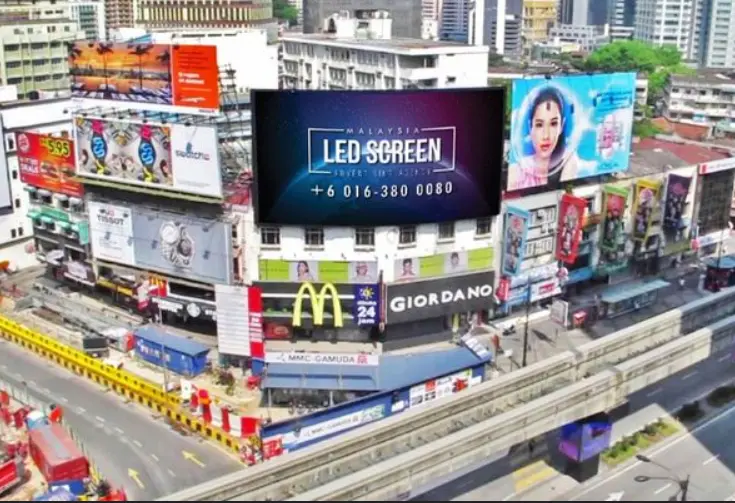
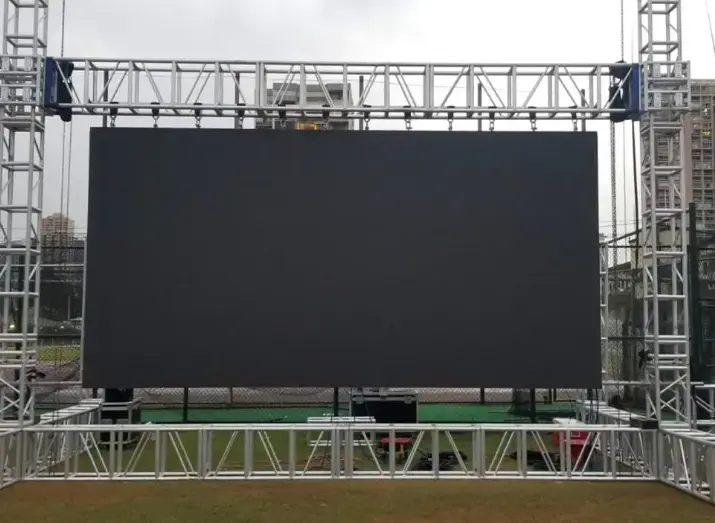
A P3.91 outdoor waterproof LED screen is an outdoor LED display with a nominal pixel pitch of 3.91 mm, designed for applications such as digital billboards, commercial façades, outdoor events, and large-format advertising. Its relatively fine pixel pitch provides detailed images at closer viewing distances than many larger-pitch outdoor displays.
The price of a P3.91 outdoor LED screen depends on its LED package, cabinet design, brightness, waterproofing, control system, installation requirements, and order quantity. A reliable price comparison must distinguish the LED display hardware from the complete project cost, including structural engineering, electrical work, shipping, installation, and maintenance.
P3.91 is worth considering when an outdoor project requires a balance between image detail, viewing distance, and display size. However, it is not automatically the best choice for every billboard. Buyers should evaluate the actual viewing environment, sunlight exposure, weather conditions, maintenance access, and total ownership costs before selecting a configuration.
This guide explains the technical specifications, price factors, installation requirements, and supplier evaluation criteria that commercial buyers should understand before purchasing a P3.91 outdoor LED display.
P3.91 Outdoor LED Screen at a Glance
| Specification | What Buyers Should Know |
|---|---|
| Pixel Pitch | 3.91 mm |
| Pixel Density | Approximately 65,536 pixels/m² |
| Display Type | Outdoor LED display |
| Typical Applications | Digital billboards, commercial façades, outdoor events, advertising displays |
| Brightness | Configuration-dependent; verify the rated value for the exact model |
| Waterproofing | Check the specified IP rating and tested enclosure |
| Maintenance | Front or rear access, depending on cabinet design |
| Installation | Fixed installation or rental, depending on the product |
| Price | Configuration-dependent; obtain a project-specific quotation |
| Main Buying Considerations | Viewing distance, brightness, weather protection, power, structure, maintenance, and total cost |
Important: The pixel pitch and pixel density above describe the nominal display geometry. Brightness, IP rating, power consumption, refresh rate, cabinet dimensions, and warranty must be verified against the specific product configuration rather than assumed to be universal P3.91 specifications.
1. What Does P3.91 Pixel Pitch Mean?
Pixel pitch is the distance between the centers of two adjacent pixels, measured in millimeters.
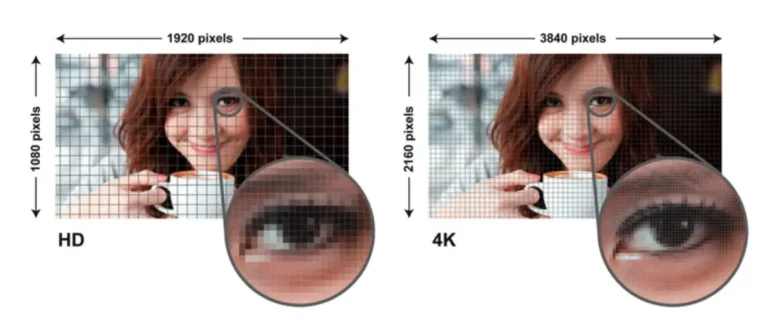
For a P3.91 LED display, the nominal distance between adjacent pixels is 3.91 mm. A smaller pixel pitch generally provides higher pixel density and more image detail at a given screen size.
P3.91 is positioned between finer-pitch outdoor displays and larger-pitch options commonly used for long-distance advertising.
How Many Pixels Does a P3.91 LED Screen Have?
A conventional P3.91 full-color display uses an RGB pixel arrangement, with each pixel containing red, green, and blue LED components.
A nominal P3.91 display has approximately 65,536 pixels per square meter. The exact pixel density stated on a manufacturer’s specification sheet may vary slightly depending on the actual pitch and module geometry.
For example, Sostron’s Ares 3 product specifications list a P3.9 configuration with a pixel density of 65,410 dots/m². This is a product-specific specification and should be used when evaluating that configuration rather than substituting a generic value.
Pixel pitch should not be confused with the physical dimensions of an LED module or cabinet.
| Component | Description |
|---|---|
| Pixel Pitch | Distance between adjacent pixel centers |
| LED Module | A replaceable display unit containing LEDs and electronic components |
| LED Cabinet | A structural enclosure that holds modules and related electronics |
| Pixel Density | Number of pixels within a defined display area |
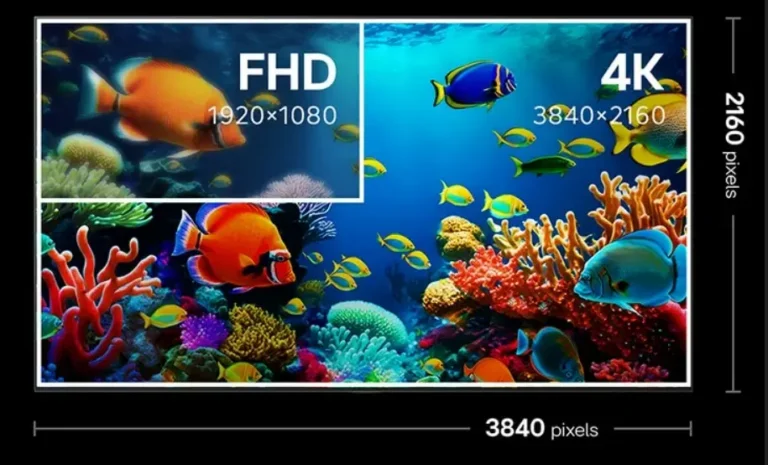
| Screen Resolution | Total horizontal and vertical pixel count of the assembled display |
Understanding these distinctions helps buyers compare products with different module sizes, cabinet dimensions, and assembly designs.
Where Are P3.91 Outdoor LED Screens Used?
P3.91 outdoor LED screens can be used in several commercial environments.
Digital billboards: Suitable for advertising applications where the viewing distance and display size justify a relatively fine pixel pitch.
Commercial façades: Useful for displaying advertising, branding, and promotional content on buildings.
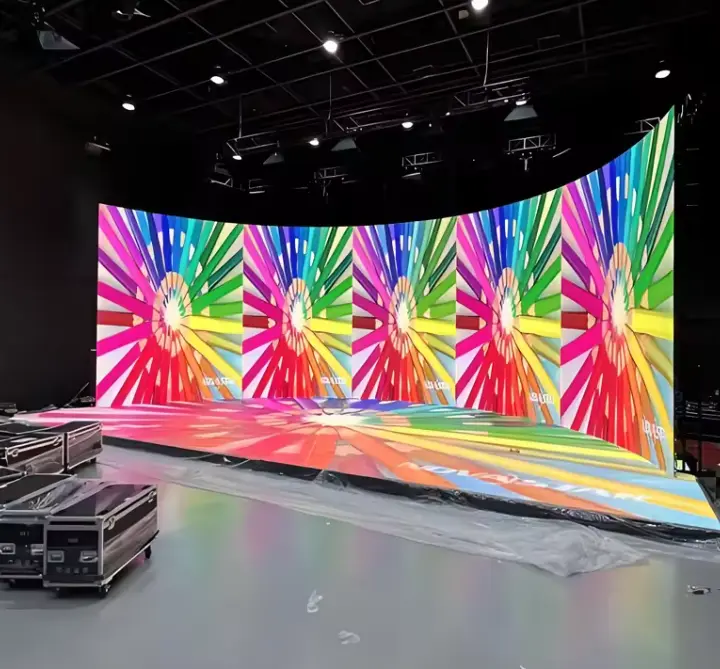
Outdoor events: Suitable for temporary installations when the selected cabinet is designed for outdoor rental use.
Shopping plazas: Can display promotional content, public information, and commercial advertising.
Sports and entertainment venues: Suitable for outdoor display applications where image detail, visibility, and weather protection are important.
The right configuration depends on the project. A permanent billboard and a touring rental screen may both use P3.91 pixels, but their cabinet designs, maintenance requirements, and structural considerations can be very different.
2. How Much Does a P3.91 Outdoor LED Screen Cost?
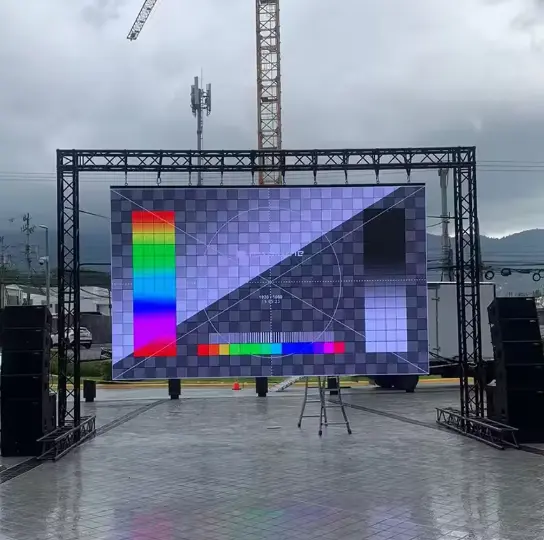
The price of a P3.91 outdoor waterproof LED screen is determined by its actual hardware configuration and project delivery requirements.
A display with a basic cabinet and standard control system may have a different price from a high-brightness screen with advanced processing, lightweight cabinets, additional spare parts, and a customized mounting structure.
There is no single price for every P3.91 outdoor waterproof LED screen. Hardware prices vary according to LED package, brightness, cabinet design, waterproofing, control system, and order quantity. A complete project quotation may also include structural engineering, installation, shipping, customs, spare parts, and commissioning.
For an accurate comparison, buyers should request a detailed quotation that identifies the exact product configuration, delivery terms, included components, and excluded costs. Any published price range should be treated as a dated reference estimate unless supported by a current, comparable supplier quotation.
Online supplier listings can provide initial reference points, but their prices may represent individual cabinets, display hardware, or incomplete project packages. They should not be treated as directly comparable turnkey quotations.
For example, supplier listings may show different P3.91 configurations with different brightness, power consumption, IP ratings, cabinet sizes, and control systems. Those differences can materially affect the price.
What Is the Price per Square Meter?
When requesting a P3.91 outdoor LED screen quotation, buyers should ask suppliers to identify the pricing basis.
| Quotation Type | What It May Include |
|---|---|
| LED Display Hardware | LED modules, cabinets, power supplies, and receiving cards |
| Display + Control System | Display hardware, sending equipment, and control components |
| Complete Display Package | Display, control system, cables, and agreed spare parts |
| Project Supply | Display package, project-specific components, and selected engineering services |
| Turnkey Installation | Display, structure, electrical work, installation, and commissioning, as specified |
The quotation should also state whether the price is EXW, FOB, CIF, or another delivery term.
These terms affect which costs the buyer must pay separately.
A low hardware price does not necessarily mean a low total project cost.
Which Specifications Affect the Price Most?
The following factors have a significant influence on P3.91 outdoor LED screen pricing.
| Price Factor | Why It Matters |
|---|---|
| LED Package | LED package selection affects optical performance and product configuration |
| Brightness | Higher-brightness configurations may require different LED and electrical components |
| Cabinet Material | Aluminum, steel, and specialized cabinet designs have different costs |
| Waterproofing | Sealing, enclosure design, and tested protection requirements affect manufacturing |
| Driver IC | Different driving configurations affect display performance |
| Refresh Rate | Higher-performance configurations may require different components |
| Control System | Processing and synchronization requirements vary by application |
| Maintenance Design | Front access, rear access, and serviceability influence cabinet design |
| Spare Parts | Additional modules, power supplies, and receiving cards increase the initial package cost |
| Order Quantity | Manufacturing, packaging, and logistics costs may vary with quantity |
Buyers should compare equivalent configurations rather than choosing a supplier based on the lowest quoted price per square meter.
What Should Be Included in an LED Screen Quotation?
A professional quotation should clearly identify:
-
Pixel pitch and LED package.
-
Cabinet dimensions and material.
-
Rated brightness.
-
IP rating and applicable test evidence.
-
Refresh rate.
-
Average and maximum power consumption.
-
Control system and processing equipment.
-
Power and signal cables.
-
Spare parts.
-
Warranty conditions.
-
Packaging and shipping terms.
-
Installation scope.
-
Delivery schedule.
A quotation that omits these details may be difficult to compare with another supplier’s offer.
3. Which Specifications Matter Most for Outdoor P3.91 LED Screens?
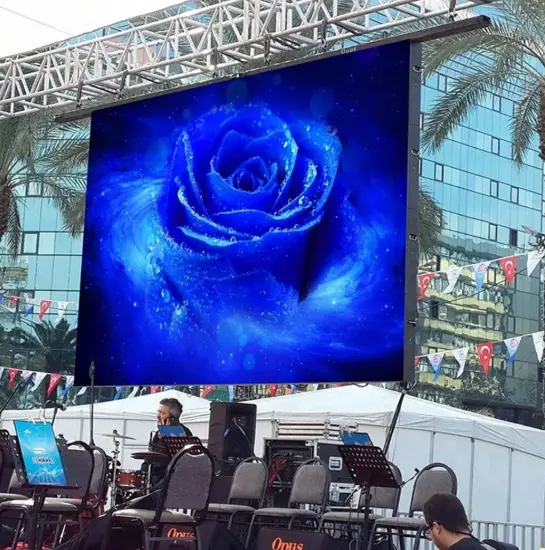
Outdoor LED screens operate in a different environment from indoor displays.
Sunlight, rain, dust, temperature changes, wind, and maintenance access all influence product selection.
The following specifications should be reviewed together rather than evaluated independently.
How Bright Should an Outdoor P3.91 LED Screen Be?
Brightness is commonly expressed in nits or candelas per square meter (cd/m²).
Outdoor LED screens require sufficient brightness to remain visible under ambient light. However, the required brightness depends on the installation environment.
A screen facing direct sunlight may require a different configuration from one installed beneath a covered structure or used primarily at night.
Sostron’s Ares 3 product information lists a P3.9 configuration with a manufacturer-specified pixel density of 65,410 dots/m². This is a product-specific value and should be confirmed against the exact model and configuration quoted for the project. Other P3.91 display configurations may specify a different pixel density.
Brightness Selection by Application
| Application | Selection Considerations |
|---|---|
| Outdoor Commercial Façade | Building orientation, direct sunlight, viewing distance |
| Digital Billboard | Ambient light, advertising content, viewing distance |
| Outdoor Event | Daytime visibility, event duration, audience position |
| Covered Outdoor Installation | Reduced direct sunlight, ambient light |
| Night-Time Advertising | Brightness control, viewing comfort, local lighting requirements |
Higher brightness is not automatically better.
An excessively bright display may increase power consumption and thermal load. At night, high brightness can also affect visual comfort and create lighting concerns.
Buyers should evaluate the actual environment and request the manufacturer’s rated brightness for the exact configuration.
What Does IP65 Waterproofing Actually Mean?
IP ratings classify the protection provided by an enclosure against the ingress of solid objects and water.
The IEC 60529 framework is used to classify enclosure protection. The rating should be interpreted according to the applicable test conditions rather than treated as a general guarantee of weatherproof performance.
For outdoor LED screens, IP65 is a commonly specified protection level.
The first digit refers to protection against solid objects, while the second digit refers to protection against water.
| IP Rating | General Meaning |
|---|---|
| IP65 | Dust-tight enclosure with protection against water jets under the specified test conditions |
| IP66 | Dust-tight enclosure with protection against more powerful water jets |
| IP67 | Dust-tight enclosure with protection against temporary immersion under specified conditions |
| IP68 | Dust-tight enclosure with protection against immersion under specified conditions agreed for the product |
IP65 does not mean that an LED screen can be permanently submerged in water.
Likewise, IP68 does not automatically prove suitability for every marine, salt-spray, or corrosive environment.
Buyers should check whether the stated rating applies to:
-
The LED module.
-
The front of the cabinet.
-
The rear of the cabinet.
-
The complete enclosure.
-
The assembled display system.
The protection of connectors, power supplies, rear covers, and cable entry points also matters.
An IP-rated LED cabinet can still experience problems if its installation, electrical connections, or maintenance procedures are inadequate.
Can a P3.91 Outdoor LED Screen Operate in Heavy Rain?
A properly designed outdoor LED display can operate in rain when its enclosure, electrical system, installation, and maintenance conditions are suitable for the environment.
However, the term “waterproof” should not be interpreted as an unlimited guarantee.
Buyers should confirm:
-
The exact IP rating.
-
The applicable test documentation.
-
The protection of power and signal connections.
-
The installation orientation.
-
The drainage design.
-
The environmental operating limits.
-
The maintenance requirements.
For coastal environments, additional attention should be given to corrosion protection and material selection.
Salt spray resistance should be supported by appropriate evidence. An IP rating alone does not establish corrosion resistance.
What Refresh Rate Should Buyers Choose?
Refresh rate describes how frequently a display updates its image-driving cycle.
It is commonly expressed in hertz (Hz).
Outdoor LED screens may use different refresh-rate configurations depending on the LED driver, scan mode, display design, and intended application.
A higher refresh rate can be useful for camera-based applications, but buyers should not evaluate it in isolation.
Important considerations include:
-
Driver IC.
-
Scan mode.
-
Grayscale performance.
-
Frame rate.
-
Camera shutter settings.
-
Synchronization requirements.
-
Content type.
For digital advertising, the practical viewing experience may be more important than selecting the highest advertised refresh-rate number.
For broadcast, live events, and XR applications, camera testing and synchronization become more important.
How Does Power Consumption Affect Operating Costs?
Power consumption is one of the most important long-term considerations for an outdoor LED display.
Manufacturers commonly provide two power specifications:
| Power Specification | Meaning |
|---|---|
| Maximum Power Consumption | A specified upper power demand under defined operating conditions |
| Average Power Consumption | A typical or rated operating power under the manufacturer’s stated conditions |
These values are not interchangeable.
Actual electricity use depends on:
-
Display area.
-
Content brightness.
-
Average image level.
-
Operating hours.
-
Brightness settings.
-
Environmental conditions.
-
Power supply and driver configuration.
For a commercial display operating for many hours each day, average power consumption can have a significant influence on the ownership cost.
Buyers should request the average and maximum power specifications for the exact display model and ask how the manufacturer determined those values.
What Is Common Cathode Technology?
Common Cathode is an LED driving architecture used in certain LED display configurations.
Its potential benefits depend on the specific electrical design, LED configuration, driver components, and operating conditions.
It should not be treated as a universal guarantee of a fixed percentage of energy savings.
When comparing two displays, buyers should evaluate their actual rated power consumption under comparable conditions rather than relying only on technology labels.
What Cabinet and Module Specifications Should Buyers Check?
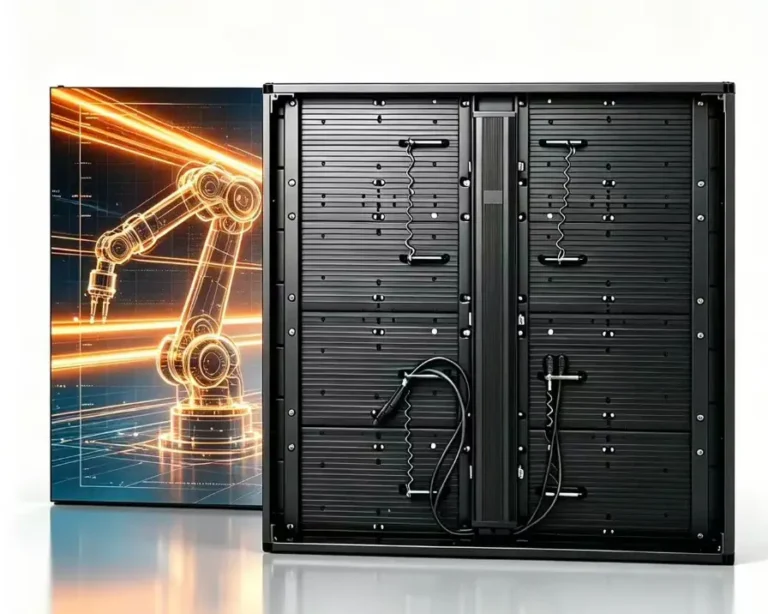
The cabinet is the structural component that holds the LED modules and related electronics.
For outdoor P3.91 displays, cabinet design influences:
-
Installation.
-
Weight.
-
Structural loading.
-
Weather protection.
-
Maintenance.
-
Transportation.
-
Heat management.
Sostron’s Ares 3 product information lists aluminum cabinet construction, front and rear service access, and an IP67 front/rear specification for the stated product configuration. The same product information also notes that parameters may vary by order.
This distinction matters because specifications from one product family should not automatically be applied to another.
4. Is P3.91 the Right Pixel Pitch for Your Project?
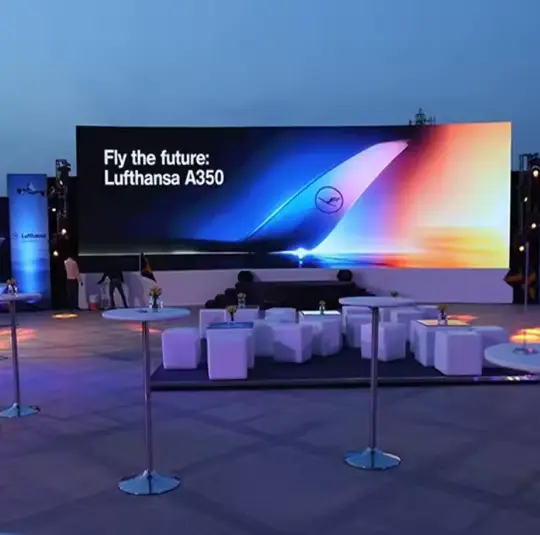
P3.91 is not automatically the best pixel pitch for every outdoor LED installation.
The appropriate pixel pitch depends on the screen size, viewing distance, content detail, budget, and installation environment.
A finer pixel pitch generally provides more image detail at a given display size. However, finer-pitch displays can also have higher hardware costs.
For some long-distance billboard applications, a larger pixel pitch may provide sufficient visual performance at a lower initial hardware cost.
P3.91 vs P4.81 Outdoor LED Screens
P3.91 and P4.81 are both used in outdoor LED display applications, but they serve different viewing and budget requirements.
| Comparison | P3.91 | P4.81 |
|---|---|---|
| Pixel Pitch | 3.91 mm | 4.81 mm |
| Pixel Density | Higher | Lower |
| Image Detail | More detail at comparable screen size | Less detail at comparable screen size |
| Close Viewing | Generally more suitable | May require greater viewing distance |
| Hardware Cost | Often higher for comparable configurations | May be lower for comparable configurations |
| Typical Selection Priority | Image detail | Budget and longer viewing distance |
The table describes general selection considerations. Actual prices and performance depend on the product configuration.
For example, a P3.91 display may be appropriate for a commercial façade where pedestrians can approach the screen.
A P4.81 display may be sufficient for a larger billboard viewed primarily from a road.
The final decision should be based on the actual installation environment rather than pixel pitch alone.
How Does Viewing Distance Affect Screen Selection?
Viewing distance influences how clearly viewers perceive individual pixels.
A display installed close to the audience generally benefits from a finer pixel pitch.
However, there is no single minimum viewing distance that applies to every P3.91 LED screen.
Visual perception depends on:
-
Pixel pitch.
-
Viewing distance.
-
Content detail.
-
Image contrast.
-
Viewer eyesight.
-
Viewing angle.
-
Display quality.
The common practice of treating the pixel pitch in millimeters as the minimum viewing distance in meters is only a rough selection guideline.
It is not a universal engineering standard.
For commercial projects, buyers should evaluate the actual audience position and request a viewing assessment from the display supplier.
When Should Buyers Consider a Smaller Pixel Pitch?
A smaller pixel pitch may be appropriate when:
-
The audience is close to the screen.
-
Fine text must remain readable.
-
The display presents detailed graphics.
-
The screen is installed in a pedestrian environment.
-
The project requires higher image detail.
However, a smaller pixel pitch may not provide sufficient commercial value when the screen is primarily viewed from a long distance.
The additional hardware investment should be justified by the actual visual requirements.
5. Should You Choose Fixed or Rental P3.91 Outdoor LED Screens?
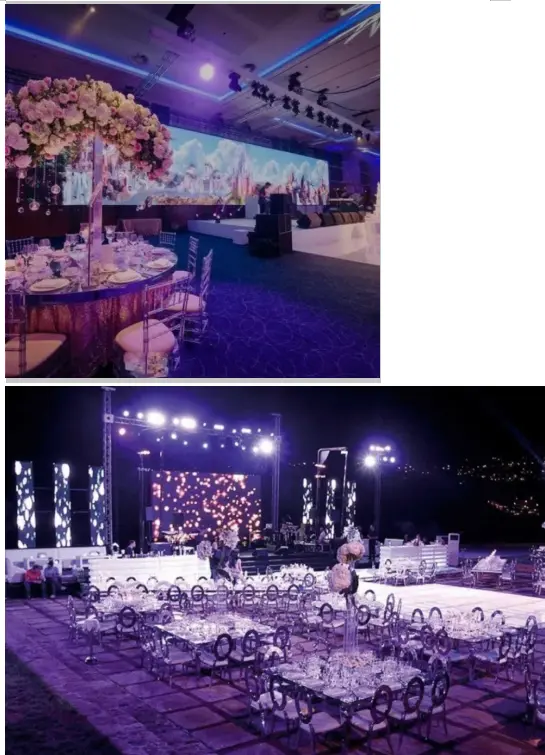
Fixed installation and rental LED displays have different engineering priorities.
Although both may use P3.91 pixels, their cabinets, mechanical structures, installation processes, and maintenance requirements are not necessarily interchangeable.
Fixed Installation: Cabinet Design and Maintenance
Fixed outdoor LED screens are designed for permanent or long-term installation.
Typical applications include:
-
Digital billboards.
-
Commercial building façades.
-
Shopping centers.
-
Outdoor advertising structures.
-
Permanent information displays.
The main priorities are:
-
Long-term reliability.
-
Weather protection.
-
Structural safety.
-
Maintenance access.
-
Power distribution.
-
Thermal management.
-
Serviceability.
A fixed installation may use cabinet dimensions and structural arrangements selected specifically for the project.
The installation should account for the building or supporting structure, wind loading, electrical infrastructure, and access for maintenance.
Outdoor Rental: Weight, Fast Locks, and Transportation
Outdoor rental LED screens are designed for temporary installations and repeated assembly.
Typical applications include:
-
Concerts.
-
Festivals.
-
Outdoor sports events.
-
Temporary advertising.
-
Touring productions.
-
Event stages.
The main priorities are:
-
Cabinet weight.
-
Fast installation.
-
Mechanical locking.
-
Rigging compatibility.
-
Transportation.
-
Repeated assembly.
-
Spare parts.
-
Maintenance speed.
A rental cabinet may be designed for rapid assembly and disassembly, while a fixed installation cabinet may prioritize permanent mounting and long-term environmental protection.
Which Configuration Is Better for Your Application?
| Requirement | Fixed Installation | Rental Display |
|---|---|---|
| Permanent Operation | Strong fit | Possible, but not always the most suitable choice |
| Repeated Transportation | Not the primary design priority | Important |
| Fast Assembly | Project-dependent | Important |
| Structural Integration | Permanent support structure | Event rigging or temporary structure |
| Maintenance | Site-dependent | Designed for rapid servicing |
| Cabinet Weight | Depends on project requirements | Often a major consideration |
| Primary Cost Concern | Long-term ownership | Rental lifecycle and event logistics |
Buyers should confirm whether the selected P3.91 model is specifically designed for fixed outdoor installation or outdoor rental use.
A product that is suitable for one application should not automatically be assumed suitable for the other.
6. What Hidden Costs Should Buyers Include in Their Budget?
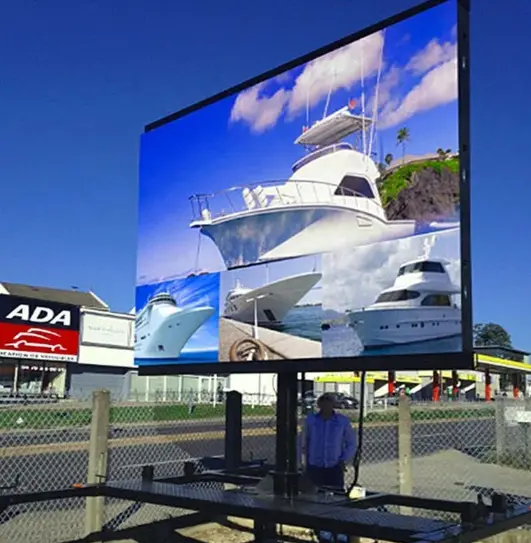
The cost of an outdoor LED display extends beyond the display hardware.
A complete commercial project may require structural engineering, electrical infrastructure, control equipment, installation, shipping, maintenance, and replacement parts.
These costs should be considered before comparing supplier quotations.
Installation and Structural Engineering
Outdoor LED screens may require a supporting structure designed for the installation environment.
The structure may be attached to:
-
A building façade.
-
A freestanding billboard.
-
A steel support frame.
-
An event structure.
-
A custom mounting system.
Structural requirements depend on the screen dimensions, location, wind exposure, mounting arrangement, and applicable local regulations.
A supplier’s cabinet specification does not replace project-specific structural engineering.
Buyers should clarify whether the quotation includes:
-
Structural drawings.
-
Mounting brackets.
-
Steel structure.
-
Installation guidance.
-
On-site installation.
-
Lifting equipment.
-
Electrical installation.
For permanent outdoor installations, structural safety should be evaluated by qualified professionals familiar with the local requirements.
Power and Electrical Infrastructure
The electrical requirements of an outdoor LED screen depend on its configuration and installation.
Buyers should confirm:
-
Input voltage.
-
Power distribution.
-
Maximum power consumption.
-
Average power consumption.
-
Electrical protection.
-
Grounding.
-
Cable requirements.
-
Installation conditions.
The electrical system should be designed for the actual display configuration and operating environment.
Shipping, Customs, and Spare Parts
International LED display projects may involve several additional costs.
| Cost Component | What Buyers Should Check |
|---|---|
| Packaging | Cartons, wooden cases, or flight cases |
| International Shipping | Sea freight, air freight, or other transport |
| Customs | Import duties and clearance requirements |
| Local Delivery | Transport from port to installation site |
| Spare Modules | Replacement LED modules |
| Spare Power Supplies | Replacement power supplies |
| Receiving Cards | Spare control components |
| Service Equipment | Tools and maintenance equipment |
For rental displays, transportation and packaging can be especially important.
For permanent installations, spare modules and replacement components may be more relevant to long-term maintenance planning.
Maintenance and Total Cost of Ownership
Total Cost of Ownership (TCO) includes the costs associated with acquiring, installing, operating, and maintaining a display over its service period.
The main components include:
| TCO Component | Buyer Consideration |
|---|---|
| Hardware | Initial display purchase |
| Control System | Processing, sending, and receiving equipment |
| Structure | Mounting system and structural work |
| Installation | Labor and equipment |
| Shipping | International and local transportation |
| Customs | Duties and clearance |
| Electricity | Operating power consumption |
| Maintenance | Inspection, repair, and servicing |
| Spare Parts | Modules, power supplies, and electronics |
| Content Equipment | Media players and content management equipment |
| Downtime | Operational interruption and potential commercial impact |
A lower initial hardware price does not necessarily produce a lower total ownership cost.
A display that is easier to maintain may reduce service time. A more efficient configuration may reduce electricity use under comparable operating conditions.
However, these benefits should be evaluated using actual product specifications and project requirements.
How Can Buyers Compare Two Quotations?
The most reliable approach is to compare quotations with equivalent technical and commercial conditions.
For example, both suppliers should quote the same:
-
Pixel pitch.
-
Screen dimensions.
-
Brightness.
-
IP rating.
-
Cabinet type.
-
Control system.
-
Spare parts.
-
Warranty.
-
Delivery terms.
-
Installation scope.
If one supplier includes the control system and spare modules while another quotes only the LED cabinets, the prices are not directly comparable.
7. How Can You Evaluate a P3.91 Outdoor LED Screen Supplier?
Choosing an outdoor LED display supplier requires more than comparing product specifications.
A reliable supplier should be able to explain the product configuration, provide relevant technical documentation, clarify the quotation scope, and support the buyer through installation and maintenance.
What Technical Documents Should You Request?
Before placing an order, buyers should request the following documents where applicable.
| Document | Why It Matters |
|---|---|
| Product Specification Sheet | Confirms the exact display configuration |
| Cabinet Drawing | Shows dimensions, mounting points, and mechanical details |
| Electrical Specification | Confirms power requirements |
| IP Test Documentation | Supports the stated enclosure protection |
| Product Compliance Documents | Identifies applicable regulations and product scope |
| Installation Guidance | Helps prepare the installation |
| Maintenance Manual | Supports servicing and replacement |
| Warranty Terms | Defines coverage and exclusions |
| Spare Parts List | Helps plan maintenance |
Certification and compliance documents should be checked against the actual product model and the requirements of the destination market.
A document for one product configuration does not automatically establish compliance for every product manufactured by the same supplier.
How Should You Compare Two Supplier Quotations?
A practical comparison should evaluate both technical performance and commercial terms.
P3.91 Outdoor LED Screen RFQ Checklist
0 of 16 requirements checked
This checklist can be used when requesting quotations from multiple manufacturers.
It also helps buyers identify missing information before comparing prices.
What Should Be Included in the Warranty?
Warranty conditions vary by manufacturer and product configuration.
Buyers should confirm:
-
Warranty duration.
-
Covered components.
-
Exclusions.
-
Replacement part policy.
-
Labor coverage.
-
Shipping responsibility.
-
Technical support.
-
Service response arrangements.
A warranty should be evaluated according to its actual terms rather than a headline duration alone.
For example, a warranty covering replacement components may not include international shipping, local labor, or installation costs.
These distinctions can affect the total cost of maintaining an outdoor LED screen.
8. Why Consider Sostron for P3.91 Outdoor LED Display Projects?
Sostron is a commercial LED display manufacturer and solution provider offering outdoor LED display products, product development, engineering support, customized configurations, installation guidance, and after-sales technical support.
For outdoor P3.91 projects, product selection should begin with the installation environment and the buyer’s technical requirements.
Sostron’s Ares 3 Energy-Saving Outdoor LED Display is one product family buyers can review when evaluating outdoor LED billboard applications.
Sostron’s Ares 3 product information provides specifications for selected P3.9 configurations, including brightness, pixel density, cabinet design, service access, and power consumption. These specifications are manufacturer-provided and may vary by model or order configuration. Buyers should confirm the exact IP rating, brightness, and power specifications in the technical datasheet supplied with their quotation.
Ares 3 Outdoor LED Billboard Solution
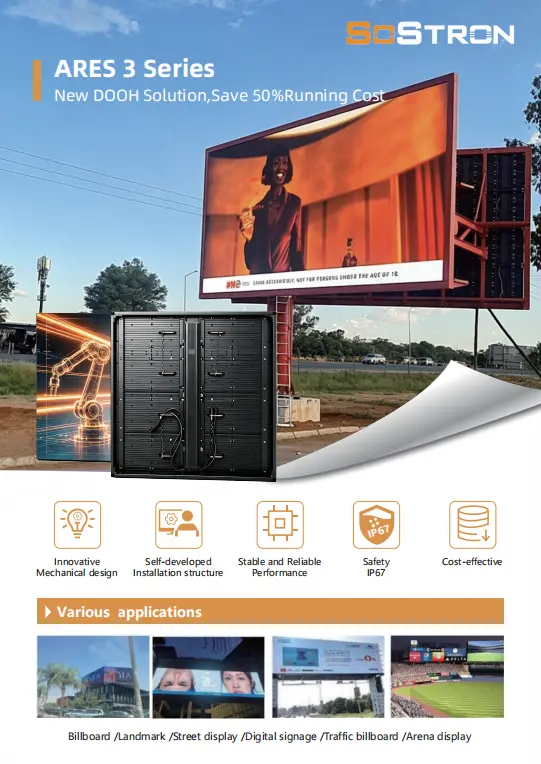
When evaluating an Ares 3 configuration, buyers should confirm:
-
Required screen dimensions.
-
Pixel pitch.
-
Rated brightness.
-
IP protection.
-
Cabinet dimensions.
-
Cabinet weight.
-
Maintenance access.
-
Power consumption.
-
Control system.
-
Installation requirements.
A product specification should be matched to the actual project rather than selected solely because it has a particular pixel pitch.
Product Development and Engineering Support
Outdoor LED display projects may require customized cabinet dimensions, mounting arrangements, electrical configurations, and control systems.
Engineering support can help buyers evaluate these requirements before manufacturing and installation.
For permanent outdoor installations, the project should also account for local structural requirements, electrical regulations, and environmental conditions.
Installation Guidance and After-Sales Support
Installation and maintenance are important parts of an outdoor LED display project.
A supplier should provide relevant technical documentation and guidance for the selected product configuration.
For international projects, buyers should clarify:
-
Installation responsibilities.
-
Technical support arrangements.
-
Spare parts availability.
-
Warranty conditions.
-
Maintenance procedures.
-
Communication and service expectations.
Sostron’s role is to support the buyer in selecting and configuring an LED display solution that matches the project requirements.
For a project-specific quotation, buyers should provide the screen dimensions, installation location, viewing distance, brightness requirements, and expected operating conditions.
9. Frequently Asked Questions
How Much Does a P3.91 Outdoor LED Screen Cost per Square Meter?
The price depends on the LED package, brightness, cabinet material, IP rating, control system, order quantity, and delivery scope.
A hardware-only quotation should not be compared directly with a turnkey project quotation.
Buyers should request a detailed quotation specifying the display hardware, control system, spare parts, shipping terms, installation scope, and warranty.
Is P3.91 Suitable for Direct Sunlight?
P3.91 can be suitable for direct-sunlight applications when the selected configuration provides sufficient brightness and appropriate outdoor protection.
The required brightness depends on the installation environment, screen orientation, ambient light, and operating schedule.
Buyers should confirm the rated brightness of the exact product and evaluate whether automatic brightness control is required.
Is IP65 Enough for an Outdoor LED Screen?
IP65 provides dust-tight protection and protection against water jets under the specified test conditions.
It is commonly used for outdoor LED display applications.
However, the rating should be verified for the relevant enclosure or component. It does not automatically establish suitability for immersion, salt spray, or every severe weather condition.
What Is the Minimum Viewing Distance for P3.91?
There is no universal minimum viewing distance for every P3.91 LED display.
The appropriate distance depends on pixel pitch, content detail, image quality, viewing angle, and audience requirements.
The common pixel-pitch-based viewing distance guideline is a rough selection reference, not a strict engineering standard.
What Is the Difference Between P3.91 and P4.81?
P3.91 has a smaller pixel pitch and generally provides more image detail at comparable screen sizes.
P4.81 has a larger pixel pitch and may be more economical for applications viewed from greater distances.
The appropriate choice depends on the viewing environment, screen size, content, and budget.
What Should Buyers Check Before Ordering a P3.91 Outdoor LED Screen?
Buyers should confirm:
-
Pixel pitch.
-
Screen dimensions.
-
Viewing distance.
-
Brightness.
-
IP rating.
-
Cabinet design.
-
Power consumption.
-
Control system.
-
Installation requirements.
-
Warranty.
-
Spare parts.
-
Delivery terms.
A detailed quotation and product specification sheet help reduce the risk of purchasing a configuration that does not match the project.
Expert Verdict: Is P3.91 Outdoor LED Screen Worth Buying?
A P3.91 outdoor LED screen can be a suitable choice when a project requires detailed images, sufficient outdoor brightness, and an appropriate balance between pixel pitch and display cost. Its suitability depends on the actual viewing distance, ambient light, installation environment, maintenance requirements, and total project budget.
Before selecting a configuration, buyers should compare verified product specifications and complete project quotations rather than relying on pixel pitch or a single headline specification.
However, its suitability depends on the actual installation.
For close-viewing applications, P3.91 may provide useful image detail.
For long-distance billboards, a larger pixel pitch may offer a more economical solution without compromising the viewing experience required by the project.
For outdoor installations, buyers should prioritize:
-
Appropriate pixel pitch and viewing distance.
-
Verified brightness.
-
Suitable IP protection.
-
Cabinet design and maintenance access.
-
Average and maximum power consumption.
-
Structural and electrical requirements.
-
Complete project cost.
-
Warranty and after-sales support.
The best P3.91 outdoor LED screen is not necessarily the one with the highest brightness, highest refresh rate, or lowest quoted price.
It is the configuration that meets the project’s visual requirements, environmental conditions, installation constraints, and long-term operating expectations.
Before placing an order, buyers should compare complete technical specifications and commercial terms rather than relying on a single headline specification.
Technical References
The following sources provide supporting information for the technical specifications and purchasing considerations discussed in this guide.
1. IEC 60529 — Degrees of Protection Provided by Enclosures (IP Code)
International Electrotechnical Commission. This standard defines the classification of enclosure protection against access to hazardous parts, solid objects, and water.
IEC 60529 Official Standard2. Sostron Ares 3 — Energy-Saving Outdoor LED Display
Manufacturer product information covering the P3.9 configuration, cabinet design, brightness, power consumption, and maintenance specifications. Actual parameters may vary by configuration.
3. Outdoor LED Display Technical Parameters — Global Sources
A supplier specification document illustrating how P3.91 outdoor display configurations can differ in brightness, power consumption, refresh rate, module dimensions, and other parameters. These are supplier-specific specifications, not universal industry requirements.
Price Disclaimer
All prices discussed in this article should be treated as estimates or supplier-specific reference prices unless supported by a current, project-specific quotation. Actual costs vary according to product configuration, order quantity, delivery terms, installation requirements, local taxes, and other project conditions. Buyers should request a detailed quotation from the manufacturer before making purchasing decisions.