Quick Answer
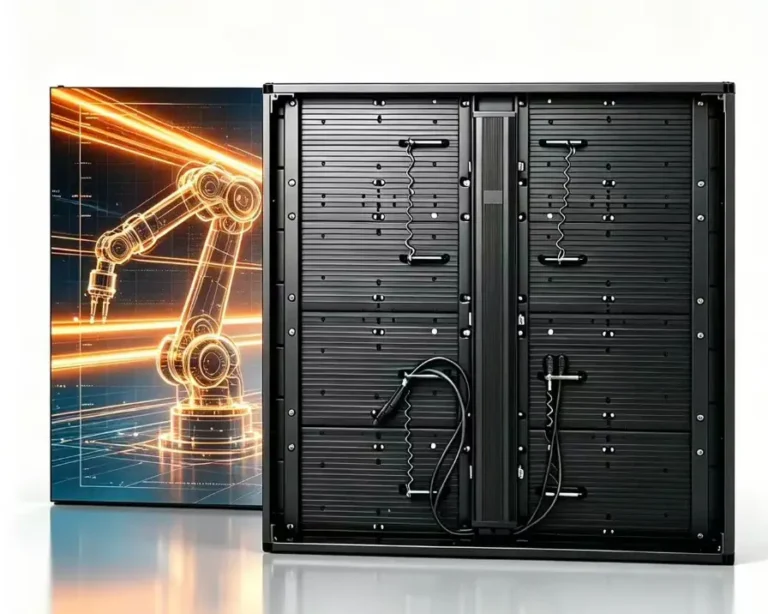
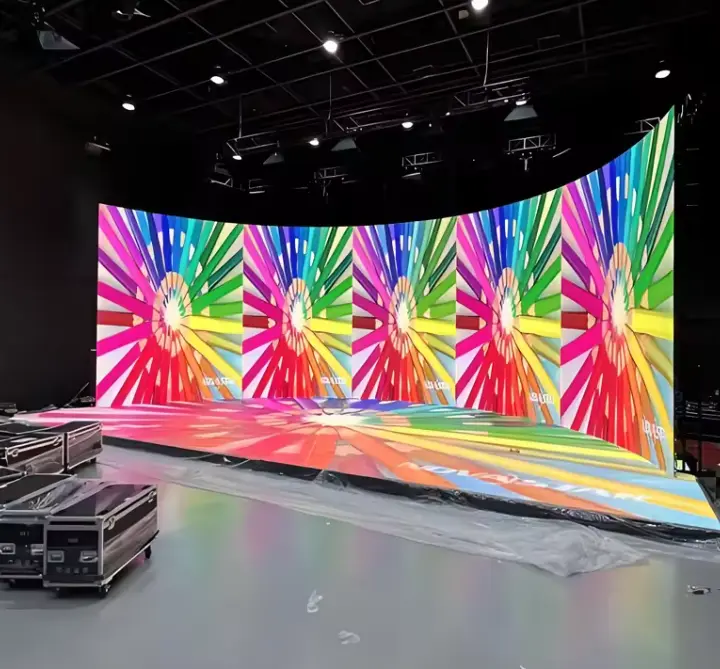
A 500×500 rental LED display cabinet is a modular LED display cabinet with a nominal front-face size of 500 × 500 mm. It is commonly used in rental LED screens for concerts, exhibitions, conferences, live events, and temporary installations.
However, cabinet size alone does not determine display quality, rental efficiency, or total project cost. Buyers should compare pixel pitch, cabinet weight, refresh rate, cabinet material, locking mechanism, protection design, maintenance access, transportation requirements, and supplier support.
A 500 × 500 mm cabinet may be suitable for one rental application but unsuitable for another. For example, a screen used for close-up camera shots requires different display performance from a screen viewed from a long distance. Similarly, a lightweight cabinet may simplify handling, but its actual transportation and installation benefits depend on the complete system.
The best rental LED cabinet is not necessarily the lightest or the most expensive. It is the cabinet that meets the project’s visual, mechanical, transportation, and maintenance requirements with the lowest practical operating risk.
What Is a 500×500 Rental LED Display Cabinet?
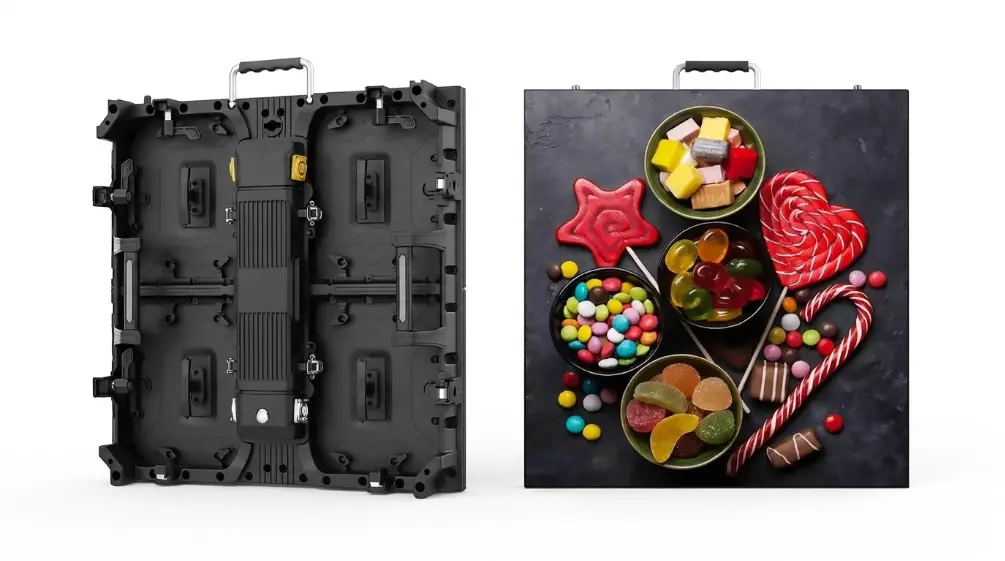
A 500×500 rental LED display cabinet is a modular enclosure designed to hold LED display modules, power supplies, receiving cards, internal wiring, and mechanical connection components.
The nominal cabinet dimensions are:
| Specification | Description |
|---|---|
| Cabinet size | 500 × 500 mm |
| Product type | Rental LED display cabinet |
| Main application | Temporary and reusable LED display installations |
| Typical installation environments | Concerts, exhibitions, conferences, live events |
| Main design priorities | Fast assembly, reliable connections, convenient maintenance, transportation efficiency |
The 500 × 500 mm format is popular in rental applications because it can be combined into different screen sizes and configurations.
However, cabinet dimensions and pixel pitch are two different specifications.
Cabinet dimensions describe the physical size of the cabinet. Pixel pitch describes the distance between adjacent LED pixels and affects image resolution and suitable viewing distance.
For example, two 500 × 500 mm cabinets may have different pixel pitches, pixel resolutions, brightness levels, and internal configurations.
Cabinet Size vs. Pixel Pitch vs. Resolution
| Specification | What It Means | Why Buyers Should Check It |
|---|---|---|
| Cabinet size | Physical dimensions of the cabinet | Determines modular screen layout |
| Pixel pitch | Distance between adjacent pixels | Influences image detail and viewing distance |
| Pixel resolution | Number of pixels in the cabinet | Determines the available image detail |
| Refresh rate | Number of times the display updates per second | Influences camera performance and visual stability |
| Cabinet weight | Weight of the complete cabinet | Affects handling, transportation, and rigging |
| Cabinet material | Material used for the cabinet structure | Influences weight, rigidity, durability, and cost |
Buyers should not assume that all 500 × 500 mm rental cabinets offer the same performance. The cabinet format is only the starting point of the specification process.
How Much Does a 500×500 Rental LED Display Cabinet Cost?
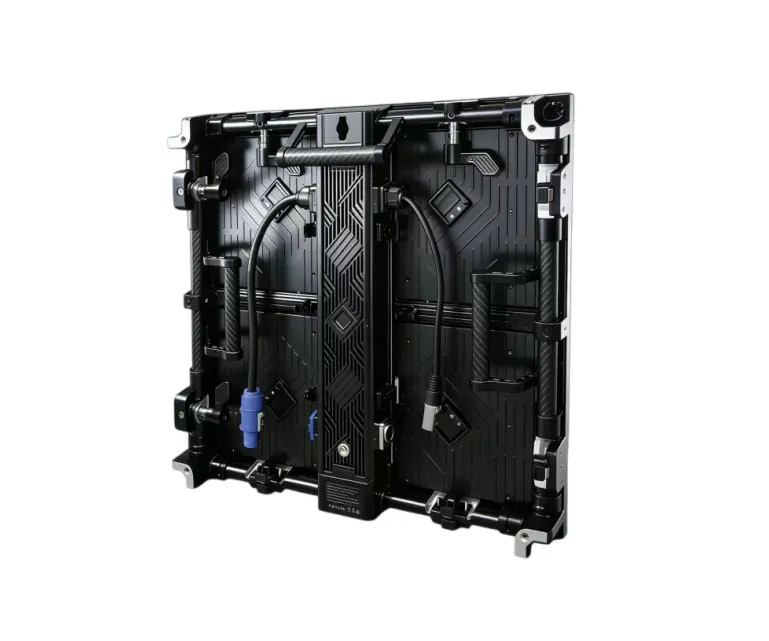
The price of a 500×500 rental LED display cabinet depends on more than its physical dimensions.
A quotation may vary according to pixel pitch, LED components, cabinet material, refresh rate, locking system, maintenance design, order quantity, and included accessories.
For rental companies, the initial cabinet price is only one part of the investment. Transportation, spare parts, maintenance, installation labor, and equipment compatibility also affect the long-term cost.
What Influences the Cabinet Price?
| Cost Factor | How It Can Affect the Price |
|---|---|
| Pixel pitch | Finer-pitch configurations may require more LED components and higher manufacturing precision |
| LED components | LED brand, performance, and consistency affect the display configuration |
| Cabinet material | Die-cast aluminum, magnesium alloy, and carbon-fiber designs have different cost structures |
| Refresh rate | Higher-performance configurations may require different driving and control components |
| Locking mechanism | Mechanical design, adjustment features, and manufacturing precision affect cost |
| Maintenance design | Front or rear access and module replacement methods affect engineering complexity |
| Accessories | Flight cases, hanging beams, cables, and spare parts add to the complete system cost |
| Order quantity | Manufacturing and logistics arrangements may differ between small and large orders |
What Should a Complete Rental LED Display Quotation Include?
A cabinet-only quotation is not necessarily comparable with a quotation for a complete rental LED display system.
Before comparing suppliers, confirm whether the following items are included:
- LED display cabinets
- LED modules and internal components
- Power supplies and receiving cards
- Power and signal cables
- Control system
- Hanging or stacking accessories
- Flight cases
- Spare LED modules
- Spare power supplies and receiving cards
- Warranty terms
- Technical support
- Shipping and delivery terms
A lower cabinet price may not represent a lower project cost if essential accessories, spare parts, or transportation equipment are excluded.
Buyers should request an itemized quotation with the same configuration and delivery scope from each supplier.
9 Specifications to Compare Before Choosing a 500×500 Rental LED Cabinet
1. Pixel Pitch and Viewing Distance
Pixel pitch is one of the most important specifications when selecting a rental LED display cabinet.
A smaller pixel pitch generally provides higher pixel density and more image detail at the same physical screen size. However, finer pixel pitch may also increase the cost of the display.
The appropriate pitch depends on:
- The expected audience viewing distance
- Whether the display will be used for close-up viewing
- The type of content being displayed
- Whether cameras will capture the screen
- The project budget
- The required resolution
For example, an exhibition display viewed from a relatively short distance may require a finer pixel pitch than a large event screen viewed from farther away.
Buyers should evaluate pixel pitch together with the screen dimensions and viewing environment rather than selecting it based on the cabinet size alone.
2. Cabinet Weight and Handling Efficiency
Cabinet weight affects transportation, installation, dismantling, and handling during repeated rental operations.
A lighter cabinet may help reduce the physical effort required from installation crews. It may also influence transportation planning and rigging requirements.
However, buyers should compare the complete cabinet weight, not only the weight of the bare frame.
The quotation or technical datasheet should clarify whether the stated weight includes:
- LED modules
- Power supplies
- Receiving cards
- Internal cables
- Locks and connection components
- Other integrated hardware
A cabinet weight stated without a clear configuration may be misleading.
For rigging applications, the weight of the complete display system must be evaluated together with the hanging structure, connection hardware, and applicable load requirements. Cabinet weight alone is not sufficient to establish installation safety.
3. Refresh Rate and Camera Performance
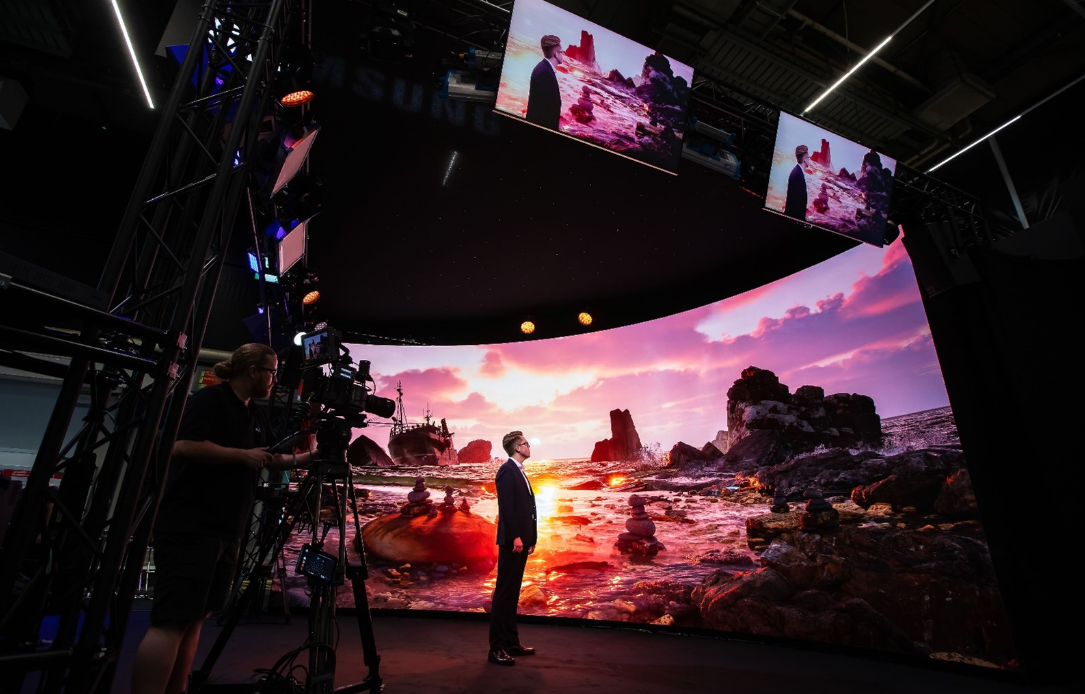
- Camera Flicker: Visible black bars (rolling shutter effect) when filmed.
- Content Loss: Fast-moving content may appear blurry or tearing.
- Not Broadcast Ready: Unsuitable for professional live streaming or TV.
- Flicker-Free: Crystal clear image on all cameras (1/2000s+ shutter speed).
- Smooth Motion: Perfect for fast video playback and sports.
- XR Ready (7680Hz): Essential for virtual production and XR studios.
Refresh rate is an important consideration for rental LED screens used in concerts, broadcast environments, and events with professional cameras.
A higher refresh rate can help improve the visual performance of an LED display under certain camera conditions. However, refresh rate is not the only factor affecting camera results.
Other factors include:
- Camera shutter settings
- Frame rate
- LED driving method
- Brightness settings
- Grayscale performance
- Control system configuration
Some rental LED display configurations offer refresh rates of 3840 Hz or higher. However, buyers should verify the actual refresh rate of the selected model rather than assuming that every cabinet in a product series has the same specification.
A high refresh-rate specification should be verified through the actual display configuration and camera testing.
For camera-based applications, request a demonstration using representative camera settings whenever possible.
4. Cabinet Material and Structural Design
The cabinet material affects weight, rigidity, durability, and manufacturing cost.
Common cabinet materials include die-cast aluminum, magnesium alloy, and carbon-fiber-based designs.
| Cabinet Material | Potential Advantages | Buyer Considerations |
|---|---|---|
| Die-cast aluminum | Established structural design and repeatable manufacturing | Compare weight, rigidity, and connection precision |
| Magnesium alloy | Can support lightweight cabinet designs | Check structural design, durability, and repair requirements |
| Carbon fiber | Can support lightweight construction | Verify the actual cabinet structure, cost, and maintenance approach |
Material names alone do not determine cabinet quality.
For rental applications, buyers should also examine:
- Cabinet frame rigidity
- Flatness and alignment
- Mechanical connection precision
- Resistance to repeated handling
- Protection of LED modules and corners
- Availability of replacement components
A well-designed cabinet should maintain reliable connections and consistent alignment through repeated assembly, dismantling, and transportation.
5. Locking Mechanism and Cabinet Connection
The locking mechanism is a critical mechanical component of a rental LED display cabinet.
Rental screens are frequently assembled and dismantled. Therefore, the cabinet connection system should support efficient installation while maintaining reliable mechanical alignment.
When evaluating a locking mechanism, buyers should check:
- How cabinets connect horizontally and vertically
- Whether the connection can be adjusted
- How the lock is operated
- Whether the lock remains secure during repeated use
- Whether the mechanism is easy to inspect
- Whether replacement parts are available
A locking system should not be evaluated only by how quickly it can be operated.
The connection must also maintain the required alignment and mechanical stability under the intended installation conditions.
For curved rental screens, buyers should verify whether the selected cabinet supports the required curvature and whether the locking mechanism is designed for that configuration.
Not every 500 × 500 mm rental cabinet supports curved installation. Curvature depends on the cabinet structure, locking system, and product design.
6. Corner Protection and LED Module Protection
Rental LED cabinets are exposed to repeated handling, transportation, assembly, and dismantling.
During these operations, the cabinet corners and LED modules may be vulnerable to impact or accidental contact.
Corner protection can help reduce the risk of damage during handling. However, buyers should verify how the protection system works and whether it interferes with assembly or screen alignment.
Check the following:
- Whether corner protection is integrated or removable
- Whether it protects the LED modules during handling
- Whether it can be replaced if damaged
- Whether it affects cabinet connection
- Whether the protection design is suitable for the intended rental workflow
A useful supplier demonstration should show the actual cabinet being handled, connected, and protected during transportation.
7. Front-Service vs. Rear-Service Design
Maintenance access is another important consideration for rental LED display cabinets.
Some configurations allow maintenance from the front, while others require access from the rear.
| Maintenance Design | Potential Advantage | Buyer Consideration |
|---|---|---|
| Front service | May allow maintenance when rear access is limited | Confirm module removal method and required tools |
| Rear service | Can provide convenient access to internal components in suitable installations | Confirm the space required behind the display |
| Mixed service design | May support different maintenance tasks from different sides | Confirm which components can be accessed from each side |
The appropriate design depends on the installation environment.
For example, a display installed against a wall may benefit from front-service access. A rental screen with accessible rear space may use a rear-service design.
Buyers should confirm whether LED modules, power supplies, receiving cards, and other components can be replaced efficiently.
A maintenance demonstration is more useful than a general statement such as “easy maintenance.”
8. Indoor vs. Outdoor Configuration
Indoor and outdoor rental LED displays have different operating requirements.
An indoor display may prioritize close viewing, visual detail, and performance under controlled lighting conditions.
An outdoor display may require higher brightness and stronger protection against environmental exposure.
| Specification | Indoor Rental Display | Outdoor Rental Display |
|---|---|---|
| Brightness | Selected according to indoor lighting and viewing conditions | Selected according to ambient light and direct sunlight |
| Environmental protection | Depends on the installation environment | Requires suitable protection against outdoor exposure |
| Pixel pitch | Often selected for relatively close viewing | Selected according to viewing distance and screen size |
| Cabinet design | May prioritize visual performance and installation flexibility | May require additional environmental and structural considerations |
| Maintenance | Depends on installation access | Depends on installation access and environmental conditions |
Buyers should verify the complete cabinet’s protection rating rather than relying only on the rating of an individual module or component.
The appropriate IP rating depends on the product configuration and the environmental conditions of the project.
For outdoor applications, also confirm the intended operating conditions, installation method, and maintenance requirements.
9. Compatibility with the Control System and Accessories
A rental LED display system includes more than cabinets.
The control system, cables, power distribution, hanging hardware, and accessories must be compatible with the selected cabinet configuration.
Before purchasing, confirm:
- Receiving card compatibility
- Control system compatibility
- Power and signal connection requirements
- Cable specifications
- Hanging beam compatibility
- Stacking and ground-support accessories
- Spare parts compatibility
- Whether cabinets from different production batches can be used together
For rental companies, compatibility is particularly important when expanding an existing inventory.
A new cabinet may have the same nominal dimensions as an existing product but still differ in pixel pitch, module layout, connection design, or control configuration.
Buyers should confirm compatibility before combining cabinets from different models or product generations.
500×500 vs. 500×1000 Rental LED Cabinets: Which Is Better?
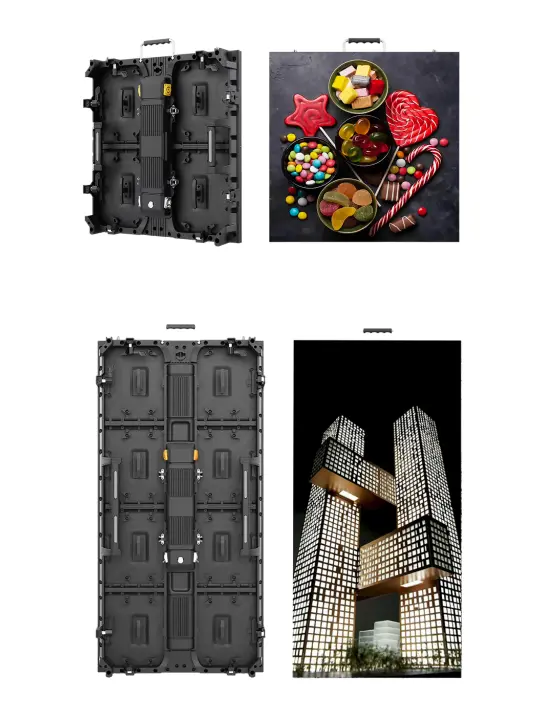
Both 500 × 500 mm and 500 × 1000 mm cabinets can be used in rental LED display systems.
The better choice depends on the required screen layout, installation workflow, transportation arrangements, and inventory strategy.
| Comparison Factor | 500 × 500 mm Cabinet | 500 × 1000 mm Cabinet |
|---|---|---|
| Physical format | Smaller modular unit | Taller modular unit |
| Layout flexibility | Can support more granular layout adjustments | May reduce the number of vertical cabinet connections |
| Handling | Individual cabinets may be easier to manage in some workflows | Individual cabinets may require different handling arrangements |
| Installation | More cabinet units may be required for the same screen area | Fewer cabinet units may be required for the same screen area |
| Transportation | Depends on cabinet weight and flight case configuration | Depends on cabinet weight and flight case configuration |
| Rental inventory | Useful when smaller modular units are preferred | Useful when the larger format matches the rental workflow |
A 500 × 1000 mm cabinet does not automatically reduce total installation time. The actual result depends on cabinet weight, connection design, installation crew experience, and the screen configuration.
Similarly, a 500 × 500 mm cabinet does not automatically provide better flexibility. The cabinet’s mechanical design and available accessories are also important.
For rental companies, the decision should be based on the types of projects they serve most frequently.
Five Industry Information Modules Buyers Should Not Overlook
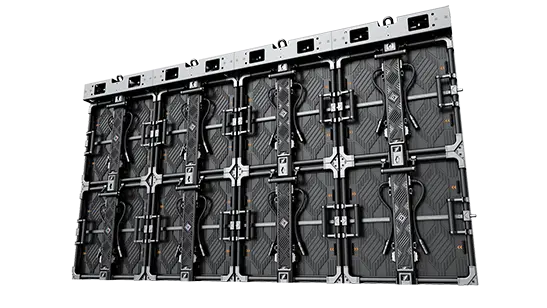
The following five modules add practical value beyond a conventional product-specification article. They help buyers evaluate the cabinet as part of a complete rental operation.
Module 1: Compare Actual Product Configurations, Not Just Cabinet Dimensions
A 500 × 500 mm cabinet can be offered in different pixel pitches, materials, refresh rates, and maintenance configurations.
Therefore, buyers should request a model-specific comparison rather than relying on a generic 500 × 500 mm specification.
A useful comparison table should include:
| Specification | Model A | Model B | Model C |
|---|---|---|---|
| Cabinet dimensions | 500 × 500 mm | 500 × 500 mm | 500 × 500 mm |
| Pixel pitch | Confirm by model | Confirm by model | Confirm by model |
| Cabinet weight | Confirm complete configuration | Confirm complete configuration | Confirm complete configuration |
| Refresh rate | Confirm by model | Confirm by model | Confirm by model |
| Cabinet material | Confirm by model | Confirm by model | Confirm by model |
| Maintenance access | Confirm by model | Confirm by model | Confirm by model |
| Protection rating | Confirm by model | Confirm by model | Confirm by model |
| Included accessories | Confirm quotation scope | Confirm quotation scope | Confirm quotation scope |
This table should be populated with verified product data before publication.
It is more useful than a generic claim that one cabinet is “lighter,” “more advanced,” or “more durable.”
Module 2: Evaluate Transportation and Flight Case Requirements
For rental companies, transportation is part of the product’s operating cost.
A cabinet may be easy to install but difficult to transport efficiently if the flight case configuration is poorly matched to the cabinet.
Buyers should evaluate:
- Number of cabinets per flight case
- Flight case dimensions
- Total packed weight
- Protection during transportation
- Loading and unloading requirements
- Storage requirements
- Compatibility with the rental company’s existing transportation equipment
The number of cabinets that fit into a flight case depends on the cabinet dimensions, packing arrangement, protective materials, and case design.
The total packed weight also depends on the number of cabinets and the flight case itself.
Do not use cabinet weight as a substitute for packed weight.
For transportation planning, request both the cabinet weight and the complete packed weight from the supplier.
A useful supplier document should specify the packing arrangement, case dimensions, number of cabinets per case, and total packed weight.
Module 3: Verify Application Suitability Through Real Projects
A product specification can explain what a cabinet is designed to do. A real project can provide evidence of how the product was used in a particular environment.
However, a project should not be treated as proof that every configuration is suitable for every application.
When reviewing a rental LED display project, buyers should check:
- The actual product model
- Pixel pitch
- Screen dimensions
- Indoor or outdoor environment
- Installation method
- Viewing conditions
- Relevant mechanical requirements
- Any documented performance observations
For example, a rental LED display used in a live event may have different requirements from one used in an exhibition booth.
A project involving close-up camera shots may place more emphasis on refresh rate and camera performance. A large event installation may place greater emphasis on cabinet handling, rigging, and installation efficiency.
If a manufacturer provides project photographs, buyers should ask whether the photographs show the exact product model being quoted.
Real project evidence is most useful when the product configuration and application conditions are clearly identified.
Module 4: Review Quality Control and Technical Documentation
Rental LED cabinets are repeatedly assembled, dismantled, transported, and reused.
For this reason, buyers should evaluate the manufacturer’s quality control process and available technical documentation.
Useful documents may include:
- Product datasheet
- Cabinet dimensions and weight specification
- Installation instructions
- Maintenance instructions
- Electrical specifications
- Control system compatibility information
- Product-specific test reports
- Applicable certificates
- Warranty terms
- Spare parts policy
Buyers should also ask how the manufacturer checks cabinet consistency.
Relevant inspection areas may include:
- Cabinet dimensions and flatness
- Mechanical connection precision
- Electrical connections
- LED module performance
- Cabinet alignment
- Functional testing
- Inspection before packing
The exact inspection process varies by manufacturer and product configuration.
A manufacturer should be able to explain which inspections are performed and which documents are available for the selected model.
Certificates and test reports should also be checked for scope. A document covering one product or configuration should not automatically be treated as covering every product in the manufacturer’s portfolio.
Module 5: Compare Supplier Quotations on an Equal Basis
A meaningful quotation comparison requires the same technical and commercial scope.
If one supplier quotes only the cabinets while another includes control equipment, cables, flight cases, and spare parts, their prices are not directly comparable.
Before evaluating the price, confirm:
| Quotation Item | Questions to Ask |
|---|---|
| Cabinet model | Is the exact model identified? |
| Pixel pitch | Is the pitch identical across quotations? |
| Cabinet weight | Is the complete cabinet weight stated? |
| Refresh rate | Is the specified refresh rate tied to the selected configuration? |
| Control system | Is it included? Which system is specified? |
| Accessories | Are hanging beams, cables, and other accessories included? |
| Flight cases | Are they included? How many cabinets fit in each case? |
| Spare parts | Are spare modules and components included? |
| Warranty | What is covered, and for how long? |
| Delivery | Are shipping terms and delivery scope clearly stated? |
| Technical support | What support is available during installation and operation? |
A supplier’s quotation should make the included and excluded items clear.
This reduces the risk of unexpected costs after the purchase order is issued.
How to Evaluate the Total Cost of Ownership
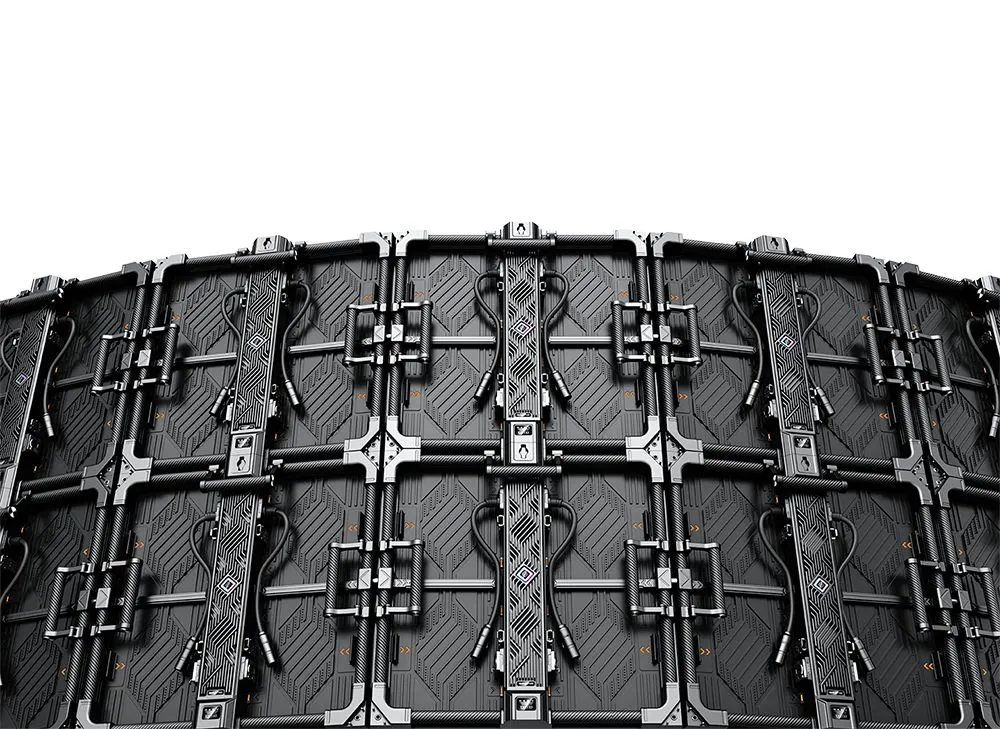
The purchase price of a rental LED display cabinet is only one part of its total cost of ownership.
Rental companies should consider the costs associated with acquiring, transporting, installing, maintaining, and operating the display.
Initial Purchase Cost
The initial investment may include cabinets, control equipment, accessories, flight cases, spare parts, and other system components.
A cabinet-only price should not be treated as the complete system cost.
Transportation and Installation
Transportation and installation costs depend on the cabinet configuration, packed weight, packing arrangement, installation method, and project location.
A lighter cabinet may help simplify handling, but the actual benefit should be evaluated against the complete transportation and installation requirements.
Maintenance and Spare Parts
Maintenance requirements depend on the cabinet design, components, operating conditions, and installation environment.
Buyers should ask about the availability of replacement modules, power supplies, receiving cards, locks, and other relevant components.
The maintenance method should also be considered when evaluating the cabinet.
Power Consumption
Power consumption depends on the display configuration, brightness setting, content, and operating conditions.
Buyers should distinguish between maximum power consumption and typical operating power consumption.
A power specification should be tied to the actual product configuration. It should not be treated as a universal value for all cabinets of the same physical dimensions.
Rental Inventory and Reuse
Rental companies should also consider how the cabinet fits into their existing inventory.
Compatibility with current control systems, accessories, flight cases, and spare parts may influence the practical value of a new purchase.
A cabinet that fits the company’s existing rental workflow may offer operational advantages even when its initial price is not the lowest.
How to Choose a Reliable Rental LED Display Cabinet Manufacturer
Selecting a supplier requires more than comparing product specifications and prices.
A reliable manufacturer should be able to explain the cabinet design, provide model-specific technical information, and support the buyer throughout the purchasing and installation process.
Questions to Ask a Rental LED Display Cabinet Supplier
Before placing an order, ask:
- What is the exact cabinet model and pixel pitch?
- What is the complete cabinet weight?
- What refresh rate is supported by the selected configuration?
- What cabinet material is used?
- Does the cabinet support front or rear maintenance?
- What locking mechanism is used?
- Does the model support curved installation?
- What protection rating applies to the complete cabinet?
- What control system and accessories are included?
- How many cabinets fit in each flight case?
- What spare parts are available?
- What warranty and technical support are provided?
The supplier should provide answers that correspond to the actual model being quoted.
General product-family statements are not a substitute for model-specific documentation.
Why Manufacturer Experience Matters
Rental LED display cabinets are mechanical and electronic products.
Their practical performance depends on the design of the cabinet, the quality of the components, manufacturing consistency, and the suitability of the complete system for the intended application.
When evaluating a manufacturer, buyers should review:
- Product documentation
- Manufacturing capabilities
- Quality control procedures
- Technical support
- Spare parts availability
- Relevant project experience
- Warranty and service arrangements
A manufacturer’s experience is valuable when it can be demonstrated through relevant product knowledge, technical documentation, and project support.
Sostron Rental LED Display Solutions
Sostron provides LED display products and solutions for commercial display applications.
For rental LED display projects, buyers should identify the required cabinet format, pixel pitch, installation method, viewing conditions, and control system before selecting a product configuration.
Sostron’s Hima rental LED display product range can be considered for projects requiring rental display solutions. The final selection should be based on the exact model specification and project requirements.
For example, Sostron’s sPad Pro2 P3.9 has been referenced in an indoor stadium display upgrade project in France. This application provides a relevant example of a rental LED display used in an indoor stadium environment.
However, buyers should confirm the exact model, cabinet configuration, and technical specifications for their own project rather than assuming that every rental display configuration is identical.
For a project-specific recommendation, provide the following information:
- Required screen width and height
- Pixel pitch
- Indoor or outdoor application
- Expected viewing distance
- Installation method
- Required refresh rate
- Control system preference
- Quantity
- Destination country
- Whether flight cases and spare parts are required
This information helps the supplier identify a suitable configuration and prepare a more accurate quotation.
Frequently Asked Questions
Is a 500×500 rental LED display cabinet suitable for concerts?
A 500 × 500 mm rental LED display cabinet can be used for concert screens, depending on its pixel pitch, refresh rate, brightness, cabinet design, and installation requirements.
For camera-based applications, buyers should verify refresh rate and camera performance using the actual configuration.
What is the difference between a 500×500 LED cabinet and a 500×500 LED panel?
The terms are sometimes used interchangeably in product descriptions.
However, buyers should confirm whether the product refers to a complete cabinet containing the necessary mechanical and electronic components or an individual LED module or panel.
The complete product configuration should be clearly stated in the quotation.
Is a 500×500 rental LED cabinet always lighter than a 500×1000 cabinet?
Not necessarily.
Cabinet weight depends on the material, structure, components, and product configuration. Physical dimensions alone do not determine weight.
Buyers should compare the complete weight of the actual models being considered.
Can all 500×500 rental LED cabinets be used for curved screens?
No.
Curved installation depends on the cabinet structure, locking mechanism, and product design.
Buyers should confirm the supported curvature range and installation method for the selected model.
Is a higher refresh rate always better?
Not in every application.
A higher refresh rate may improve camera performance under certain conditions, but the result also depends on the camera settings, LED driving method, brightness, grayscale performance, and control system.
For professional camera applications, buyers should request a demonstration or test using representative camera settings.
Should I choose front-service or rear-service cabinets?
The choice depends on installation access.
Front-service cabinets may be useful where rear access is limited. Rear-service cabinets may be suitable when sufficient space is available behind the display.
Buyers should confirm which components can be replaced and how maintenance is performed.
What should be included in a rental LED display cabinet quotation?
A quotation should identify the cabinet model, pixel pitch, quantity, complete cabinet weight, refresh rate, control system, accessories, flight cases, spare parts, warranty, delivery terms, and technical support.
Buyers should compare quotations with the same configuration and scope.
Expert Verdict: Choose the Cabinet for the Complete Rental Workflow
A 500×500 rental LED display cabinet is a modular product format, not a guarantee of performance.
The right cabinet depends on the application, pixel pitch, complete cabinet weight, refresh rate, mechanical design, maintenance access, transportation requirements, and supplier support.
For rental companies, the most useful comparison is not simply between two cabinet prices. It is between two complete configurations and how well each one fits the company’s rental operations.
Before making a purchase, verify the actual product specifications, request model-specific documentation, inspect the mechanical connection system, and compare the complete quotation scope.
A cabinet that performs reliably, can be maintained efficiently, and fits the rental company’s existing workflow is often a more practical investment than one selected solely by its initial price.
Price Note: Rental LED display cabinet prices vary according to pixel pitch, cabinet material, refresh rate, components, order quantity, accessories, and delivery terms. Any price estimate should be treated as an indicative reference rather than a confirmed quotation. For an accurate price, confirm the exact cabinet model, screen configuration, accessories, flight cases, spare parts, and delivery requirements with the manufacturer.
References:
ANSI E1.50-1-2025 — Requirements for Temporary Display System Structures
ANSI ES1.18-2022 — Event Safety: Rigging