Quick Answer: For most events, a P3–P4 LED screen (3,500–5,000 cd/m² brightness, IP65-rated for outdoor use) rented for 1–3 days costs between 800–9,000 depending on screen size, pixel pitch, and support scope. If your audience sits within 5 meters, go P2.5 or finer. Book at least 4–6 weeks out to lock in the best rates and full inventory availability.
Why LED Screen Rentals Are Non-Negotiable in 2026
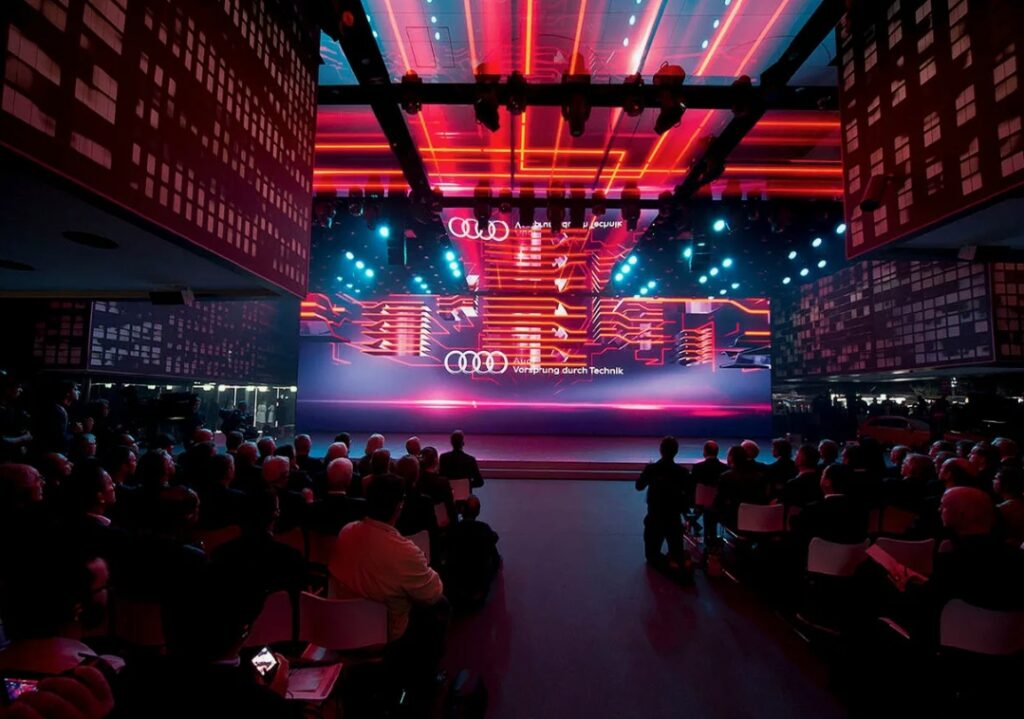
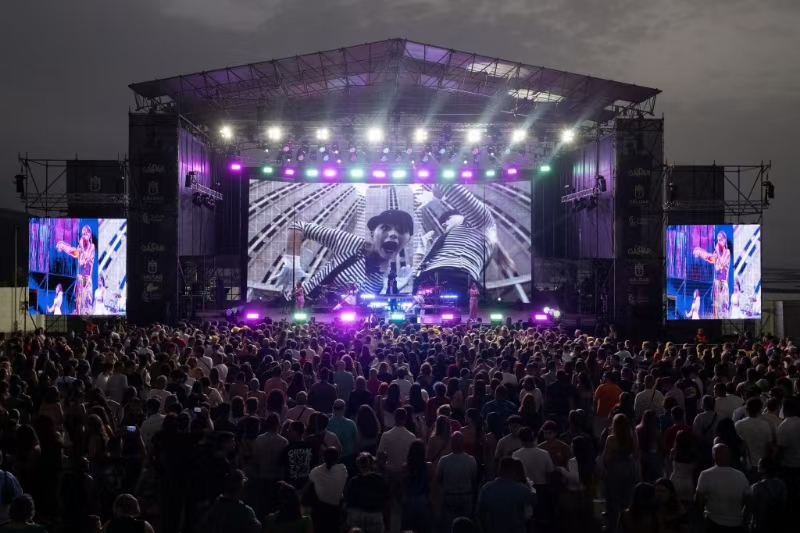
I’ve personally coordinated LED screen deployments for over 60 events—from 200-person corporate product launches to 15,000-seat outdoor music festivals. The single biggest shift I’ve observed since 2023 is this: audiences no longer tolerate low-quality visuals. With 4K content now standard on personal devices, a dim projector or a washed-out LCD panel at your event signals amateurism before a single word is spoken.
LED screen rentals solve this problem without the capital commitment of ownership. Here’s what they deliver:
- Immersive brightness: Modern rental panels reach 5,000–8,000 cd/m² outdoors—fully visible even in direct afternoon sunlight.
- Real-time content flexibility: Update schedules, speaker bios, or sponsor logos in under 60 seconds via CMS.
- Modular scalability: Need a 4×3m wall? A 10×6m stage backdrop? Panels snap together to virtually any dimension.
- Audience interaction: Live social media feeds, QR code overlays, and real-time polling keep engagement high throughout the event.
Bottom line: A well-chosen rental LED screen doesn’t just display content—it becomes the visual identity of your event and a measurable driver of audience engagement.
How to Choose the Right Event Rental LED Screen
Choosing the wrong spec is the most expensive mistake event planners make. Here’s a systematic, spec-by-spec breakdown.
Pixel Pitch: The Most Critical Decision
Pixel pitch (measured in mm) determines resolution at a given viewing distance. Smaller pitch = higher resolution = higher cost. Matching pitch to your actual viewing distance is where most planners either save or waste money.
| Viewing Distance | Recommended Pixel Pitch | Typical Use Case |
|---|---|---|
| 1–3 meters | P1.5 or below | Trade show booths, VIP lounges, boardrooms |
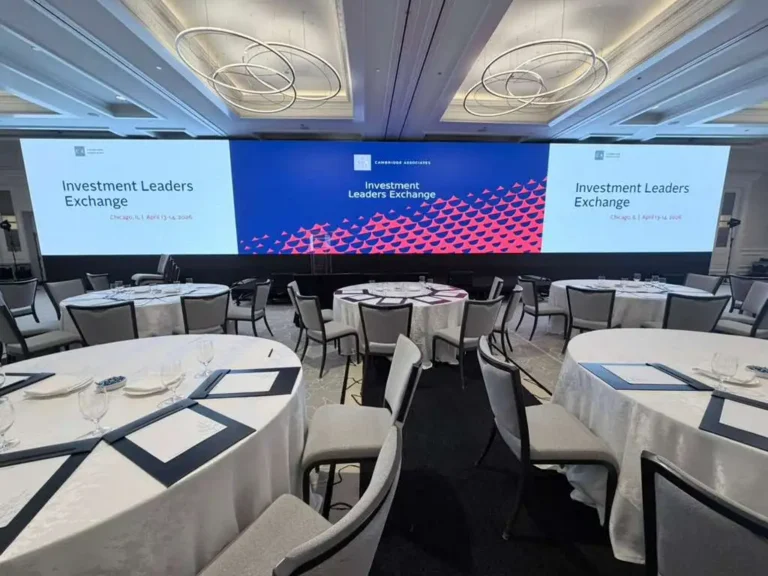
| 3–6 meters | P2.5–P3 | Conference stages, indoor concerts, galas |
| 6–12 meters | P3–P4 | Mid-size outdoor events, festivals, roadshows |
| 12+ meters | P5–P6 | Large outdoor concerts, stadiums, public squares |
Practical formula: Multiply your minimum viewing distance (in meters) by 1,000 and divide by 3,400 to get the maximum acceptable pixel pitch in mm. For a 10m viewing distance: (10 × 1,000) ÷ 3,400 ≈ P2.9—so P3 is your ceiling.
Screen Size & Aspect Ratio
- 16:9 is standard for video content, presentations, and live feeds.
- 2.35:1 (cinematic) works well for immersive concert backdrops.
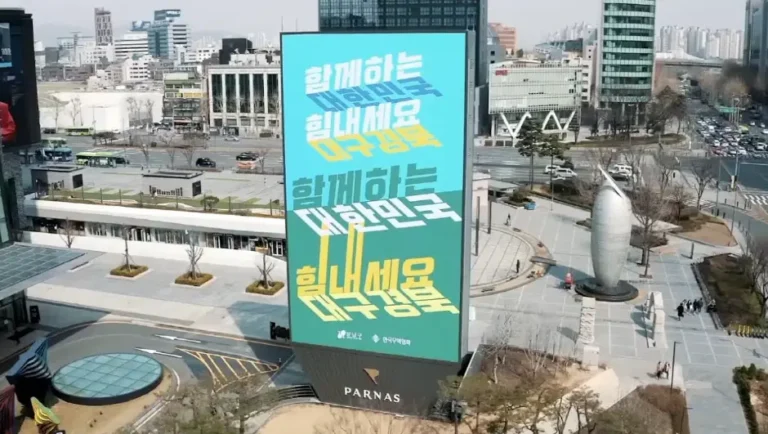
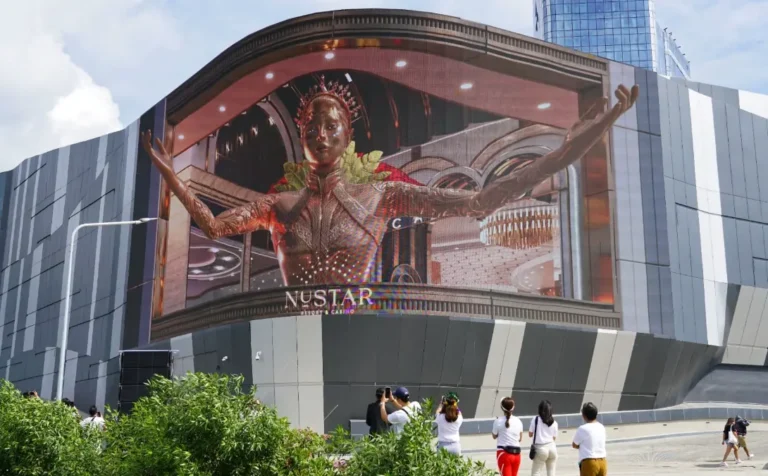
- Custom shapes (L-shaped, curved, transparent LED) are increasingly popular for brand activations and experiential marketing in 2026.
Audience-to-screen sizing guide:
- Up to 500 attendees → 4×2.25m (~9m²)
- 500–2,000 attendees → 6×3.375m (~20m²)
- 2,000+ attendees → 8×4.5m or larger, often with flanking side screens
Brightness & IP Rating
| Environment | Minimum Brightness | Recommended IP Rating |
|---|---|---|
| Indoor (controlled lighting) | 800–1,200 cd/m² | IP30 |
| Indoor (mixed/ambient light) | 1,500–2,500 cd/m² | IP43 |
| Semi-outdoor (covered canopy) | 2,500–3,500 cd/m² | IP54 |
| Outdoor (direct sunlight) | 5,000–8,000 cd/m² | IP65+ |
Don’t over-spec indoors. I’ve seen planners rent 5,000 cd/m² panels for indoor gala dinners—the result was eye-straining glare and washed-out color rendering. Match brightness to your actual environment.
Content Management System (CMS)
A capable CMS is what separates a smooth event from a chaotic one. In 2026, look for:
- Remote control via mobile and PC
- Scheduled playback with time-triggered content switching
- Emergency content override (critical for live events)
- Multi-zone layout support (e.g., main content + lower-third ticker + logo bug)
- Cloud-based backup to prevent single-point failure
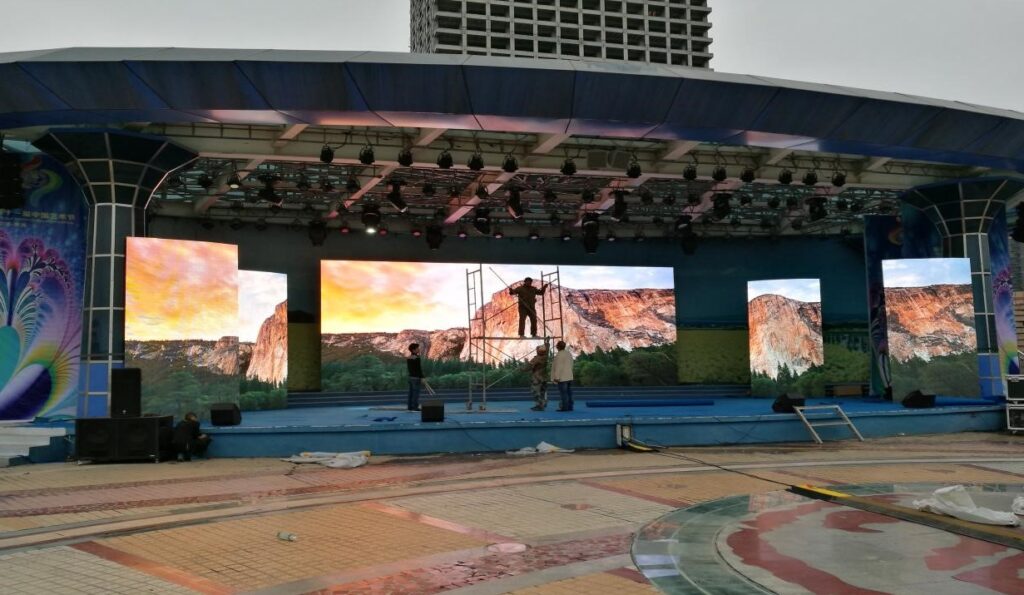
LED Screen Rental Pricing in 2026
Pricing varies by region, screen specification, and service scope. Based on current market data across North America, Europe, and Southeast Asia, here’s a realistic breakdown:
| Cost Factor | Budget Range (USD) | Notes |
|---|---|---|
| Screen rental (per day, per m²) | 80–250 | Fine-pitch panels cost more |
| Logistics & transport | 150–600 | Distance and access complexity |
| Installation & rigging | 200–800 | Ground stack vs. truss hang |
| Onsite tech support (per day) | 150–400 | Per technician |
| Content production | 300–2,000+ | Complexity and animation level |
| Total: 20m² screen, 2-day event | 3,500–9,000 | Full-service estimate |
Budget Optimization Tips
- Book 4–6 weeks early to access full inventory and early-bird rates.
- Bundle services: Screen + transport + setup + support packages typically save 15–25% vs. à la carte pricing.
- Avoid peak seasons: Q4 (October–December) and major holiday weekends carry 20–40% premiums in most markets.
- Right-size your pitch: Don’t pay for P2.5 if your audience is 15 meters away—P4 delivers the same perceived quality at roughly half the cost.
- Clarify the contract: Ensure transport, setup, debugging, teardown, and insurance are explicitly itemized. Hidden fees are the #1 complaint in post-event vendor reviews.
Indoor vs. Outdoor LED Rentals: Side-by-Side Comparison
| Feature | Indoor LED Rental | Outdoor LED Rental |
|---|---|---|
| Brightness | 800–2,500 cd/m² | 3,500–8,000 cd/m² |
| IP Rating | IP30–IP43 | IP65–IP67 |
| Pixel Pitch | P1.5–P3 (finer) | P3–P6 (coarser) |
| Weight per m² | 18–25 kg | 28–45 kg |
| Setup complexity | Low–Medium | Medium–High |
| Wind load rating | Not required | Required (≥ 11 m/s) |
| Typical daily rental cost | Lower baseline | +20–40% vs. indoor |
| Common use cases | Conferences, galas, trade shows | Festivals, concerts, sports events |
Key insight for 2026: Outdoor screens above 20m² require a structural engineering review in most jurisdictions. Always request a load calculation certificate from your vendor—this is non-negotiable for public events and is increasingly required by venue operators and insurers.

Rental vs. Purchase: Which Makes More Sense? {#rent-vs-buy}
This is the question I receive most often from event companies scaling their operations. Here’s the honest breakdown:
Rent if:
- You host fewer than 12 events per year.
- Your event specs vary significantly (different sizes, indoor/outdoor mix).
- You lack storage, maintenance staff, or logistics infrastructure.
- You want access to the latest panel technology without depreciation risk.
Purchase if:
- You run 20+ events per year with consistent specifications.
- You have a dedicated AV team and a climate-controlled storage facility.
- Your events are in a fixed venue (e.g., a permanent conference center or arena).
- Annual rental spend exceeds 60,000–80,000 and amortization math favors ownership within 18–24 months.
For most independent event planners and mid-size agencies, renting remains the smarter financial choice until annual rental expenditure consistently exceeds that threshold.
The Rental Process: Step by Step
- Initial Consultation (4–6 weeks before event): Share venue layout, audience size, content type, and budget. A reputable vendor will conduct a site inspection or request detailed floor plans.
- Proposal & Quotation: Confirm pixel pitch, screen dimensions, mounting method (ground stack, truss hang, or mobile stand), and CMS configuration.
- Contract & Deposit: Typically 30–50% upfront. Verify cancellation policy, damage liability clauses, and weather contingency terms for outdoor events.
- Content Preparation (48–72 hours before event): Submit final content files in confirmed formats (MP4/H.264, PNG/JPG, PDF). Ensure resolution matches the screen’s native resolution to avoid scaling artifacts.
- Delivery, Installation & Debugging (4–8 hours before event): Professional crew completes full system test including brightness calibration, color uniformity check, and CMS walkthrough with your team.
- Onsite Technical Support: A dedicated technician monitors the system throughout. Industry standard response time for any issue: under 5 minutes.
- Post-Event Teardown: Crew disassembles and removes all equipment. Venue restoration should be completed within the timeframe specified in your contract.