01. LED Screen Hardware
Driven by screen area (m²), pixel pitch density, series architecture (outdoor fixed, stage rental, or indoor fine-pitch/COB), and brightness or refresh requirements.
Configure your Sostron series, pixel pitch, screen dimensions, fulfillment hub, and installation package to get an itemized budget range and request a formal quote.
Select your product series, pixel pitch, size, and delivery preferences.
Budget ranges are preliminary planning estimates. Final factory pricing depends on exact pitch, lamp/IC specs, order volume, and destination logistics.
Breaking down hardware, structural/mounting accessories, control systems, and shipping helps contractors and buyers benchmark total project budgets accurately.
Driven by screen area (m²), pixel pitch density, series architecture (outdoor fixed, stage rental, or indoor fine-pitch/COB), and brightness or refresh requirements.
Includes indoor wall brackets or rear service frames, outdoor steel structures rated for wind load, or stage rigging bars and touring flight cases.
Covers sending boxes or video processors matched to pixel count, plus recommended 3%–5% spare modules, power supplies, and receiving cards for fast servicing.
Depends on weight/volume, destination region, Incoterms (EXW, CIF, DDP, or Air), and whether units ship from China factory or regional warehouse hubs.
Total cost depends on screen area, pixel pitch, product series, mounting structure or flight cases, sending/processing hardware, spare parts allowance, and shipping/duty terms.
Final pricing varies by exact pixel pitch, LED lamp and driver IC specifications, order quantity, and port/delivery conditions. A range gives a practical planning benchmark prior to formal BOM confirmation.
Choose EXW if your forwarder handles factory pickup and shipping, CIF for ocean freight to your destination port, or DDP for door-to-door delivery with customs and duties handled upfront.
Commercial and rental projects typically include 3%–5% spare modules, power supplies, and receiving cards from the same production batch to support quick maintenance.
Understanding how total project cost splits across hardware, mounting, control systems, and shipping helps project contractors and buyers plan realistic budgets without hidden surprises.
Driven by total square meters, pixel pitch density, product series, and brightness or refresh specifications.
Covers physical installation hardware on site or protective transport cases for touring and rental fleets.
Ensures smooth signal transmission, color processing, and fast on-site servicing over years of operation.
Varies by shipment weight and volume, destination region, Incoterms (EXW, CIF, DDP, Air), and stock location.
Compare typical Sostron configurations, common project dimensions, and primary budget factors across outdoor billboards, live events, and indoor commercial installations.
| Project Type | Typical Series & Pitch | Common Screen Size | Key Cost & Engineering Factors |
|---|---|---|---|
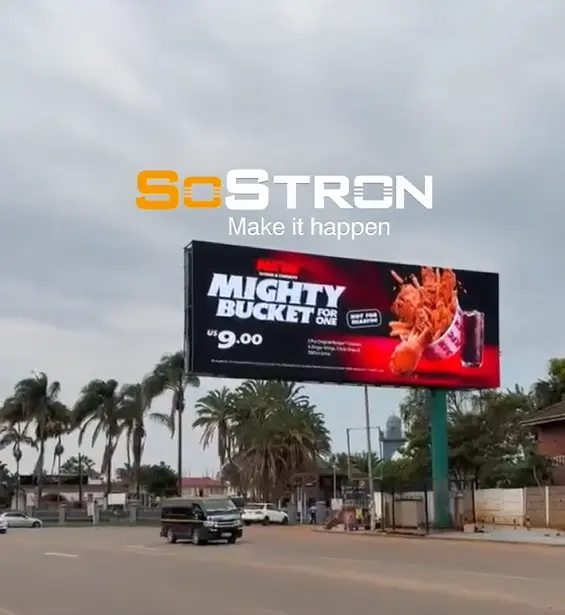
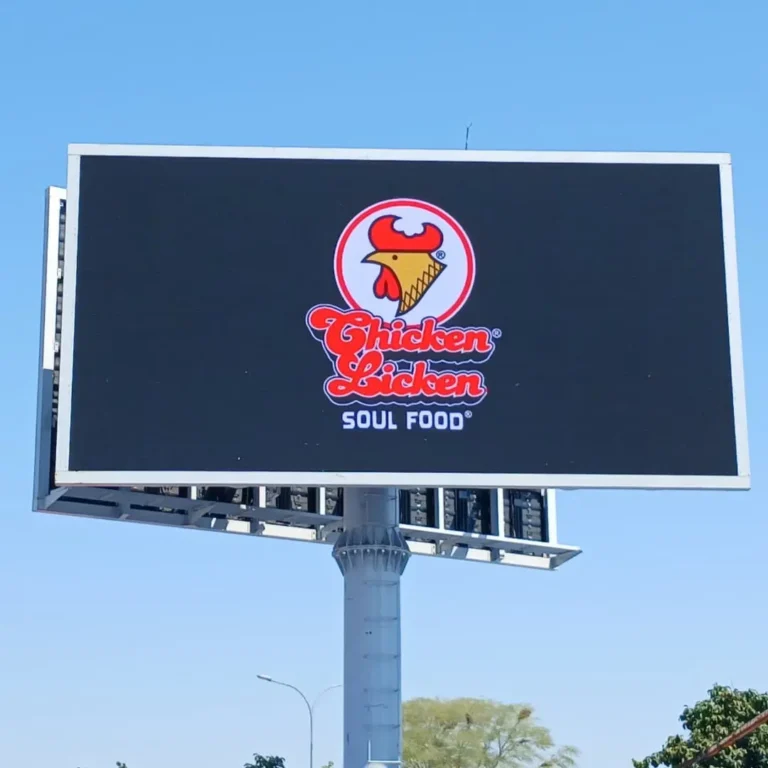
| Outdoor Commercial Billboard DOOH, Highways, Facades | Ares 3 / Ares 2 P4.81 – P10.4 | 6×4m (24 m²) – 12×6m (72 m²) High-visibility wide format | High outdoor brightness, IP65 protection, energy-saving design, steel structure, and ocean freight. |
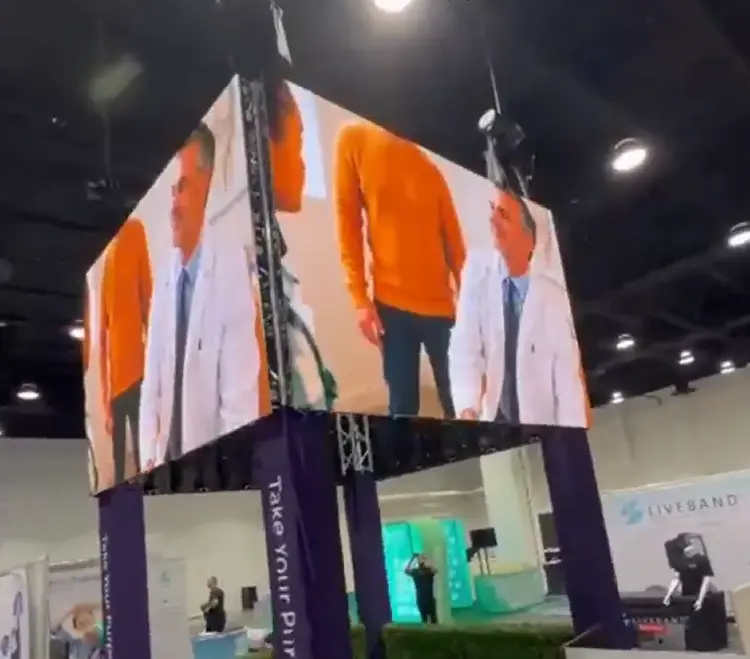
| Stage & Event Rental Concerts, Tours, Exhibitions | Carbon Pro / Carbons / sPad Pro 2 P2.60 – P4.81 | 5×3m (15 m²) – 10×5m (50 m²) Modular stage & curved setups | Flight cases, hanging rigging hardware, high refresh rate, fast locks, and frequent transport durability. |
| Indoor Fine-Pitch & Control Boardrooms, Dispatch, Broadcast | Cobra COB / Reta 2 P0.93 – P1.86 | 3.6×2.025m – 6×3.375m 16:9 native resolution targets | Fine pixel pitch density, COB surface protection, front service access, and video processor scaling. |
| Retail & Commercial Wall Malls, Showrooms, Lobbies | Slim / Reta P1.86 – P3.91 | 4×2.5m (10 m²) – 8×4m (32 m²) Wall-mounted commercial format | Ultra-slim cabinet depth, wall-mount brackets, daily run hours, control system, and spare parts allowance. |
* Benchmarks reflect typical B2B project configurations for budget planning. Exact pricing and layouts vary by site conditions, refresh rate, and shipping terms.
Avoid costly scope gaps, power bottlenecks, and maintenance headaches by checking these key engineering and commercial details before locking in your LED display purchase.
Low upfront per-square-meter quotes often cut corners on power supplies, IC drivers, refresh rate, or aging tests, raising total cost of ownership through early failures and site downtime.
Over-specifying fine pitch for distant outdoor billboards inflates cost without visible gain, while choosing coarse pitch for close-range indoor or broadcast viewing causes visible pixelation.
Unchecked site voltage/breaker limits, wind-load steel framing, or unclear shipping terms (EXW vs. CIF vs. DDP) frequently cause last-minute budget overruns or port/jobsite delays.
Waiting until a module or power supply fails to order replacements can halt campaigns or events. Rear-service screens also need sufficient clearance behind the cabinet.
Total project cost depends on screen area (square meters), pixel pitch, product series (outdoor fixed, stage rental, or indoor fine-pitch/COB), mounting structure or flight cases, sending/processing hardware, spare parts, and shipping terms. Finer pixel pitches and outdoor high-brightness weatherproofing require higher component density, which increases unit cost.
Final LED screen pricing varies based on specific LED lamp brands, driver IC refresh rates, cabinet customization, order quantity, and destination port logistics. Showing a budget range gives project contractors and buyers a realistic planning benchmark before an engineer confirms exact BOM specifications.
Choose EXW if your freight forwarder handles factory pickup and international shipping. Choose CIF if you want ocean freight and insurance arranged to your destination seaport while your local broker clears customs. Choose DDP if you prefer door-to-door delivery with customs clearance and import duties managed up front.
Commercial and rental projects typically include 3% to 5% spare parts—covering LED modules, power supplies, receiving cards, and data/power cables. Having matched-batch spares on site prevents color discrepancies and minimizes downtime during routine servicing.
For select standard models and pixel pitches, regional dispatch from local warehouse hubs (such as Spain for EU projects or Saudi Arabia for MENA projects) can shorten delivery lead times compared to standard factory build schedules, subject to live inventory availability.
Beyond the display package, account for AC electrical supply capacity (peak vs. typical load, breaker sizing, and cabling), civil or steel structural engineering for wind/weight loads, local installation labor or lifting equipment, and video signal source cabling.
Share your project requirements with our team. Our LED display specialists will help you select the right product and configuration.
By submitting this form, you agree to be contacted by our team regarding your LED display project.